Lavender Oil Uses: 25 Everyday Ideas for Home, Skin, and Relaxation
If you have a bottle of true lavender essential oil (Lavandula angustifolia) sitting in a drawer, you are sitting on more versatility than most people realize. Around a working lavender farm, this oil shows up everywhere: in the laundry room, on the nightstand, in the car, even tucked into a sock drawer. This guide walks through 25 simple, everyday ideas for what to do with lavender oil at home. As always, these are practical and household suggestions, not medical advice, and a qualified healthcare provider is the right person to consult about any health condition.
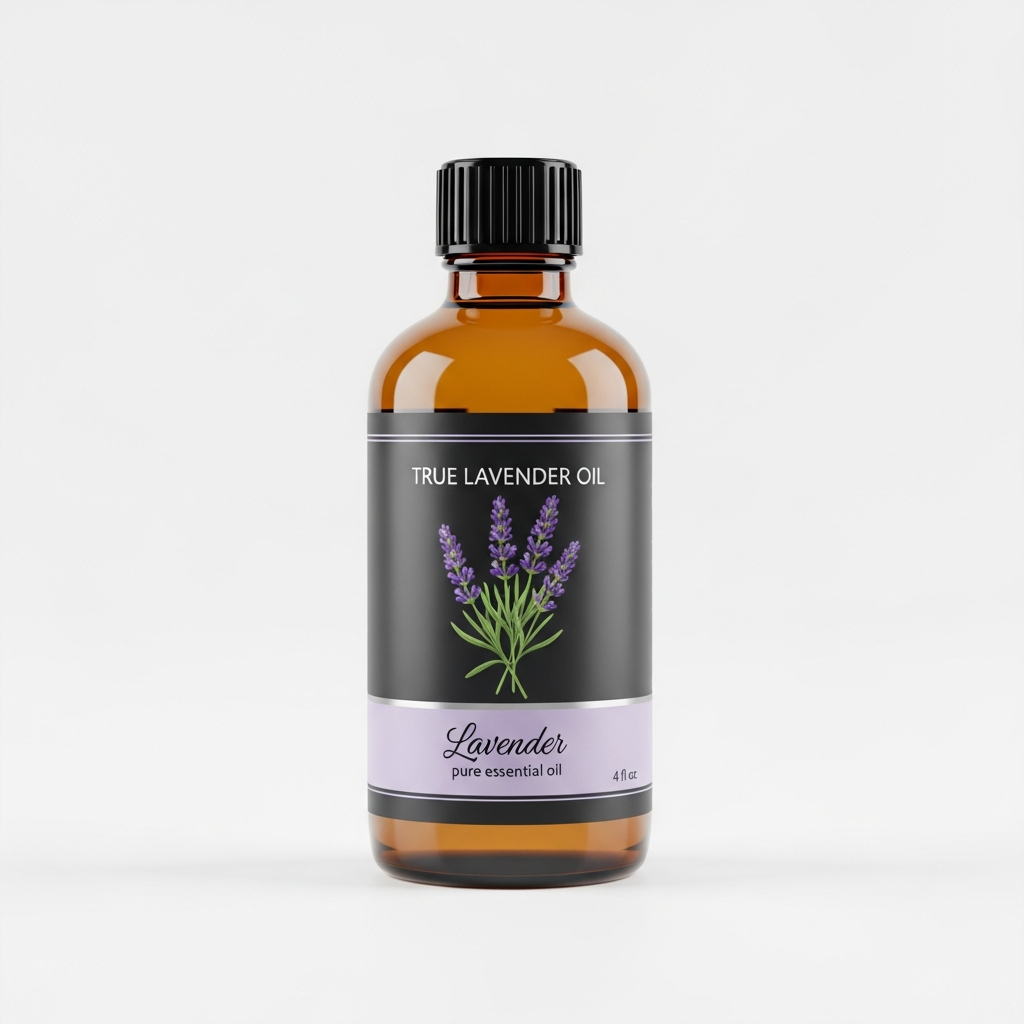
Lavender Essential Oil
Our own Lavender Essential Oil, in sizes from 0.5 oz to bulk.
From $10.99
Shop Now →A Quick Word on Safety Before You Start
Essential oils are concentrated. True lavender oil is generally considered one of the gentler oils to work with, but it still needs to be handled thoughtfully:
- Dilute before skin contact. A common home ratio is about 1% to 2% dilution for everyday use, which works out to roughly 5 to 10 drops of lavender oil per ounce (30 ml) of a carrier oil such as sweet almond, jojoba, or fractionated coconut oil. Never apply undiluted oil directly to skin.
- Patch test first. Apply a small diluted amount to the inside of your forearm and wait 24 hours before using it more broadly.
- Keep it away from eyes and mucous membranes. Diffuse in an open, ventilated room rather than a small, closed space.
- Check with a healthcare provider before using essential oils if you are pregnant, nursing, managing a chronic condition, or applying anything to a child's skin. Some people should avoid certain oils entirely, so this step matters.
- Buy real lavender oil. Look for the botanical name Lavandula angustifolia on the label. Lavandin (Lavandula x intermedia) is a different, more camphorous plant often sold at a lower price.
With that groundwork in place, here are 25 ways people commonly put lavender oil to use.
Around the Home
Lavender oil is a staple for home fragrance because it reads as clean and soft rather than sweet or heavy. These are some of the most common lavender oil uses in the house itself.
- Linen spray. Combine 10 to 15 drops of lavender oil with 2 ounces of water and a splash of witch hazel or vodka (to help the oil disperse) in a small spray bottle. Mist lightly over sheets, pillowcases, and towels before they go into the closet.
- Drawer and closet sachets. Add a few drops to a cotton pouch or a small cloth bag of dried lavender buds and tuck it among folded clothes or linens.
- Vacuum freshener. Place a few drops on a cotton ball and drop it into your vacuum's bag or canister before you run it. Each pass releases a light scent through the room.
- Simmer pot. Add a few drops of lavender oil to a small pot of simmering water on the stove (never let the water run dry) for a gentle, whole-house fragrance on a quiet afternoon.
- Wool dryer balls. A drop or two of lavender oil on wool dryer balls can lightly scent a load of laundry as it tumbles, without the residue that liquid sprays sometimes leave.
- Shoe and gym bag sachets. Small sachets scented with lavender oil tucked into shoes or gym bags help keep things smelling fresher between wears.
- Car sachet or wood diffuser stick. A wooden clip diffuser or a felt pad with a few drops of lavender oil clipped to a car vent brings a calm scent to a commute.
- Trash can freshener. A few drops on a cotton pad tucked near (not directly touching food waste) the base of a lined trash can can help keep the area smelling neutral between bag changes.
For Skin and Body Rituals
This is the category where dilution matters most. Every idea below assumes lavender oil mixed into a carrier oil, unscented lotion, or bath product rather than applied straight to skin, and every idea benefits from a patch test first.
- Diluted body oil. Mix 8 to 10 drops of lavender oil into 1 ounce of jojoba or sweet almond oil for an after-shower body oil with a soft, herbal scent.
- Bath soak. Combine a few drops of lavender oil with a cup of Epsom salt (the salt helps disperse the oil, since oil and bathwater do not mix on their own) and add it to a warm bath as part of an evening wind-down.
- Foot soak. A basin of warm water, a scoop of Epsom salt, and a few drops of lavender oil make a simple end-of-day foot soak.
- Scalp massage oil. Diluted lavender oil massaged gently into the scalp before a wash can be a pleasant part of a hair care routine.
- DIY soap or melt-and-pour bars. Lavender oil is a favorite for homemade soap because true lavender's scent tends to survive the saponification process better than many florals.
- Nail and cuticle oil. Blend lavender oil into jojoba oil with a dropper for a simple nightly cuticle treatment.
- Scented hand cream. Stir a drop or two of lavender oil into an unscented lotion or cream base and mix well before applying.
- Aromatic facial steam. Add one or two drops of lavender oil to a bowl of hot (not boiling) water, then lean over it with a towel draped over your head and eyes closed, keeping a comfortable distance from the steam.
- Partner massage oil. Diluted lavender oil in a neutral carrier oil is a popular base for an at-home massage, thanks to its soft, unobtrusive scent.
For Relaxation and Atmosphere
Lavender's reputation as an atmosphere-setting scent is well earned. These ideas lean into routines and settings rather than any specific outcome, since how a scent lands is a personal, anecdotal experience.
- Bedtime diffuser blend. A few drops of lavender oil in an ultrasonic diffuser, run for 30 to 60 minutes before bed, is one of the most common lavender essential oil applications for an evening wind-down routine.
- Pillow mist. A very light lavender water mist (a few drops of oil dispersed in water with a bit of witch hazel) misted onto a pillow, well before lying down, can become part of a bedtime ritual.
- Yoga mat spray. A diluted lavender spray wiped over a mat after practice keeps it smelling fresh and adds a calm note to a wind-down stretch.
- Meditation cushion or blanket mist. A light spritz on a meditation cushion or throw blanket can help mark the start of a quiet sitting practice.
- Reading nook diffuser. Running a small diffuser near a favorite reading chair in the evening turns a corner of a room into a dedicated slow-down spot.
- Journaling ritual. Some people like to diffuse lavender oil or dab a diluted drop on their wrists while journaling, using scent as a cue to settle in.
- Warm towel wrap. A warm, damp towel with a drop of diluted lavender oil pressed to the shoulders or neck after a long day is a simple, low-effort ritual.
- Personal inhaler stick. A blank aromatherapy inhaler tube with a few drops of lavender oil on the wick offers a portable option for a calming scent break during a busy day, without any diffuser or spray needed.
That covers a full 25 ideas, but the truth is this list barely scratches the surface. Once lavender oil earns a permanent spot on your shelf, you will likely find your own uses for it: a drop on a luggage tag before a trip, a sachet in the linen closet that gets replaced every season, a bedtime diffuser habit that becomes as automatic as brushing your teeth.
Storing Your Lavender Oil
A little care in storage keeps lavender oil at its best for longer:
- Keep the bottle tightly capped and store it in a cool, dark place, away from direct sunlight.
- Dark amber or cobalt glass bottles protect the oil far better than clear glass or plastic.
- Most true lavender oil holds its quality well for one to three years when stored properly, though scent can fade gradually over time.
- Keep it out of reach of children and pets, and never ingest essential oils.
Choosing an Oil Worth Using This Often
With this many everyday uses, from the laundry room to the bathtub to the bedside table, it makes sense to start with an oil you trust. Look for Lavandula angustifolia on the label, ask about the farm or region of origin, and favor sources who are transparent about how the oil is distilled. A true lavender oil, sourced honestly, is a small thing that ends up woven through a surprising number of everyday moments.