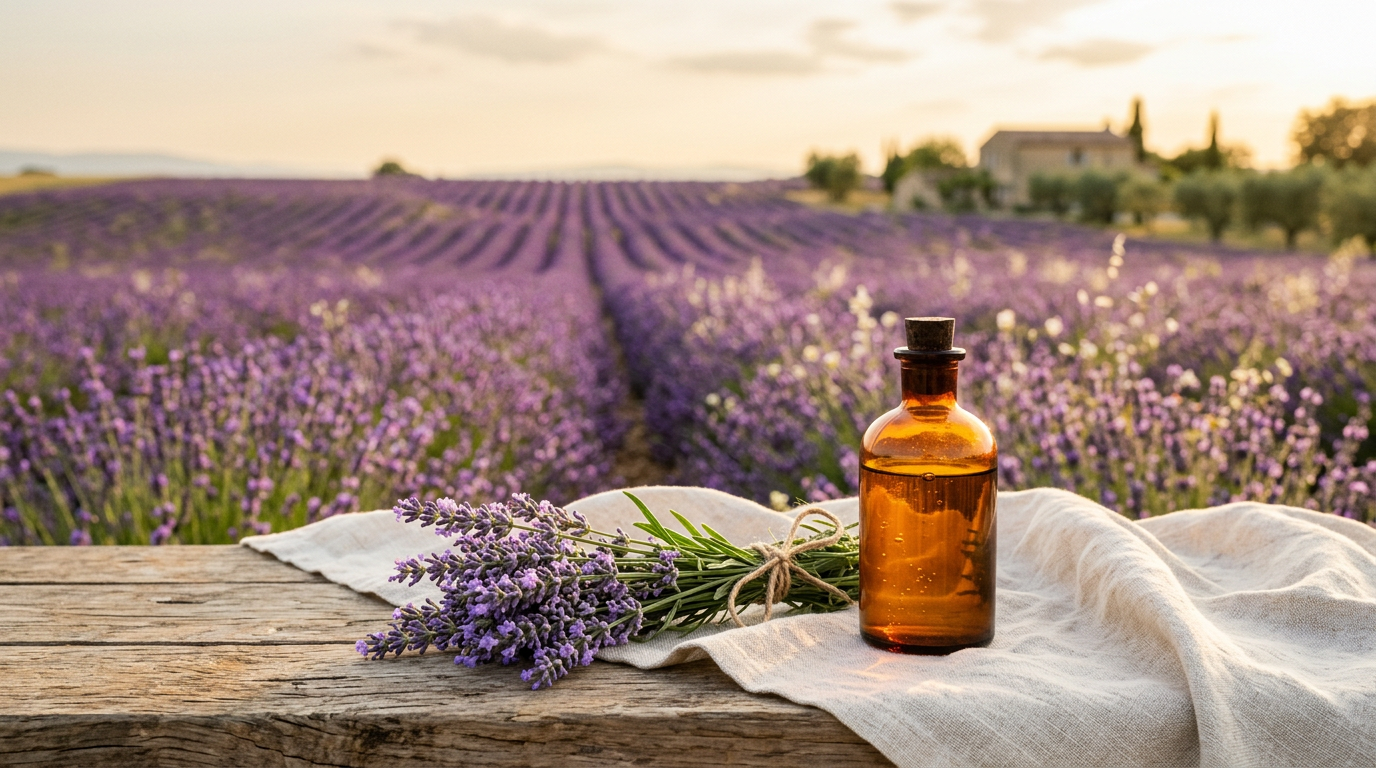
One Soap Studio's Cold-Process Batch Notes on True Lavender Oil
Ask any small-batch soap maker about lavender and you will usually get a sigh before an answer. It is one of the most requested scents at a farmers market table, and one of the most argued about in soap forums. The question that comes up again and again is simple to ask and stubbornly hard to answer with certainty: does lavender scent fade in cold process soap, or does it just change?
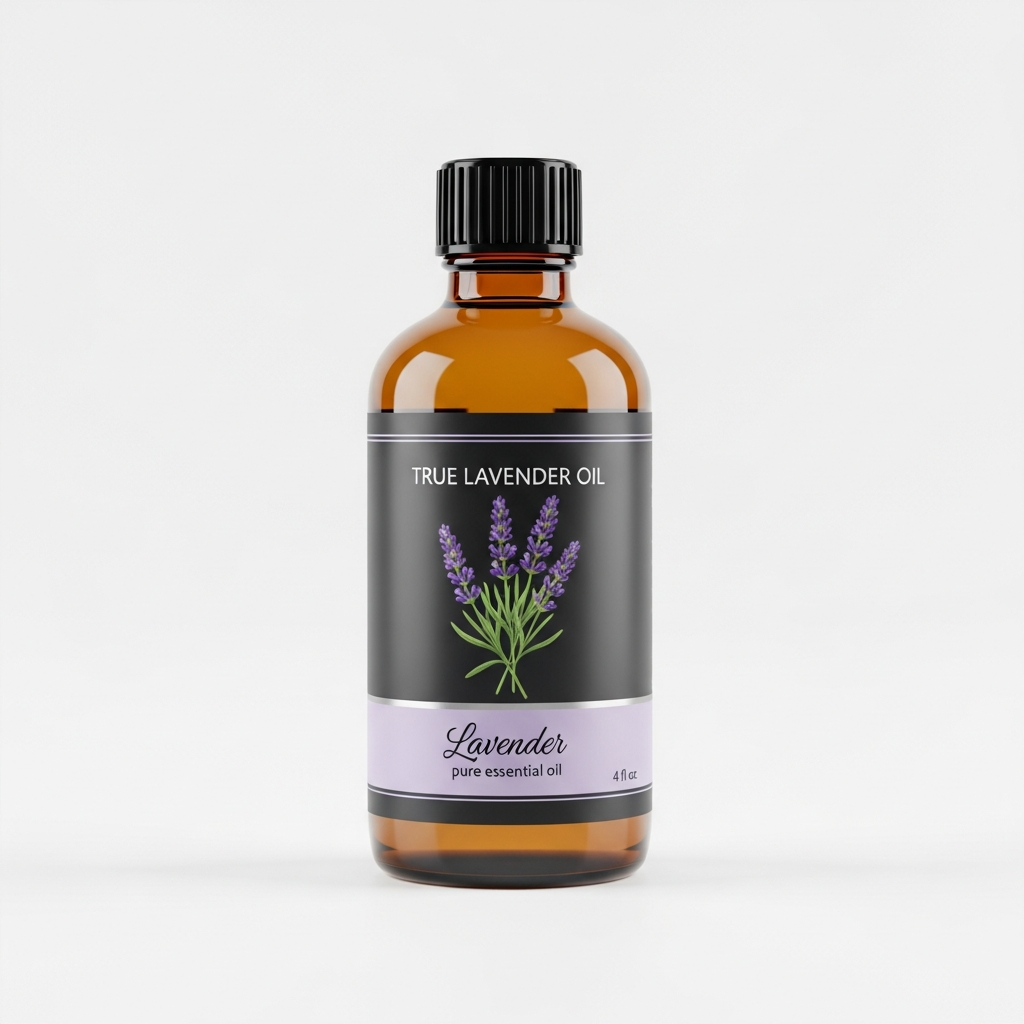
Lavender Essential Oil
Our own Lavender Essential Oil, in sizes from 0.5 oz to bulk.
From $10.99
Shop Now →A home-based soap studio in the Pacific Northwest, run by a maker who has been pouring cold process batches for about six years, agreed to share her working notes from a recent run built specifically to track true lavender oil cold process soap from pour to full cure. What follows is a walkthrough of her batch notes, her method, and what she observed. None of this is a controlled laboratory study. It is one studio's documented experience, offered here as an educational look at how true lavender essential oil behaves in a cold process bar over time.
The Problem: An Old Complaint With No Clean Answer
The maker's original motivation was a recurring note from customers: bars that smelled strongly of lavender fresh out of the mold seemed to lose most of that scent by the time they reached a shopper's hands weeks later. She had heard the usual explanations tossed around online, that lavender's chemistry does not hold up well against the alkalinity of raw soap batter, that curing time simply airs the fragrance off, or that cheaper cuts of lavender oil were to blame in the first place.
Rather than accept any one explanation, she decided to run a documented batch series using a single source of true lavender oil (Lavandula angustifolia) across several formulation variables, and to log her observations at set intervals through a standard four to six week cure. Her goal was not to prove a theory. It was to build a personal reference she could return to before every future lavender batch, and to have real batch notes instead of guesswork.
The Approach: Building a Comparable Batch Series
She kept her base recipe constant across all batches so that scent behavior, not soap chemistry, would be the variable she was watching. The base was a fairly standard cold process formula: olive, coconut, and sustainable palm oils with a modest superfat, water discounted slightly to speed trace, and no titanium dioxide or other additives that might interact with the fragrance compounds.
From that single base, she poured four small batches, changing only how and when the true lavender oil was incorporated:
- Batch A: lavender oil added at light trace, standard fragrance load
- Batch B: lavender oil added at light trace, fragrance load increased by roughly 30 percent
- Batch C: lavender oil added at very thick trace, standard fragrance load, to see whether shorter exposure to raw batter changed anything
- Batch D: lavender oil blended with a small percentage of a heavier base note oil, on the theory that a slower-evaporating companion scent might anchor the lavender longer
Each batch was poured into individually labeled molds, cut at 24 hours, and stored on the same curing rack in the same room to keep humidity and airflow consistent. She logged scent strength using a simple 1 to 5 scale of her own devising (not a validated instrument, just a personal shorthand), noted at the same time of day, by the same nose, at day 1, day 7, day 14, day 21, day 28, and day 42.
Batch Notes: What the Log Actually Recorded
Below is a condensed version of her lavender essential oil soap batch notes. The numbers are her personal scent-strength ratings, not a laboratory measurement, and she is the first to say that smell is subjective and her own nose likely fatigued over repeated sniffing sessions.
| Day | Batch A (standard) | Batch B (high load) | Batch C (thick trace) | Batch D (with base note) |
|---|---|---|---|---|
| 1 | 5 | 5 | 5 | 4 |
| 7 | 4 | 5 | 4 | 4 |
| 14 | 3 | 4 | 3 | 4 |
| 21 | 3 | 4 | 3 | 3 |
| 28 | 2 | 3 | 2 | 3 |
| 42 | 2 | 3 | 2 | 3 |
A few things stood out to her right away. First, none of the four batches held their day-1 scent strength all the way through a full cure. Some drop-off appeared to be part of the normal cold process journey for this oil, not a sign that anything had gone wrong with the batch. Second, the batch with the increased fragrance load (Batch B) did retain a noticeably stronger scent at day 42 than the standard load, which is intuitive but still useful to have confirmed in her own notes rather than assumed from a forum comment.
Third, and this was the one that surprised her most, the thick-trace batch (Batch C) did not hold scent any better than the light-trace batch (Batch A), despite spending less total time exposed to raw, high-pH batter before gelling. She had expected a shorter mix time to preserve more of the lighter top-note compounds. Her notes did not support that theory in this run.
Observations on Lavender Scent Retention Through Curing
Watching a single fragrance across a full cure gave her a more textured picture than a single sniff test ever could. Lavender scent retention in soap curing, based on what she logged, seemed to move in a fairly consistent arc across her batches: a strong, almost sharp top-note presence in the first week, a gradual mellowing through weeks two and three, and then a leveling off somewhere around week four where the remaining scent held fairly steady through week six.
She noted that the scent she could detect at day 42 was not simply a quieter version of the day-1 scent. It read, to her nose, as rounder and slightly sweeter, with less of the sharp herbal top note and more of what she described as a soft floral base. She suspects, though this is an educated guess rather than a tested fact, that the lighter, more volatile compounds in true lavender oil evaporate somewhat faster during a cold process cure than the heavier, longer-lasting compounds, which would explain both the fade and the shift in character.
"I used to think a lavender bar that smelled quieter at six weeks meant I'd underdosed it. Now I think some of that is just what curing does to this particular oil. It's not disappearing so much as settling into something different."
Batch D, the one blended with a heavier base note oil, is the one she plans to explore further. Anecdotally, in this single run, pairing true lavender oil with something slower to evaporate appeared to help the overall scent read as more present at day 42, even though the lavender note itself may have faded at roughly the same rate underneath it. She is careful to frame that as an early, single-batch observation rather than a conclusion, and she is planning a repeat run before she would recommend the approach to other makers with any confidence.
Does Lavender Scent Fade in Cold Process Soap? What the Notes Suggest
Based on this one studio's documented batches, the honest answer sits in the middle of the two extremes soap forums tend to argue. Lavender does not appear to vanish from a cold process bar, but some softening of scent strength through a standard cure does seem to be a normal part of how this oil behaves in a high-pH, saponifying environment, not necessarily a sign of a poor-quality oil or a mistake in the batch.
A few formulation choices seemed, in this limited sample, to make a measurable difference in how much scent remained by the end of curing:
- Fragrance load mattered more than trace timing in this series. The higher-load batch held scent better than the thick-trace batch.
- Blending with a heavier, slower-evaporating companion oil may help the finished bar read as more fragrant at full cure, even if the lavender note itself follows a similar fade curve underneath.
- A full four to six week cure seemed necessary before scent strength really stabilized. Judging a lavender batch at day 7 or day 14 gave a misleading read on where it would land by day 42.
Key Learnings for Anyone Documenting Their Own Batches
The most useful outcome of this project, according to the maker, was not any single data point but the habit itself. Keeping lavender essential oil soap batch notes across a full cure gave her a reference she could compare future batches against, rather than relying on memory or a single day-1 sniff test that tells you almost nothing about how a bar will smell a month later.
Her practical takeaways, offered as one maker's working notes rather than settled rules:
- Log scent strength at more than one point in the cure. A single check at unmolding is not representative of the finished bar.
- Keep the base recipe identical across test batches so any differences you observe can be attributed to the fragrance variable, not the soap chemistry underneath it.
- Note fragrance load precisely, in percentage of oil weight, not by eye. Small differences compounded over a full cure in her logs.
- Consider that trace timing may matter less than assumed. Her own notes did not support the idea that a quicker mix preserves more scent.
- Treat a single batch series as a starting point, not a final answer. She is repeating this series with a second source of true lavender oil before drawing firmer conclusions for her own recipe book.
She also flagged a caution worth repeating for anyone experimenting with fragrance load: pushing essential oil percentages higher to chase scent retention can affect trace speed, and in some formulations, skin feel of the finished bar. Any maker adjusting fragrance load meaningfully above their usual recipe should test a small batch first and research safe usage percentages for essential oils in leave-on and rinse-off applications before scaling up.
Closing Notes From the Studio
This kind of batch-by-batch documentation will not settle every debate about lavender in cold process soap, and it was never meant to. What it offers is a grounded, first-hand account of how one true lavender oil, from one source, behaved across a full cure in one studio's hands. For makers wrestling with the same fading-scent question, the takeaway is less about a fixed formula and more about the value of watching, logging, and comparing your own batches over time rather than relying on a single impression at unmolding.
If there is one habit worth borrowing from this studio's notes, it is the six-week check-in. A lavender bar's story is not finished the day it comes out of the mold. Give it the full cure before deciding what you think of it.