What Is Lavender Oil? A Complete Beginner's Guide
If you've ever walked past a lavender field in bloom, you already know part of the answer: lavender oil is what happens when you capture that scent and hold onto it. But there's a lot more to the story, and if you're new to essential oils, the terminology alone can feel like a small maze. Latin names, distillation methods, "true" versus hybrid lavender, dilution ratios. This guide walks through all of it in plain language, so by the end you'll understand exactly what lavender oil is, where it comes from, and how people typically bring it into their daily routines.
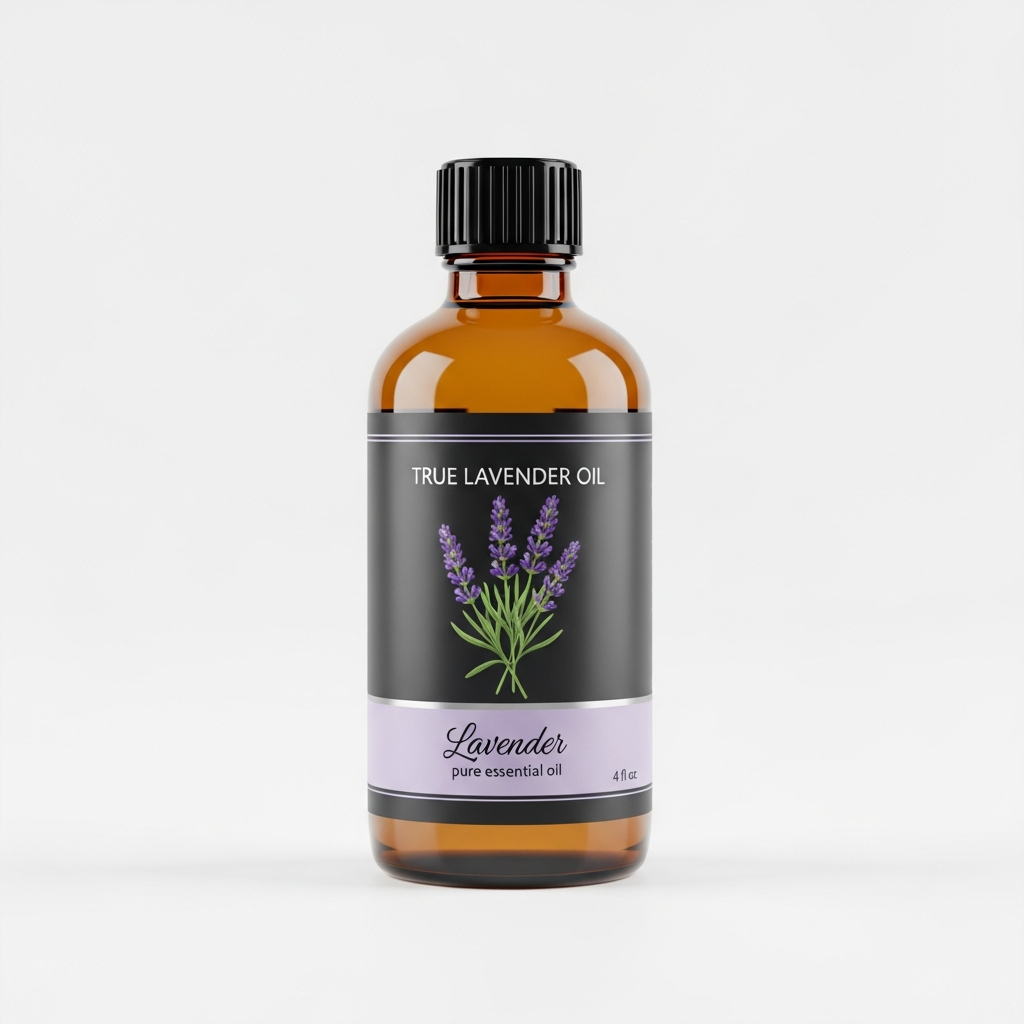
Lavender Essential Oil
Our own Lavender Essential Oil, in sizes from 0.5 oz to bulk.
From $10.99
Shop Now →Table of Contents
- What Is Lavender Oil, Exactly?
- How Lavender Essential Oil Is Made
- What Makes "True Lavender" Different
- How People Typically Use Lavender Oil
- How to Use Lavender Oil Safely at Home
- What to Look for When Buying Lavender Oil
- Common Questions About Lavender Oil
Key Takeaways
- Lavender oil is a concentrated aromatic extract distilled from the flowering tops of the lavender plant, most often Lavandula angustifolia.
- "True lavender" refers specifically to Lavandula angustifolia, which has a different chemical profile than hybrid lavandin oils sold at lower prices.
- Steam distillation is the traditional and most common production method, and it directly affects the oil's quality and scent.
- Lavender oil is popular for its scent and its place in calming bedtime and self-care routines, though claims about it should always be read with a critical eye.
- Always dilute before skin contact, patch test first, and talk with a qualified healthcare provider before using essential oils if you're pregnant, nursing, or managing a health condition.
What Is Lavender Oil, Exactly?
At its core, lavender oil is a concentrated liquid extracted from the flowers (and sometimes the surrounding stem material) of the lavender plant. It belongs to a category called essential oils: aromatic compounds pulled out of plant material through distillation or, less commonly, cold pressing. Because it's so concentrated, a small amount of lavender oil carries the scent of a much larger quantity of fresh flowers.
When people ask "what is lavender oil" for the first time, they're often picturing something closer to lavender-scented lotion or a candle. But pure lavender essential oil is different: it's the raw aromatic extract itself, unblended and undiluted, meant to be combined with a carrier or used in a diffuser rather than applied straight to skin. Everything else, from soaps to candles to room sprays, is typically made by adding a small percentage of this oil to a base product.
The genus name is Lavandula, part of the mint family, and there are more than 30 recognized species. Only a handful are grown commercially for oil production, and the differences between them matter more than most beginners expect.
How Lavender Essential Oil Is Made
Nearly all high-quality lavender oil is produced through steam distillation. Here's the general process:
- Harvest. Lavender is cut at peak bloom, usually in mid to late summer, when the aromatic compounds in the flowers are at their highest concentration.
- Loading the still. The freshly cut flowering stems go into a distillation chamber, either loosely packed or bundled, depending on the farm's equipment.
- Steaming. Steam passes through the plant material, and the heat causes the tiny oil-bearing structures on the flowers to release their aromatic compounds.
- Condensing. The steam, now carrying vaporized oil, travels through a cooling coil and condenses back into liquid.
- Separation. Because oil and water don't mix, the essential oil naturally floats to the top of the collected liquid and is skimmed off. The water left behind is lavender hydrosol, a gentler byproduct with its own uses.
The whole process usually takes one to two hours per batch, though timing varies by distiller and altitude. Rushing distillation, or over-loading a still to save time, tends to produce oil with a harsher, less rounded scent. This is one reason why small-batch, farm-direct lavender oil often smells noticeably different from mass-produced versions.
What Makes "True Lavender" Different
This is where a lot of lavender oil explained articles skip an important detail, so it's worth slowing down here. Not all lavender oil comes from the same plant.
Lavandula angustifolia (True Lavender)
This is the species most people mean when they say "lavender oil." It grows at higher altitudes, produces a smaller yield per plant, and has a chemical profile rich in linalool and linalyl acetate, the two compounds largely responsible for lavender's soft, floral-herbaceous scent. Oil from angustifolia tends to smell sweeter and rounder, with less of a sharp, camphorous edge.
Lavandin (Lavandula x intermedia)
Lavandin is a hybrid cross between true lavender and spike lavender. It grows faster, yields far more oil per acre, and costs a fraction of the price. But it also contains more camphor, giving it a sharper, more medicinal-smelling profile that many people find less pleasant for personal care or diffusing. A lot of the lavender oil sold in bulk bins and inexpensive candles is actually lavandin, sometimes labeled simply as "lavender" without clarifying the species.
Spike Lavender (Lavandula latifolia)
Less common in everyday products, spike lavender has an even higher camphor content and a noticeably different scent profile, closer to rosemary or eucalyptus than to classic lavender.
Reading the Latin name on a label, not just the word "lavender," is the single most useful habit for understanding what you're actually buying.
How People Typically Use Lavender Oil
Lavender oil has a long history in home routines, largely because of its scent and its association with calm, unhurried moments. People commonly bring it into their day through:
- Bedtime wind-down routines. A few drops in a diffuser during the last hour before bed is one of the most popular uses, often paired with dimming lights and putting devices away.
- Bath rituals. Diluted lavender oil added to a warm bath (mixed into a carrier oil or bath salts first, never poured directly into water) is a common way to build a slow-down-and-unwind evening.
- Linen and pillow sprays. A light, well-diluted mist on bedding is a favorite for creating a calming bedroom atmosphere.
- Personal fragrance blends. Some people mix lavender into homemade rollerballs alongside other diluted essential oils for an everyday scent.
- Everyday atmosphere. Diffusing lavender in a home office or living space is popular simply for the ambiance it creates.
It's worth being direct about something here: some research suggests certain compounds in lavender oil may support a sense of calm when inhaled, and anecdotal evidence from long-time users points in the same direction. But this is an evolving area of study, the findings are not settled, and lavender oil is not a substitute for guidance from a qualified healthcare provider. Reading a label or a blog post is never a replacement for that conversation, especially if you're managing an ongoing health matter.
How to Use Lavender Oil Safely at Home
Because essential oils are so concentrated, a few ground rules go a long way toward using lavender oil comfortably and responsibly.
Always Dilute Before Skin Contact
Pure lavender oil should never be applied directly to skin without dilution. A common starting ratio for adults is about 1 percent, roughly 5 to 6 drops of essential oil per ounce of carrier oil (such as jojoba, sweet almond, or fractionated coconut oil). Lower concentrations are appropriate for sensitive skin, and children require even more caution and, ideally, guidance from a pediatrician before any topical use.
Patch Test First
Before using a new diluted blend on a larger area of skin, apply a small amount to your inner forearm and wait 24 to 48 hours. Watch for redness, itching, or irritation. If anything unusual shows up, stop use and rinse the area with a carrier oil (not water, which can spread the oil) followed by mild soap.
Ventilate When Diffusing
Diffuse in a well-ventilated room rather than a small, closed space, and give pets an easy way to leave the room if they choose to. Some animals are more sensitive to concentrated aromatics than people are.
Know When to Check With a Professional First
People who are pregnant or nursing, managing a chronic health condition, or caring for young children should talk with a qualified healthcare provider before adding essential oils to a routine. This is also true for anyone currently taking prescribed medication, since it's worth confirming there's no interaction to worry about. Essential oils are not a substitute for professional medical guidance, and lavender oil should never replace care recommended by a doctor.
What to Look for When Buying Lavender Oil
Once you understand how lavender oil is made and how species affects scent, shopping for it gets a lot easier. A few things to check before buying:
| What to Check | Why It Matters |
|---|---|
| Latin name on the label | Confirms whether you're getting true lavender (Lavandula angustifolia) or a lavandin blend |
| Growing region | High-altitude regions with cooler nights are traditionally associated with a fuller, sweeter true lavender scent |
| Extraction method | Steam distillation is standard for lavender; be wary of vague terms like "lavender fragrance oil," which usually means synthetic |
| Batch testing (GC/MS) | Reputable producers test each batch for purity and share results on request |
| Packaging | Dark amber or cobalt glass protects the oil from light degradation; plastic bottles are a red flag for quality-focused buyers |
| Price relative to yield | True lavender's low yield per acre means genuinely pure angustifolia oil is rarely the cheapest option on a shelf |
If a bottle simply says "lavender oil" with no species listed, no sourcing information, and a price that seems too good to be true, it's worth asking the seller directly for a batch test or grower information before buying.
Common Questions About Lavender Oil
Is lavender oil the same as lavender fragrance oil?
No. Fragrance oils are typically synthetic or heavily diluted with synthetic components, designed to mimic a scent rather than extracted from the actual plant. Essential oil comes directly from plant material through distillation.
Can I put lavender oil directly on my skin?
Undiluted application isn't recommended. Even oils generally considered gentle should be mixed with a carrier oil first, and a patch test is always a good idea before broader use.
How long does lavender oil last?
Stored in a cool, dark place in its original amber glass bottle, lavender oil typically stays usable for two to three years. Exposure to light, heat, and air will shorten that window, so keeping the cap tightly sealed between uses helps.
Why does my lavender oil smell different from a bottle I bought before?
Scent can vary by harvest year, growing region, and species. If a new bottle smells sharper or more medicinal than one you remember, it may be lavandin rather than true Lavandula angustifolia, or simply a different harvest with naturally occurring variation.
Is lavender oil safe around pets?
Diffusing in a ventilated space where a pet can move away freely is generally considered a lower-risk approach, but cats in particular can be sensitive to many essential oils. Check with a veterinarian before using lavender oil around any animal in your home.
Understanding what lavender oil is, and where it actually comes from, makes it much easier to shop with confidence and use it thoughtfully at home. The short version: look for Lavandula angustifolia on the label, favor steam-distilled oil from a transparent source, dilute before it touches your skin, and treat any wellness claims you read online, including this one, with a healthy dose of curiosity rather than certainty.