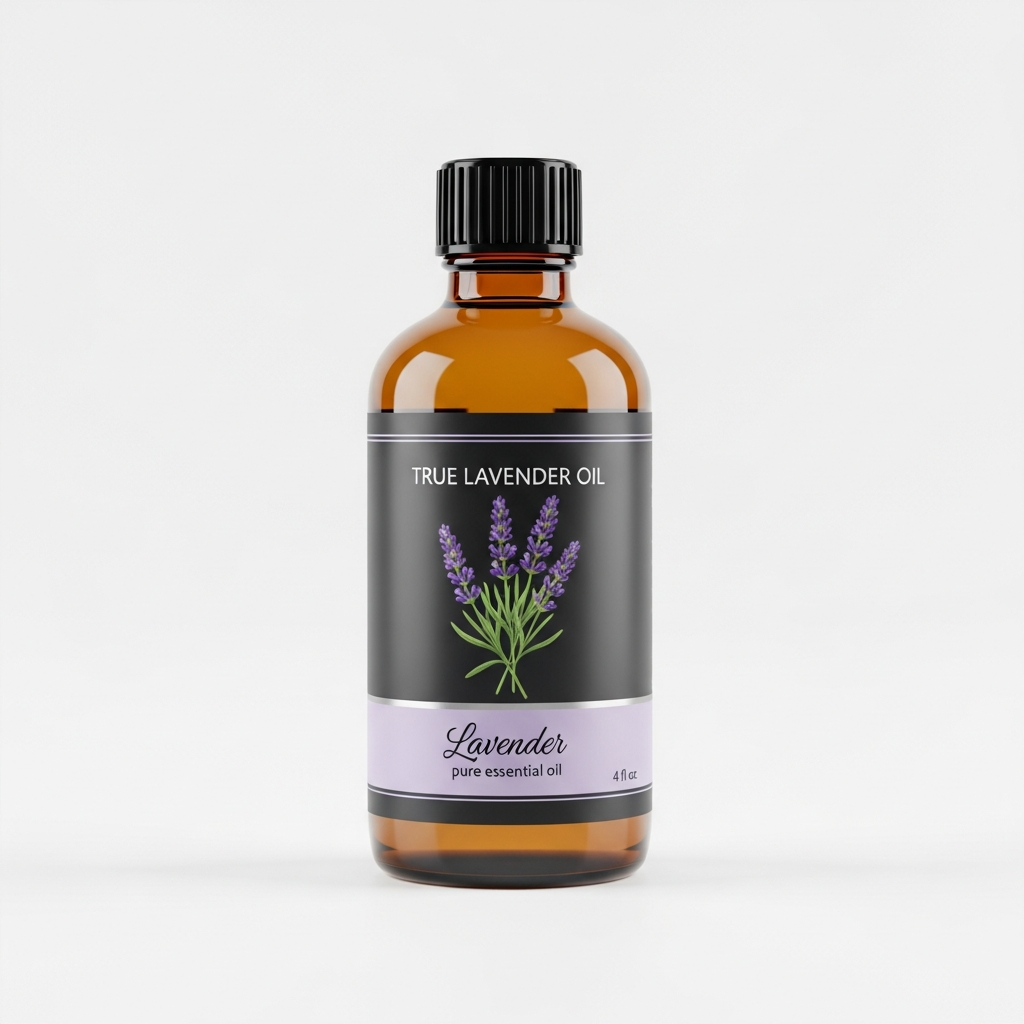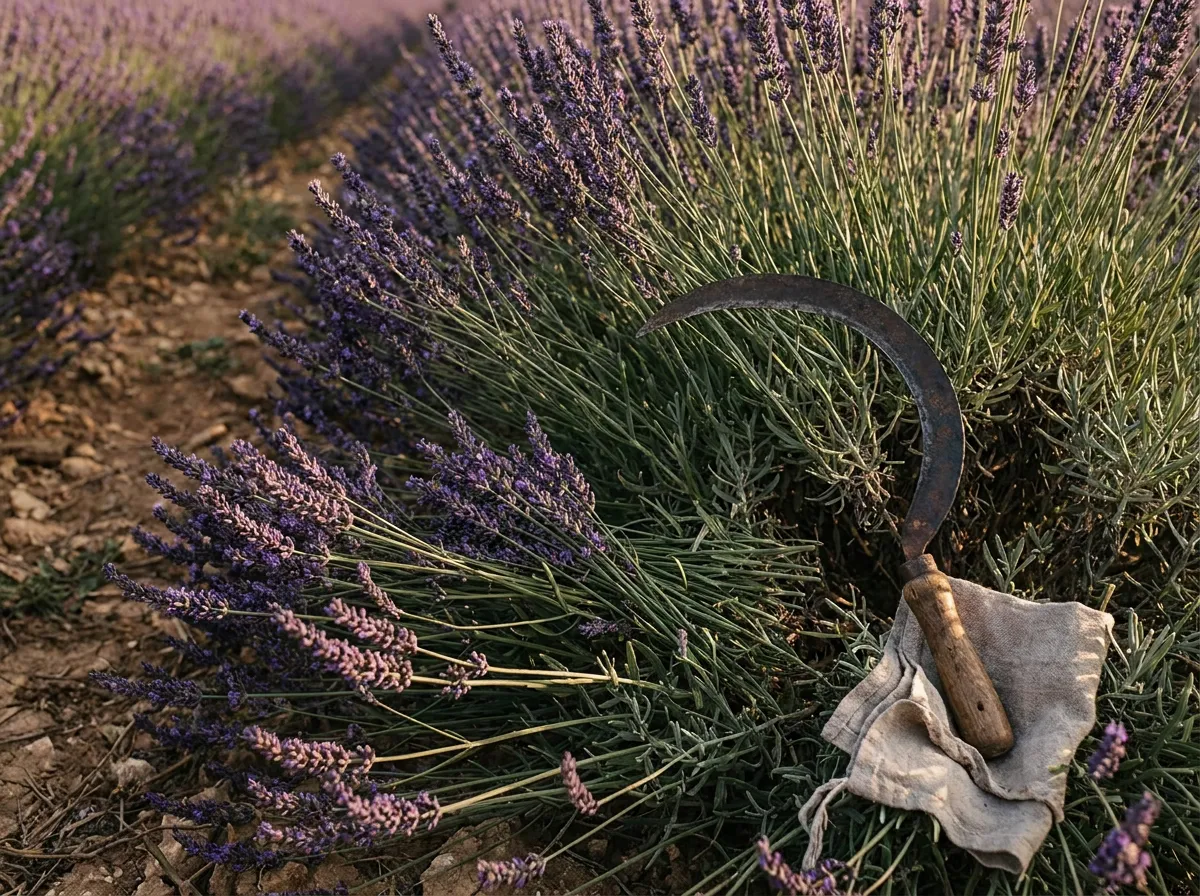
The species on the label is the whole argument. We distil Lavandula angustifolia grown at altitude, and we have never put a lavandin hybrid in a bottle.
It takes a startling volume of fresh blossom to fill one small bottle, which is the plain reason genuine lavender is not cheap and doctored lavender is everywhere.
Ours is Bulgarian. The country is now one of the largest producers of true lavender anywhere, and its fields sit high enough for the cool nights to do exactly the work described above.
Height matters. Grown high and cool, angustifolia builds the esters that give true lavender its soft, rounded sweetness instead of the flat camphor note of hot-country hybrid crops.
Cutting happens in a narrow window when the spikes are open but not yet spent. A few days early and the oil is green and thin; a few days late and the sweetness has already gone over.
A great deal of what sells as lavender oil is lavandin, and the two are not the same plant.
Lavandin is a robust hybrid that yields several times more oil per hectare. It smells louder and sharper, carries more camphor, and costs a fraction as much to produce. It is a perfectly decent material honestly labelled, and it is very often not honestly labelled.
We only work with Lavandula angustifolia, the true lavender, from growers who plant it at altitude where cool nights slow the plant and concentrate the aroma. Fewer bottles per field, and a scent that does not need explaining.
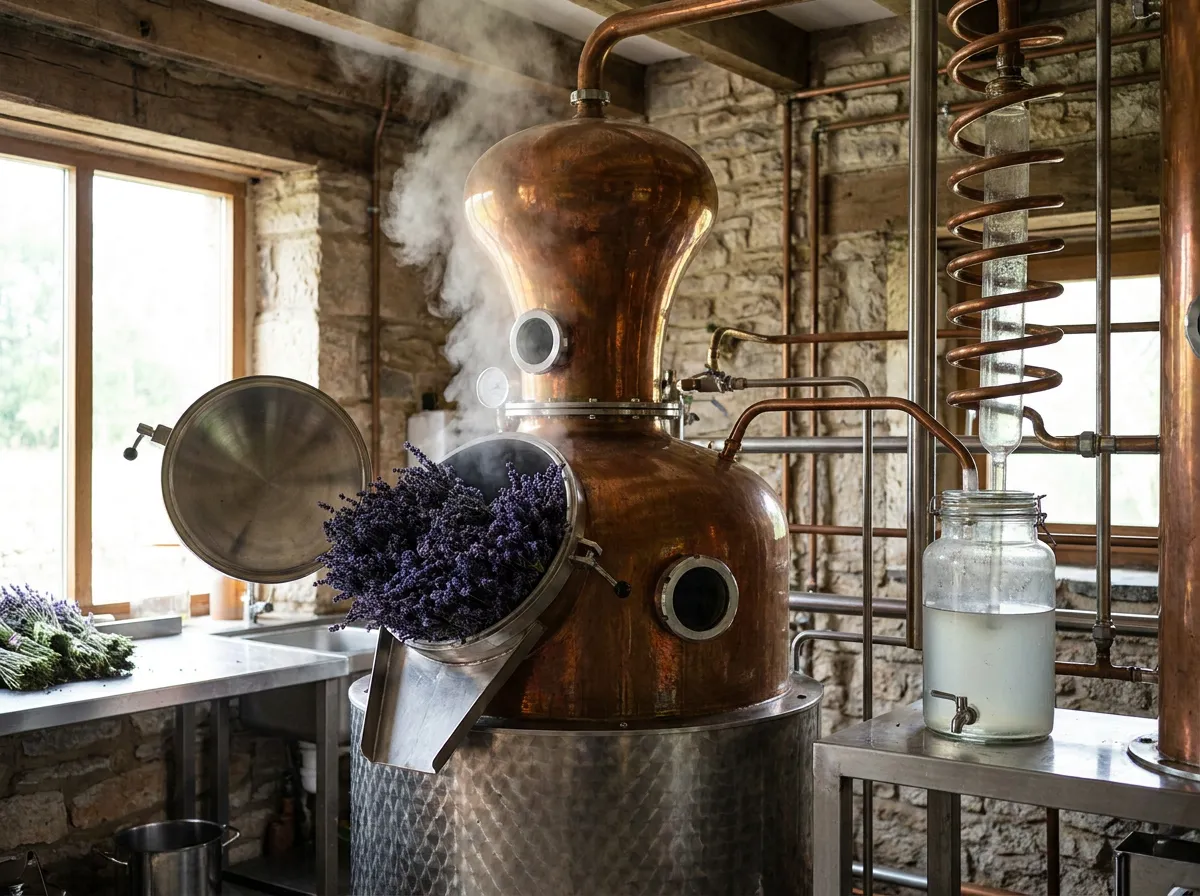
We run our own distillation rather than buying drums from a broker, which means the species going into the charge is the species we chose.
Freshly cut spikes are loaded and steam is drawn through them; the aromatics ride the vapour, condense, and separate out as oil. Lavender rewards a gentle, unhurried run, and punishes a forced one with a harsh edge you cannot remove later.
There is no clock on it. We take the run to completion instead of pulling it early to lift the yield figure.
Six standing rules behind every bottle of this lavender.
Angustifolia and nothing else. No lavandin, no hybrids, whatever the harvest costs.
Bulk purchase direct from certified organic lavender farms, not from the spot market.
Distilled by us, from cut spike to sealed bottle.
Independent analysis confirming angustifolia identity, batch after batch.
Nothing extended, nothing topped up, nothing carried.
From a trial bottle to bulk volume, drawn from the same lots.
The label shows when it was stilled, when it was bottled, and which lot it belongs to.
An independent laboratory with no interest in the answer analyses every batch, and species identity is the first thing it confirms.
The two esters that define true lavender. Their balance is what separates angustifolia from a hybrid.
Lavandin runs noticeably higher. A camphor reading above the angustifolia range is the clearest sign of a hybrid in the tank.
Screens for added synthetic linalyl acetate, a common and cheap way to make hybrid oil imitate the real thing.
Give us the lot reference and the analysis comes straight back to you, or write via the contact page.
We do not make medical claims about this oil. Lavender has a long traditional record and a real research literature, and we would rather point you at both than tell you what it will do for you.
Take it down in a carrier before skin use, and try a small patch before anything larger. Genuine lavender is well tolerated by most people, but well tolerated is not the same as harmless, and it is still a concentrated plant extract.
When a season is poor we run out rather than reach for a hybrid. An empty shelf is honest; a lavandin bottle labelled lavender is not.
Lavandula angustifolia grown at altitude, cut in its narrow window, distilled in our own still and confirmed by an outside laboratory.
Smell it next to a supermarket bottle.
Shop True Lavender Oil