Lavender Oil in Natural Cleaning: Sprays, Scrubs, and Floor Wash
There is something quietly satisfying about cleaning your home with ingredients you actually recognize. Lavender essential oil has a long history of use in household cleaning, and for good reason: it smells extraordinary, it blends beautifully with other natural ingredients, and it leaves behind a calm, fresh atmosphere that synthetic cleaners rarely match.
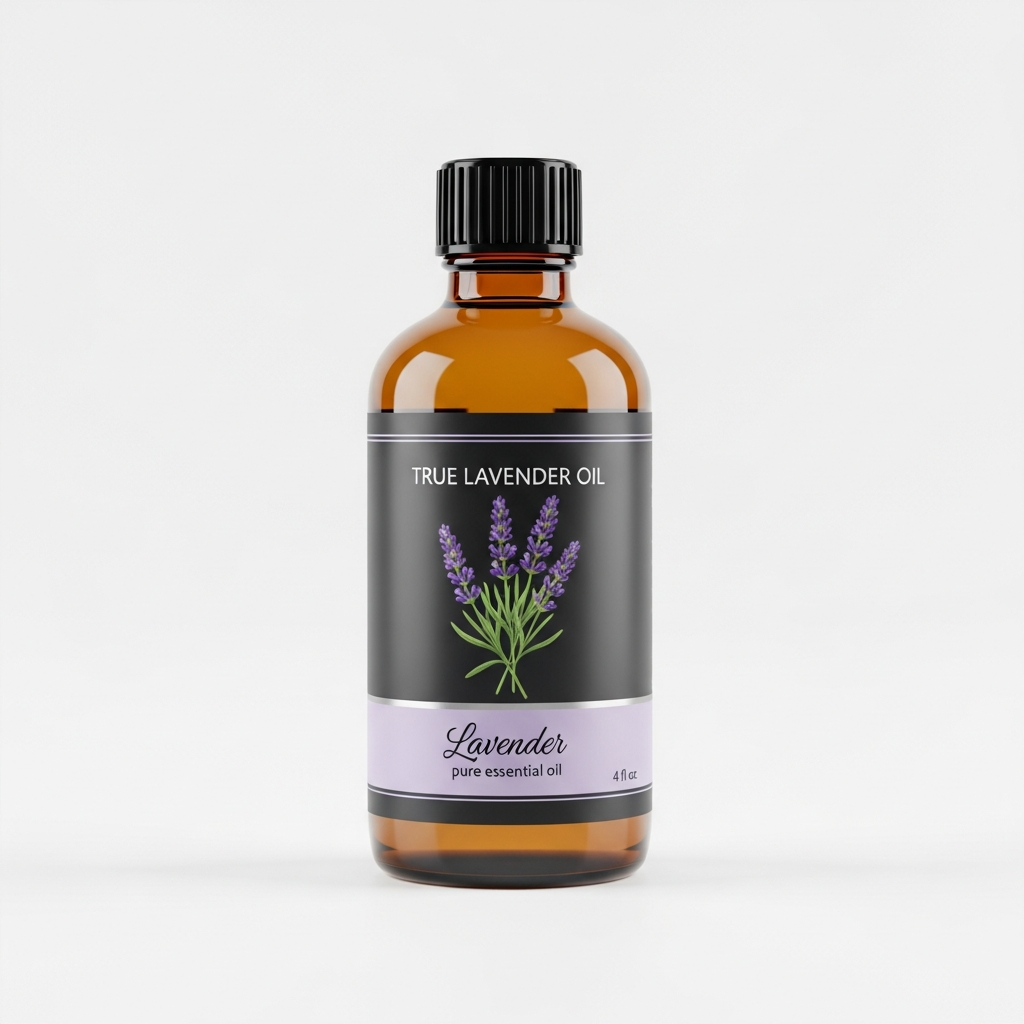
Lavender Essential Oil
Our own Lavender Essential Oil, in sizes from 0.5 oz to bulk.
From $10.99
Shop Now →This guide walks through three practical recipes for cleaning with lavender oil: an all-purpose spray, a gentle scrub, and a floor wash. Each one uses straightforward ingredients you can find at most grocery or natural food stores. We have also included tips on sourcing quality oil, because the lavender you use matters more than you might expect.
Why Lavender Oil Belongs in Your Cleaning Routine
Not all lavender essential oils are the same. True Lavandula angustifolia (sometimes called fine lavender or true lavender) is the variety with the most nuanced, floral-herbaceous scent profile. Lavandin hybrids and cheaper blends are often sold under the same label, so it pays to read the Latin name on the bottle before you buy.
For cleaning purposes, you want an oil with a high linalool and linalyl acetate content. These are the principal aromatic compounds in genuine Lavandula angustifolia, and they are what give the oil its characteristic depth. When you add a high-quality oil to a cleaning formula, the scent lingers pleasantly rather than fading into something sharp or camphorous.
If you are curious about sourcing and blending lavender oils more broadly, our DIY and blending hub is a thorough starting point. It covers oil grades, dilution principles, and how to evaluate what you are buying.
Before You Begin: Safety Notes
- Essential oils are highly concentrated. Always use the dilution ratios in these recipes. Do not add extra oil on the assumption that more is better.
- Patch-test any scrub on an inconspicuous surface before applying to finished wood, natural stone, or delicate tile.
- Keep finished products away from children and pets. Store in labeled, sealed containers out of reach.
- Avoid contact with eyes. If a spray mist reaches your eyes, rinse thoroughly with cool water.
- Pregnancy and sensitivities: Some individuals prefer to avoid concentrated essential oils during pregnancy or when managing certain sensitivities. Consult a qualified healthcare provider if you have questions.
- Glass containers are preferred for any product containing essential oils. Some oils can degrade plastic over time, especially at higher concentrations.
Recipe 1: All-Purpose Lavender Cleaning Spray
This is the recipe most people reach for first. It works on countertops, cabinet fronts, appliance exteriors, bathroom surfaces, and general household grime. The white vinegar does the heavy lifting as a grease-cutter and deodorizer, while the lavender oil adds scent and rounds out the formula.
What You Will Need
- 1 cup distilled white vinegar (5% acidity)
- 1 cup distilled water
- 20 drops true Lavandula angustifolia essential oil
- 10 drops lemon essential oil (optional, for added brightness)
- One 16-ounce glass spray bottle with a fine-mist nozzle
- A small funnel
Steps
- Combine the liquids first. Pour the distilled water into your spray bottle using the funnel, followed by the white vinegar. Adding water first reduces the chance of splashing acidic liquid when you open the bottle later.
- Add the essential oils. Drop in the lavender oil (and lemon oil if using) directly into the bottle. The oils will float briefly on the surface.
- Cap and shake gently. Secure the spray nozzle and shake the bottle for about 15 seconds. This distributes the oils throughout the solution. Note that oil and water do not permanently emulsify without a surfactant, so you will need to shake before each use.
- Label the bottle. Write the contents and the date on a piece of masking tape. This spray keeps well for up to four weeks when stored away from direct sunlight.
- To use: Shake, spray onto the surface, wait 20 to 30 seconds, then wipe with a clean microfiber cloth.
Tips and Common Mistakes
- Do not use on natural stone. Vinegar is acidic and can etch marble, granite, and travertine over time. Use a plain water-and-oil spray (no vinegar) on those surfaces instead.
- Tap water can leave mineral deposits. Distilled water keeps the formula cleaner and extends shelf life.
- More oil does not mean cleaner surfaces. Stick to the 20-drop guideline. Excess oil can leave a faint residue on shiny surfaces.
- Expected results: Surfaces should look clean and smell fresh. The lavender scent may linger gently for 15 to 30 minutes after use, which many people find makes the whole cleaning experience more pleasant.
Recipe 2: Lavender and Baking Soda Scrub
Some surfaces need a little more friction. Sinks, tubs, stovetop grates, and grout lines respond well to a gentle abrasive paste. This scrub uses baking soda as the mild abrasive base and combines it with castile soap and lavender oil for a formula that smells far better than anything in a commercial canister.
What You Will Need
- 1 cup baking soda
- 1/4 cup liquid castile soap (unscented works best)
- 15 drops true Lavandula angustifolia essential oil
- 10 drops tea tree essential oil (optional)
- Water, a few teaspoons at a time, to adjust consistency
- A medium mixing bowl and a spoon
- A wide-mouth glass jar with a lid for storage
Steps
- Combine the baking soda and castile soap. Stir them together in the mixing bowl. The mixture will foam slightly at first. Continue stirring until it settles into a thick paste. If it looks too dry, add water a teaspoon at a time.
- Add the essential oils. Drop in the lavender oil and tea tree oil if using. Stir well to distribute.
- Check the consistency. You want something close to a thick yogurt: spreadable, but not runny. A paste that is too thin will slide off vertical surfaces like sink basins before it has time to work.
- Transfer to a jar. Spoon the scrub into your glass jar and seal. Label with the date. This formula keeps for about two weeks at room temperature.
- To use: Scoop a small amount onto a damp sponge or scrub brush. Apply to the surface in circular motions, then rinse thoroughly with warm water.
Tips and Common Mistakes
- Patch-test first. Apply a small amount to an out-of-sight corner of any delicate surface (colored grout, enamel finishes, acrylic tubs) and let it sit for two minutes before rinsing. Check for any discoloration.
- Do not let it dry on surfaces. Baking soda can leave a white powdery film if it dries before rinsing. Work in small sections and rinse as you go.
- The scrub may separate over time. If you see liquid pooling at the bottom of the jar, simply stir before use.
- Expected results: Light soap scum, water stains, and surface grime should lift with moderate scrubbing. For heavy buildup, a second application may be needed.
Recipe 3: Lavender Floor Wash
A lavender floor wash is one of the more underrated uses of this oil. The scent diffuses gently as the mop moves across the floor, and the whole room tends to smell clean and settled for hours afterward. This recipe works on sealed hardwood, laminate, tile, and vinyl. It is not suitable for waxed floors or unsealed wood.
What You Will Need
- 1 gallon warm water
- 1/4 cup white vinegar (for tile or vinyl) OR 1 tablespoon castile soap (for sealed hardwood or laminate)
- 10 to 15 drops true Lavandula angustifolia essential oil
- A clean mop bucket
- A microfiber mop or a well-wrung traditional mop
Steps
- Fill the bucket with warm water. Hot water is not necessary and can warp some floor types. Warm water is sufficient to activate the cleaning agents.
- Add your cleaning base. Use vinegar for tile and vinyl. Use a small amount of castile soap for sealed wood or laminate. Do not combine both in one formula: vinegar can interact with soap and reduce effectiveness.
- Add the lavender oil. Drop it directly into the bucket and stir with the mop handle or a long spoon. The oil will not fully dissolve, so stir again each time you dip the mop.
- Mop in sections. Work from the far corner of the room toward the door. Wring the mop thoroughly before each pass. Excess water on wood floors can cause warping over time.
- Allow to air-dry. Open a window if possible. The floor should be dry within 10 to 20 minutes depending on humidity and airflow.
Tips and Common Mistakes
- Use fewer drops, not more, on wood floors. Oil residue can make wood floors slippery. Ten drops per gallon is plenty.
- Change the water if it gets cloudy. Dirty mop water just moves grime around. Fresh solution gives better results.
- Expected results: Floors should look clean and lightly glossy (on tile) or naturally buffed (on wood). The lavender scent may linger in the room for an hour or more, making the space feel particularly welcoming after cleaning.
Choosing the Right Lavender Oil for Cleaning
Quality matters here, but not in the same way it would for a skincare formula. For cleaning sprays and floor washes, you do not necessarily need the most expensive single-origin oil. What you do need is genuine Lavandula angustifolia, not a lavandin hybrid or a fragrance oil labeled as lavender.
Fragrance oils are synthetic and are not suitable for these recipes. They can leave residue, and the scent behaves differently when diluted in water. Look for bottles that list the full Latin name, the country of origin, and the harvest year if possible. France, Bulgaria, and New Zealand are among the most respected growing regions for true lavender.
If you grow your own lavender and want to explore making products from your garden yield, our guide on growing lavender at home covers the journey from planting to finished product in a way that makes the whole process feel approachable.
Scaling These Recipes and Gifting Ideas
All three recipes scale up easily. If you want to make a larger batch of the all-purpose spray, simply keep the ratio of one part vinegar to one part water, and maintain 20 drops of essential oil per 16 ounces of total liquid.
These recipes also make genuinely thoughtful gifts. A set of matching glass bottles containing the cleaning spray and scrub, tied with a sprig of dried lavender, is the kind of present people actually use. Our collection of lavender blend recipes for homemade gifts has more ideas along these lines, including labels and presentation tips.
For seasonal variations, lavender cleaning sprays work especially well in summer when windows are open and the scent can move freely through the house. Our summer lavender ideas guide covers picnic sprays, sachets, and car fresheners that use similar formulas adapted for outdoor and travel use.
A Few Final Reminders
Natural cleaning recipes work best when you use them consistently and store them correctly. Light and heat degrade essential oils, so keep your bottles in a cupboard rather than on a sunny windowsill. Glass is always preferable to plastic for long-term storage.
These formulas are not substitutes for heavy-duty disinfection in situations where that is genuinely needed. For everyday household cleaning, maintaining a fresh-smelling home, and reducing your reliance on heavily synthetic products, they perform very well. The lavender oil is the part that makes the routine feel less like a chore.
Start with the all-purpose spray. It is the most versatile and the quickest to make. Once you have used it for a week and noticed how different cleaning smells when the scent is actually pleasant, the scrub and floor wash tend to follow naturally.