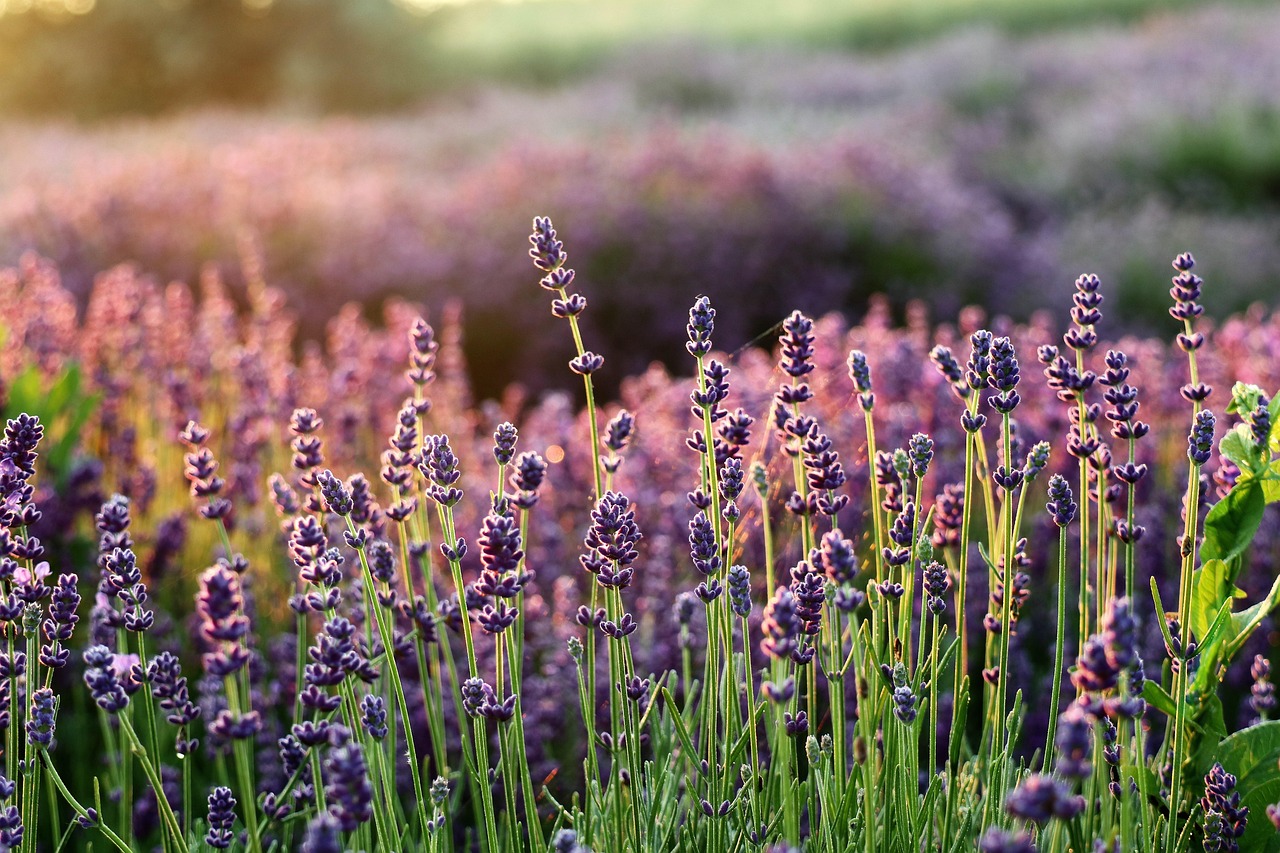
Lavender DIY and Blending Hub: The Complete Guide to Crafting with Lavender Oil
Key Takeaways
- True Lavandula angustifolia essential oil is the gold standard for lavender DIY projects. Verify your source before blending anything.
- Proper dilution is non-negotiable. For most adults, 1-2% dilution in a carrier oil is a safe starting point for skin-contact products.
- Lavender blends harmoniously with citrus, wood, floral, and herbal notes, making it one of the most versatile oils in any crafter's cabinet.
- Always patch-test finished products and keep essential oils away from children, pets, and the eyes.
- Lavender recipes span every room and routine: linen sprays, candles, soap, cleaning blends, bath salts, and more.
- Consult a qualified healthcare provider before using essential oils if you are pregnant, nursing, or managing a health condition.
Why Lavender Oil Belongs at the Center of Your DIY Practice
There is a reason lavender has been cultivated for more than 2,500 years. Long before the first craft blog existed, people were weaving dried lavender into household linens, pressing its oil into clay vessels, and tucking sachets between wool blankets to keep them fresh through winter. That enduring relationship tells you something important: lavender is genuinely useful, not simply fashionable.
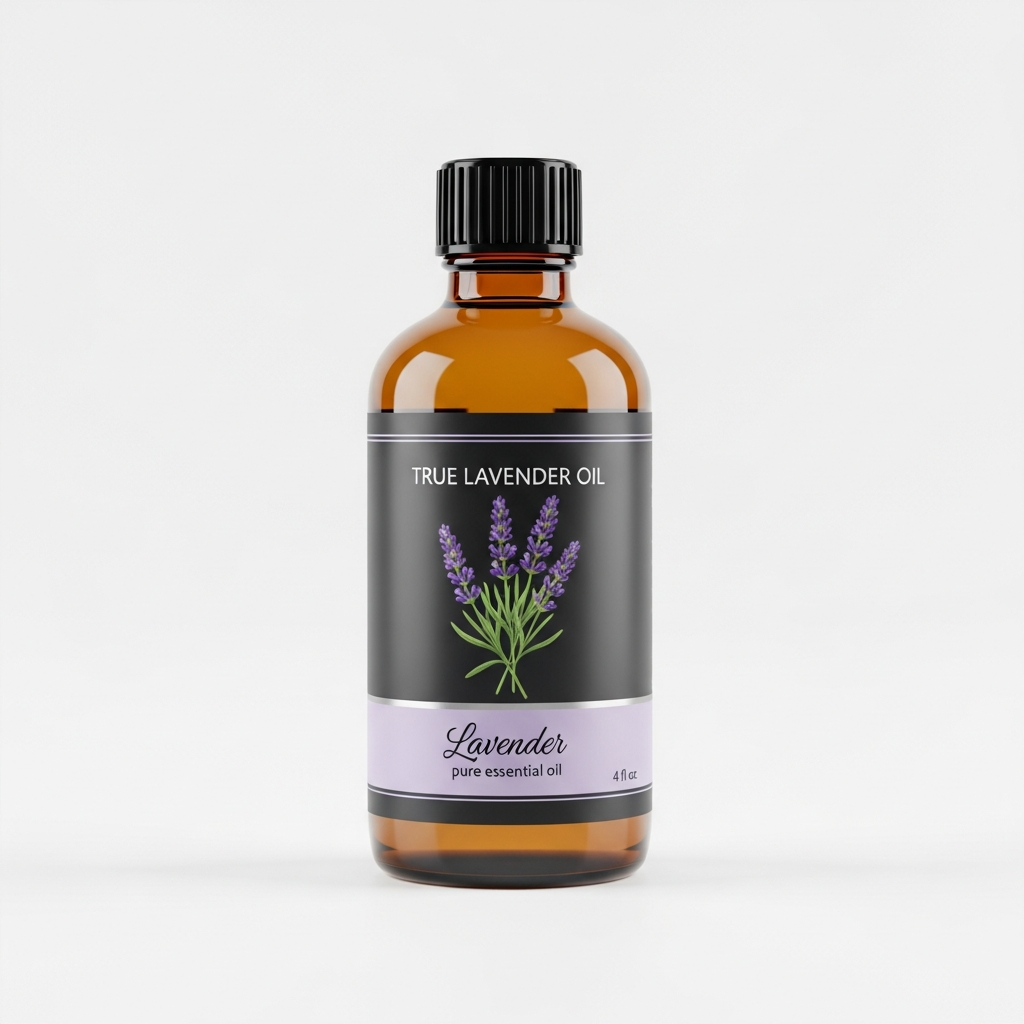
Lavender Essential Oil
Our own Lavender Essential Oil, in sizes from 0.5 oz to bulk.
From $10.99
Shop Now →For modern crafters, true lavender essential oil distilled from Lavandula angustifolia flowers sits at a rare crossroads of accessibility and quality. The scent profile is familiar enough to work in beginner recipes, yet complex enough to anchor sophisticated blends. The oil disperses evenly in carrier oils, waxes, and water-based formulas with minimal coaxing. And its gentle nature means that a wide range of people can enjoy it in properly diluted products.
This guide covers lavender DIY projects from the ground up: where to source quality oil, how blending actually works, and specific lavender recipes organized by category. Whether you are filling your first 4-ounce spray bottle or refining a signature candle blend, this hub is designed to be a resource you return to.
Sourcing True Lavender Oil: What to Look for Before You Buy
The single most common mistake in crafting with lavender oil is starting with a substandard ingredient. Not every bottle labeled "lavender" contains genuine Lavandula angustifolia essential oil. The market includes lavandin (Lavandula x intermedia), synthetic lavender fragrance, and heavily adulterated oils sold at prices that seem attractively low.
Reading the Label
A quality bottle will list the full Latin binomial (Lavandula angustifolia), the country of origin, and ideally the chemotype or harvest year. France, Bulgaria, and England are well-regarded growing regions, each producing oil with subtly different character. Bulgarian lavender tends toward a softer, rounder floral note. French lavender (particularly from high-altitude Haute-Provence farms) often carries a slightly herbaceous edge alongside the floral core.
GC/MS Testing
Gas chromatography/mass spectrometry testing breaks down an oil's chemical constituents and confirms authenticity. Reputable suppliers publish these reports, sometimes called batch reports or certificates of analysis, on their websites or provide them on request. For Lavandula angustifolia, look for linalool content typically between 25-45% and linalyl acetate between 25-46%. Numbers well outside those ranges may indicate adulteration or a different species.
Price as a Signal
True lavender oil is not cheap to produce. A kilogram of dried lavender flowers yields roughly 5-10 milliliters of oil by steam distillation. If you are paying less than a few dollars for a 10 ml bottle, ask questions. Price alone is never a guarantee of quality, but unusually low prices are a reliable warning sign.
Once you have genuine oil in hand, every project in this guide will perform better. Good raw materials are the foundation of every good lavender recipe.
Lavender Oil Blending Guide: Fundamentals Every Crafter Needs
Blending essential oils is part science, part intuition. The science part is learnable. Once you understand a few core concepts, you can create lavender oil blending combinations that feel intentional rather than accidental.
The Fragrance Pyramid: Top, Middle, and Base Notes
Every essential oil carries notes that evaporate at different rates. Top notes are the first impression: bright, quick to fade. Middle notes form the heart of a blend and last longer. Base notes are the deep, lingering foundation.
Lavender sits comfortably in the middle note category, with some floral top-note brightness that surfaces in the first few minutes. This makes it one of the easiest oils to blend because it connects naturally to both the opening and the lasting character of a formula.
| Note | Oils That Pair Well with Lavender | Blending Ratio Suggestion (Lavender : Partner) |
|---|---|---|
| Top | Bergamot, lemon, sweet orange, lime, grapefruit | 3:1 to 2:1 (lavender dominant) |
| Middle | Geranium, clary sage, rosemary, marjoram, chamomile | 1:1 to 2:1 depending on intensity |
| Base | Cedarwood, sandalwood, patchouli, frankincense, vetiver | 4:1 to 5:1 (lavender dominant, base used sparingly) |
Measuring by Drop Count vs. Weight
Hobbyist recipes typically measure in drops. This works fine for small batches. Once you scale up to products you plan to share or sell, weigh your oils on a jeweler's scale accurate to 0.01 grams. Drop sizes vary by bottle orifice, oil viscosity, and room temperature. Repeatability matters when you want consistent results batch after batch.
The Blending Journal
Keep records. Note every oil, every ratio, every carrier, and every date. Scent impressions change as a blend develops on a scent strip or diffuses into a room. What smells sharp and bright at the bottle can mellow beautifully after 24 hours. A journal turns happy accidents into repeatable formulas.
Blending for Different Formats
The same essential oil behaves differently depending on its carrier. In a soy wax candle, linalool and linalyl acetate (lavender's primary aromatic compounds) will partially burn off at high wick temperatures, so you generally add oil at a higher fragrance load than you would in a cold-process soap. In a water-based spray, you need an emulsifier or a high-proof alcohol base to keep the oil dispersed. In a carrier oil, your concern is simply dilution percentage. Each format has its own rules, and this guide covers them by category below.
For a deep dive into specific room-by-room combinations, see our 10 lavender oil blend pairing ideas for every room.
Lavender Recipes for the Home and Lifestyle
The simplest lavender DIY projects live in this category, and they are often the most used. Sprays, sachets, and cleaning blends require minimal equipment and deliver immediate results.
Linen and Room Spray
A linen spray is one of the most beginner-friendly lavender recipes available. The key to a well-dispersed spray is using either a high-proof alcohol base (such as 190-proof grain alcohol) or a polysorbate 20 emulsifier. Plain water will not hold essential oils in suspension for long, and you will get uneven distribution and a floating oil ring at the top of the bottle.
Simple Linen Spray Formula
- 2 oz (60 ml) distilled water
- 1 oz (30 ml) high-proof grain alcohol or vodka (at least 40% ABV)
- 30-40 drops Lavandula angustifolia essential oil
Combine alcohol and essential oil first. Shake or stir to blend. Add water, shake again, and pour into a fine-mist spray bottle. Shake before each use. Mist onto pillowcases, curtains, or into the air from a distance of about 12 inches.
Safety note: Do not spray directly onto pets or people without checking individual tolerances first. Mist into the air and allow it to settle rather than spraying directly onto faces or onto fabrics your pet sleeps on.
Lavender Sachet Blends
Sachets are as close to effortless as lavender DIY gets. Fill a small muslin or cotton bag with dried lavender flowers, then add 5-10 drops of lavender essential oil to boost the scent intensity and longevity. Refresh with additional drops every few weeks as the fragrance fades.
You can layer in dried herbs like rosemary or chamomile for a more complex aromatic profile. Cedarwood chips added to the mix may help deter moths in closets and drawers. Tuck sachets under pillows, in sock drawers, behind car sun visors, or into gym bags.
For summer-specific uses, from car sachets to picnic linen sprays, see our summer lavender ideas guide. And if you grow your own lavender, our piece on growing lavender at home from garden bed to homemade sachet walks you through harvesting and drying your own flowers for projects like these.
Natural Cleaning Sprays and Scrubs
Lavender's crisp, clean scent makes it a popular addition to home cleaning formulas. When combined with white vinegar or castile soap, lavender oil contributes a pleasant fragrance that makes routine cleaning feel less like a chore.
All-Purpose Cleaning Spray
- 1 cup (240 ml) distilled water
- 1 cup (240 ml) white vinegar
- 15 drops lavender essential oil
- 10 drops lemon essential oil
Combine in a spray bottle. Shake before each use. Use on countertops, sinks, and tile. Do not use vinegar-based sprays on natural stone surfaces, as the acidity can etch them over time.
For a more comprehensive look at lavender in home cleaning, including floor formulas and abrasive scrubs, visit our guide to lavender oil in natural cleaning sprays, scrubs, and floor care.
Bath and Body Crafting with Lavender Oil
Bath and body products sit closest to skin, so dilution discipline is most critical here. Lavender is one of the gentler essential oils, but "gentle" does not mean "without risk at any concentration." Always respect recommended dilution guidelines and patch-test every new formula.
Dilution Quick Reference
| Product Type | Recommended Dilution | Drops of EO per 1 oz (30 ml) Carrier |
|---|---|---|
| Face serum or facial oil | 0.5-1% | 3-6 drops |
| Body lotion or massage oil | 1-2% | 6-12 drops |
| Body scrub (rinse-off) | 1-2% | 6-12 drops |
| Bath salts (diluted in water) | 1-2% in carrier first, then salts | Mix EO with carrier before adding to salts |
| Products for children (6+) | 0.5-1% maximum | 3-6 drops per oz |
| Products for toddlers or babies | Not recommended without professional guidance | Consult a qualified healthcare provider |
Lavender Bath Salt Recipe
Bath salts are among the most forgiving lavender recipes to make because the essential oil disperses into a large volume of bath water, keeping skin exposure at safe levels.
Lavender and Chamomile Bath Salts
- 2 cups (500 g) Epsom salt
- 1/2 cup (125 g) fine sea salt
- 2 tablespoons fractionated coconut oil or sweet almond oil
- 25 drops lavender essential oil
- 10 drops Roman chamomile essential oil
- Dried lavender buds for visual appeal (optional)
Mix essential oils into the carrier oil first. Stir this mixture through the dry salts until evenly coated. Store in a sealed glass jar away from direct light. Use 1/4 to 1/2 cup per bath.
Safety note: Always mix essential oils into a carrier before adding to salts. Undiluted essential oil floating on bath water can cause skin irritation on sensitive areas. Avoid use during pregnancy without prior consultation with a qualified healthcare provider.
Lavender Body Scrub
A sugar scrub using lavender is a weekend project that takes under 15 minutes and fills several small jars for personal use or gifting.
Lavender Sugar Scrub
- 1 cup (200 g) white or raw cane sugar
- 1/2 cup (120 ml) sweet almond oil or jojoba oil
- 20 drops lavender essential oil
- 10 drops bergamot essential oil (note: use bergapten-free bergamot for skin use)
- 1 teaspoon vitamin E oil (acts as a natural preservative)
Combine all ingredients and stir thoroughly. Spoon into a wide-mouth glass jar. Use within 4-6 weeks. Because this is an anhydrous (water-free) formula, it does not require a preservative, but introduce it to wet hands over the sink rather than into the shower where water can enter the jar and encourage bacterial growth.
Lavender Soap Basics
Soapmaking deserves its own dedicated tutorial, and we have written one. But here are the essentials: lavender essential oil performs well in both melt-and-pour and cold-process soapmaking formats. In cold-process soap, lye-heavy formulas can sometimes accelerate trace when lavender is added, so have your mold ready before you blend. In melt-and-pour, add lavender oil once the base has cooled slightly (below 60°C / 140°F) to reduce volatilization.
For full step-by-step guidance on both methods, see our homemade lavender soap tutorial covering cold-process and melt-and-pour.
Candles, Wax Melts, and Botanical Crafts
Candle crafting is one of the most popular lavender DIY project categories, and for good reason. A well-made lavender candle fills a room with an even, sustained scent without the harshness of synthetic fragrance. Getting there requires understanding a few technical variables.
Fragrance Load and Hot Throw
Soy wax candles typically accept 6-10% fragrance load by weight. Essential oils are lighter than synthetic fragrance compounds, and some of lavender's most aromatic constituents volatilize quickly at high temperatures. A 6-8% load of true lavender oil in soy wax will give you a pleasant, authentic scent without overwhelming the space. Going higher does not always mean stronger throw; it can simply mean the excess oil pools at the wick or inhibits clean burning.
For a complete step-by-step soy wax process with wicking guides and pour temperatures, visit our DIY lavender candles soy wax tutorial.
Wax Melts
Wax melts are simpler than candles because they have no wick. The fragrance load can be slightly higher (up to 10-12% for soy wax melts) because there is no combustion chemistry to account for. Melt and pour into clamshell molds. Use within 12 months for best scent quality.
Lavender Botanical Crafts
Beyond liquid and wax products, lavender lends itself beautifully to dried botanical crafts. Consider:
- Lavender wands: Fresh-cut lavender stems woven into traditional wands using ribbon. These are a centuries-old Provençal craft that still functions beautifully in modern linen closets.
- Beeswax fire starters: Pinecones or cardboard egg cartons dipped in melted beeswax with lavender oil and dried lavender buds pressed in. Useful, fragrant, and visually appealing as gifts.
- Lavender-infused beeswax wrap: A niche project, but melting beeswax with a small percentage of lavender essential oil (around 1-2% of the wax weight) and coating cotton fabric creates a fragrant food wrap alternative.
- Pressed lavender paper crafts: Pressed lavender flowers can be set into handmade paper, used in card-making, or sealed into resin for jewelry and coasters.
Reed Diffuser Blends
A lavender reed diffuser is low-maintenance and long-lasting. The base is typically a thin carrier oil such as fractionated coconut oil or dipropylene glycol (a common, safe diffuser base widely available from craft suppliers). Mix at 20-30% essential oil to carrier, add your reed sticks, and allow the oil to wick upward. Flip sticks every few days to refresh the scent.
Calming Evening Reed Diffuser Blend
- 60 ml diffuser base (fractionated coconut oil or DPG)
- 10 ml lavender essential oil
- 5 ml cedarwood essential oil
- 5 ml bergamot essential oil (bergapten-free)
This blend layers lavender's floral core with cedarwood's warm woodiness and bergamot's citrus lift. It is well-suited to living spaces during quiet evening routines.
Safety, Dilution, and Best Practices
Essential oil safety is not a footnote. It belongs at the center of any serious crafting practice. Lavender is well-tolerated by most people, but that generalization has limits.
Patch Testing
Before using any new skin-contact formula on a wide area, conduct a patch test. Apply a small amount of the finished, diluted product to the inside of the elbow. Wait 24-48 hours. If redness, itching, or irritation develops, discontinue use. This step is particularly important with new batches of oil, since botanical ingredients can vary between harvests.
Oxidation and Shelf Life
Essential oils oxidize over time, particularly when exposed to air, light, and heat. Oxidized oils can be more irritating to skin than fresh oil. Store lavender essential oil in a tightly sealed amber or dark glass bottle. Keep it in a cool, dark location. Most lavender essential oils have a recommended shelf life of 2-3 years from the distillation date. Carrier oils have shorter windows: sweet almond oil, for example, typically lasts 9-12 months before going rancid. Date your bottles and rotate your stock.
Lavender and Sensitive Populations
People who are pregnant, nursing, or managing chronic health conditions should consult a qualified healthcare provider before using products containing essential oils. Lavender is among the more commonly discussed oils in this context. Do not assume that "natural" means universally safe for all circumstances.
Children and Pets
Keep all essential oils and finished products containing them out of reach of children. If creating products intended for use near children, use 0.5% dilution or less and avoid application near the face. For pets, the situation is more complex. Cats, in particular, lack specific liver enzymes that process certain aromatic compounds. Never apply essential oil products directly to pets and avoid diffusing in enclosed spaces where cats or other small animals have no escape route. Consult a veterinarian for guidance specific to your pet's species and size.
Equipment Hygiene
Dedicated equipment for essential oil crafting reduces contamination risk. Use glass, stainless steel, or cosmetic-grade plastic containers. Avoid reactive metals. Wash all equipment thoroughly between batches, especially when switching between scent families, since essential oil residue lingers and can affect your next blend.
Labeling Your Products
Label everything you make, even for personal use. Include the product name, date made, key ingredients, and any relevant precautions ("not for use on pets," "keep away from children," "patch test before use"). If you give products as gifts, this information protects both you and the recipient.
Building Your Lavender DIY Toolkit: Next Steps
You do not need an elaborate setup to start. Most serious lavender crafters began with a few bottles, a gram scale, and a notebook. The skill builds through repetition, not through equipment.
Your Starter Supply List
- One 10 ml and one 30 ml bottle of verified Lavandula angustifolia essential oil from a supplier who provides GC/MS reports
- Two or three carrier oils: jojoba (shelf-stable, close to skin's natural composition), sweet almond (soft and absorbent), and fractionated coconut oil (lightweight, nearly odorless)
- A digital scale accurate to 0.01 grams
- Amber glass bottles in 2 oz and 4 oz sizes
- A set of glass beakers or measuring cups dedicated to crafting
- A dropper and a small funnel
- Blank labels and a fine-tipped pen
- A dedicated craft journal or notebook
Choosing Your First Projects
If you are new to lavender DIY projects, start with a linen spray or a simple bath salt. These require no heat, no complex chemistry, and the margin for error is forgiving. Once you are comfortable measuring and mixing, move into body oils or scrubs. Candles and cold-process soap come later, when you have built confidence with the basics.
Expanding Your Blending Vocabulary
After lavender, the oils most frequently called for in home crafting are bergamot, cedarwood, sweet orange, eucalyptus, rosemary, and geranium. Each of these is a natural pairing with lavender in different contexts. Add them one at a time, spending time with each oil alone before you combine it. Notice how each one smells fresh from the bottle, on a scent strip after 10 minutes, and diffused in a room. This familiarity is what transforms a recipe follower into a genuine blender.
Going Deeper: Guided Resources
This guide is your hub, but each category has its own detailed home within this site. Here is where to go next based on your focus:
- Room-by-room scent design: 10 lavender oil blend pairing ideas for every room
- Candle making: DIY lavender candles: a step-by-step soy wax tutorial
- Soapmaking: Homemade lavender soap: cold-process and melt-and-pour
- Cleaning products: Lavender oil in natural cleaning sprays, scrubs, and floor care
- Seasonal and outdoor uses: Summer lavender ideas: picnic sprays, sachets, and car
- Growing your own: Growing lavender at home: from garden bed to homemade sachet
"The best lavender DIY practice is not about having the most recipes. It is about understanding the few you make really well, and starting with the best oil you can find."
True lavender oil rewards attention. Buy it carefully, store it properly, and use it thoughtfully. Your projects will reflect that care in every spray, every pour, and every scented breath of a well-made room.