10 Lavender Oil Blends: Pairing Ideas for Every Room in the House
Lavender essential oil is one of the most versatile oils in any home diffuser collection, but it genuinely shines when paired with the right companions. A well-crafted blend can shift the entire atmosphere of a room, turning a plain kitchen into something that smells like a Provençal farmhouse, or giving a guest bathroom a quiet, spa-like character. This guide walks through ten lavender blend recipes, one for nearly every room and purpose, so you can start experimenting with confidence.
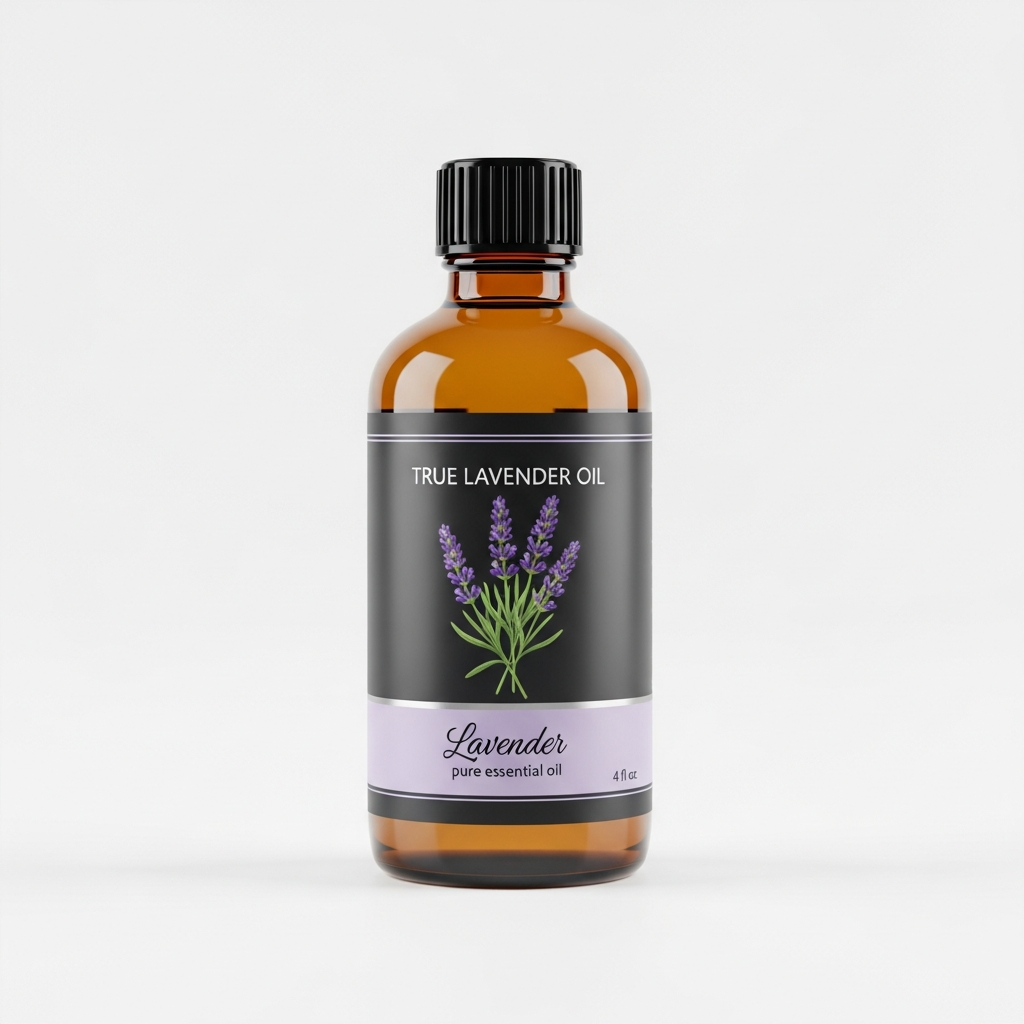
Lavender Essential Oil
Our own Lavender Essential Oil, in sizes from 0.5 oz to bulk.
From $10.99
Shop Now →If you want a deeper look at the craft of blending before you dive in, the complete lavender DIY and blending guide is a great place to start. For now, grab your oils, your diffuser, and let's get into what mixes well with lavender.
A quick note on safety: The blends below are written for diffuser use unless otherwise noted. When any blend is intended for skin contact (massage oils, bath soaks, linen sprays), always dilute properly in a carrier oil or water, perform a patch test on a small area of skin before broader use, and keep essential oils away from children, pets, and eyes. If you are pregnant, nursing, or managing any health concern, speak with a qualified healthcare provider before using essential oils.
1. The Bedroom Wind-Down Blend: Lavender, Cedarwood, and Roman Chamomile
Few pairings are as well-loved in the world of lavender oil blends as lavender with cedarwood. Cedarwood brings a soft, woody depth that grounds lavender's floral brightness, and together they create an evening atmosphere that feels genuinely cozy rather than perfume-counter sweet. Roman chamomile adds a faint, apple-like softness to the blend that rounds out the cedarwood's earthiness beautifully.
For a standard 100ml diffuser, try 3 drops of true Lavandula angustifolia lavender, 2 drops of cedarwood (Virginian or Atlas both work well), and 1 drop of Roman chamomile. Run it for 30 to 60 minutes before your usual bedtime wind-down ritual. Many people find this combination creates an atmosphere they associate with slowing down for the evening, though individual responses to scent vary.
Practical takeaway: Start the diffuser while you're doing your nightly skincare routine. By the time you're ready to read or rest, the room will already carry the blend.
2. The Living Room Gathering Blend: Lavender, Sweet Orange, and Clove Bud
When people are coming over and you want your living room to feel warm and welcoming rather than clinical or overpowering, this blend earns its place. Sweet orange is bright and universally appealing. Clove bud is spicy and slightly exotic. Lavender keeps the whole thing from tipping into something that smells like a mulled wine candle from a chain store.
Use 3 drops lavender, 3 drops sweet orange, and 1 drop clove bud. Clove is potent, so resist the urge to add more. This is a blend that fills a room quickly, which makes it ideal for open-plan living spaces. It works especially well in autumn and winter months when you want something that feels festive without being seasonal-specific.
Practical takeaway: Diffuse this for 20 to 30 minutes before guests arrive, then turn off the diffuser. The scent lingers enough to set the tone without becoming overwhelming during conversation.
3. The Home Office Focus Blend: Lavender, Rosemary, and Peppermint
Rosemary and peppermint are two of the most popular oils people reach for when they want to create an alert, clear atmosphere for working or studying. Some research suggests that rosemary's aroma may be associated with a sense of mental clarity, though these findings are still exploratory. Lavender plays an interesting role here: it softens the sharpness of peppermint just enough to make the blend easier to sit with for longer stretches.
Try 2 drops lavender, 2 drops rosemary (ct. camphor works well here), and 1 drop peppermint. This is deliberately light on the peppermint because too much can become distracting rather than grounding. If you're sensitive to strong menthol aromas, reduce peppermint to a single half-drop or substitute with spearmint for a gentler effect.
Practical takeaway: Use this blend in a personal inhaler or a small desk diffuser rather than a whole-room unit, so the scent stays close to your workspace and doesn't drift into the rest of the house.
4. The Kitchen Freshness Blend: Lavender, Lemon, and Basil
Kitchens accumulate odors fast, from cooking, from the bin, from whatever science experiment is happening at the back of the fridge. Lemon essential oil is a natural choice for a fresh, clean scent. Basil brings an herbal, slightly peppery note that makes the blend feel specific to a kitchen rather than generic. Lavender ties it all together and prevents the blend from smelling purely like a cleaning product.
Use 2 drops lavender, 3 drops lemon, and 1 drop sweet basil. This blend also works well in a small spray bottle with distilled water as a linen-free room spray (shake before each use, as oils and water don't mix on their own). For a deeper look at using lavender in your cleaning and freshening routines around the home, visit our guide to lavender oil in natural cleaning sprays, scrubs, and floor applications.
Practical takeaway: Diffuse this blend while you're washing dishes or after cooking. It refreshes the air during the task and doesn't linger so long that it becomes strange paired with your next meal's aromas.
5. The Bathroom Spa Blend: Lavender, Eucalyptus, and Geranium
A bathroom diffuser blend lives or dies by how well it evokes that particular kind of clean, botanical freshness you associate with a good spa. Eucalyptus (globulus or radiata) is the obvious anchor here, with its cool, camphoraceous scent. Geranium adds a rosy, slightly green floral note that keeps the blend from smelling purely medicinal. Lavender weaves them together and softens both.
Use 2 drops lavender, 2 drops eucalyptus radiata (generally considered the gentler of the two common species), and 2 drops geranium. If you enjoy a slightly more feminine, floral result, increase the geranium to 3 drops. For a more cooling, brisk atmosphere, nudge the eucalyptus up instead. This blend is also popular as a base for homemade soap projects. If that appeals to you, the homemade lavender soap guide covers both cold process and melt-and-pour methods in detail.
Practical takeaway: Run this blend in a small waterproof diffuser during your shower routine. The steam will carry the scent beautifully through the space.
6. The Baby Nursery Blend: Lavender and Mandarin (Ultra-Diluted)
Essential oil use around infants is a topic that requires real caution, and this entry comes with a stronger safety caveat than the others. Many aromatherapists and pediatric specialists advise against diffusing essential oils directly in a nursery, particularly for newborns and young infants. If you do choose to use a scent in a nursery environment, do so only with guidance from your pediatrician, use the absolute minimum amount, ensure excellent ventilation, and never apply oils topically to infant skin without professional guidance.
With those cautions clearly in mind: if an older toddler's room is the goal (and a healthcare provider has been consulted), a very light diffusion of 1 drop lavender and 1 drop mandarin in a well-ventilated space is one of the gentler combinations people explore for a calming bedtime atmosphere. Mandarin is considered one of the milder citrus oils and has a soft, sweet character that pairs naturally with lavender without adding any sharp or camphoraceous notes.
Practical takeaway: Keep diffusion time very short (15 minutes maximum), diffuse before rather than during sleep time, and ensure the room is aired out before a child settles for the night. Always prioritize professional advice over general blog guidance in this context.
7. The Laundry Room Blend: Lavender, Tea Tree, and Lemon
Laundry rooms often have a damp, slightly musty undertone that no amount of dryer sheets seems to fully address. This blend creates a clean, bright atmosphere that makes the whole chore feel less grim. Tea tree has a famously fresh, slightly medicinal-adjacent scent that pairs surprisingly well with the brightness of lemon and the floral softness of lavender.
Use 3 drops lavender, 2 drops lemon, and 2 drops tea tree in your diffuser. Alternatively, a few drops of this blend (lavender and lemon especially) can be added to wool dryer balls to carry a gentle scent into freshly dried laundry. Add the oils to the dryer balls and let them sit for 30 minutes before use so the oils are fully absorbed rather than wet when they go into the machine.
Practical takeaway: This is a great blend to run while you're folding laundry. It's clean and functional without demanding much attention, which suits a task-focused room well.
8. The Meditation or Yoga Space Blend: Lavender, Frankincense, and Sandalwood
Frankincense is one of the oldest aromatic resins used in ritual and contemplative practices across many cultures. Its deep, resinous scent has a gravity to it that pairs beautifully with lavender's more accessible floral character. Sandalwood (ideally sustainably sourced Australian or Indian sandalwood) adds a creamy, woody warmth that makes the blend feel grounded and settled.
Use 2 drops lavender, 2 drops frankincense (Boswellia carterii or sacra are most common), and 2 drops sandalwood. This is an equal-parts blend, which keeps any single note from dominating. It's a combination that many people find supports a quiet, inward atmosphere during breathwork, stretching, or journaling. The scent is complex enough to feel intentional but not so loud that it distracts from the activity itself.
Practical takeaway: Start the diffuser 10 minutes before your session begins. This gives the blend time to settle into the room so you're walking into the atmosphere rather than waiting for it to build.
9. The Entryway First Impression Blend: Lavender, Bergamot, and Vetiver
The entryway or hallway is the first thing guests experience when they walk into your home. A good scent there does quiet, important work. Bergamot (bergapten-free is preferable, especially if you're using it near skin) brings a citrusy, slightly floral brightness that reads as fresh and sophisticated. Vetiver is smoky, earthy, and complex, a base note that anchors the blend and gives it staying power.
Use 3 drops lavender, 2 drops bergamot, and 1 drop vetiver. Vetiver is thick and slow to diffuse, so don't expect it to dominate immediately; it works more as a quiet foundation that you notice more once the top notes of bergamot have settled. This is one of the more refined-smelling lavender oil blends on this list, with a character that feels more like a high-end home fragrance than a typical essential oil diffuser blend.
Practical takeaway: Because entryways are often small and enclosed, diffuse for shorter intervals (20 to 30 minutes) to avoid the scent becoming too concentrated when you open the door.
10. The Home Candle-Making Blend: Lavender, Vanilla, and Clary Sage
If you're moving beyond diffusers and into candle-making, this blend is one of the most popular starting points for lavender-based poured candles. Vanilla (usually added as a vanilla oleoresin or a pre-blended fragrance, since pure vanilla essential oil is rare and expensive) brings warmth and sweetness that carries well through soy or coconut wax. Clary sage has an herbal, slightly nutty, almost muscat-wine quality that keeps the vanilla from going too gourmand and keeps the lavender grounded.
For candle use, fragrance load and ratios depend on your wax type and the specific fragrance oils or essential oils you're using, so follow your wax manufacturer's guidelines carefully. As a starting point for exploration, a blend of 50% lavender, 30% vanilla, and 20% clary sage is a reasonable proportion to test with. Our full step-by-step lavender candle tutorial walks through the technical side of soy wax candle making, including fragrance load calculations and pour temperatures.
Practical takeaway: Always test candle blends in small batches before committing to a larger pour. Scent throw (how a fragrance performs when a candle is burning versus cold) can differ significantly, and a blend you love in a diffuser may behave differently in wax.
Building Your Own Lavender Blends: A Few Principles Worth Knowing
Working through these ten blends is a good start, but eventually most people want to venture off-recipe. A few basic principles make that easier.
- Top, middle, and base notes: Lavender sits comfortably in the middle-note category. It blends well with citrus and light herbs (top notes) as well as resins, woods, and musks (base notes), which is part of why it appears in so many different contexts.
- Start with fewer drops than you think you need: You can always add more. A blend that's too strong is much harder to fix than one that's too light.
- Keep a blend journal: Write down every combination you try, even the ones that don't work. Knowing what doesn't pair well with lavender is just as useful as knowing what does.
- Quality matters enormously: True Lavandula angustifolia, grown at the right altitude and properly distilled, has a scent complexity that lower-grade or adulterated lavender oils simply don't replicate. That complexity is what makes it such a reliable blending partner.
For a broader exploration of what you can create with lavender essential oil beyond diffuser blends, the complete lavender DIY and blending hub covers everything from room sprays to personal care applications in one place.
The best lavender blend for any room is ultimately the one that makes you want to spend time there. Start with these recipes, adjust the ratios to your nose, and let the oil do what it does best: turn an ordinary room into somewhere you actually want to be.