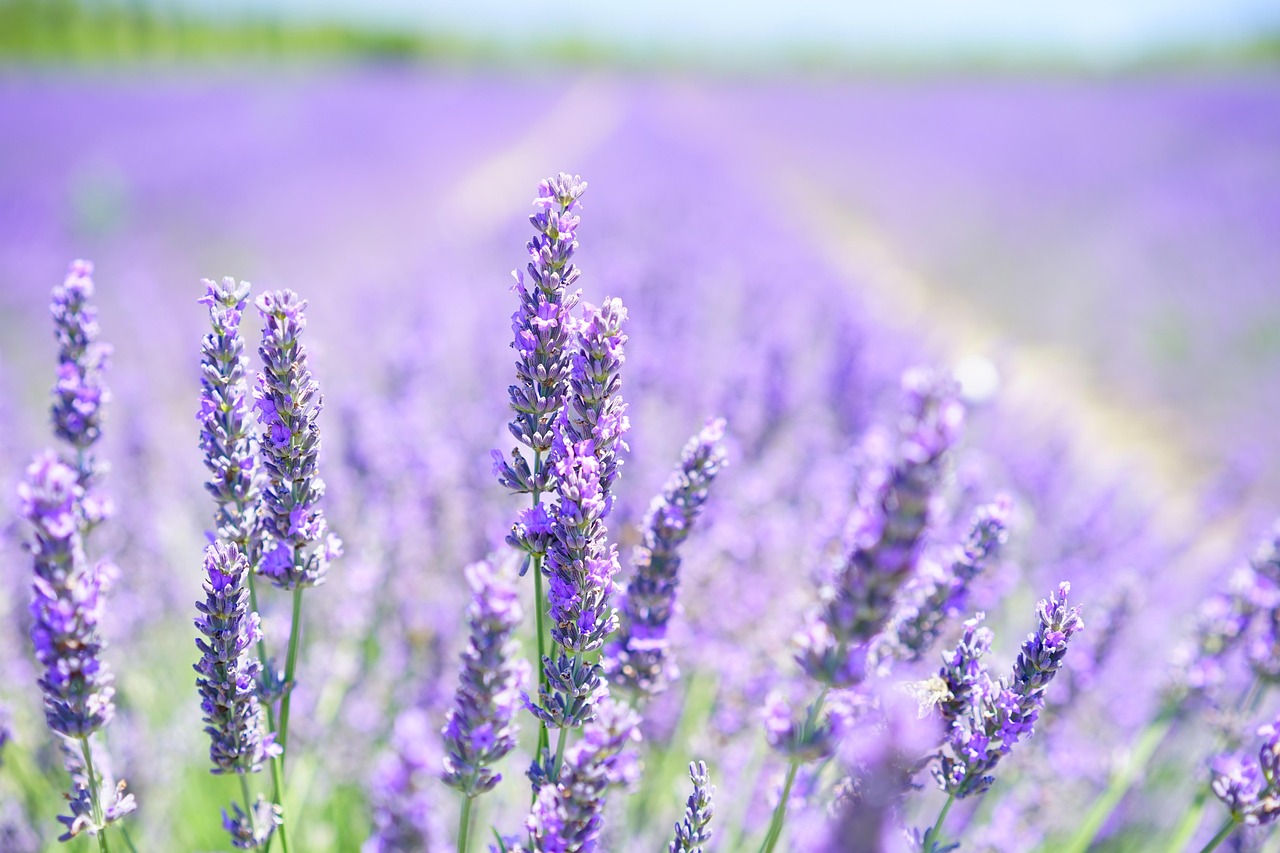
Best Carrier Oils to Pair with Lavender: Jojoba, Sweet Almond, and More
Lavender essential oil is wonderfully concentrated. A single drop of true Lavandula angustifolia carries hundreds of plant compounds, which is exactly why it needs a carrier oil before it touches your skin. The carrier you choose matters more than most people realize. Different base oils bring different textures, absorption rates, and skin-feel qualities to the blend, and some pairings simply work better than others for specific routines.
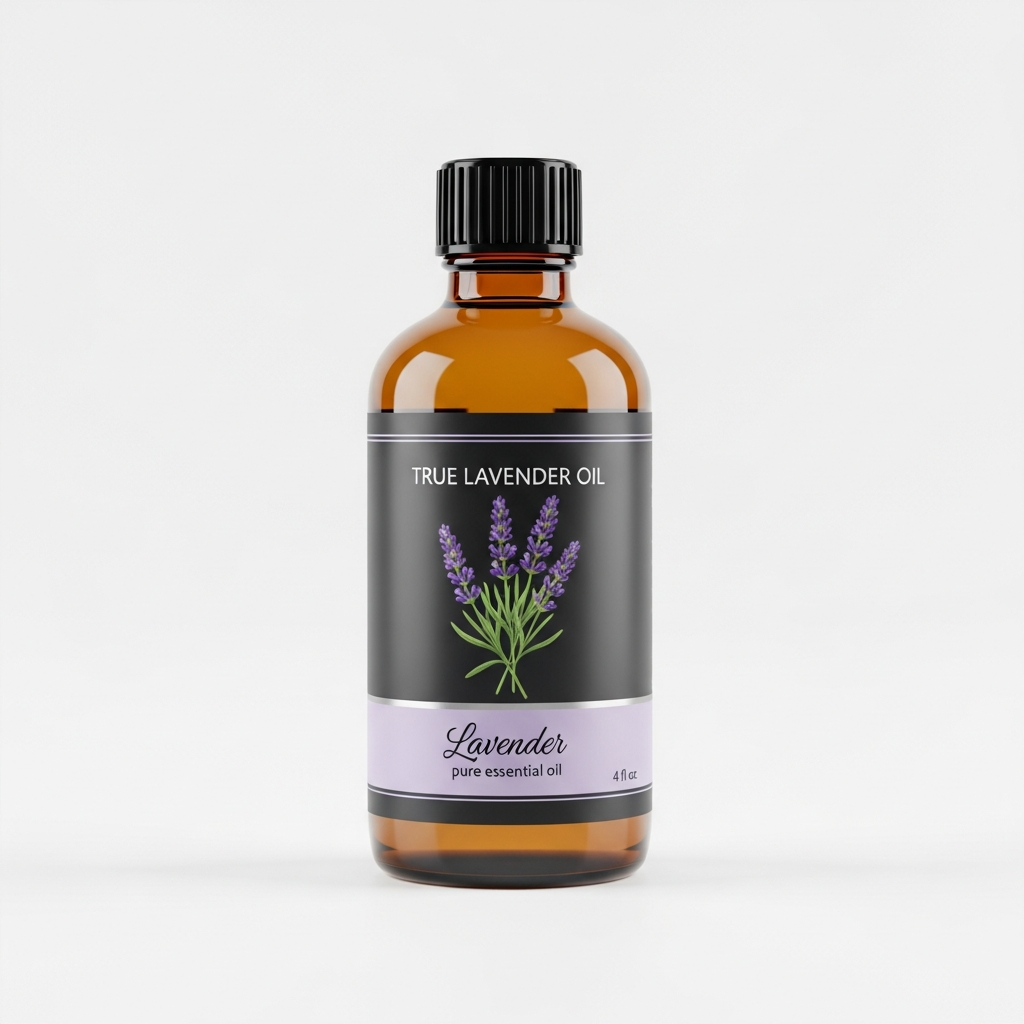
Lavender Essential Oil
Our own Lavender Essential Oil, in sizes from 0.5 oz to bulk.
From $10.99
Shop Now →This guide walks through seven of the best carrier oils for lavender, covering what makes each one distinctive, how it performs in a blend, and which routines it suits best. If you want to go deeper on dilution ratios and safety guidelines before you start blending, our full guide on how to dilute lavender oil: ratios, carrier oils, and safety is a good place to begin.
Safety note: Always perform a patch test before applying any new oil blend to a larger area of skin. A standard dilution for adults is 2% lavender essential oil in carrier oil (roughly 12 drops per 1 ounce of carrier). Consult a qualified healthcare provider before using essential oils if you are pregnant, nursing, or have any underlying health concern.
1. Jojoba Oil
Why Jojoba and Lavender Are a Classic Pairing
Jojoba is technically a liquid wax rather than a true oil, which gives it a uniquely stable molecular structure. It resists oxidation far longer than most plant-based carriers, meaning a jojoba and lavender blend has a generous shelf life without needing extra preservatives. That stability makes it a favorite for anyone who blends in small batches and wants the product to stay fresh for months.
The texture is light and slightly silky. It absorbs without leaving a heavy residue, which many people appreciate for facial routines and daily-use blends. Because jojoba closely resembles the skin's own natural sebum, it tends to sit comfortably on most skin types. Its scent is nearly neutral, so it lets the floral, slightly herbaceous character of true Lavandula angustifolia come through cleanly.
For a detailed look at building a gentle lavender facial routine, see our article on lavender oil for skin: the complete guide to a gentle routine.
Practical takeaway: Jojoba is the go-to carrier for facial serums, roll-on blends, and any product you want to store for longer periods. Start with a 1% to 2% dilution of lavender in jojoba for everyday facial use.
2. Sweet Almond Oil
A Soft, Nourishing Base for Body Blends
Sweet almond oil has been a staple in blending for a long time, and for good reason. It is pressed from the kernels of Prunus dulcis, and the result is a pale golden oil with a mild, faintly nutty scent that fades quickly. Because its aroma is so subtle, a sweet almond oil blend with lavender lets the essential oil take center stage. The floral top notes of good Lavandula angustifolia read clearly against this neutral backdrop.
The texture is medium-weight: richer than jojoba but lighter than something like avocado or castor oil. It spreads beautifully across larger areas of skin, which makes it a popular choice for body massage blends. The slip it provides allows hands to glide without dragging, and it absorbs within a reasonable time frame, leaving skin feeling smooth rather than greasy.
One important note: sweet almond oil is derived from tree nuts. Anyone with a nut sensitivity should confirm suitability with their healthcare provider before use, and always patch test first.
Practical takeaway: Sweet almond oil is an excellent all-purpose body carrier. Use a 2% lavender dilution (about 12 drops per ounce) for a general body blend, or explore massage-specific ratios in our guide to lavender oil for massage: choosing carriers and mixing.
3. Fractionated Coconut Oil
Lightweight, Long-Lasting, and Easy to Work With
Regular coconut oil solidifies at room temperature, which can make blending awkward. Fractionated coconut oil is processed to remove the long-chain fatty acids that cause solidification, and the result is a clear, lightweight liquid that stays fluid at any temperature. It is colorless and virtually odorless, which makes it one of the most neutral carriers available.
Its light texture absorbs fairly quickly, and it is well-suited to both skin and scalp applications. Because it does not solidify, it works smoothly in dropper bottles, roller-ball applicators, and spray blends. The shelf life is excellent, comparable to jojoba, so it is a practical choice for anyone who wants a reliable, fuss-free carrier.
Fractionated coconut oil pairs cleanly with lavender because it does not compete with the essential oil's scent. The result is a blend that smells like lavender, full stop. For scalp and hair applications, it spreads evenly through strands without weighing them down excessively.
Practical takeaway: Fractionated coconut oil works well in roll-on blends, hair oil applications, and any routine where you want a lightweight, non-solidifying carrier. Explore scalp ideas in our article on lavender oil for hair: scalp massage and shine-boosting ideas.
4. Rosehip Seed Oil
A Richer Option for Targeted Skin Routines
Rosehip seed oil is cold-pressed from the seeds of Rosa canina and related species. It is noticeably more nutrient-dense than lighter carriers, containing a high proportion of linoleic acid and a natural form of vitamin A precursors. It has a characteristic warm, slightly earthy scent and a golden-amber color. When blended with lavender essential oil, the floral note softens the earthiness of the rosehip in a pleasant way.
This is a medium-to-heavier carrier that absorbs more slowly than jojoba or fractionated coconut oil. Because it is richer, it tends to suit drier skin types and evening routines better than daytime use. Rosehip seed oil is more prone to oxidation than jojoba, so store blends in dark glass bottles away from heat and use them within three to four months for best quality.
Because of its deeper composition, rosehip seed oil is often chosen for facial blends intended for more mature or dry skin. Pair it with a high-quality true Lavandula angustifolia at a 1% to 2% dilution and apply in the evening as part of a wind-down routine.
Practical takeaway: Rosehip seed oil suits evening facial blends for dry or more mature skin. Store in a cool, dark place and use within a few months of blending. Patch test is especially important here given the richer composition.
5. Grapeseed Oil
A Budget-Friendly, Clean-Feeling Carrier
Grapeseed oil is a byproduct of the winemaking industry, cold-pressed or expeller-pressed from grape seeds. It is one of the lightest feeling carriers available, absorbs quickly, and leaves very little residue. The color is a pale greenish-yellow, and the scent is close to neutral with just a hint of the grape seed. It is also one of the more affordable carrier options, which makes it appealing for larger-batch body blends.
The light texture makes grapeseed oil particularly well-suited to oilier skin types or anyone who dislikes the feeling of heavier base oils. It also works well in spritz-style blends where you want something that disperses and absorbs easily. One trade-off is a shorter shelf life: grapeseed oil has a higher proportion of polyunsaturated fatty acids, which makes it more prone to rancidity than jojoba or fractionated coconut oil. Keep it refrigerated and use within six months of opening.
In a lavender blend, grapeseed oil stays out of the way. Its light profile lets the essential oil dominate the sensory experience. It is a workhorse carrier that earns its place in any blending kit.
Practical takeaway: Grapeseed oil is a great everyday body and massage carrier, especially for those who prefer a lighter feel. Refrigerate after opening and blend in smaller quantities to keep quality high.
6. Avocado Oil
A Rich, Deeply Nourishing Base for Dry Skin
Avocado oil is at the heavier end of the carrier oil spectrum. It is pressed from the flesh of the avocado fruit rather than the seed, and it contains a high level of oleic acid along with vitamins A, D, and E. The unrefined version is distinctly green and carries a noticeable, earthy avocado scent. Refined avocado oil is paler and more neutral-smelling, making it easier to blend without the base oil competing with the lavender.
Because of its richness, avocado oil is usually used as a supporting carrier rather than the sole base. Blending it with a lighter oil such as jojoba or sweet almond at a ratio of roughly 10% to 20% avocado adds depth and slip to the blend without making the overall texture feel heavy. For very dry skin, especially on areas like the elbows, knees, or feet, a higher proportion of avocado may feel exactly right.
Avocado oil has good staying power and absorbs slowly, which makes it well-suited to longer massage routines where you want the carrier to provide extended glide. Its robust fatty acid profile may contribute to a more nourishing feel on the skin.
Practical takeaway: Use avocado oil as a supporting carrier blended with a lighter base, or as a primary carrier for very dry areas and indulgent body rituals. Opt for refined avocado oil in lavender blends to keep the scent clean.
7. Hemp Seed Oil
A Nutrient-Rich Carrier with a Distinctive Profile
Hemp seed oil is cold-pressed from the seeds of Cannabis sativa and contains no cannabinoids. It has an excellent fatty acid profile, with a naturally balanced ratio of omega-6 to omega-3 acids. The oil is green-tinted and carries a distinct, slightly grassy, nutty scent that is noticeably stronger than many other carriers. This is worth considering when blending with lavender: at higher proportions, the hemp seed scent can soften the floral note of the essential oil.
The way around this is to blend hemp seed oil with a more neutral carrier, such as jojoba or fractionated coconut oil. Using hemp seed oil at 20% to 30% of the total carrier volume delivers its beneficial fatty acid composition while keeping the overall aroma more balanced. The texture is medium-weight and absorbs well, making it a versatile choice for both facial and body blends.
Hemp seed oil is more perishable than jojoba. Store it in a cool, dark location or refrigerate, and use blends within three to four months. Look for a reputable, cold-pressed source to ensure the oil retains its full nutritional profile and has not been adulterated with cheaper oils.
Practical takeaway: Blend hemp seed oil with a neutral carrier at 20% to 30% of the total base for a nutrient-rich lavender blend. Store carefully to prevent rancidity.
Choosing the Right Carrier for Your Routine
The best carrier oils for lavender are the ones that fit your skin type, your preferred texture, and the specific routine you are building. Jojoba and lavender make a reliable everyday pairing for facial and roll-on use. A sweet almond oil blend is a natural fit for body and massage applications. Richer options like rosehip and avocado suit deeper evening routines, while lightweight carriers like grapeseed and fractionated coconut oil keep things easy and non-greasy.
| Carrier Oil | Texture | Best For | Shelf Life |
|---|---|---|---|
| Jojoba | Light, silky | Face, roll-ons, long shelf-life blends | 1 to 2 years |
| Sweet Almond | Medium | Body massage, general blends | 1 to 2 years |
| Fractionated Coconut | Very light | Roller blends, hair, scalp | 1 to 2 years |
| Rosehip Seed | Medium | Evening facial blends, dry skin | 3 to 4 months |
| Grapeseed | Very light | Body blends, oilier skin types | 6 months |
| Avocado | Heavy | Deep body rituals, dry areas, blending boost | 6 to 12 months |
| Hemp Seed | Medium | Facial and body blends (best mixed with a neutral carrier) | 3 to 4 months |
No matter which carrier you choose, start with a properly diluted blend and always patch test on a small area of skin before broader use. Good sourcing matters for both the lavender and the carrier: look for cold-pressed, high-quality base oils from reputable suppliers, just as you would look for authentic Lavandula angustifolia from a traceable farm source.
Ready to start blending? Our complete guide to how to dilute lavender oil: ratios, carrier oils, and safety covers everything you need to blend with confidence.