Lavender Oil for Hair: Scalp Massage and Shine-Boosting Ideas
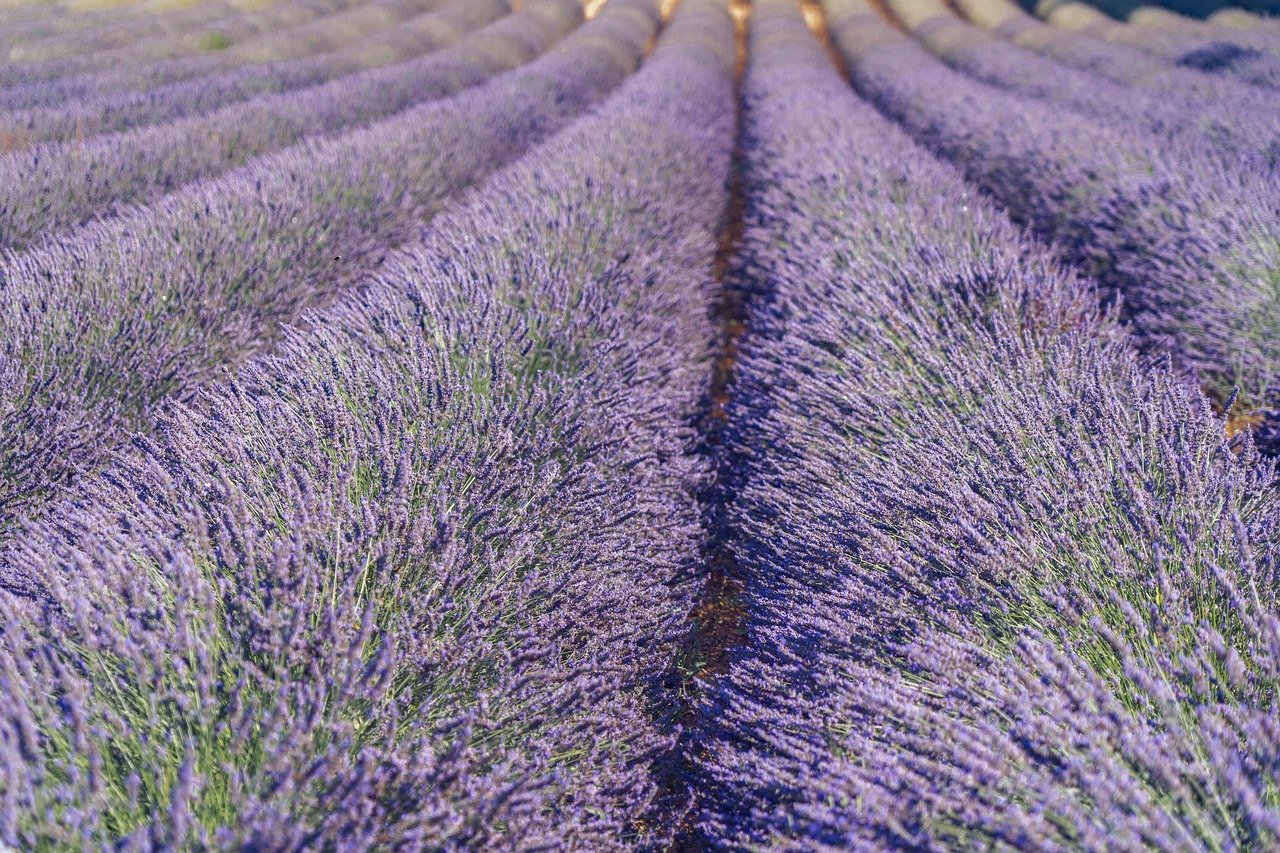
If you have ever wandered through a lavender field at peak bloom, you already know that the scent alone feels like a reset button for the senses. Bringing that same true Lavandula angustifolia oil into your hair care routine is a small shift that many people find genuinely enjoyable, and the results for the look and feel of hair can be surprisingly satisfying.
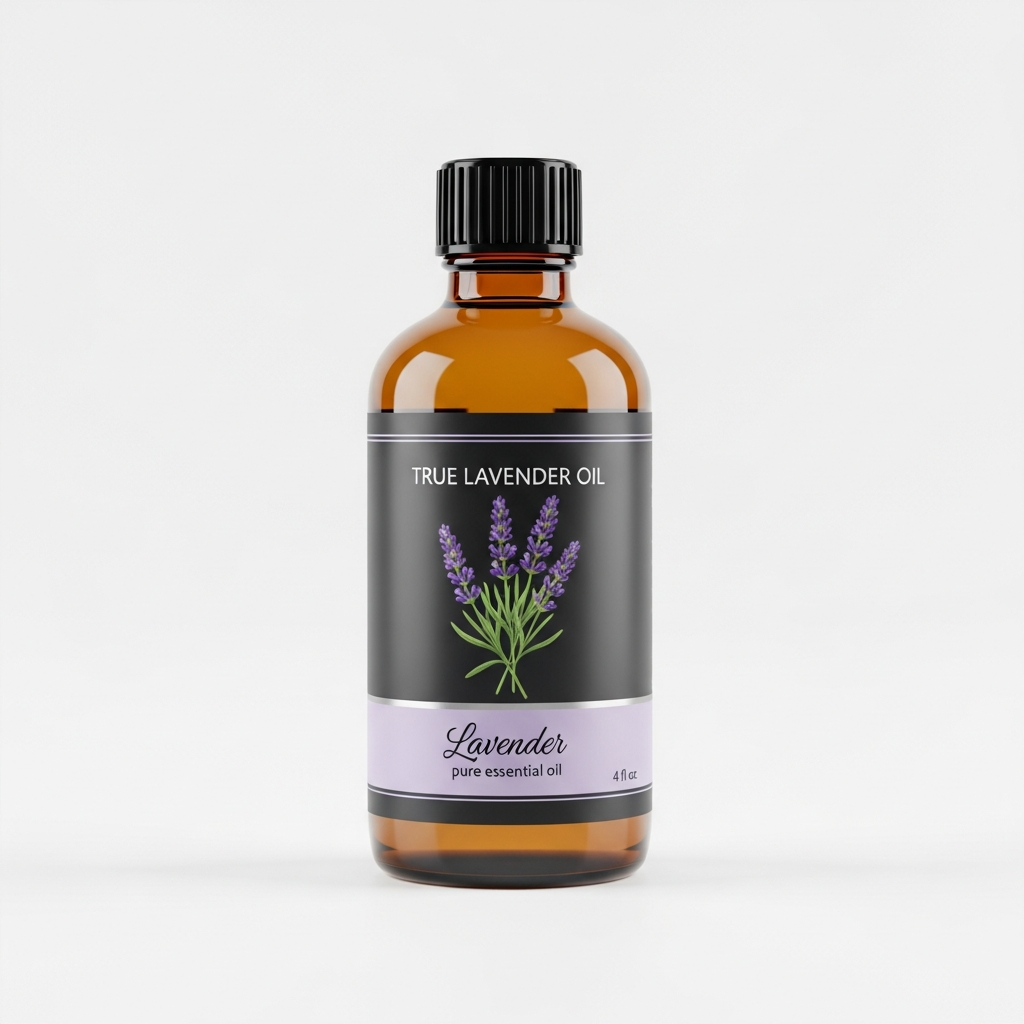
Lavender Essential Oil
Our own Lavender Essential Oil, in sizes from 0.5 oz to bulk.
From $10.99
Shop Now →This guide walks you through everything you need: the right materials, step-by-step lavender scalp massage technique, a simple shine-boosting rinse, and the common mistakes that can turn a lovely ritual into a greasy disappointment. Lavender oil for hair is not complicated, but a few details make a real difference.
Why True Lavandula Angustifolia Matters for Hair Care
Not all lavender oil is the same. The label might say "lavender," but what is inside could be lavandin (Lavandula x intermedia), a hybrid with a sharper, more camphor-heavy scent profile, or a synthetic fragrance oil with no botanical origin at all. For lavender oil hair care, sourcing matters because you are applying this directly to your scalp.
True Lavandula angustifolia is distilled from the flowering tops of the plant at high altitude, typically in Provence, Bulgaria, or the Himalayas. It is rich in linalool and linalyl acetate, the two primary compounds that give it that soft, floral, slightly herbaceous character. These are the compounds most studied in lavender research, and they are what you want when you use lavender oil for hair rituals.
When you shop, look for oils that state the Latin binomial on the label, list a country of origin, and provide a GC/MS (gas chromatography/mass spectrometry) report. These are signs of a producer who takes purity seriously.
Materials You Will Need
Before you start, gather everything so the process feels smooth rather than rushed. The quantities below are for a single session.
For the Scalp Massage Oil
- True Lavandula angustifolia essential oil: 6 drops
- Carrier oil of your choice: 2 tablespoons (see notes below)
- A small bowl or glass jar for mixing
- A fine-tooth comb or sectioning clips
- A soft towel you do not mind getting oily
- A shower cap or warm damp towel for the soak period
For the Shine-Boosting Rinse
- True Lavandula angustifolia essential oil: 3 drops
- Apple cider vinegar: 2 tablespoons
- Cool or lukewarm water: 2 cups
- A small pitcher or squeeze bottle
Choosing Your Carrier Oil
The carrier oil you pick shapes the whole experience. Jojoba is a perennial favourite for scalp work because its composition is closer to the scalp's natural sebum than most oils, making it absorb well without feeling heavy. Argan oil adds a silkiness that works beautifully if your hair tends toward dryness. Sweet almond oil is lightweight and widely available. If your scalp leans oily, consider fractionated coconut oil, which is lighter than standard coconut oil and stays liquid at room temperature.
For more on how carrier oils interact with skin and scalp, our guide on lavender oil for massage, choosing carriers and mixing goes deep on ratios and textures.
Dilution and Safety: Read This First
Essential oils are highly concentrated plant extracts. Lavender is considered one of the gentler options, but "gentler" does not mean it can be applied undiluted. Applying neat (undiluted) essential oil directly to the scalp can cause irritation, especially with repeated use.
For a scalp massage blend, a 1 to 2 percent dilution is a reasonable starting point for most adults. That works out to roughly 6 drops of essential oil per 2 tablespoons (30 ml) of carrier oil, landing at about 1 percent. If you have a sensitive scalp or have not used lavender oil before, start at the lower end.
Patch test first: Apply a small amount of your blended oil to the inside of your wrist or the crook of your elbow. Wait 24 hours. If you notice redness, itching, or discomfort, do not proceed with the scalp application.
Pregnancy and nursing: If you are pregnant, nursing, or have any medical concerns, please consult a qualified healthcare provider before adding essential oils to your routine.
Children: Dilution ratios for children differ significantly from adult guidelines. Seek professional guidance before using essential oils on children's scalps.
Step-by-Step Lavender Scalp Massage
A good lavender scalp massage does two things at once: it applies the oil evenly to the scalp, and the massage action itself may support circulation in the area. Many people find the combination genuinely relaxing as part of an evening wind-down ritual.
-
Mix Your Blend
Combine your carrier oil and lavender essential oil in the small bowl or jar. Stir gently with a clean finger or a small spatula. The blend does not need to sit or infuse; you can use it right away.
-
Section Your Hair
If you have thick or long hair, use sectioning clips to divide it into four or more parts. You want direct access to the scalp, not just the hair shaft. Skipping this step is the number one reason people end up with greasy-feeling hair rather than a well-absorbed scalp treatment: the oil lands on the hair rather than the skin.
-
Apply the Oil to the Scalp
Dip your fingertips (not your nails) into the blend. Starting at the nape of the neck, dot small amounts of oil along each parting line. Work section by section toward the crown, then address the hairline. You do not need a large amount. Two tablespoons of blended oil is typically enough for shoulder-length to long hair; if you have a short style, one tablespoon may be plenty.
-
Massage with Intention
Use the pads of your fingers in small, firm circles. Begin at the base of the skull and work forward toward the forehead. Spend at least 30 seconds on each area before moving on. Aim for a full 5 minutes of massage time. The motion should feel like you are moving the scalp itself over the skull, not just sliding fingers through the hair. That distinction matters: scalp movement, not friction on the hair shaft.
-
Let It Soak
Once your scalp is massaged, gather your hair loosely and cover it with a shower cap or wrap a warm damp towel around it. The warmth helps the carrier oil absorb. Leave it on for a minimum of 20 minutes. Many people prefer to leave it for a full hour, or even overnight if their carrier oil is lightweight (jojoba works especially well for overnight wear). If you leave it overnight, protect your pillow with an old pillowcase.
-
Shampoo Out Thoroughly
This step is important. Apply shampoo to dry or barely damp hair before rinsing. Working shampoo into an already-wet oily scalp can make it harder to fully lift the oil. Lather well, let it sit for a minute, then rinse with warm water. A second shampoo is often needed, especially after an overnight soak. Do not skip the second wash if your scalp still feels slippery after the first rinse.
Shine-Boosting Lavender Rinse
Once you have shampooed and conditioned as usual, this final rinse may help smooth the hair cuticle and add a visible sheen. It takes less than a minute to apply and is a lovely way to finish a full lavender oil hair care session.
-
Prepare the Rinse
Combine 2 cups of cool or lukewarm water, 2 tablespoons of apple cider vinegar, and 3 drops of true lavender essential oil in your pitcher or squeeze bottle. Shake or swirl to disperse the oil as much as possible. Note that essential oil and water do not fully combine, so shake again right before you pour.
-
Apply After the Final Rinse
After your final conditioner rinse, slowly pour or squeeze the lavender rinse over your whole head. Work it through the mid-lengths and ends with your fingers. Let it sit for about 30 seconds.
-
Do Not Rinse Out
Leave the rinse in. The small amount of vinegar evaporates quickly as your hair dries, and the scent fades with it. What stays is a light, smooth feel to the cuticle. If you find the vinegar scent lingers, reduce the amount to 1 tablespoon next time.
-
Dry Gently
Pat your hair dry with a towel rather than rubbing. Squeeze out excess water and allow to air dry when possible. If you use a diffuser or blow dryer, keep the heat setting moderate.
Tips and Common Mistakes to Avoid
Tips for Better Results
- Warm the carrier oil slightly. Set your blending bowl in a larger bowl of warm water for a minute or two before mixing in the essential oil. Warm oil tends to spread more evenly and absorb more comfortably.
- Use the massage on dry hair. Carrier oils penetrate more efficiently when the scalp is not already wet and pores are not constricted from cool water.
- Keep your blend small and fresh. Pre-mixed essential oil blends can oxidize over time. Mix only what you need for each session, or store a premade blend in a dark glass bottle away from heat and light for no longer than three months.
- Pair the ritual with a calm evening. The lavender scent during a scalp massage lends itself naturally to a bedtime wind-down. Many people find the combination of scent and massage a genuinely pleasant way to close the day.
Common Mistakes
- Applying oil to wet hair. Water creates a barrier. Apply your lavender scalp massage oil to dry or lightly towel-dried hair for best absorption.
- Using too much oil. More is not better here. Excess oil is hard to remove and can leave hair appearing flat. Stick to the measured amounts in this guide.
- Skipping the patch test. Even gentle essential oils can cause reactions in some people. The patch test is quick and worth doing every time you try a new batch or blend.
- Using fragrance oil instead of essential oil. Fragrance oils labeled "lavender scent" are often synthetic and are not appropriate for scalp application. Always verify you have a true essential oil with proper botanical labeling.
- Expecting overnight transformation. Lavender oil hair care is a practice, not a single-use solution. Consistency over several weeks is where most people notice a difference in how their hair looks and feels.
How Often Should You Do This?
For most hair types, a full lavender scalp massage once a week fits well into a regular routine. The shine rinse can be used with every wash if you enjoy it. Those with naturally dry scalps may benefit from slightly more frequent massage sessions, perhaps twice a week, while people with oilier scalps may find once every 10 to 14 days feels right.
Pay attention to how your scalp and hair respond after each session. That feedback is more useful than any general guideline.
Expanding Your Lavender Hair Routine
Once you are comfortable with the massage and rinse techniques, there are natural ways to extend the ritual. A few drops of lavender oil blended into an unscented conditioner can add a light scent and the benefits of carrier ingredients already in the conditioner formula. A simple leave-in spritz made with distilled water and a couple of drops of lavender (shaken well before each use) can refresh both hair and mood mid-day.
If you enjoy working with lavender oil beyond hair care, our complete guide to lavender oil for skin covers a full gentle routine using the same true Lavandula angustifolia oil. For those who love rich, nourishing body rituals, the DIY whipped lavender body butter pairs beautifully with a post-shower hair care session. And if a light facial mist sounds appealing, the DIY lavender face mist is simple to make alongside your hair rinse blend.
What to Expect
After a session of lavender scalp massage and shine rinse, many people report that their hair feels softer and more manageable, with a subtle natural sheen when dry. Some notice that their scalp feels balanced and comfortable in the days following. The scent, even after washing out the carrier oil, often lingers faintly in a pleasant way.
Individual results vary, and some of the most meaningful benefits of a regular lavender oil hair care practice are harder to measure: the calming quality of the scent, the simple pleasure of taking a few unhurried minutes to care for yourself, and the satisfaction of knowing exactly what is going on your scalp and hair.
Start with one session, keep your expectations grounded and curious, and let the practice develop at its own pace.