DIY Whipped Lavender Body Butter for Soft, Pampered Skin
There is something genuinely satisfying about smoothing a cloud of homemade body butter onto your skin and knowing exactly what went into it. No mystery fillers, no unpronounceable preservatives. Just a handful of nourishing butters, a carrier oil, and true Lavandula angustifolia essential oil to round everything out with that soft, floral scent you already love.
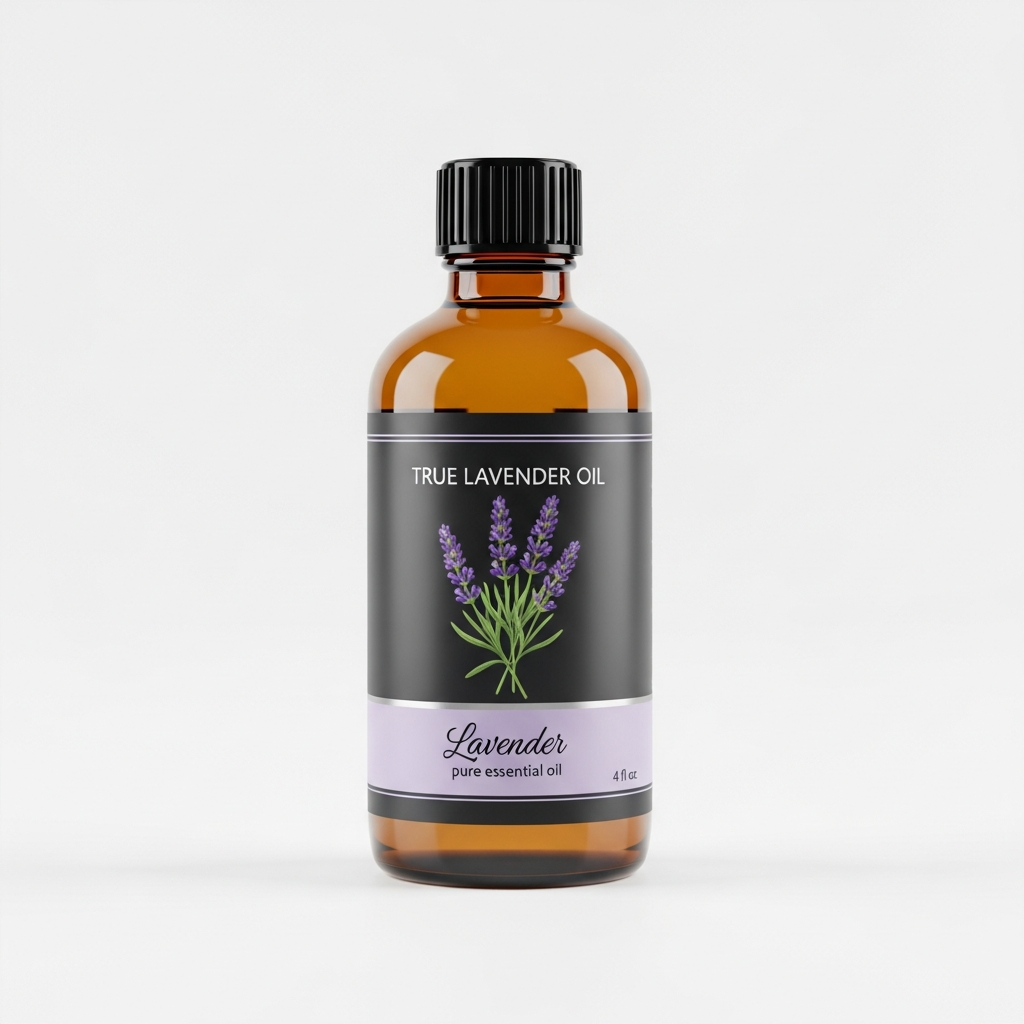
Lavender Essential Oil
Our own Lavender Essential Oil, in sizes from 0.5 oz to bulk.
From $10.99
Shop Now →This lavender body butter recipe is a staple in our kitchen. It comes together in about thirty minutes, stores beautifully, and makes a genuinely lovely gift when spooned into a pretty jar. Below you will find everything you need: the full ingredients list, step-by-step instructions, safety guidance, variations, and storage notes.
Recipe at a Glance
| Detail | Info |
|---|---|
| Difficulty | Beginner-friendly |
| Prep Time | 10 minutes |
| Active Time | 20 minutes (plus 1 hour chilling) |
| Yield | Approximately 8 oz (240 ml) |
| Shelf Life | 3 to 6 months |
Why Lavender Essential Oil Belongs in a Body Butter
Lavender essential oil has been used in skin care rituals for centuries, and for good reason. Its aroma is widely regarded as one of the most calming in the botanical world. Worked into a rich whipped base, it transforms an ordinary moisturizing step into a slow, intentional part of your day. Some research suggests that the linalool and linalyl acetate naturally present in true Lavandula angustifolia oil may support the feeling of comfort and ease in the skin, though these findings are observational rather than conclusive.
If you want a deeper look at how lavender oil fits into a broader skin care routine, our lavender oil for skin: the complete guide to a gentle routine is a good place to start before you dive into this recipe.
Ingredients
All measurements are by weight for accuracy. A simple kitchen scale makes a real difference here.
- 4 oz (113 g) unrefined shea butter (raw, ivory-colored; the unrefined version retains more of its naturally occurring nutrients)
- 2 oz (57 g) refined coconut oil (refined has a neutral scent that lets the lavender shine; unrefined works if you enjoy a mild coconut note)
- 1 oz (28 g) mango butter (adds a silkier finish and whips up beautifully)
- 1 oz (28 g) jojoba oil (technically a liquid wax; absorbs readily and does not leave a heavy residue)
- 30 drops true Lavandula angustifolia essential oil (approximately 1.5 ml; see dilution notes below)
- Optional: 10 drops Roman chamomile or frankincense essential oil for a more complex scent profile
A note on lavender oil quality: For a skin care recipe, sourcing matters. Look for 100% pure Lavandula angustifolia (true lavender) with no added synthetics or carrier oils. GC/MS testing reports from the supplier are a good sign of transparency. Lavandin (Lavandula x intermedia) is a common adulterant and has a sharper, more camphor-heavy scent profile that does not blend as elegantly into this recipe.
Equipment You Will Need
- Digital kitchen scale
- Double boiler or a heat-safe glass bowl set over a saucepan
- Stand mixer or handheld electric mixer (this is the key to the whipped texture)
- Rubber spatula
- Glass or stainless steel mixing bowl
- Clean 8 oz glass jar with lid for storage
- Thermometer (optional but helpful)
Step-by-Step Instructions
-
Melt the butters and coconut oil
Combine the shea butter, mango butter, and coconut oil in your double boiler. Melt them together over low heat, stirring gently. You are not looking for a rolling boil, just enough warmth to liquefy everything fully. This usually takes five to eight minutes.
-
Add the jojoba oil
Remove the bowl from heat and stir in the jojoba oil. Give everything a good mix so the oils are fully incorporated.
-
Cool in the refrigerator
Place the bowl in the refrigerator for 45 minutes to 1 hour. You want the mixture to be firm but not rock solid. Think of a soft, scoopable consistency, somewhere between cold butter and room-temperature cream cheese. If it gets too hard, let it sit at room temperature for 10 minutes before moving on.
-
Whip it up
Transfer the partially solidified mixture to your stand mixer bowl or use a handheld mixer in a deep bowl. Whip on medium-high speed for 5 to 8 minutes, stopping to scrape down the sides every couple of minutes. The mixture will gradually turn lighter in color and take on a fluffy, mousse-like texture. This is the satisfying part.
-
Add the essential oil
Once the base has fully whipped, reduce the mixer speed to low. Add your 30 drops of lavender essential oil (and any optional additions). Mix for another 30 seconds until the oil is evenly distributed. Do not add the essential oil to warm or hot butter. Heat degrades volatile aromatic compounds and reduces the quality of the finished product.
-
Transfer to your jar
Spoon the finished body butter into your clean glass jar using the spatula. It will look pillowy and slightly airy. Seal with the lid.
Dilution Ratios and Safety Guidance
This is one of the most important sections in any DIY skin care recipe. Please read it carefully before you begin.
Dilution Rate
This recipe uses 30 drops of essential oil in approximately 8 oz (240 ml) of finished product. That works out to roughly a 0.9% dilution, which falls well within the 1% or lower recommendation commonly cited for leave-on skin care products used over large body areas. The National Association for Holistic Aromatherapy (NAHA) and similar organizations recommend staying at or below 1% for full-body leave-on applications, particularly for daily use.
If you want to increase the scent slightly, you can go up to 48 drops (approximately 1.5%), which stays within the 2% limit often referenced for localized body application. Do not exceed 2% for any leave-on body product without professional guidance.
Patch Test Before First Use
Apply a small amount of the finished body butter to the inside of your forearm or the crook of your elbow. Leave it on for 24 hours and observe for any redness, itching, or irritation. If any of those occur, discontinue use.
Contraindications and Populations to Consult a Healthcare Provider
- Pregnancy and nursing: Some aromatherapy guidelines suggest caution with essential oils during the first trimester of pregnancy. Consult a qualified healthcare provider before using any essential oil product during pregnancy or while nursing.
- Children: Essential oil dilution guidelines for children differ significantly from adult recommendations. Do not use this recipe on children under 2 years of age. For older children, consult a qualified aromatherapist or healthcare provider for appropriate dilution rates.
- Sensitive or compromised skin: If your skin is currently broken, sunburned, or otherwise compromised, avoid application until the skin has fully recovered.
- Known sensitivities: If you have known sensitivities to any of the butters or oils in this recipe, substitute thoughtfully or skip this recipe entirely.
This recipe is for external use only. Keep essential oils away from eyes and mucous membranes. If accidental eye contact occurs, flush with a carrier oil (not water) and seek medical attention if irritation persists.
Storage Instructions and Shelf Life
Store your lavender body butter in a cool, dry place away from direct sunlight. A bathroom cabinet works, as long as the room does not get excessively warm. Heat is the main enemy here. If the butter melts and re-solidifies, it loses its whipped texture and can become grainy.
Because this recipe contains no water, it does not require a preservative. The natural oils and butters provide a reasonable shelf life of 3 to 6 months. Jojoba oil, in particular, is highly stable and helps extend the life of the blend.
Signs that your body butter has passed its prime include a rancid or off smell, a change in color, or visible separation. When in doubt, make a fresh batch.
In warm climates or summer months: Store the jar in the refrigerator. The body butter will firm up significantly, but it softens quickly on contact with skin.
Variations and Substitutions
Butter Swaps
- No mango butter? Cocoa butter works as a 1:1 substitute and adds a faint chocolate undertone. It also makes the finished product firmer, which can be appealing in warm weather.
- Prefer a lighter base? Swap half the shea butter for whipped avocado butter. The texture stays airy and the skin feel is noticeably lighter.
Oil Swaps
- Jojoba alternatives: Sweet almond oil or rosehip oil both work well. Rosehip oil adds a golden color and is popular in facial skin care applications.
- Argan oil addition: Replace half the jojoba with argan oil for a more luxurious feel. It does cost more, so this variation is worth saving for a special batch.
Scent Variations
- Lavender and vanilla: Add 5 drops of vanilla CO2 extract along with the lavender. Warm, soft, and very popular as a gift.
- Lavender and bergamot: Add 10 drops of bergamot (bergapten-free) in place of 10 of the lavender drops. Citrusy, bright, and uplifting for a morning routine. Note that standard bergamot can be photosensitizing; always choose bergapten-free for leave-on skin products.
- Unscented base: Skip the essential oil entirely if you prefer a fragrance-free product. The shea and mango butter have a mild natural scent that fades quickly.
Adding a Touch of Exfoliation
Fold in 2 tablespoons of fine sugar or fine sea salt just before spooning into the jar. This turns your body butter into a light scrub. Use it in the shower on damp skin, then rinse off the exfoliant before patting dry. The butter residue left on the skin after rinsing still provides noticeable softness.
How to Use Your Whipped Lavender Body Butter
The classic approach: apply a small scoop to damp skin right after a shower, before fully drying off. The slight moisture on your skin helps the butter spread more easily and absorb more readily. Start with a pea-sized amount for smaller areas. A little goes further than you expect.
Many people find that incorporating this into a consistent nighttime routine enhances the overall experience. If you enjoy building a more complete evening wind-down ritual, our piece on lavender oil in your nighttime skincare routine has some ideas for layering this with other products.
For an extra-nourishing hand ritual before bed, rub a small amount into your hands, put on a pair of thin cotton gloves, and sleep in them. By morning, the difference in texture is quite noticeable.
Gifting This Body Butter
Homemade body butter makes a genuinely appreciated gift. Spoon the finished product into 2 oz or 4 oz glass jars, add a kraft paper label with the ingredients and date, and tie a small bundle of dried lavender to the lid with twine. Include a card noting the patch test recommendation and the 3 to 6 month shelf life.
If your recipient enjoys a full lavender skin care indulgence, consider pairing the body butter with a homemade spritz. Our DIY lavender face mist recipe pairs nicely as a two-piece gift set.
Frequently Asked Questions
Why did my body butter turn grainy?
Graininess in shea-based products is a well-known phenomenon caused by temperature fluctuations during cooling. Shea butter contains different fatty acids that solidify at different rates. If the mixture cools too slowly, some fractions solidify before others and create a gritty texture. The fix: next time, cool the mixture in the refrigerator more quickly, or briefly re-melt the grainy batch and chill it faster by placing the bowl over an ice bath while stirring.
Can I use lavandin instead of true lavender?
You can, but the scent profile differs considerably. Lavandin (Lavandula x intermedia) has a sharper, more medicinal note due to its higher camphor content. For a soft, classic lavender skin care recipe like this one, true Lavandula angustifolia is the more fitting choice. If you want to understand the differences in more depth, our comparison of lavender oil vs. tea tree oil in skincare routines touches on how different aromatic profiles suit different purposes.
How much essential oil is safe for a 4 oz batch?
For a 4 oz batch (half this recipe), use 15 drops of essential oil to maintain the same 0.9% dilution. Scale proportionally if you adjust the batch size.
Does this work on the face?
This recipe is formulated as a body butter. The coconut oil content makes it too heavy for most facial skin types and may clog pores for those who are prone to breakouts. For facial use, a lighter oil-based serum or mist is a better fit.
Quick Reference: Recipe Summary
| Ingredient | Amount |
|---|---|
| Unrefined shea butter | 4 oz (113 g) |
| Refined coconut oil | 2 oz (57 g) |
| Mango butter | 1 oz (28 g) |
| Jojoba oil | 1 oz (28 g) |
| True lavender essential oil | 30 drops (~1.5 ml) |
Making your own lavender skin care recipe is one of those small acts of self-sufficiency that pays off in a very tangible way. You know what is in the jar. You made it yourself. And every time you open the lid, you get that immediate, unmistakable bloom of true lavender. That is worth the thirty minutes.