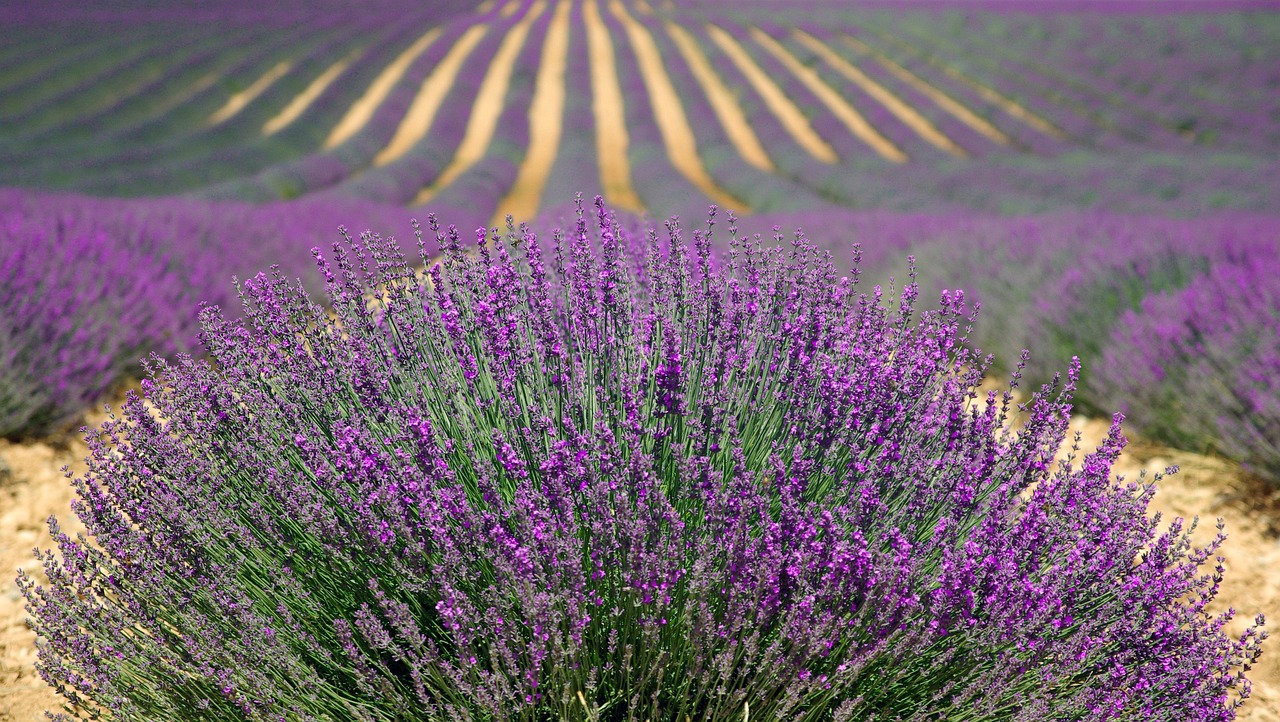
Lavender Oil in Your Nighttime Skincare Routine: Where It Fits
There is something genuinely satisfying about a well-ordered evening skincare routine. Each product has a purpose, a texture, a moment. And if you have been curious about where lavender oil for face care belongs in that sequence, you are asking exactly the right question. The answer is not as simple as "just add a drop," but it is also not complicated once you understand the logic.
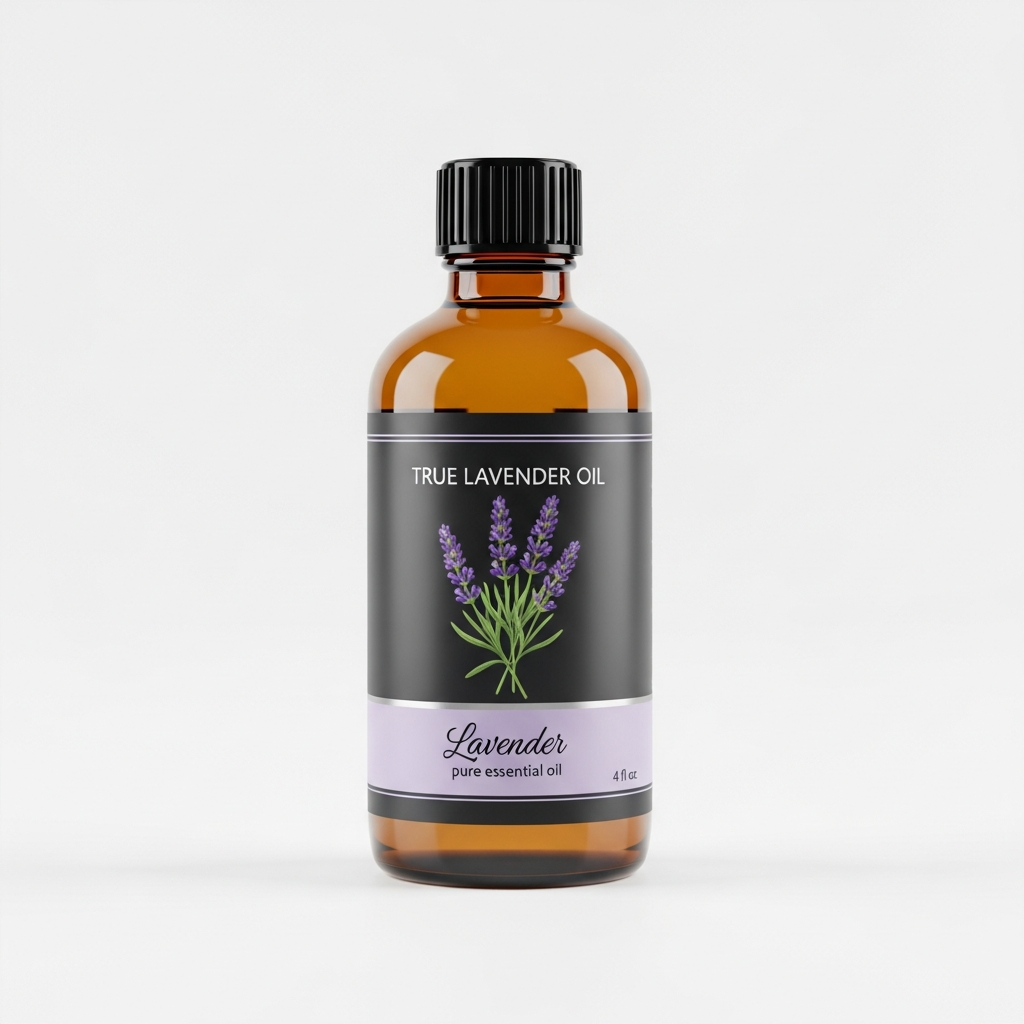
Lavender Essential Oil
Our own Lavender Essential Oil, in sizes from 0.5 oz to bulk.
From $10.99
Shop Now →This guide walks you through a complete lavender nighttime skincare routine: the materials you will need, each step in order, the mistakes that are easy to make, and what you might reasonably expect over time. All the usual caveats apply. Essential oils are not substitutes for medical care, and if you have a skin concern you are worried about, a dermatologist is the right person to call.
Why Lavender Oil Shows Up in Evening Skincare Routines
Lavender essential oil, specifically Lavandula angustifolia, is rich in two primary compounds: linalool and linalyl acetate. Some research suggests these constituents may support a sense of calm and may help promote comfortable-feeling skin. Lavender also carries a scent that many people find genuinely settling at the end of the day, which is part of why it has become so popular in evening rituals.
Night is also when skin naturally goes into a more receptive, restorative state. Blood flow to the skin increases during sleep, and your skin's moisture barrier is actively working. Incorporating a well-diluted lavender oil blend during this window may complement that natural cycle.
For a deeper foundation on how lavender interacts with skin generally, the complete guide to a gentle lavender oil skin routine is a great place to start before diving into the evening-specific steps below.
What You Will Need
Gather these materials before you begin. Having everything within arm's reach makes the routine feel effortless rather than fussy.
- True Lavandula angustifolia essential oil: Check that the bottle lists the full botanical name, the country of origin, and the GC/MS batch report. Synthetic "lavender fragrance" will not offer the same experience.
- A carrier oil: Jojoba and sweet almond are two popular choices for facial use. Both absorb reasonably well and suit a variety of skin types. See the full breakdown of carrier oils to pair with lavender if you are undecided.
- A small amber or dark glass bottle with a dropper: Pre-blending your diluted lavender oil saves time and protects the oil from light degradation.
- A gentle cleanser: Whatever you already use for your evening cleanse.
- A hydrating toner or facial mist (optional): Applying oil to slightly damp skin can support absorption.
- Your regular moisturizer: You will use this after the oil step.
- A patch-test spot: The inside of your forearm works well. Always patch test any new oil blend at least 24 hours before applying it to your face.
Dilution: Getting the Ratio Right
This is the step people most often rush, and it is the most important one to get right. Lavender essential oil is potent. Applying it undiluted to facial skin is not recommended, even though lavender is considered one of the gentler options in the essential oil world.
For facial use, a 1% dilution is the standard starting point for most adults. That works out to roughly 6 drops of essential oil per ounce (30 ml) of carrier oil. Some people prefer to stay closer to 0.5% on the face, especially if their skin runs sensitive.
A helpful reference for dilution math and safety considerations lives in this detailed resource: how to dilute lavender oil: ratios, carrier oils, and safety. Read it once and the numbers will feel intuitive.
Mix your blend in the dark glass bottle before you start the routine. Cap it, roll it gently between your palms to combine, and let it rest for a few minutes.
Step-by-Step: The Evening Skincare Routine
Step 1: Double Cleanse (or Single Cleanse)
Start with a clean canvas. If you wore sunscreen or makeup, a two-step cleanse, first an oil-based cleanser, then a water-based one, is a thorough approach. If you were home all day with a bare face, a single gentle cleanser is enough.
Pat your skin mostly dry with a clean towel. Leave it slightly damp. A little surface moisture actually helps the next steps penetrate more effectively.
Step 2: Toner or Facial Mist (Optional)
If a hydrating toner or gentle mist is part of your routine, apply it now. This step is optional, but it preps the skin with a light layer of moisture that your subsequent oil can help seal in. Let it absorb for about thirty seconds before moving on.
Step 3: Apply Your Diluted Lavender Oil Blend
This is where the lavender oil for face care actually enters the sequence: after cleansing, before your main moisturizer.
Dispense 3 to 4 drops of your pre-blended lavender carrier oil mixture into the palm of your hand. Rub your palms together gently to warm the oil slightly. Then press your palms to your face rather than rubbing. Work outward from the center of your face toward your hairline and jaw. Give your neck the same attention.
Take a slow breath while the scent rises. This is genuinely one of the more pleasant moments in an evening routine. Many people find the aroma of true Lavandula angustifolia noticeably different from synthetic lavender: greener, more complex, slightly herbaceous underneath the floral note.
Allow the oil 60 to 90 seconds to begin absorbing before the next step.
Step 4: Moisturizer
Apply your regular moisturizer over the oil. This sequence, oil first, then moisturizer, may seem counterintuitive. The conventional wisdom is "water before oil" because oil can block water-based products from penetrating. However, a lightweight facial oil applied before a cream can act as a delivery layer, and the moisturizer on top helps lock everything in.
If your moisturizer is already oil-heavy, you may find that skipping it some nights works fine. Pay attention to how your skin feels in the morning and adjust accordingly.
Step 5: Eye Area
Avoid the immediate eye area entirely when applying lavender oil blends. The skin there is thin and the proximity to mucous membranes increases the risk of irritation. Use a dedicated eye cream in that zone if you have one, applied after the oil and moisturizer steps.
Step 6: Lip Care
Finish with a lip balm or a small amount of your carrier oil (without the lavender) on your lips if they need attention. Lavender essential oil is not meant for direct lip application in undiluted form.
Common Mistakes to Avoid
Using Oil from an Unknown Source
The quality of your lavender oil matters enormously. Adulterated oils, those cut with synthetic linalool or other cheap fillers, are common in the market. Always source from a supplier who publishes GC/MS test results and names the botanical species and harvest origin clearly. If the label just says "lavender oil" with no further detail, keep looking.
Skipping the Patch Test
Even a gentle, well-diluted lavender blend can cause a reaction in some individuals. Apply a small amount of your prepared blend to the inside of your forearm, cover it with a breathable bandage, and check after 24 hours. Redness, itching, or any discomfort means this blend is not right for your skin as formulated. Try a lower dilution or a different carrier oil.
Applying Too Much
More is not better with facial oils. Three or four drops of a diluted blend is plenty. Applying excess oil can lead to a greasy feel, and some people find that heavy overnight oil use congests their pores over time. Start light.
Layering Lavender with Retinoids or Strong Actives
If your evening routine includes retinol, AHAs, BHAs, or other active ingredients, be thoughtful about combining them with essential oils. The research on these interactions is limited. A conservative approach is to use your lavender oil blend on nights when you are not using strong actives, or to consult a dermatologist about your specific routine before layering.
Confusing Lavender Essential Oil with Lavender Fragrance Oil
Fragrance oils are synthetic compositions designed to mimic a scent. They are not the same as essential oils and do not carry the same profile of natural compounds. If you see a very inexpensive bottle labeled "lavender oil" or "lavender fragrance," it is almost certainly not true Lavandula angustifolia. For skincare purposes, the distinction matters. Curious how lavender compares to another popular skincare essential oil? The lavender vs. tea tree comparison covers the key differences in character and how each tends to be used.
What to Reasonably Expect
After a few weeks of consistent use, some people report that their skin feels more comfortable and balanced in the morning. Others notice that their evening wind-down feels more intentional simply because of the ritual itself. The scent of lavender may help promote a sense of calm before sleep, which is a well-documented area of ongoing research into linalool.
What you should not expect: overnight dramatic transformation. Skincare routines work gradually. A lavender nighttime skincare practice is a long-game addition, not a quick fix. Consistency over four to six weeks will tell you more than a single night ever could.
Everyone's skin responds differently. If you notice any persistent irritation, redness, or discomfort, discontinue use and speak with a dermatologist or qualified healthcare provider. Essential oils are supportive additions to a personal care routine, not replacements for professional guidance.
Building the Habit
The best evening skincare routine is the one you will actually do consistently. That means keeping it simple enough to complete even on tired nights.
Consider pre-making a month's worth of your lavender blend in one sitting. Label the bottle with the date, the oil name, and the dilution ratio. Store it away from heat and direct light. A cool, dark drawer works well. Properly stored, a jojoba-based lavender blend typically stays stable for several months.
If you want to explore more carrier oil options beyond jojoba, or you are curious whether sweet almond might suit your skin better, the dedicated guide to pairing carrier oils with lavender compares the two in detail alongside several other options.
A lavender oil face care routine does not have to be elaborate to be worthwhile. Cleanse, apply, moisturize, rest. Some evenings that is all it needs to be. The lavender does the quiet part while you sleep.