How to Dilute Lavender Oil: Ratios, Carrier Oils, and Safety Basics
Lavender essential oil is one of the most beloved botanicals on the shelf, and for good reason. True Lavandula angustifolia carries a scent that is both complex and deeply calming. But even the finest lavender oil needs a little preparation before it meets your skin. Diluting it properly is not an optional step. It is the foundation of a safe, enjoyable, and effective routine.
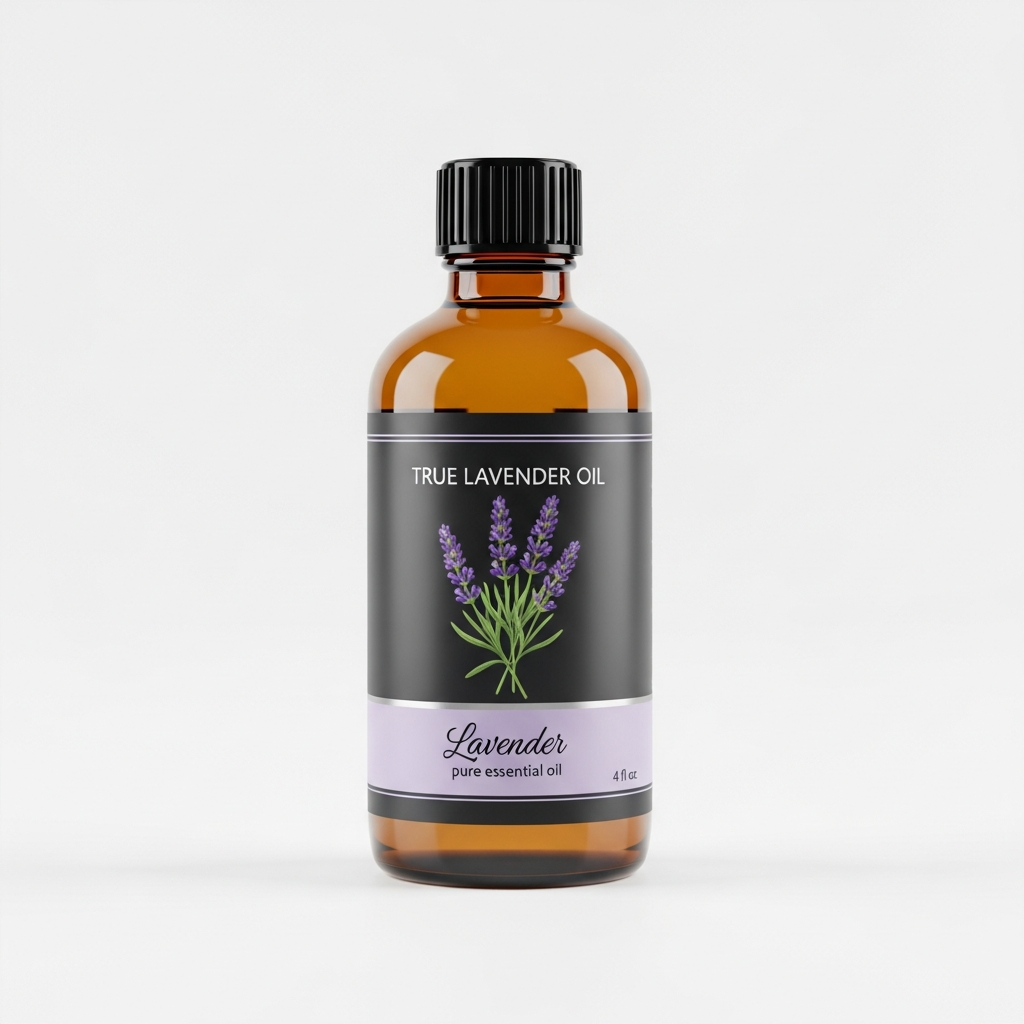
Lavender Essential Oil
Our own Lavender Essential Oil, in sizes from 0.5 oz to bulk.
From $10.99
Shop Now →This guide walks you through everything you need to know about lavender oil dilution: the ratios that make sense for different uses, the carrier oils worth reaching for, and the small mistakes that are surprisingly easy to avoid once you know about them.
Why Diluting Lavender Oil Matters
Essential oils are highly concentrated plant extracts. A single drop of true lavender oil represents a remarkable amount of plant material. Applied directly to the skin without dilution, even a gentle oil like lavender can cause irritation, sensitization, or an unwanted skin reaction in some people.
Dilution does something else worth noting: it actually helps the oil spread more evenly, which means better coverage and a more consistent experience. A carrier oil acts as a delivery vehicle, slowing absorption just enough for the lavender to do its aromatic work at a comfortable pace.
Sensitization is worth understanding before you begin. It is a cumulative process. Repeated exposure to an undiluted oil can cause the body to develop a reaction over time, even if the first several uses seem fine. Diluting correctly from the start protects you for the long run.
What You Will Need
- True lavender essential oil (look for Lavandula angustifolia on the label, with a GC/MS report available)
- A carrier oil of your choice (see the section below for a full comparison)
- Small glass mixing bottle (dark amber or cobalt blue, ideally 1 oz or 2 oz)
- A dropper or pipette for precise measurement
- A measuring tool such as a 5 mL measuring spoon or a kitchen scale
- Labels and a marker so you remember what you mixed and when
- A clean work surface and good ventilation
Optional but helpful: a small notebook to record your ratios. Once you find a blend you love, you will want to recreate it.
Understanding Lavender Oil Dilution Ratios
A dilution ratio describes how many drops of essential oil go into a measured amount of carrier oil. The standard measurement in aromatherapy is 1 teaspoon (roughly 5 mL) of carrier oil as the base unit. One percent dilution in 5 mL of carrier oil equals 1 drop of essential oil. It sounds simple, and it is, once you get the hang of it.
Here is a quick reference table for the most common use cases:
| Use Case | Dilution Percentage | Drops per 1 tsp (5 mL) Carrier | Drops per 1 oz (30 mL) Carrier |
|---|---|---|---|
| Facial application | 0.5% to 1% | 1 to 2 drops | 3 to 6 drops |
| General body use | 2% | 2 drops | 12 drops |
| Scalp and hair | 1% to 2% | 1 to 2 drops | 6 to 12 drops |
| Massage blend | 2% to 3% | 2 to 3 drops | 12 to 18 drops |
| Sensitive skin or children | 0.5% or less | 1 drop or less | Up to 3 drops |
A note on children: Always consult a qualified healthcare provider before using any essential oil on or around young children. Dilution recommendations for adults do not automatically apply to younger skin.
Choosing the Right Carrier Oil
The carrier oil you choose will shape the entire experience: how the blend feels on your skin, how quickly it absorbs, and how long it stays fresh. There is no single best option. The right carrier depends on what you are making it for.
Jojoba Oil
Technically a liquid wax, jojoba is extremely shelf-stable and closely resembles the skin's natural sebum. It absorbs well without a heavy or greasy finish. A great all-purpose choice, and particularly well-suited for skin-focused lavender routines.
Fractionated Coconut Oil
Light, odorless, and non-greasy, fractionated coconut oil is one of the most popular carriers for a reason. It stays liquid at room temperature (unlike regular coconut oil), blends easily, and has a long shelf life. Ideal for body blends and everyday use.
Sweet Almond Oil
Slightly richer than jojoba, sweet almond oil has a light, pleasant scent of its own and absorbs at a moderate pace. Many people find it excellent for massage blends because it provides just enough slip without feeling oily long after.
Rosehip Seed Oil
A more specialized carrier, rosehip seed oil is cold-pressed and nutrient-dense. It has a shorter shelf life than jojoba, so store it in the refrigerator and use it within six months. Best used in small facial blends rather than large body preparations.
Argan Oil
Lightweight and absorbing quickly, argan oil is a lovely choice for both skin and hair applications. Its slightly nutty scent blends harmoniously with lavender. It pairs especially well in a scalp and hair routine.
Shea Butter (Melted)
If you are making a richer body product, melted shea butter can serve as your carrier. It is soothing and rich, and works beautifully in formulations like a whipped lavender body butter. Measure by weight rather than drops for best results.
Step-by-Step: How to Dilute Lavender Oil
-
Decide on Your Use Case First
Before you measure a single drop, get clear on what you are making and for whom. A facial serum calls for a much lower dilution than a back-massage blend. Are you applying this to sensitive skin? To a child? To a large body area or a small one? Your use case determines your ratio, and your ratio determines everything else.
-
Choose and Measure Your Carrier Oil
Select a clean, dry glass bottle. Measure your desired amount of carrier oil using a measuring spoon or kitchen scale. For a standard 1 oz (30 mL) blend, pour your carrier oil in first. This prevents the essential oil from sitting undiluted at the bottom of the bottle.
-
Count Your Drops Carefully
Using a clean dropper or the orifice reducer on your lavender oil bottle, count out your drops one at a time. Do not rush this step. A standard drop from a 1 mm orifice reducer is approximately 0.05 mL, but dropper tips can vary slightly. Count slowly and out loud if it helps. If you lose count, start over rather than guessing.
For a 2% dilution in 1 oz (30 mL) of carrier oil, you want 12 drops of lavender oil. For a 1% dilution in the same amount, use 6 drops.
-
Cap and Roll the Bottle
Once your drops are in, secure the cap and roll the bottle gently between your palms for 30 to 60 seconds. Rolling, rather than shaking, blends the oils without introducing unwanted air bubbles. The warmth of your hands also helps the oils combine more smoothly.
-
Perform a Patch Test
Even properly diluted oils can cause reactions in some individuals. Apply a small amount of your blend to the inside of your forearm or the crook of your elbow. Wait 24 hours before using it more widely. If you notice any redness, itching, or unusual sensation, do not continue use and consult a healthcare provider.
-
Label Your Blend
Write the date, the oils used, the ratio, and the intended purpose on a label. Carrier oils have a finite shelf life, and knowing when you made a blend helps you use it while it is still at its best. Most carrier oil blends are best used within 6 to 12 months, depending on the carrier.
-
Store Properly
Keep your blend in a cool, dark location away from direct sunlight and heat. A bathroom cabinet is often convenient, but the humidity from showers can degrade oils faster than a bedroom drawer or linen closet. For blends containing rosehip or other delicate carriers, refrigeration extends freshness significantly.
Common Mistakes to Avoid
Skipping the Patch Test
This is the most frequently skipped step, and also one of the most important. Skin reactions vary from person to person and can be difficult to predict. A brief patch test costs you almost nothing and can spare you a great deal of discomfort.
Using Plastic Containers
Essential oils can degrade certain plastics over time, which introduces unwanted compounds into your blend. Always use glass bottles. Dark-colored glass, amber or cobalt blue, also helps protect your oil from UV light degradation.
Assuming More Is Better
A higher concentration of lavender oil does not produce better results. Exceeding recommended dilution percentages increases the risk of skin sensitivity without adding meaningful benefit. Stick to the chart above as your guide.
Ignoring Shelf Life
Carrier oils go rancid. When a carrier oil oxidizes, it can cause irritation and the scent of your blend will change noticeably. A blend that smells slightly off has likely passed its prime. When in doubt, make a fresh batch.
Using Poor-Quality Lavender Oil
A well-mixed blend can only be as good as the oil inside it. Look for pure Lavandula angustifolia from a source that shares GC/MS testing results. If the label simply says "lavender fragrance oil" or does not list the botanical name, it is likely not a true essential oil.
What to Expect from Your Blend
A properly diluted lavender oil blend should feel comfortable on the skin: not greasy, not irritating, and with a genuine lavender scent that lingers softly rather than overpowering. People report that incorporating a lavender blend into an evening routine may support a sense of calm and ease the transition into a restful night. Some research suggests that the scent of Lavandula angustifolia may promote a feeling of relaxation, though individual experiences vary.
Used consistently in a skincare or body routine, a well-formulated blend can make that routine feel more intentional and grounding. That quiet moment of applying a beautifully scented oil may become something you genuinely look forward to.
If you are ready to take the next step, explore how a properly diluted lavender blend can fit into a gentle daily skin routine, a relaxing massage blend, or even a nourishing whipped body butter. The foundation you build with correct dilution makes every one of those applications better.
Safety reminder: Essential oils are not a substitute for professional medical care. If you have a health concern, a skin condition, or are pregnant, nursing, or managing a chronic condition, consult a qualified healthcare provider before adding essential oils to your routine. Always keep essential oils out of reach of children and away from eyes and mucous membranes.