Lavender Oil for Massage: Choosing Carriers and Mixing a Blend
A good lavender massage oil starts long before you ever touch skin. It begins with understanding what goes into the bottle: a quality carrier oil, true Lavandula angustifolia essential oil, and a dilution ratio that keeps the blend both effective and safe. Get those three things right, and everything else follows naturally.
Lavender Essential Oil
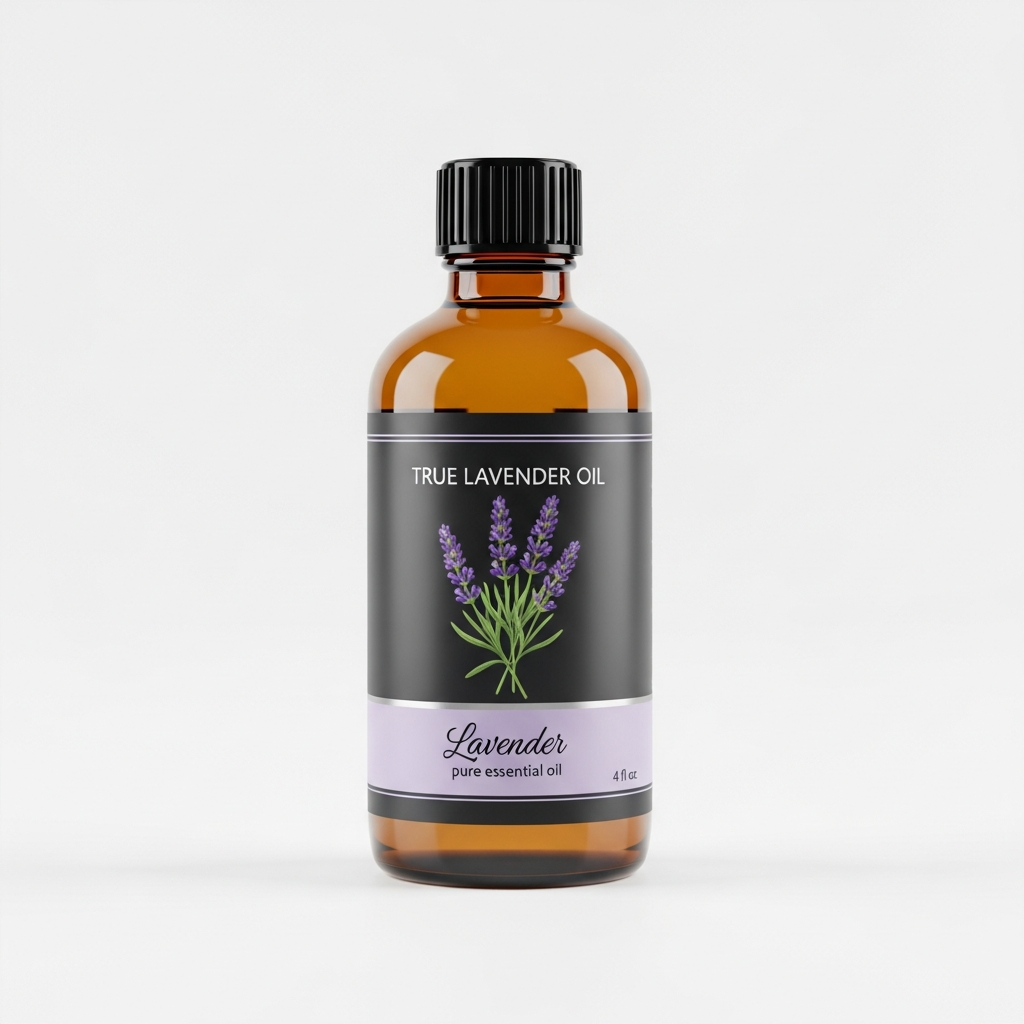
Our own Lavender Essential Oil, in sizes from 0.5 oz to bulk.
From $10.99
Shop Now →This guide walks you through the full process of building a lavender massage blend from scratch. We will cover which carrier oils work best and why, how to calculate your dilution, and the practical steps for mixing and storing your finished oil. Along the way, there are tips on common mistakes and notes on what people typically notice when they use a well-made blend.
Why Lavender Works Well in Massage Blends
Lavender essential oil has been used in bodywork traditions for generations, and for good reason. Its scent profile is soft, floral, and slightly herbaceous, making it pleasant for extended contact. Some research suggests that inhaling lavender aroma during a massage may support a sense of calm and ease. People often report that an evening massage with lavender oil fits naturally into a wind-down ritual before bed.
From a practical standpoint, lavender oil also blends harmoniously with a wide range of carrier oils without competing aromatically. It does not overpower. It simply settles in and does its work quietly.
One important note before we go further: not all lavender oil is created equal. Lavandin (Lavandula x intermedia) is frequently sold as lavender and costs less, but it carries a sharper, more camphor-heavy scent that many people find less pleasant in a massage context. For a truly smooth, soothing lavender massage oil, look for 100% pure Lavandula angustifolia from a transparent source. Check for a GC/MS report and a clearly stated botanical name on the label.
Choosing Your Carrier Oil
The carrier oil is the body of your blend. It dilutes the essential oil to a safe concentration, feeds the skin with fatty acids and nutrients, and determines how the oil glides and absorbs. Choosing thoughtfully here pays off in the final product.
Jojoba Oil
Technically a liquid wax, jojoba is one of the most stable carriers available. It has an extremely long shelf life, resists going rancid, and leaves a light, non-greasy finish on skin. It suits most skin types well and has virtually no scent of its own. For a lavender massage blend you plan to keep for several months, jojoba is an excellent base.
Sweet Almond Oil
A classic massage carrier. Sweet almond oil is lightweight, glides smoothly, and absorbs at a medium pace, giving you enough working time to really move through a massage without the skin drinking it up instantly. It has a very faint, nutty scent that does not compete with lavender. Note: avoid this carrier for anyone with a tree nut sensitivity.
Fractionated Coconut Oil
Unlike solid coconut oil, the fractionated version stays liquid at room temperature. It is nearly odorless, absorbs cleanly, and has a good shelf life. Many people find it slightly less moisturizing than almond oil, but its neutral scent and liquid consistency make it a reliable choice for a lavender massage oil.
Sunflower Oil
An affordable, widely available option with a light texture and minimal scent. Sunflower oil is high in linoleic acid and absorbs reasonably well. It has a shorter shelf life than jojoba, so blend in smaller batches or add a few drops of vitamin E oil as a natural preservative.
A Note on Blending Carriers
You do not have to choose just one. Many experienced blenders use two carriers together. A popular combination is 80% sweet almond oil and 20% jojoba, which gives you the smooth glide of almond with the long shelf life of jojoba. Experimentation is part of the craft.
Materials You Will Need
- 100% pure Lavandula angustifolia essential oil (see sourcing note above)
- Your chosen carrier oil or carrier blend (2 fl oz / 60 ml is a practical starting batch)
- A clean amber or dark blue glass bottle with a pump or dropper cap (2 oz size)
- A small measuring beaker or glass measuring cup
- A dropper or pipette for counting essential oil drops
- A label and pen for dating and noting the dilution
- Optional: vitamin E oil (a few drops per ounce extends shelf life in lighter carriers)
Understanding Dilution: The Most Important Step
Dilution is not optional. Essential oils are highly concentrated plant extracts, and applying them undiluted to skin can cause sensitization, irritation, or a reaction, especially with repeated use. A proper dilution ratio protects you and makes the blend last longer.
For a general adult massage oil, a 2% dilution is the standard guideline recommended by aromatherapy educators. Here is the math for a 2 oz (60 ml) batch:
| Dilution % | Drops of EO per 1 oz (30 ml) | Drops of EO per 2 oz (60 ml) | Best Used For |
|---|---|---|---|
| 1% | 6 drops | 12 drops | Sensitive skin, children over 6, facial areas |
| 2% | 12 drops | 24 drops | General adult body massage |
| 3% | 18 drops | 36 drops | Localized use on small areas; not whole-body |
For a first batch, start at 2%. You can always adjust in future batches once you know how your skin responds.
Safety reminder: Do a patch test before applying any new blend over a large area. Apply a small amount to the inner forearm, wait 24 hours, and check for any redness or reaction before full use. Consult your healthcare provider before using essential oil blends if you are pregnant, nursing, or have any skin sensitivities.
Step-by-Step: Mixing Your Lavender Massage Blend
-
Step 1: Prepare Your Work Surface and Tools
Clean your glass bottle, beaker, and dropper with soap and hot water, then let them dry completely. Any water residue in your bottle can introduce mold into an oil-based blend. Work on a clean, dry surface.
-
Step 2: Measure Your Carrier Oil
Pour 60 ml (2 fl oz) of your chosen carrier oil into your glass measuring beaker. If you are using a blended carrier, for example 80% sweet almond and 20% jojoba, that means approximately 48 ml of sweet almond and 12 ml of jojoba. Take your time here. Precise measurements make your dilution calculations accurate.
-
Step 3: Add Vitamin E (Optional)
If you are using a carrier with a shorter shelf life, such as sunflower or sweet almond, add 2 to 4 drops of vitamin E oil per ounce of carrier at this stage. Swirl gently to incorporate. This small step can meaningfully extend the shelf life of your finished blend.
-
Step 4: Count Your Essential Oil Drops
Using your dropper or pipette, count out 24 drops of lavender essential oil for a 2% dilution in 60 ml of carrier. Drop them directly into the beaker with the carrier oil. Go slowly. Drops from different droppers can vary in size, so counting carefully is worth the extra few seconds.
-
Step 5: Stir and Combine
Use a clean glass stirring rod or simply swirl the beaker gently for 30 to 45 seconds. Essential oil and carrier oil blend easily without any special equipment. You are just ensuring even distribution before you bottle.
-
Step 6: Bottle and Label
Pour the blended oil into your amber glass bottle using a small funnel if needed. Seal the cap, then label immediately with the date, the contents (Lavender 2% in [carrier name]), and the batch size. Do not rely on memory. Labels save confusion later.
-
Step 7: Patch Test Before Full Use
Before applying your lavender massage oil over a large area of skin, do a patch test as described in the safety note above. Even a high-quality blend deserves this step on first use.
Tips and Common Mistakes to Avoid
Mistake 1: Using Too Much Essential Oil
More is not better with essential oils. Going above a 3% dilution for a whole-body massage oil increases the risk of skin sensitization over time. Stick to the table above and resist the urge to add extra drops for a stronger scent. The scent of a properly diluted blend is still clearly present and pleasant.
Mistake 2: Skipping the Patch Test
Even well-diluted blends can interact with individual skin chemistry. A patch test takes 24 hours and can save you from a frustrating reaction.
Mistake 3: Storing in Plastic or Clear Glass
Carrier oils and essential oils degrade faster when exposed to light. Always use amber or cobalt blue glass. Avoid plastic, which can interact with essential oil chemistry over time.
Mistake 4: Letting the Blend Sit Too Long
A jojoba-based lavender massage oil can last up to a year when stored in a cool, dark place. Lighter carriers such as sweet almond are best used within 6 months. When a carrier oil turns rancid, the whole blend goes with it. Smell your bottle occasionally. A sharp, waxy, or unpleasant shift in scent is a sign to discard and mix fresh.
Tip: Warm the Oil Slightly Before Use
Place the sealed bottle in a bowl of warm water for a few minutes before massage. Cold oil can feel jarring on skin, and the gentle warmth helps the scent open up beautifully.
What to Expect from Your Lavender Massage Oil
People who incorporate a lavender massage blend into an evening routine often report that the ritual itself feels grounding. The combination of touch, the soft floral scent, and the quiet time set aside tends to support a general sense of ease as the evening winds down. Some research suggests that lavender aroma may help promote a sense of calm, though individual responses vary.
The skin typically feels noticeably softer after a massage with a quality carrier oil. Jojoba and sweet almond both leave skin feeling conditioned rather than greasy, especially once they have had a few minutes to absorb. If you want to explore how lavender fits into a broader skin care approach, our complete guide to a gentle lavender skin routine is a useful next step.
Variations Worth Trying
Once you are comfortable with a basic lavender massage oil, there is plenty of room to explore. A few drops of Roman chamomile alongside the lavender creates a softer, more floral blend that many people find particularly well-suited to an evening ritual. Frankincense is another companion oil that blends smoothly with lavender and adds a warm, resinous depth to the scent.
If you enjoy making your own lavender-based products, the same principles of dilution and carrier selection apply to other formats. Our recipe for a whipped lavender body butter uses a richer base and is a lovely complement to a massage oil in a self-care routine. For something lighter, the lavender face mist is a refreshing way to bring lavender into your morning or midday ritual.
Incorporating Your Blend into a Nighttime Routine
A self-massage with your lavender blend is a straightforward way to close the day. Spend a few minutes on your hands, feet, or shoulders before bed, breathing in the scent as you work. The repetition of a consistent routine is itself something many people find settling. If you are thinking about how lavender fits into the skin care steps you already do each evening, our article on lavender oil in a nighttime skin care routine covers exactly where and how to layer it.
Good blending does not require expensive equipment or years of experience. It requires good ingredients, accurate measuring, and a little patience. Start with one small batch, make notes on what you liked and what you might adjust, and refine from there. That is really all there is to it.