DIY Lavender Face Mist: A Refreshing Toner-Style Spritz
A fine, cool mist of lavender water over freshly cleansed skin is one of those small rituals that can shift the whole tone of your morning. This lavender face mist recipe keeps things wonderfully simple: a few quality ingredients, a clean spray bottle, and maybe five minutes of your time. The result is a DIY facial spray you can reach for morning and evening, one that smells like an actual lavender field rather than a synthetic approximation of one.
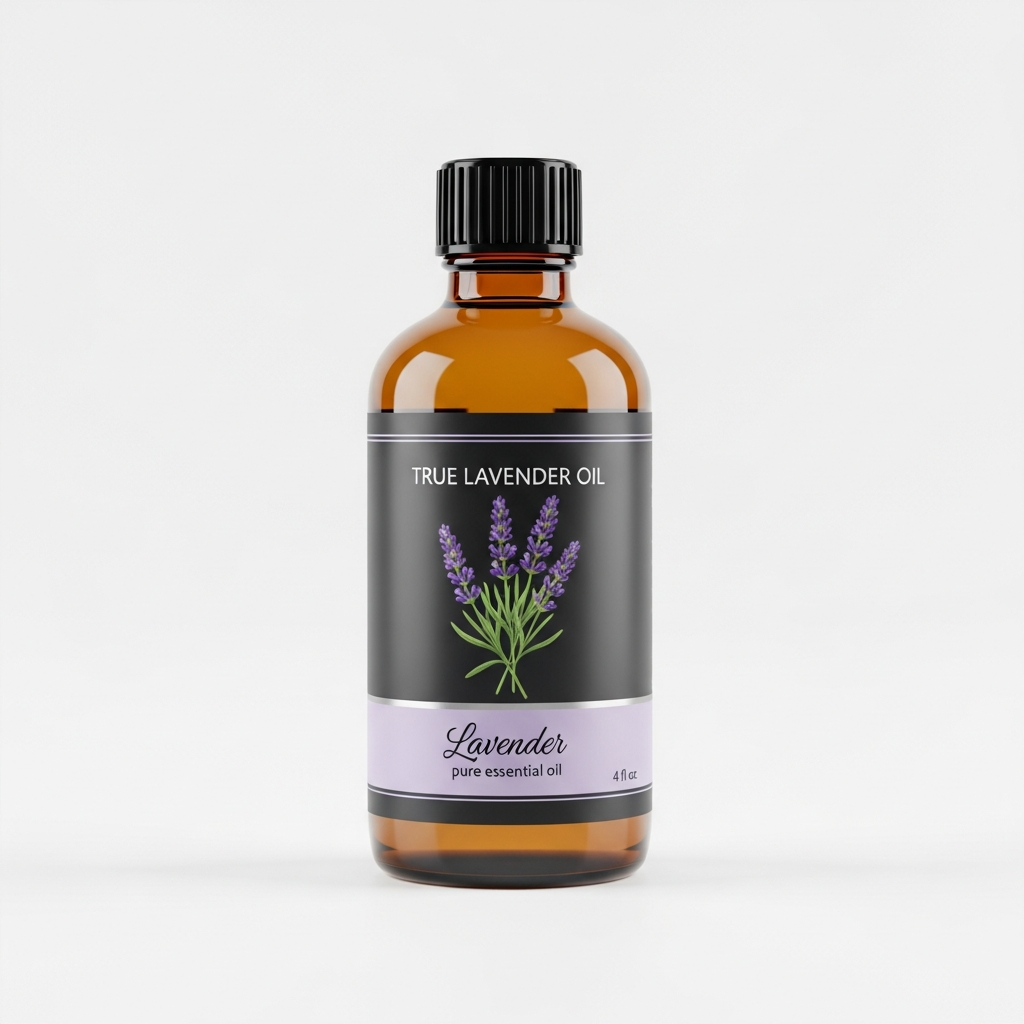
Lavender Essential Oil
Our own Lavender Essential Oil, in sizes from 0.5 oz to bulk.
From $10.99
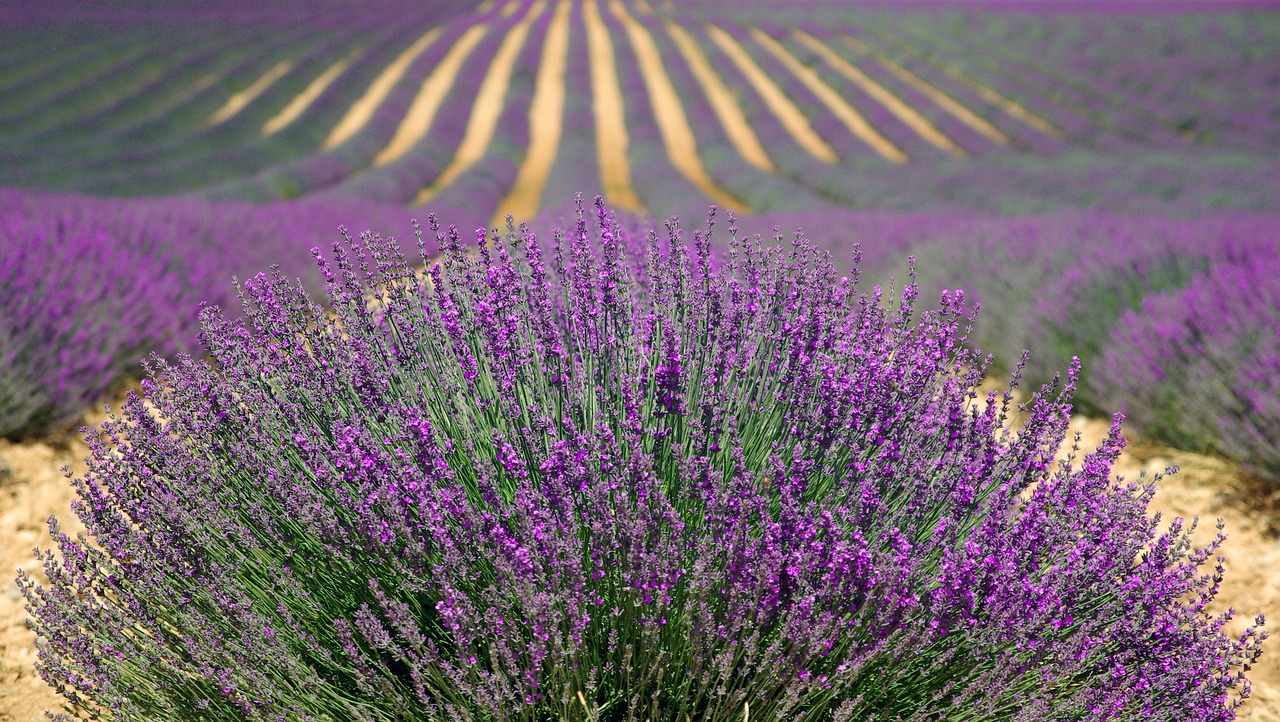
Shop Now →What sets this spritz apart is the oil at its center. True Lavandula angustifolia (sometimes called true lavender or fine lavender) carries a soft, rounded floral scent with subtle herbal undertones. It is quite different from lavandin or spike lavender, both of which have sharper, camphor-heavy profiles that can feel abrasive in a delicate facial product. If you would like a deeper look at how this oil interacts with skin as part of a broader routine, the article on lavender oil for skin and building a gentle routine is a useful starting point.
What You Will Need at a Glance
- Difficulty: Beginner-friendly
- Prep time: 5 minutes
- Setting time: None required (use immediately or store)
- Yield: Approximately 60 ml (2 oz)
- Shelf life: Up to 4 weeks refrigerated; 1 to 2 weeks at room temperature
Ingredients
| Ingredient | Amount | Notes |
|---|---|---|
| Rose water (hydrosol-grade, food or cosmetic quality) | 45 ml (3 tablespoons) | Acts as the primary liquid base |
| Aloe vera juice (inner fillet, not whole-leaf) | 10 ml (2 teaspoons) | Choose a preservative-free, cosmetic-grade version if possible |
| True Lavandula angustifolia essential oil | 4 drops | This gives a dilution of roughly 0.5%; see safety section below |
| Vegetable glycerin | 5 ml (1 teaspoon) | Optional but helps blend the oil into the water phase |
| Distilled water | Top up to 60 ml total | Use only distilled or previously boiled and cooled water |
A note on the essential oil amount: four drops in 60 ml works out to approximately 0.3 to 0.5 percent concentration. The International Fragrance Association (IFRA) and general cosmetic safety guidelines suggest keeping leave-on facial products at or below 1 percent, and many formulators go lower for very sensitive or reactive skin. This recipe sits comfortably within that conservative range.
Equipment
- One 60 ml (2 oz) fine-mist glass spray bottle, preferably amber or cobalt
- A small measuring jug or graduated dropper
- A clean stirring rod or a small whisk
- A funnel (optional but helpful)
- Labels and a permanent marker for dating
Step-by-Step Instructions
- Sanitize your equipment. Wash your spray bottle, measuring jug, and stirring rod with hot soapy water, then rinse thoroughly. You can also wipe the interior of the bottle with isopropyl alcohol (70 percent) and allow it to air dry completely before use. Introducing bacteria or residue from previous products shortens shelf life significantly.
- Measure the rose water. Pour 45 ml of rose water into your measuring jug. Hydrosol-grade rose water (sometimes labeled as rose floral water) is preferable to heavily perfumed rose water found in grocery stores, which may contain synthetic fragrance and alcohol.
- Add the aloe vera juice. Measure 10 ml of aloe vera juice and add it to the rose water. Stir gently.
- Incorporate the glycerin. If you are using vegetable glycerin, add it now and stir well. Glycerin is a humectant, meaning it draws moisture toward the surface of the skin. It also helps suspend the essential oil droplets slightly better than water alone, though a brief shake before each use will always be necessary.
- Add the lavender essential oil. Drop exactly four drops of true Lavandula angustifolia into the mixture. Stir for about 30 seconds. You will notice the oil does not fully dissolve. That is normal. The glycerin helps distribute it, and shaking the bottle before each use does the rest.
- Top up with distilled water. Add enough distilled water to bring the total volume to 60 ml. Stir once more.
- Transfer to your spray bottle. Use a funnel if needed and pour the mixture into your bottle. Secure the spray top, then label the bottle with the date and contents.
- Shake before each use. Because essential oil and water do not stay blended on their own, a few quick shakes before spraying ensures you get an even distribution of the lavender oil every time.
How to Use Your Lavender Face Mist
Hold the bottle 20 to 30 cm (8 to 12 inches) from your face and close your eyes. Mist two or three times over clean skin, then gently press the mist into your skin with clean fingertips rather than rubbing. Follow with your usual serum or moisturizer while the skin is still slightly damp.
Many people enjoy using this lavender toner spray as a second step after cleansing, before heavier products. It also works as a midday refresh over makeup, though in that case keep the bottle a little farther away to avoid disturbing coverage. For ideas on where this kind of spritz fits into an evening wind-down routine, have a look at the guide to using lavender oil in your nighttime skincare routine.
Safety Warnings and Contraindications
Please read this section before making or using this product. Essential oils are potent concentrated plant extracts and should always be used thoughtfully, especially on the face.
Patch Testing (Required for All New Users)
Before applying this mist to your full face, perform a patch test. Apply a small amount to the inside of your wrist or elbow and wait 24 hours. If you notice redness, itching, or any unusual response, do not proceed with facial use. Discontinue and consult a qualified healthcare provider if a reaction occurs.
Dilution Ratio
This recipe uses approximately 0.3 to 0.5 percent essential oil, which is considered a low and conservative dilution for a leave-on facial product. Do not increase the number of drops beyond four without recalculating your dilution and reassessing for your skin type. Higher concentrations on the face are not automatically better and may be more likely to cause a reaction.
Who Should Use Caution or Avoid This Recipe
- Pregnant or nursing individuals: Some essential oils are traditionally avoided during pregnancy. Consult your midwife or obstetrician before using any product containing essential oils.
- Young children: This mist is formulated for adult facial use only. Keep all essential oil products out of reach of children.
- Known sensitivity to lavender or other plants in the Lamiaceae family: If you have reacted to lavender, rosemary, sage, or related plants before, approach with extra caution or avoid entirely.
- Open skin or active breakouts with broken skin: Avoid spraying directly onto broken or compromised skin without guidance from a healthcare provider.
Eyes and Mucous Membranes
Always close your eyes before misting. If the spray contacts your eyes, rinse immediately with plenty of clean water. If irritation persists, seek medical attention.
A General Note
This product is a cosmetic spritz intended for everyday skin rituals. It is not a substitute for professional skincare advice. If you have any existing skin concerns, please consult a dermatologist or qualified healthcare provider before incorporating new products into your routine.
Storage Instructions and Shelf Life
Because this recipe contains no synthetic preservatives, shelf life is shorter than commercial products. Here is what to keep in mind:
- Refrigerator: Up to 4 weeks. A chilled mist also feels particularly refreshing in warm weather.
- Room temperature: 1 to 2 weeks, kept away from direct sunlight and heat sources. The amber or cobalt glass bottle helps protect the ingredients from light degradation.
- Signs it has turned: Any change in smell (beyond the expected scent), cloudiness that does not clear with shaking, or any visible growth means the batch should be discarded.
- Tip: Make small batches of 60 ml at a time rather than scaling up. Freshness matters with water-based DIY products.
Variations and Substitutions
Swap the Rose Water for Lavender Hydrosol
Lavender hydrosol (the water collected during steam distillation of lavender flowers) is a natural companion to lavender essential oil. Using it as your base deepens the overall floral profile and means the entire product is lavender-forward from base to top note. Look for hydrosols labeled as "100% lavender floral water" with no added ingredients.
Add a Carrier Oil Boost
A small amount of a lightweight carrier oil, such as jojoba or squalane, can be incorporated for an extra layer of softness. Add no more than 3 to 5 drops of jojoba oil to the 60 ml batch, and shake well before each use. The article on the best carrier oils to pair with lavender covers how jojoba and sweet almond compare if you would like to explore further.
Neroli or Frankincense Variation
For a slightly richer, more complex scent profile, you can replace one of the four lavender drops with one drop of frankincense or neroli essential oil. Both are popular in facial routines and pair naturally with lavender's floral character. If you are curious how lavender's aromatic profile compares to other oils commonly used in skincare, the piece on lavender oil versus tea tree oil in skincare routines offers a helpful side-by-side perspective.
Alcohol-Based Version for Faster Drying
Some people prefer a mist that evaporates very quickly. You can replace up to 20 ml of the distilled water with witch hazel extract (alcohol-free versions are available if you prefer to avoid drying alcohols). This also acts as a mild preservative, extending room-temperature shelf life slightly. Note that alcohol-containing witch hazel may not suit all skin types, so patch test again if you make this swap.
Simplest Possible Version
If you want to keep things minimal, the bare-bones version is just rose water or lavender hydrosol plus four drops of lavender essential oil, shaken before each use. No glycerin, no aloe. It works, it smells lovely, and it takes under two minutes to put together.
A Few Final Notes on Sourcing
The quality of your ingredients genuinely shapes the final product. Rose water varies widely: look for products that list only rose (Rosa damascena) and water on the label. For the lavender essential oil, the origin and botanical name matter. True Lavandula angustifolia from high-altitude growing regions in France or Bulgaria tends to have the smoothest, most rounded aroma. Some oils marketed simply as "lavender" are actually lavandin hybrids (usually Lavandula x intermedia), which smell noticeably sharper and may not behave the same way in skin-focused formulations.
For a broader overview of how to read a lavender oil label and what to look for in sourcing, the guide on lavender oil for skin covers quality markers in detail. Starting with a genuinely good oil makes every recipe you build around it that much more satisfying to use.
Making your own facial mist is a quiet, unhurried kind of project. Mix a small batch, label it carefully, keep it cold, and use it up within a few weeks. Then make a fresh one. That rhythm of small-batch crafting is part of what makes the whole ritual feel considered rather than routine.