Lavender Oil vs Tea Tree Oil in Skincare Routines: Aroma and Feel Compared
Walk into almost any natural beauty aisle and you will find both lavender and tea tree oil competing for shelf space. Both are popular choices in essential oils for skin routines, and both carry devoted fan bases. But they are not interchangeable. Their scents are worlds apart, their textures behave differently on skin, and the kinds of routines they suit are genuinely distinct.
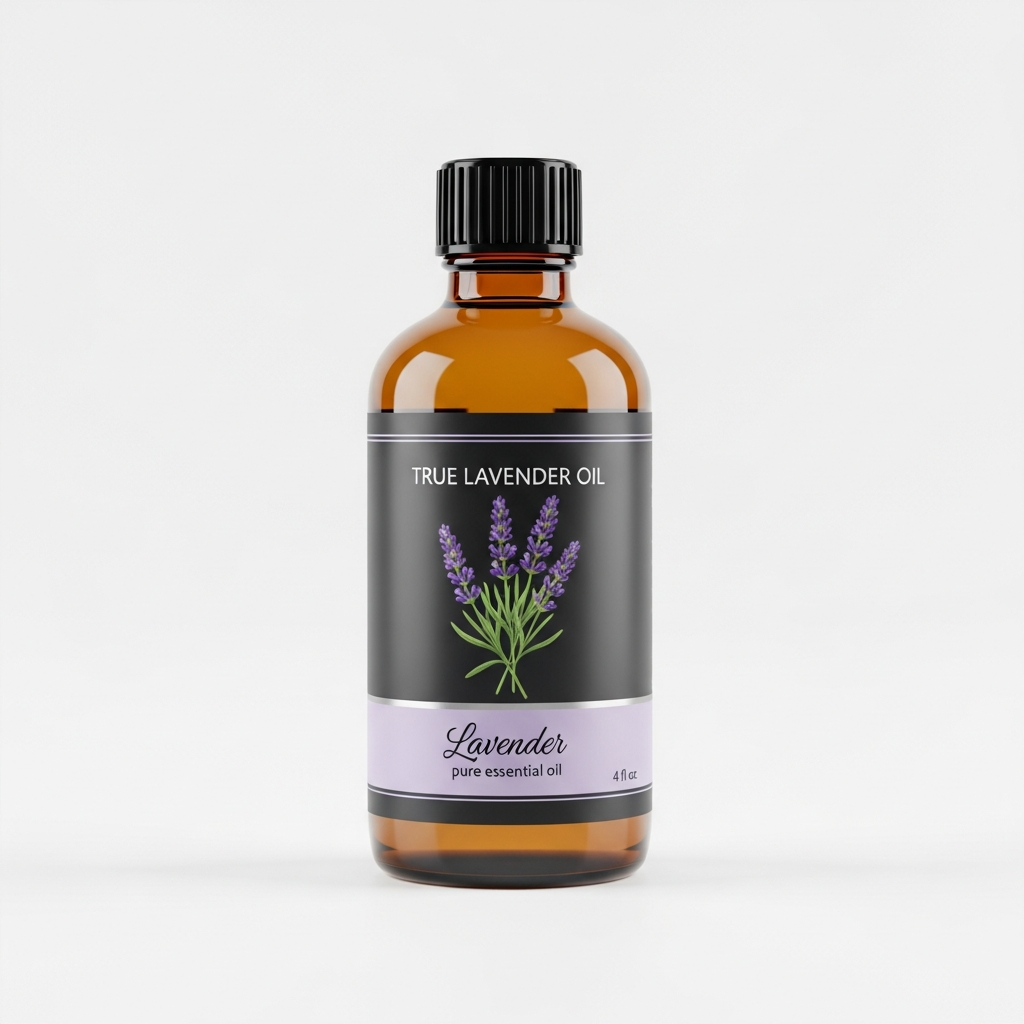
Lavender Essential Oil
Our own Lavender Essential Oil, in sizes from 0.5 oz to bulk.
From $10.99
Shop Now →This guide takes a fair look at both oils side by side. If you have been standing in front of your bathroom cabinet wondering which one belongs in your morning or evening ritual, read on.
A Quick Introduction to Each Oil
Lavender Essential Oil (Lavandula angustifolia)
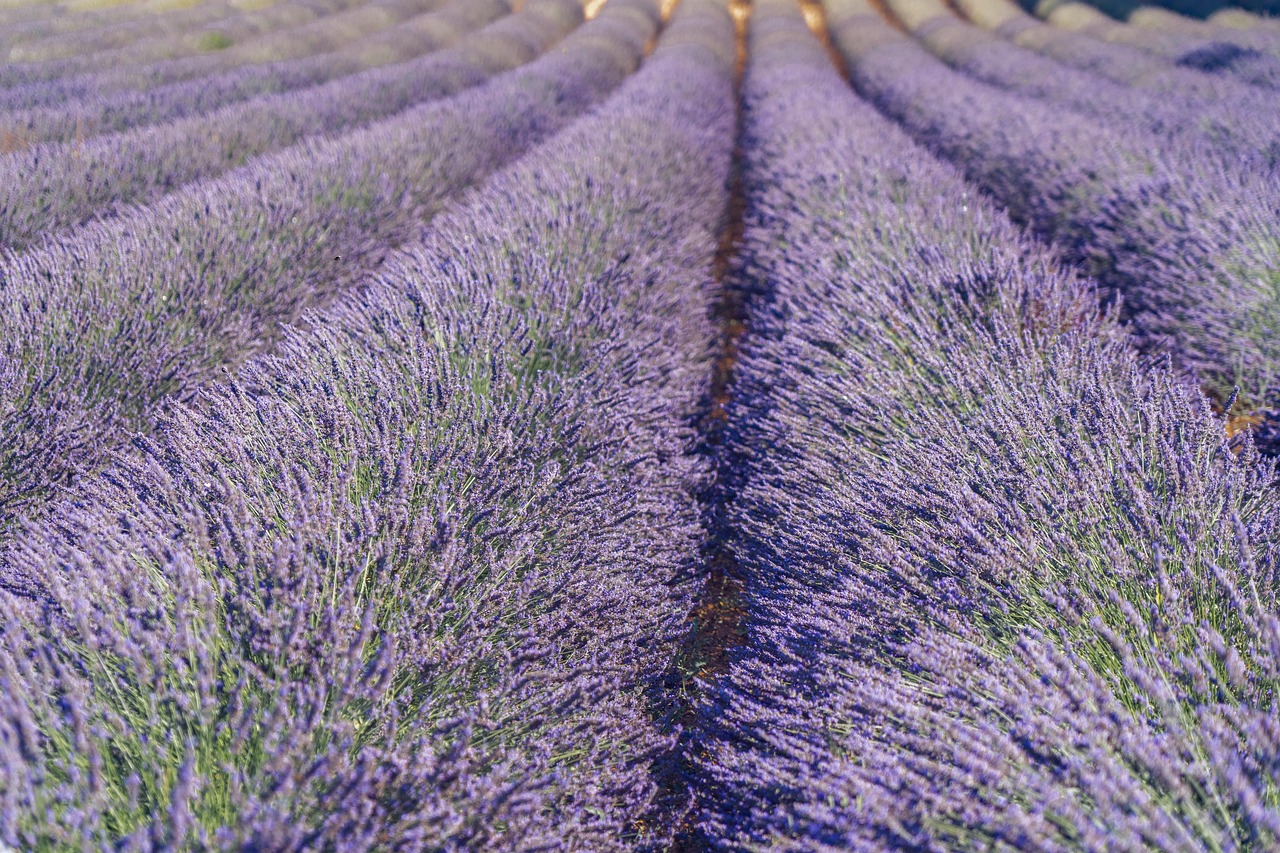
True lavender oil, steam-distilled from the flowering tops of Lavandula angustifolia, has been used in personal care for centuries. Its scent profile sits in the floral-herbaceous range: soft, slightly sweet, with a clean green undertone that most people find genuinely pleasant. On the skin, a properly diluted lavender oil blend feels light and absorbs without a greasy residue.
Quality matters enormously here. Authentic Lavandula angustifolia grown at altitude in regions like Provence or Bulgaria carries a different scent character than lavandin hybrids or synthetic blends. If you want to learn more about choosing a genuine product, our complete guide to lavender oil for skin walks through what to look for on a label.
Tea Tree Essential Oil (Melaleuca alternifolia)
Tea tree oil comes from the leaves of Melaleuca alternifolia, a native Australian plant. Its scent is sharp, medicinal in character, and distinctly camphorous. For many users, that boldness is part of its appeal. In terms of texture, tea tree oil is similarly thin and fast-absorbing, but its intensity means it almost always requires a carrier oil for direct skin contact.
Tea tree has found a firm place in skincare routines, particularly among those who appreciate a no-nonsense, fresh scent. It is a different experience from lavender in almost every sensory dimension.
Side-by-Side Comparison Table
| Attribute | Lavender Oil (L. angustifolia) | Tea Tree Oil (M. alternifolia) |
|---|---|---|
| Scent Character | Floral, herbaceous, softly sweet | Sharp, camphorous, medicinal-fresh |
| Scent Intensity | Moderate, approachable | Strong, distinctive |
| Feel on Skin (diluted) | Light, non-greasy, calming sensation | Light, slightly cooling, bracing |
| Common Dilution for Face | 1% (approx. 6 drops per 30ml carrier) | 1% or less (same guideline applies) |
| Carrier Oil Pairing | Jojoba, sweet almond, rosehip | Jojoba, hemp seed, argan |
| Blending Versatility | High: pairs with florals, citruses, woods | Moderate: pairs well with eucalyptus, peppermint |
| Scent Longevity | Medium (softens quickly) | Medium-High (sharper notes linger) |
| Skin Sensitivity Risk | Low to moderate (always patch test) | Moderate (higher if undiluted) |
| Best Routine Timing | Morning or evening, especially wind-down rituals | Morning or midday; less suited to bedtime for some |
| Aroma in a Shared Space | Generally well-received by others | More polarizing; some find it overpowering |
Lavender Oil in a Skincare Routine: Pros and Cons
Pros
- Aroma that works for almost everyone. Lavender's scent is broadly appealing and tends not to overwhelm a room or a partner.
- Blends easily. Whether you are building a face serum or a body oil, true lavender plays well with most carrier oils and other botanicals. Our article on the best carrier oils to pair with lavender covers jojoba, sweet almond, and other popular options.
- Versatile timing. It works in a morning ritual for a grounding start and in an evening wind-down ritual equally well. Many people find its scent conducive to a calming atmosphere before sleep.
- Gentle reputation. Among essential oils for skin routines, lavender is frequently recommended as a starting point for those new to concentrated botanicals.
- Scalp and hair rituals. Beyond the face, lavender has a long history in scalp massage blends. If that interests you, our lavender oil for hair guide explores the possibilities.
Cons
- Quality varies widely. The lavender skincare comparison market is crowded with mislabeled products. Lavandin (a hybrid) and synthetic linalool are common substitutes that behave differently on skin. Sourcing from a reputable grower matters.
- Scent can feel subtle for those who prefer bold aromas. If you want a sharp, wake-up sensory experience, lavender may feel understated.
- Dilution is non-negotiable. Even though lavender is considered relatively gentle, applying undiluted essential oil directly to facial skin is not recommended. Always follow safe dilution practices. Our guide on how to dilute lavender oil covers ratios and safety clearly.
Tea Tree Oil in a Skincare Routine: Pros and Cons
Pros
- Immediately distinctive. If you want to know your product is doing something, tea tree's sharp scent delivers a clear sensory signal. Many users find this satisfying as part of a morning skin ritual.
- Cooling sensation. Diluted tea tree in a carrier oil can produce a light, cooling feel on skin, which some people particularly enjoy during warm months.
- Widely researched. Tea tree oil has attracted considerable scientific attention over the decades. Some research suggests it may support a balanced-looking complexion when used as part of a consistent routine.
- Long shelf presence. Its stronger scent notes tend to linger, which can mean a little goes further for sensory impact.
Cons
- Polarizing aroma. The camphorous, clinical scent is not universally loved. For many users, the lavender vs tea tree oil question comes down to this single point.
- Higher sensitivity risk if misused. Tea tree oil applied undiluted or at high concentrations can cause significant skin irritation. This is not a beginner-friendly oil to freestyle with.
- Less blending versatility. Its dominant scent can overpower more delicate botanicals, limiting the creative range of your DIY blends.
- Not ideal for every routine moment. The alerting nature of its scent makes it a poor fit for a calm, pre-sleep wind-down ritual for many people.
- Varies by chemotype. Like lavender, quality and composition vary by source and season. Look for standardized terpinen-4-ol content when buying.
Safety Notes for Both Oils
This section applies to every essential oil you use on skin, without exception.
- Always dilute. For facial application, a 1% dilution (roughly 6 drops per 30ml of carrier oil) is a widely cited starting point. For body use, up to 2% is more common. Never apply either oil undiluted to the face.
- Patch test first. Apply a small amount of your diluted blend to the inner forearm, wait 24 hours, and check for any redness or irritation before using it more widely.
- Pregnancy, nursing, and children. Consult a qualified healthcare provider before adding any essential oil to your routine during pregnancy or when using products on young children.
- Sun sensitivity. While lavender and tea tree are not typically cited as photosensitizing oils the way citrus oils are, it is still worth checking any blended product for other photosensitizing ingredients before sun exposure.
- Medical conditions. Essential oils are not a substitute for professional care. If you have any skin concerns you are uncertain about, speak with a qualified healthcare provider before experimenting with concentrated botanicals.
Best for Each Use Case
Evening Wind-Down Skin Ritual
Lavender wins here. Its soft, floral scent is broadly suited to a calming atmosphere, and a slow-paced evening application feels natural. Tea tree's sharpness can interrupt the mood many people seek at the end of the day.
Morning Wake-Up Face Routine
Both work, but for different personalities. If you want a grounding, gentle start, lavender is your companion. If you love a bracing, alerting sensory note to open your morning, tea tree in a well-diluted blend may suit you better.
Scalp and Hair Blends
Lavender has a longer tradition here. Its compatibility with a wide range of carrier oils and its gentle reputation make it the more accessible choice for scalp massage blends. Tea tree is also used in hair care products, but its intensity means careful dilution is especially important.
Building a Scent-Led Skincare Ritual
Lavender by a significant margin. For those who want their essential oils for skin routines to also serve an aromatic, mood-setting purpose, true Lavandula angustifolia has a complexity and softness that blends naturally into a sensory experience. Tea tree is functional and purposeful in its scent, but not what most people reach for when they want their bathroom shelf to smell beautiful.
No-Fuss Single-Oil Starting Point
Lavender, for most people. It is genuinely forgiving for those new to essential oils in a skin routine, provided dilution guidelines are followed. Tea tree deserves respect and more careful handling from the outset.
The Verdict
In this lavender skincare comparison, there is no objective loser. Tea tree oil has real value for those who connect with its bold, direct character. For a narrowly defined use case in a morning ritual where scent intensity is a feature, not a drawback, it earns its place.
Lavender, though, is simply more versatile across the range of situations most people encounter in a daily skin routine. Its scent works across times of day. It blends with a wider variety of carriers and botanicals. It is more approachable for newcomers. And when you are sourcing true Lavandula angustifolia from a grower who can stand behind the origin and the chemistry of what is in the bottle, you are working with something that has stood the test of centuries in personal care.
The lavender vs tea tree oil question is really a question about what you want from your routine's sensory experience. If the answer is warmth, softness, and versatility, lavender is your answer. If you want bold and bracing, tea tree deserves a place on your shelf. Many experienced essential oil users find room for both, used intentionally in the right moments.
Whichever you choose, the non-negotiables remain the same: source carefully, dilute properly, patch test always, and check with a qualified healthcare provider if you have any uncertainties about how a new ingredient fits your personal situation.