Best Lavender Oil Sizes: Which Bottle Should You Order First?
Picking a bottle size feels like a small decision until you realize you've bought a 4-ounce jug of something that smells like a gas-station air freshener. Lavender oil sizes matter for two reasons: how much you spend upfront, and how quickly you'll go through it before quality starts to fade. This guide walks you through every common format on the market, what to look for before you click "add to cart," and which size actually makes sense for where you are right now.
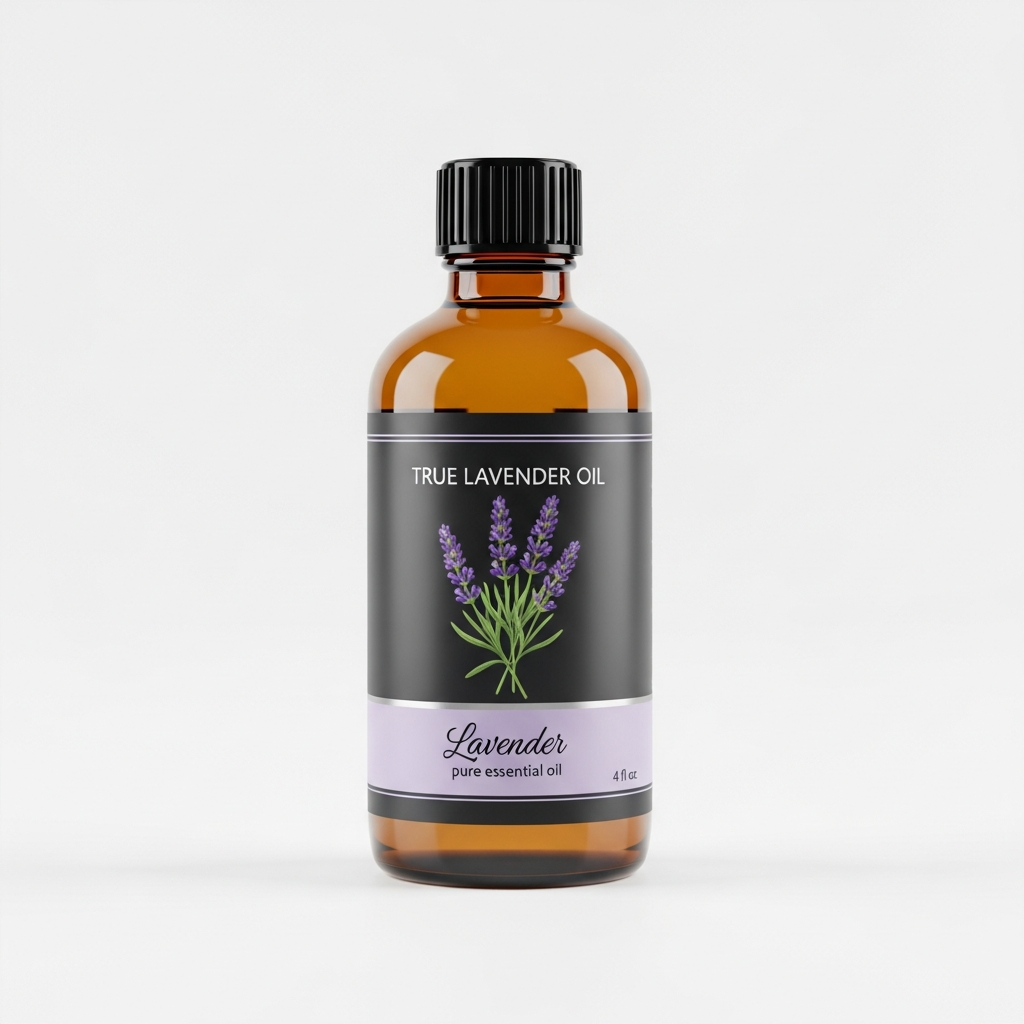
Lavender Essential Oil
Our own Lavender Essential Oil, in sizes from 0.5 oz to bulk.
From $10.99
Shop Now →Start Here: What You're Actually Buying
Not all lavender oil is the same plant. True lavender oil comes from Lavandula angustifolia, grown at higher altitudes where the slow growing season concentrates the naturally occurring esters that give genuine lavender its soft, rounded scent. What many retailers sell instead is lavandin (Lavandula x intermedia), a hybrid with a sharper, more camphor-forward profile that costs significantly less to produce.
Before you compare bottle sizes, confirm you're comparing the same product. Check the label for the full Latin binomial. A bottle that simply says "lavender essential oil" with no species name is worth scrutinizing. For a deeper look at how these varieties differ in scent and price, see our guide on lavender oil vs. lavandin oil: price, scent, and best uses.
Quality Indicators to Check Before Size Even Matters
A larger bottle of poor-quality oil is just more of a bad thing. Run through these checkpoints first.
- Latin name on the label: Look for Lavandula angustifolia. Nothing vague, nothing abbreviated.
- Country and region of origin: Bulgaria and France are the two most respected growing regions for true lavender. Our breakdown of Bulgarian vs. French lavender oil covers how origin shapes scent character and what you can expect from each.
- Batch-specific GC/MS testing: Gas chromatography and mass spectrometry reports confirm what's actually in the bottle. Reputable suppliers publish these per batch, not just as a generic certificate.
- Harvest year or distillation date: Lavender oil is best used within two to three years of distillation. No date on the label is a red flag.
- Packaging: Dark amber or cobalt glass protects the oil from light degradation. Clear glass or plastic bottles suggest the seller isn't prioritizing shelf life.
- Price range: True Lavandula angustifolia costs more to produce than lavandin. If a price looks too good to be true for the species claimed, it probably is.
For a full breakdown of what separates true lavender from its relatives, visit our article on lavender varieties and quality: true vs. spike vs. lavandin.
The Lavender Oil Bottle Size Guide
Here's a practical breakdown of the most common lavender oil sizes you'll find, who each one suits, and what you should expect to pay for genuine quality.
5 ml (Sample or Trial Size)
The 5 ml bottle holds roughly 100 drops. It's the format to choose when you're testing a supplier for the first time or deciding between two origins. At this size, commitment is low and the risk of getting stuck with a large quantity of oil you don't enjoy is zero.
The downside is cost-per-milliliter. Sample sizes almost always carry a premium per unit. Think of the 5 ml as paying for the privilege of trying before you commit, not as a long-term value choice.
Best for: First-time buyers, comparing multiple suppliers, gift exploring.
10 ml (Standard Single-Use Bottle)
Ten milliliters is the most widely sold size in the essential oil world. It holds around 200 drops, which gives a solo user somewhere between one and three months of regular use depending on application. This is the sweet spot for people building a first lavender routine with a diffuser or simple diluted application.
At this size, you'll find the widest selection across brands, which makes comparison shopping easier. Amber glass is standard at this volume, and reputable brands will include a euro dropper insert that gives you controlled, single-drop dispensing.
Best for: Everyday personal use, diffusing, starting a skincare or hair-care ritual.
15 ml (The Popular Middle Ground)
The 15 ml bottle is the format many essential oil brands built their reputations on. It offers slightly better value than a 10 ml without the upfront cost of a larger size. If you've already tested a 5 ml or 10 ml from a supplier you trust and enjoyed it, the 15 ml is a natural next step.
This size works well for households with one or two regular users. It also fits standard essential oil storage racks if you're building a collection.
Best for: Repeat buyers, households with one to two users, moderate diffuser use.
30 ml (The Committed User's Bottle)
At 30 ml, you're crossing into genuine savings territory. Cost-per-milliliter drops noticeably compared to the smaller formats. This size makes sense once you've confirmed a supplier's quality and you know you'll use the oil regularly within 18 to 24 months.
Households that use lavender across multiple applications (diffusing, linen sprays, diluted topical blends, DIY products) will find a 30 ml bottle disappears faster than expected. For DIY safety note: always dilute lavender oil properly before skin contact, typically 1 to 2 percent in a carrier oil for adults, and patch-test before wider use.
Best for: Established users, multi-application households, DIY blenders.
50 ml to 100 ml (Semi-Bulk for Heavy Users)
Once you move past 30 ml, you're entering the range that small-batch makers and very active home users typically occupy. At 100 ml, the value-per-milliliter is noticeably stronger, but you're also committing to using that volume before the oil's quality window closes.
Storage becomes a real consideration here. Keep larger bottles in a cool, dark location away from temperature fluctuations. A 100 ml bottle of true Lavandula angustifolia stored correctly can maintain its character for 18 to 24 months after opening.
Best for: Small-batch soap and candle makers, aromatherapy practitioners, frequent formulators.
500 ml and Above (Wholesale and Bulk Formats)
Half-liter bottles and larger are the domain of commercial producers, professional formulators, and retailers. At this scale, quality verification becomes even more critical because you're buying a significant quantity in a single transaction. Always request batch-specific GC/MS documentation before purchasing at bulk volume.
If you're considering bulk purchasing for a product line or a larger operation, our dedicated guide on wholesale lavender oil: a buyer's guide to bulk sizes covers supplier vetting, storage infrastructure, and pricing expectations in much more detail.
Best for: Product manufacturers, professional formulators, retailers, large-scale operations.
Size Comparison at a Glance
| Size | Approx. Drops | Best For | Value Rating | Shelf Life After Opening |
|---|---|---|---|---|
| 5 ml | ~100 | First-time buyers, sampling | Low (premium per ml) | 12 to 18 months |
| 10 ml | ~200 | Personal daily use | Moderate | 12 to 18 months |
| 15 ml | ~300 | Regular single or dual-user households | Moderate to good | 18 to 24 months |
| 30 ml | ~600 | Established users, DIY blenders | Good | 18 to 24 months |
| 100 ml | ~2,000 | Heavy users, small producers | Very good | 18 to 24 months |
| 500 ml+ | ~10,000+ | Commercial and wholesale buyers | Best per ml | 24 to 36 months (unopened) |
Red Flags to Avoid When Buying Any Size
The lavender oil market has its share of shortcuts. Here's what to watch for regardless of bottle size.
- "Fragrance oil" or "lavender scent" labeling: These are synthetic products, not essential oils.
- No species name listed: A supplier who genuinely sells Lavandula angustifolia will say so clearly. Vagueness usually means lavandin or a blend.
- Unusually low pricing for the claimed species: True high-altitude angustifolia costs more to grow and distill. Pricing that undercuts the market significantly should prompt questions.
- No GC/MS report available on request: Transparency is standard practice among quality suppliers. If they can't or won't share batch testing data, that tells you something.
- Plastic packaging for primary storage: Essential oils can interact with certain plastics over time. Reputable suppliers use dark glass.
- Missing or vague harvest information: You want to know when the oil was distilled. "Fresh stock" is not a date.
- Synthetic extenders or carrier oil additions: Some suppliers dilute oils before bottling without disclosing this. A GC/MS report will catch it.
Where to Buy Lavender Oil
The best source depends on what size you need and how much verification you want before purchasing.
Direct from the Farm or Distillery
Buying directly from a producer who grows and distills their own lavender gives you the shortest supply chain and the most transparency. You can often ask questions about growing conditions, altitude, distillation method, and batch specifics. This is the gold standard for quality assurance at any bottle size.
Specialty Essential Oil Retailers
Retailers who focus specifically on essential oils (rather than general wellness or lifestyle products) tend to carry more rigorous sourcing standards. Look for suppliers who publish GC/MS reports publicly, list their sourcing regions clearly, and carry a narrow, well-curated selection rather than hundreds of products with little explanation of origin.
Marketplaces (With Caution)
Platforms like Amazon carry lavender oil from hundreds of sellers at every price point. The convenience is real but so is the variability. If you buy through a marketplace, prioritize sellers who provide verifiable third-party testing documentation and who sell under a clearly identified brand with traceable sourcing. Avoid unbranded generic listings.
Which Size Should You Order First?
If this is your first time buying from a specific supplier: start with a 5 ml or 10 ml. Confirm the scent, review the documentation, and assess how the oil performs in your specific applications before committing to a larger bottle.
If you already have a trusted supplier and you use lavender oil regularly across a diffuser, linen mist, or diluted topical blend: a 30 ml bottle gives you meaningful value without overcommitting on volume before the oil's peak window passes.
If you're scaling a product line or purchasing for professional use: review our wholesale lavender oil buyer's guide before placing a large order. The vetting process at bulk scale is a different exercise entirely, and it's worth doing carefully.
The right bottle is the one that matches your actual usage rate, your current confidence in the supplier, and your storage situation. Start smaller than you think you need. Move up once you've confirmed what you're working with is genuinely worth having more of.