
Lavender Oil vs Lavandin Oil: Price, Scent, and Best Uses Compared
If you've ever shopped for lavender essential oil and noticed a wide range of prices, you've probably stumbled across lavandin without realizing it. The two oils look nearly identical on a label. They smell related. And yet they are genuinely different plants with different chemical profiles, different growing conditions, and different strengths in everyday use.
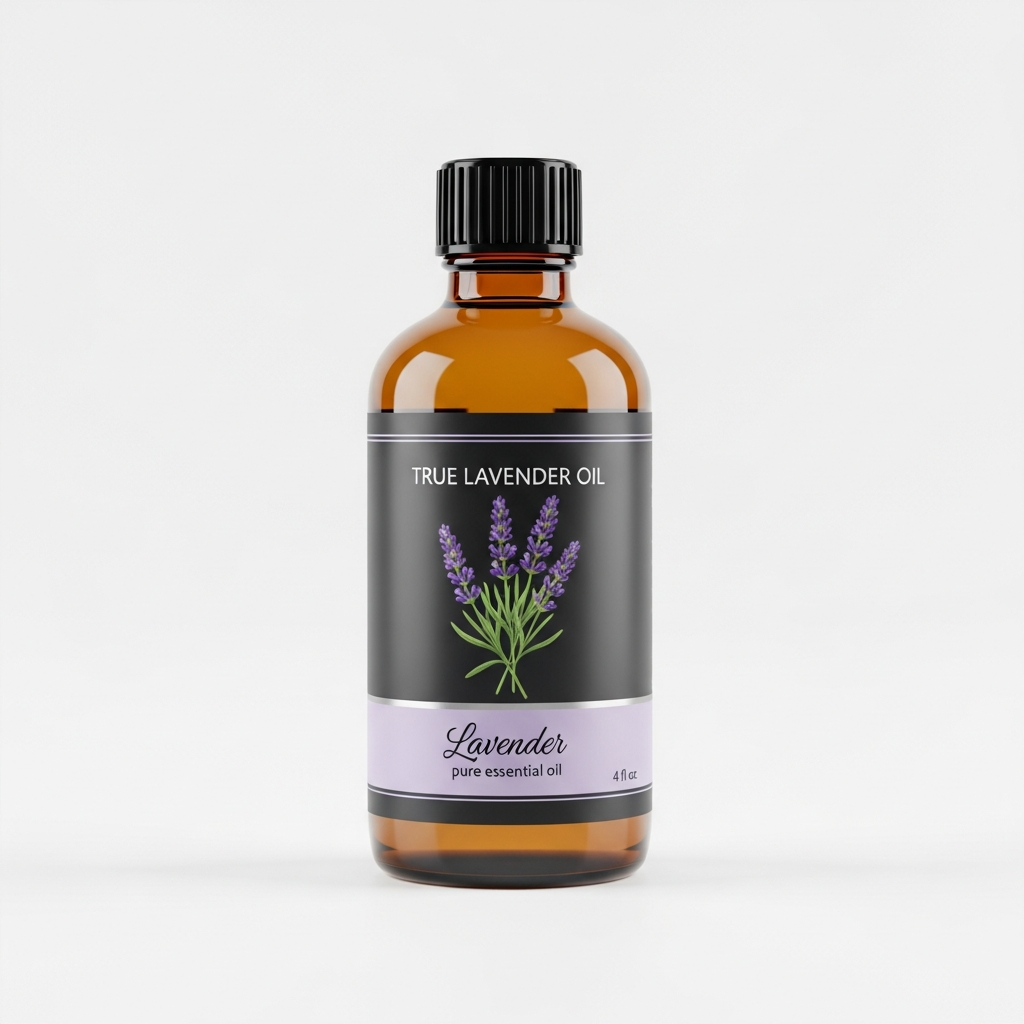
Lavender Essential Oil
Our own Lavender Essential Oil, in sizes from 0.5 oz to bulk.
From $10.99
Shop Now →This lavender oil comparison is here to sort that out clearly and honestly. Neither oil is a fraud. Neither is automatically better. What matters is knowing what you're buying and whether it suits what you actually want to do with it.
The Plants Behind the Oils
True lavender oil comes from Lavandula angustifolia, a species that grows at higher altitudes, typically above 800 meters. The flowers are smaller, the growing season is shorter, and yields per hectare are modest. That relative scarcity is a big part of why genuine Lavandula angustifolia costs more.
Lavandin oil comes from Lavandula x intermedia, a natural hybrid of Lavandula angustifolia and Lavandula latifolia (spike lavender). It thrives at lower elevations, grows vigorously, and produces considerably more oil per plant. Farmers in Provence grow vast fields of it. The economics are straightforward: more oil per acre means lower prices at retail.
For a deeper look at how these species fit into the broader lavender family, our guide on lavender varieties and quality: true vs spike vs lavandin walks through each one in detail.
Scent Profile: Closer Than You'd Think, Different Where It Counts
Both oils open with that recognizable floral-herbaceous character. Casual sniffers often can't distinguish them at first. Spend a little time with both, though, and the differences become apparent.
True lavender (Lavandula angustifolia) has a softer, rounder scent. There's a sweetness underneath the herbal notes, and the overall impression is gentle. The dry-down is smooth and lingering. Perfumers prize it for exactly this quality: it blends without dominating.
Lavandin (Lavandula x intermedia) is sharper and more vigorous. It carries a camphoraceous edge, inherited from its spike lavender parent. The opening is bolder. Some people love this quality; they find it more invigorating and cleaner-smelling. Others find it a little harsh compared to true lavender.
Neither description is a verdict on quality. They're just different scent experiences suited to different contexts.
Chemical Composition: Why It Matters for Use
The camphor content is the key chemical difference between these two oils. True Lavandula angustifolia contains very little camphor, often under 1%. Lavandin typically contains between 6% and 12%, sometimes higher depending on the cultivar (Grosso, Super, and Abrialis are the most common).
Linalool and linalyl acetate, the compounds most associated with lavender's calming, floral character, are present in both. True lavender generally has higher combined percentages of these two components. Lavandin Grosso, the most widely cultivated variety, still carries respectable linalool levels, which is why it dominates the fragrance and personal care industries.
The higher camphor content in lavandin is worth knowing about if you plan to use either oil around young children or during pregnancy. Always consult a qualified healthcare provider before introducing any essential oil into a routine involving infants, children, or pregnant or nursing individuals.
Price Comparison: What to Expect
Price ranges shift with harvests, exchange rates, and supplier practices, but the general relationship between these two oils is consistent.
| Oil | Typical Price Range | Why |
|---|---|---|
| True Lavender (Lavandula angustifolia) | $12 to $35+ | Lower yields, high-altitude cultivation, shorter harvest window |
| Lavandin (Lavandula x intermedia) | $5 to $15 | Higher yields, lower-altitude farming, longer season |
A bottle priced well below $10 for 10 ml of "lavender oil" is almost certainly lavandin, or a blend, or an oil adulterated with synthetic components. Genuine Lavandula angustifolia from reputable sources simply cannot be produced and sold at rock-bottom prices without cutting corners somewhere.
If you want to understand how origin affects price and quality in true lavender specifically, the comparison of Bulgarian vs French lavender oil and whether origin changes quality is worth reading before you buy.
Side-by-Side Comparison Table
| Attribute | True Lavender (L. angustifolia) | Lavandin (L. x intermedia) |
|---|---|---|
| Botanical source | Pure species | Natural hybrid |
| Altitude grown | 800 m and above | 200 to 700 m |
| Scent character | Soft, sweet, floral-herbal | Bold, sharp, camphoraceous |
| Camphor content | Under 1% | 6% to 12%+ |
| Linalyl acetate | High (often 35 to 55%) | Moderate (often 25 to 38%) |
| Typical price (10 ml) | $12 to $35+ | $5 to $15 |
| Oil yield per hectare | Low | High |
| Blending behavior | Soft, versatile, integrates easily | Assertive, may overpower delicate blends |
| Common commercial use | Fine fragrance, skincare, personal ritual | Cleaning products, soaps, large-batch cosmetics |
| Mislabeling risk | High (often sold as lavandin) | Lower (usually labeled honestly) |
Pros and Cons
True Lavender (Lavandula angustifolia)
- Pro: Gentler, more complex scent that blends beautifully with florals, citruses, and woods
- Pro: Very low camphor content makes it a more versatile choice for sensitive skin applications when properly diluted
- Pro: Widely researched; most of the published studies on lavender essential oil use L. angustifolia
- Pro: Considered the benchmark by perfumers and serious enthusiasts
- Con: More expensive, sometimes significantly so
- Con: Higher risk of being mislabeled or adulterated at the lower price tiers
- Con: Scent may feel too subtle for large-space diffusion or heavily scented products
Lavandin (Lavandula x intermedia)
- Pro: Significantly more affordable, making it practical for high-volume uses
- Pro: Strong, long-lasting scent that performs well in candles, soaps, and household products
- Pro: Usually labeled honestly because the name "lavandin" is standard in the fragrance industry
- Pro: Grosso and Super cultivars have a pleasant, robust character many people genuinely prefer
- Con: Camphor content limits its suitability for certain applications and populations
- Con: Less nuanced scent; some find it sharp or slightly medicinal-smelling
- Con: Not a substitute for L. angustifolia in contexts where the specific chemical profile matters
Best-For Recommendations by Use Case
Evening Wind-Down Rituals and Pillow Mists
Choose true lavender. The softer, sweeter scent of Lavandula angustifolia is the one most associated with quiet, calming atmospheres. It diffuses without feeling intrusive. If you're building a bedtime wind-down routine, this is the oil that earns its place on the nightstand.
Homemade Soaps and Candles
Choose lavandin. The bolder scent holds up through saponification and the heat of candle-making better than the more delicate true lavender. For large batches, the price difference also becomes very meaningful. Lavandin Grosso is the fragrance industry's standard for exactly this reason.
Skincare and Facial Blends
Choose true lavender. Lower camphor content and a higher proportion of linalool and linalyl acetate make L. angustifolia the preferred choice when blending into carrier oils for skin use. Always dilute properly (generally 1% or under for facial application), patch-test on a small area first, and consult a dermatologist if you have sensitive or reactive skin.
Household Cleaning Sprays and Laundry Rinses
Choose lavandin. The strong, clean scent does excellent work in functional household products. There's no reason to spend more on true lavender for a floor spray. Lavandin's assertiveness is a genuine advantage here.
Aromatherapy Diffusing for Atmosphere
Depends on preference. True lavender creates a softer, more floral atmosphere. Lavandin fills a room more assertively and some people find its fresh, slightly sharp quality more energizing. Try both in your own space. Personal scent preference is real and valid.
Perfumery and Blending Projects
Choose true lavender for fine blends, lavandin for base-note volume. Experienced blenders sometimes use lavandin to extend the lavender impression in a composition without spending on pure L. angustifolia for every drop. For fine fragrance work, true lavender is worth the cost.
Gifting
If you're putting together a thoughtful essential oil gift, true lavender is almost always the right call. It reads as premium, the scent is universally appealing, and it signals that you paid attention to what's in the bottle. Our lavender oil gift guide: sets and pairings people actually love has practical suggestions for different budgets.
A Word on Labeling and Adulteration
The mislabeling issue runs in one direction almost exclusively: lavandin sold as lavender, not the other way around. Because true lavender commands a higher price, there's financial pressure at every point in the supply chain to substitute the cheaper oil. Some suppliers do this knowingly. Others buy from wholesalers who have already blended or substituted without disclosure.
What protects you as a buyer: look for the full Latin name on the label (Lavandula angustifolia), ask for GC/MS (gas chromatography/mass spectrometry) test results, and flag suspiciously low prices as a warning rather than a bargain. You can also read more about the difference between genuine botanical oils and synthetic substitutes in our piece on lavender oil vs synthetic lavender fragrance.
Lavandin itself, properly labeled, is a perfectly legitimate product with real uses and honest value. The problem is never lavandin. The problem is lavandin pretending to be something it isn't.
The Verdict
True lavender (Lavandula angustifolia) and lavandin (Lavandula x intermedia) occupy genuinely different positions in the market, and both positions are legitimate. The mistake is treating them as interchangeable or assuming one is simply a cheaper version of the other.
If you want the most nuanced scent, the gentlest profile for skin use, and the oil with the deepest research history, true lavender is worth the higher price. If you need volume, strength, and value for functional products or large-batch crafting, lavandin is a sensible and honest choice.
Buy whichever one suits your actual use case. Just buy it from a supplier who labels it correctly and can show you the testing to prove it.
Dilution reminder: Both oils should be diluted in a carrier oil before skin application. A general starting point for adults is 2% (about 12 drops per 30 ml of carrier oil) for body use, and 1% or under for facial blends or sensitive skin. Patch-test before full application. Keep all essential oils away from eyes and mucous membranes. Neither of these oils is appropriate for undiluted use on skin.