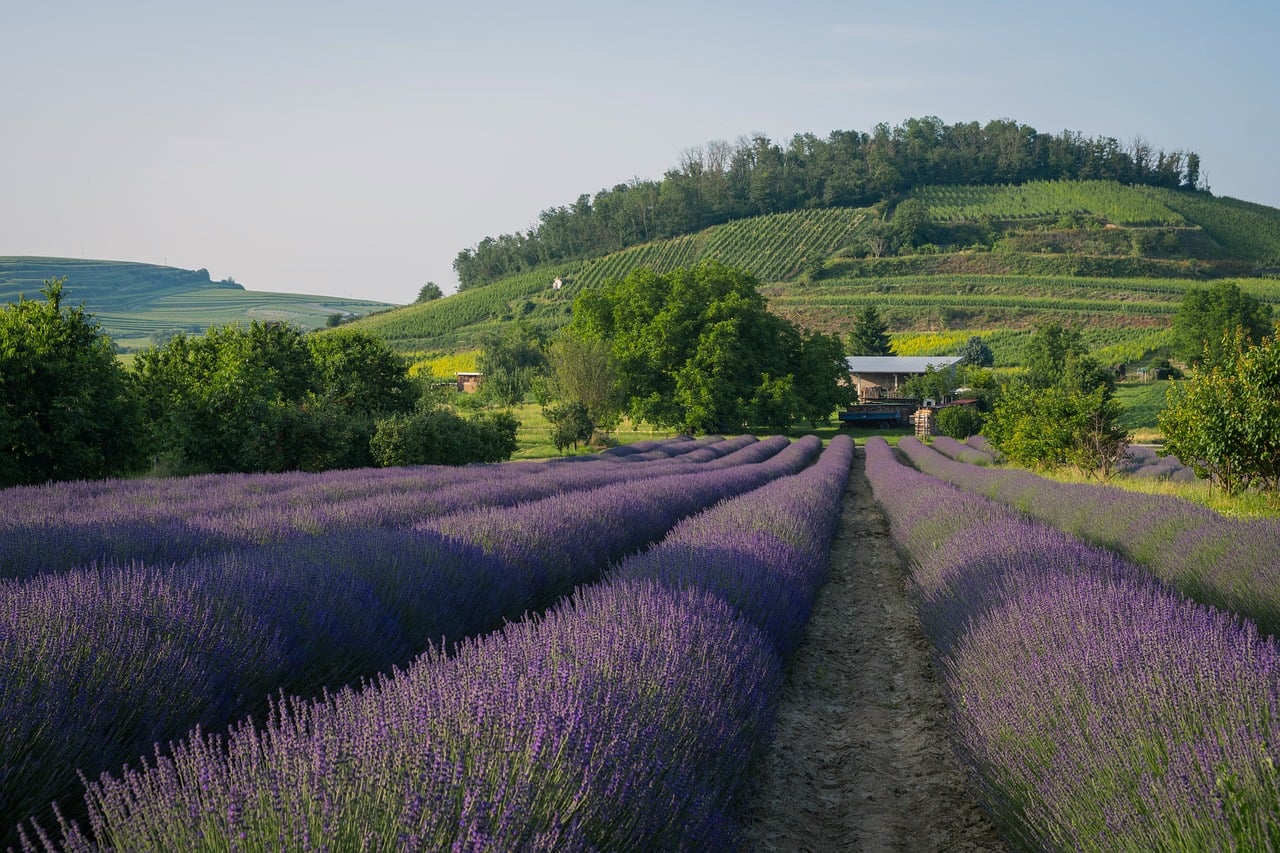
Lavender Oil Gift Guide: Sets and Pairings People Actually Love
Lavender gifts have a reputation for being an easy, thoughtful choice. But the difference between a gift that gets tucked in a drawer and one that becomes a daily ritual comes down to quality. A bottle of true Lavandula angustifolia from a well-sourced farm smells nothing like the synthetic lavender fragrance most people have encountered on store shelves. When someone opens a genuinely good lavender oil for the first time, they notice.
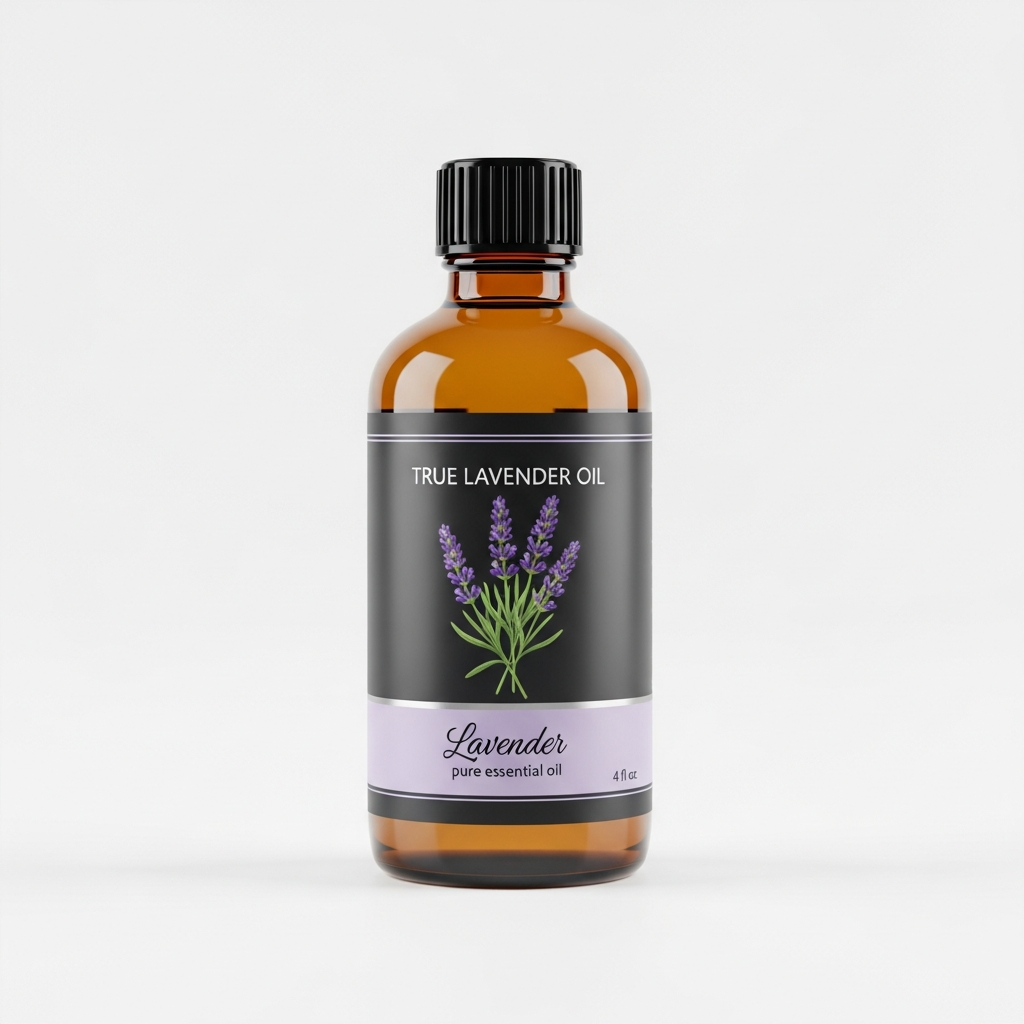
Lavender Essential Oil
Our own Lavender Essential Oil, in sizes from 0.5 oz to bulk.
From $10.99
Shop Now →This lavender gift guide is designed to help you shop with confidence. Whether you are putting together an essential oil gift set from scratch or looking for a curated collection, you will find concrete guidance on what separates exceptional lavender products from disappointing ones, along with specific lavender gift ideas at a range of price points.
What to Look for: Quality Indicators That Matter
Not all lavender oil is created equal. The label might say "lavender," but what is actually inside the bottle varies enormously. Here is what to check before you buy.
The Latin Name on the Label
True lavender oil comes from Lavandula angustifolia. This is the species associated with the classic, soft, floral lavender scent most people love. Other species like Lavandula latifolia (spike lavender) and the hybrid Lavandula x intermedia (lavandin) smell noticeably sharper and more camphor-forward. They are legitimate products with their own uses, but they are not true lavender and should not be sold as such. If a bottle simply says "lavender oil" without specifying the Latin name, that is a yellow flag. For a deeper look at how these species differ, see our guide to lavender varieties and quality: true vs. spike vs. lavandin.
Origin and Altitude
Provenance matters more with lavender than with almost any other essential oil. High-altitude farms in regions like Provence, Bulgaria, and Kashmir produce oil with a chemical profile that lower-altitude cultivation simply cannot replicate. The growing conditions, soil, and climate all contribute to the final scent and linalool content. A gift-worthy oil should name its origin, ideally down to the farm or region.
GC/MS Testing
Gas chromatography/mass spectrometry (GC/MS) testing is the gold standard for verifying that an essential oil is what it claims to be. A reputable brand will publish these reports or make them available on request. If a seller cannot provide a GC/MS report, move on. Before you purchase anything for a gift, it is worth understanding how to read these documents. Our article on how to read a GC/MS report for lavender oil before you buy walks you through exactly what to look for.
Packaging
Essential oils are sensitive to light and heat. A quality oil should arrive in a dark amber or cobalt blue glass bottle, never clear plastic. The cap should have a built-in dropper or orifice reducer to prevent oxidation from repeated opening. For gift sets, look for packaging that protects bottles during shipping and storage.
Key Features to Compare When Choosing a Set
Once you have confirmed that a product uses genuine Lavandula angustifolia with proper testing documentation, the next step is comparing the details that make a gift feel considered rather than generic.
| Feature | What Good Looks Like | What to Avoid |
|---|---|---|
| Latin name listed | Lavandula angustifolia clearly stated | Generic "lavender oil" with no species name |
| Origin disclosure | Named country, region, or farm | "Worldwide blend" or no origin listed |
| GC/MS report | Batch-specific, publicly available | No testing info, or only "third-party tested" with no documentation |
| Bottle material | Dark amber or cobalt glass | Clear glass, plastic, or oversized bottles for a single oil |
| Set cohesion | Oils or products that share a sensory story | Randomly bundled items with no clear theme |
| Price per ml | Reflects single-origin quality | Suspiciously cheap (often adulterated or lavandin) |
Top Picks at Different Price Points
The lavender gift ideas below are organized by budget. At every level, the focus is on verified quality, not just attractive packaging.
Under $30: The Thoughtful Starter
A single 10ml bottle of genuine Bulgarian or French Lavandula angustifolia from a brand that publishes its GC/MS reports makes an excellent entry-level gift. Pair it with a small ceramic diffuser pendant or a linen sachet bag for a complete, low-cost presentation. The key is choosing a brand that is transparent about sourcing. A $15 bottle from a trusted single-origin seller will outperform a $28 "lavender wellness kit" from a big-box store that blends lavandin with synthetic fixatives.
Good additions at this price point: a small booklet on lavender origins, dried lavender buds in a kraft paper bag, or a simple roll-on bottle for blending at 2% dilution with a carrier oil.
$30 to $75: The Essential Oil Gift Set That Feels Complete
This is the sweet spot for most lavender gift guides, and where the market gets interesting. A well-designed essential oil gift set in this range might include a 15ml or 30ml bottle of true lavender alongside a complementary oil (bergamot and lavender pair beautifully, as do lavender and frankincense), a carrier oil such as jojoba or sweet almond, and a small booklet with usage suggestions.
What elevates a set in this range is a sensory story. The best gift sets do not just bundle products; they suggest how the recipient might use them together as part of an evening wind-down routine or a morning refresh ritual. Look for sets where every item passes the same quality scrutiny as the lavender oil itself. A carrier oil should also be cold-pressed and clearly labeled.
$75 to $150: Single-Origin and Rare Varieties
At this price point, the most memorable lavender gift ideas involve rare or exceptional origins. Kashmiri lavender, for example, is grown at extreme altitude in a very limited supply region and produces oil with a distinctive, almost honeyed quality that experienced lavender lovers often describe as unlike anything they have encountered before. English lavender from small family farms in Norfolk or the Cotswolds similarly offers a provenance story that adds genuine value to the gift.
Our piece on Kashmir and English lavender oils: rare origins worth knowing provides background that would even make good reading for the gift recipient. Consider printing or linking to it as part of the gift presentation.
Sets in this range might include a 30ml single-origin bottle, a matching hydrosol (lavender floral water), beeswax-based products scented with the same batch of oil, and a gift card with farm coordinates or harvest year.
$150 and Up: The Collector's Pairing
For a lavender enthusiast, a side-by-side comparison of two distinct single-origin oils is genuinely exciting. A Bulgarian high-altitude versus a Kashmiri, or a French Provence versus an English cultivar, gives the recipient a sensory education and a reason to revisit both bottles repeatedly. This type of pairing works especially well when the brand provides batch-matched GC/MS reports for both, so the recipient can see the chemical differences as well as smell them.
Add a quality nebulizing diffuser and the package becomes a full sensory setup for a dedicated home ritual. At this price point, presentation matters: solid wood boxes, handwritten harvest notes, and branded glass droppers all signal that care went into every detail.
Red Flags to Avoid
The lavender oil market has more than its share of products that look appealing but disappoint once opened. Here are the most common warning signs.
- No Latin name listed. This is the single clearest indicator that a seller is not being transparent about what they are selling.
- "Lavender fragrance oil" sold as essential oil. Fragrance oils are synthetic and serve a different purpose entirely. They are not the same product.
- Prices far below market rate. Genuine Lavandula angustifolia from a named origin costs more to produce than synthetic blends or lavandin. If a 30ml bottle is priced at $5, it is almost certainly not what the label implies. Our article on lavender oil myths vs. facts: what the label really tells you covers this in detail.
- Vague or stock photography on the brand website. Brands that source directly from farms usually have real farm photos, harvest documentation, and distiller relationships to show. Generic stock images of purple fields are a soft warning sign.
- No contact information or testing documentation. A brand confident in its product will answer sourcing questions. If the customer service page has only a form and no response comes, look elsewhere.
- Sets padded with filler items. A gift set that includes six bottles of "lavender-scented" items but only one actual essential oil is not an essential oil gift set. It is a cosmetic bundle that happens to contain one.
Where to Buy
The most reliable sources for genuinely good lavender gifts share a few characteristics. They publish GC/MS reports per batch, they name their origins specifically, and they are willing to answer questions about sourcing directly.
Small-batch distillers who sell direct-to-consumer often offer the most transparent sourcing. Farm cooperatives in Provence, Bulgarian distilleries with export programs, and UK lavender farms with online shops all tend to prioritize oil quality over marketing. Specialty natural product retailers with a rigorous vetting process are also a strong option, provided they publish testing documentation for what they carry.
Mainstream marketplaces can surface legitimate products, but the lavender oil category on large platforms is also home to a significant amount of adulterated or mislabeled oil. If you do shop on a marketplace, apply the same checklist: Latin name, named origin, and publicly available GC/MS reports before any purchase.
Pairings That Make Lavender Gifts More Memorable
The best lavender gift ideas go beyond the bottle. Here are pairings that experienced essential oil users genuinely appreciate.
- Lavender oil plus a quality diffuser. A nebulizing diffuser (one that uses no heat or water) preserves the scent profile of the oil better than ultrasonic models. For a serious lavender lover, this pairing is the most used.
- Lavender oil plus a carrier oil and roll-on bottles. Ready-to-use at a standard 2% dilution (roughly 12 drops per 30ml of carrier oil), this pairing makes the oil accessible for pulse-point use immediately.
- Lavender oil plus a lavender hydrosol. Hydrosol is the aromatic water co-produced during steam distillation. It has a gentler, more diffuse scent and works well as a linen mist or facial toner. Together, the oil and hydrosol from the same batch make a cohesive and beautifully scented set.
- Two single-origin lavenders side by side. As noted above, a sensory comparison is one of the most educational and engaging gifts for anyone who already loves lavender.
- Lavender oil plus complementary single oils. Bergamot, cedarwood, and clary sage all pair well with lavender in a diffuser. A small curated trio with a pairing suggestion card adds genuine value without inflating the price.
A gift is only as good as the thought behind it. With lavender, that thought should start with the source. One honest, well-documented bottle from a named farm will always outperform a flashy set of unlabeled vials.
Shopping for a lavender gift does not have to be complicated. Start with the species name, confirm the origin, and verify the testing documentation. Everything else, the packaging, the pairings, the price point, falls into place from there. When you give someone a bottle of genuine Lavandula angustifolia from a farm that cares about its oil, you are giving them something they will actually use and remember.