
How to Read a GC-MS Report for Lavender Oil Before You Buy
Most lavender oil labels tell you very little. A pretty bottle, a farm name, maybe a country of origin. What actually tells the truth about what's inside is a GC-MS report, and knowing how to read one changes everything about how you shop.
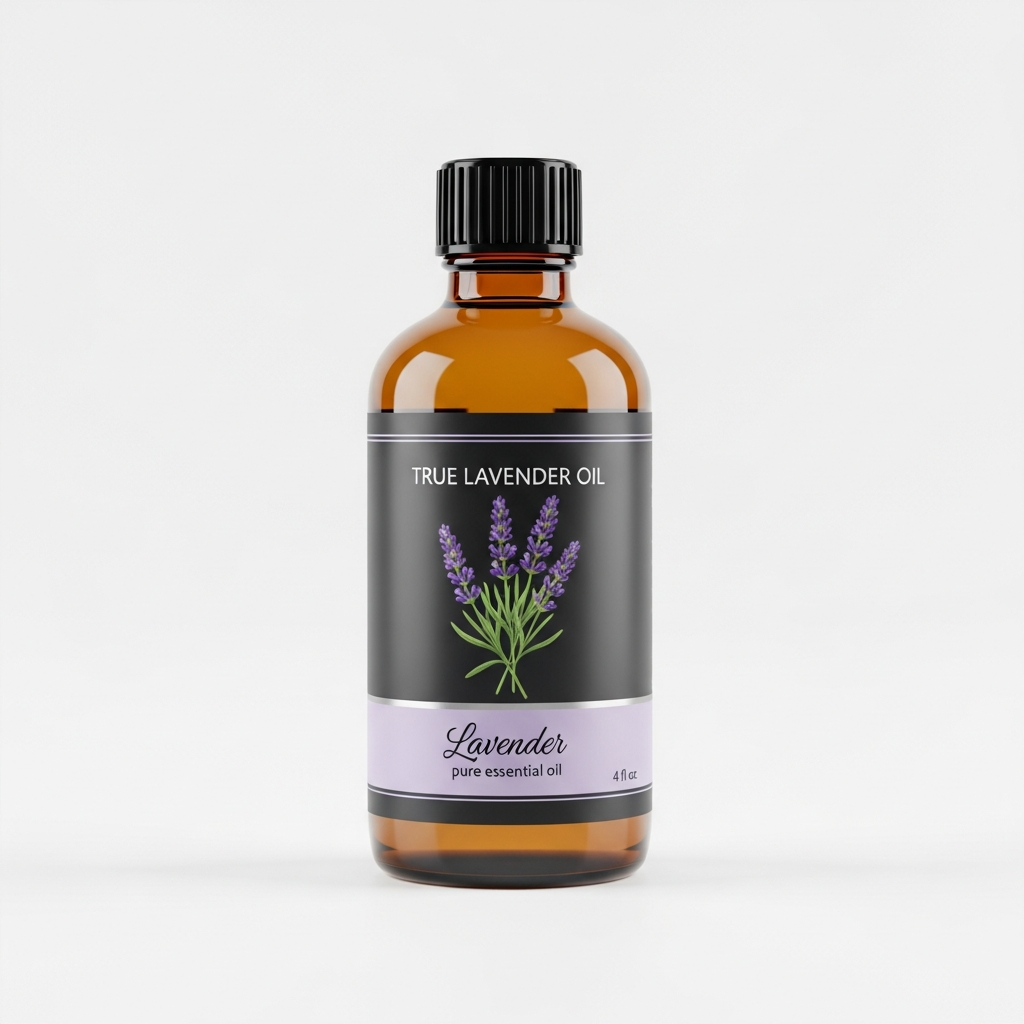
Lavender Essential Oil
Our own Lavender Essential Oil, in sizes from 0.5 oz to bulk.
From $10.99
Shop Now →GC-MS stands for Gas Chromatography-Mass Spectrometry. It sounds intimidating. In practice, it's a standard analytical method that separates an oil into its individual chemical components and identifies each one by molecular weight. The result is a printed report listing dozens of compounds with percentage values next to each. Once you know which numbers to look at and what ranges signal quality, lavender oil purity reports stop being a wall of chemistry and start being a useful buying guide.
This deep dive walks you through the key compounds found in true Lavandula angustifolia, explains what research has observed about them, flags the red-flag markers of adulteration, and shows you how to use lavender oil testing data to make genuinely informed purchases.
Why GC-MS Testing Matters for Lavender Specifically
Lavender is one of the most adulterated essential oils on the market. The demand is enormous, the genuine article costs more than most buyers expect, and adulterated or substitute oils are widely available. True lavender, spike lavender, and lavandin are not interchangeable, but they are routinely sold interchangeably when labeling is loose.
Lavandin (Lavandula x intermedia) is a hybrid with higher yield and lower cost. It is a perfectly legitimate oil in its own right. The problem arises when lavandin is sold as true lavender, sometimes blended with synthetic linalool or linalyl acetate to push the numbers closer to angustifolia ranges. A visual inspection tells you nothing. A GC-MS report tells you almost everything.
Third-party lavender oil testing through an accredited lab is the gold standard. When a supplier publishes batch-specific GC-MS reports, ideally with the lab name and date visible, that transparency is itself a quality signal. When a supplier refuses to share testing data or offers only a generic certificate of analysis without compound percentages, that absence is worth noting.
The Major Compounds to Know
A GC-MS report for true Lavandula angustifolia will list many compounds. Most are present in tiny fractions of a percent. The ones below are the primary markers you should check first.
Linalool
Linalool is the dominant compound in most high-quality true lavender oils, typically ranging from roughly 25% to 45% depending on the cultivar, altitude, and harvest timing. It is a naturally occurring monoterpene alcohol with a soft, floral scent character. Research published in various phytochemistry journals suggests linalool contributes significantly to the sensory profile most people associate with lavender.
On a GC-MS report, look for linalool within that 25-45% window. A number below 20% may indicate a lower-quality distillation or a different species. A number above 50% in a claimed natural oil is worth questioning, as it can suggest synthetic linalool has been added to boost the figure.
Linalyl Acetate
Linalyl acetate is the ester form of linalool and is equally important. In fine true lavender, it commonly ranges between 25% and 45% as well, sometimes accounting for a larger share than linalool itself, depending on the growing region. High-altitude lavender from regions like Kashmir tends to show particularly notable linalyl acetate levels. If you want to explore how origin shapes composition, the story of Kashmir and English lavender origins is worth reading alongside this guide.
Combined, linalool and linalyl acetate in a quality true lavender should often represent 60-80% or more of the total composition. If these two compounds together account for less than 50%, the oil deserves closer scrutiny.
Ocimene (Beta-Ocimene)
Ocimene is a terpene present in small amounts in true lavender, usually under 5%. Its presence and proportion help differentiate true angustifolia from lavandin. Lavandin tends to have lower ocimene and distinctly different camphor levels, which brings us to the next critical marker.
Camphor
This is one of the most useful adulterant flags in any lavender oil purity report. True Lavandula angustifolia should contain very low camphor, generally under 1.5% and often below 0.5% in fine-quality oils. Camphor naturally occurs at higher levels in spike lavender (Lavandula latifolia) and lavandin hybrids, sometimes reaching 6-12% in those species.
If a GC-MS report on a supposedly true lavender oil shows camphor above 2%, that is a significant red flag. It suggests either mislabeling (lavandin sold as true lavender) or blending. Some suppliers blend small amounts of spike lavender into true lavender to increase volume. Camphor levels reveal this quickly.
1,8-Cineole (Eucalyptol)
Like camphor, 1,8-cineole is naturally higher in lavandin and spike lavender than in true angustifolia. In quality true lavender, it should sit below 1%. Values above 1.5% in a claimed true lavender warrant the same skepticism as elevated camphor.
Terpinen-4-ol
Present in small but consistent amounts, typically 2-6% in true lavender, terpinen-4-ol is a compound also found in tea tree oil. Some research observations suggest it may contribute to the overall complexity of the oil's scent profile. Its presence in expected proportions is a supportive quality marker, though it is not the primary one to focus on when assessing authenticity.
Lavandulyl Acetate and Lavandulol
These two compounds are sometimes called the "fingerprint" markers for true Lavandula angustifolia. They are largely absent from lavandin. On a GC-MS report, lavandulyl acetate is typically present at 2-7% and lavandulol at under 1% in genuine angustifolia. Their presence at expected levels provides strong supporting evidence of species authenticity. If both are absent or near zero in a claimed true lavender, the oil's identity should be questioned.
ISO Standards: Your Reference Framework
The International Organization for Standardization publishes specifications for lavender oil (ISO 3515 for Lavandula angustifolia). These define the accepted ranges for the key compounds listed above. A reputable supplier will cite ISO 3515 compliance and their GC-MS data will fall within those published ranges.
You do not need to memorize every number. Simply check that the report references ISO 3515, confirm camphor is below 1.5%, confirm linalool and linalyl acetate are both substantial (aim for combined totals above 60%), and look for lavandulyl acetate above 1%. Those four checks alone will filter out most adulterated products.
Reading the Report: A Practical Walkthrough
GC-MS reports are typically formatted as tables with compound names in one column and percentage values in another. The compounds are usually listed in order of elution time (when they appear during the analysis), not by percentage. So linalool and linalyl acetate may not appear at the top of the list.
Here is a simplified reference table for the compounds discussed above:
| Compound | Expected Range in True Lavender | Red Flag Level |
|---|---|---|
| Linalool | 25% to 45% | Below 20% or above 50% |
| Linalyl Acetate | 25% to 45% | Below 20% |
| Camphor | Below 1.5% | Above 2% |
| 1,8-Cineole | Below 1% | Above 1.5% |
| Lavandulyl Acetate | 2% to 7% | Below 1% |
| Lavandulol | Below 1% | Absent |
| Terpinen-4-ol | 2% to 6% | Above 8% |
Some reports will also list minor compounds like cis- and trans-beta-ocimene, borneol, and various sesquiterpenes. You do not need to evaluate every line. Focus on the markers above. A clean bill of health on those is a strong indicator overall.
Batch-Specific vs. Generic Reports
One detail that separates serious suppliers from casual ones: whether the GC-MS data is batch-specific. Some companies publish a single general report and apply it to every bottle they sell across multiple seasons. This is not particularly useful because lavender oil composition varies with each harvest, each distillation run, and each growing season.
A batch-specific report will include a lot number or batch code that matches the label on your bottle. The report date should correspond to the production period. If you can cross-reference the batch code on your bottle with the published report, the traceability is meaningful. If the supplier provides only a generic or undated report, the lavender oil testing is less useful as a buying tool.
When you are looking for genuine lavender oil online, batch-specific GC-MS transparency is one of the clearest quality signals available. Price is another signal worth understanding. If an oil is priced at a level that seems implausibly low for true angustifolia, the reasons why lavender oil prices vary so widely often come back to exactly these sourcing and testing differences.
Safety Profile and Contraindications
Even a pure, high-quality lavender oil carries important safety considerations. Essential oils are highly concentrated plant extracts and should always be diluted before skin application.
- Dilution: For adults, a 2% dilution is generally considered a starting point for topical use (approximately 12 drops per ounce of carrier oil). For children, the elderly, or those with sensitive skin, lower dilutions are advisable. Always perform a patch test before broader application.
- Linalool oxidation: Research suggests that linalool can oxidize over time, particularly in oils exposed to heat, light, or air. Oxidized linalool has been associated with a higher likelihood of skin sensitization. Store lavender oil in a cool, dark location and keep the cap tightly closed. An oil that smells sharp or different from when you first opened it may have begun to oxidize.
- Pregnancy and nursing: People who are pregnant or nursing should consult a qualified healthcare provider before using essential oils.
- Children: Particular caution is appropriate around very young children. Consult a healthcare provider or qualified aromatherapy professional for guidance on use around infants and toddlers.
- Hormonal sensitivity: Some preliminary research observations have suggested a possible association between lavender oil exposure and hormonal activity. Anyone with relevant health concerns should consult a healthcare provider.
- Drug interactions: If you take any medications, speak with your healthcare provider before incorporating essential oils into your regular routine.
None of the information in this article should be taken as medical advice. A qualified healthcare provider is always the right resource for personal health questions.
Sourcing Signals That Support GC-MS Data
A GC-MS report is most meaningful when it is paired with transparent sourcing. Compound percentages alone do not tell you about farming practices, distillation methods, or storage conditions, all of which affect oil quality.
Consider these sourcing signals alongside any lavender oil GC-MS report you review:
- Named origin: Country and ideally region of cultivation. High-altitude origins (above 800 meters) in France, Bulgaria, or Kashmir tend to produce oils with distinctive compositional profiles. A vague "Europe" or "various origins" label leaves room for blending without disclosure.
- Distillation method: Steam distillation is standard for true lavender. Flash distillation can alter composition. Some producers note still type and distillation duration, which is a meaningful level of detail.
- Harvest timing: Lavender harvested at full flowering peak has different composition than lavender harvested early or late. Some suppliers specify this, and it is a sign they understand their product.
- Storage and shelf life: Quality suppliers will note recommended storage conditions and provide a best-by or production date. Lavender oil is generally considered best used within two to three years of distillation when stored properly.
Putting It Together Before You Buy
Reading a lavender oil purity report is a skill that improves with practice. At first, the compound names feel foreign. After a few reports, you will find yourself scanning directly to linalyl acetate and camphor without even thinking about it.
The core checklist is simple: linalool and linalyl acetate high, camphor and 1,8-cineole low, lavandulyl acetate present, batch-specific report with a matching lot number, and a named origin. That combination, paired with pricing that reflects the genuine cost of true Lavandula angustifolia, gives you a reliable picture of what is actually in the bottle.
True lavender is genuinely worth seeking out. The scent is softer and more complex than lavandin. The composition is distinct in ways that researchers continue to find interesting. And the sourcing story, when a supplier tells it honestly with testing data to back it up, is one worth knowing before you buy.