Kashmir and English Lavender Oils: Rare Origins Worth Knowing
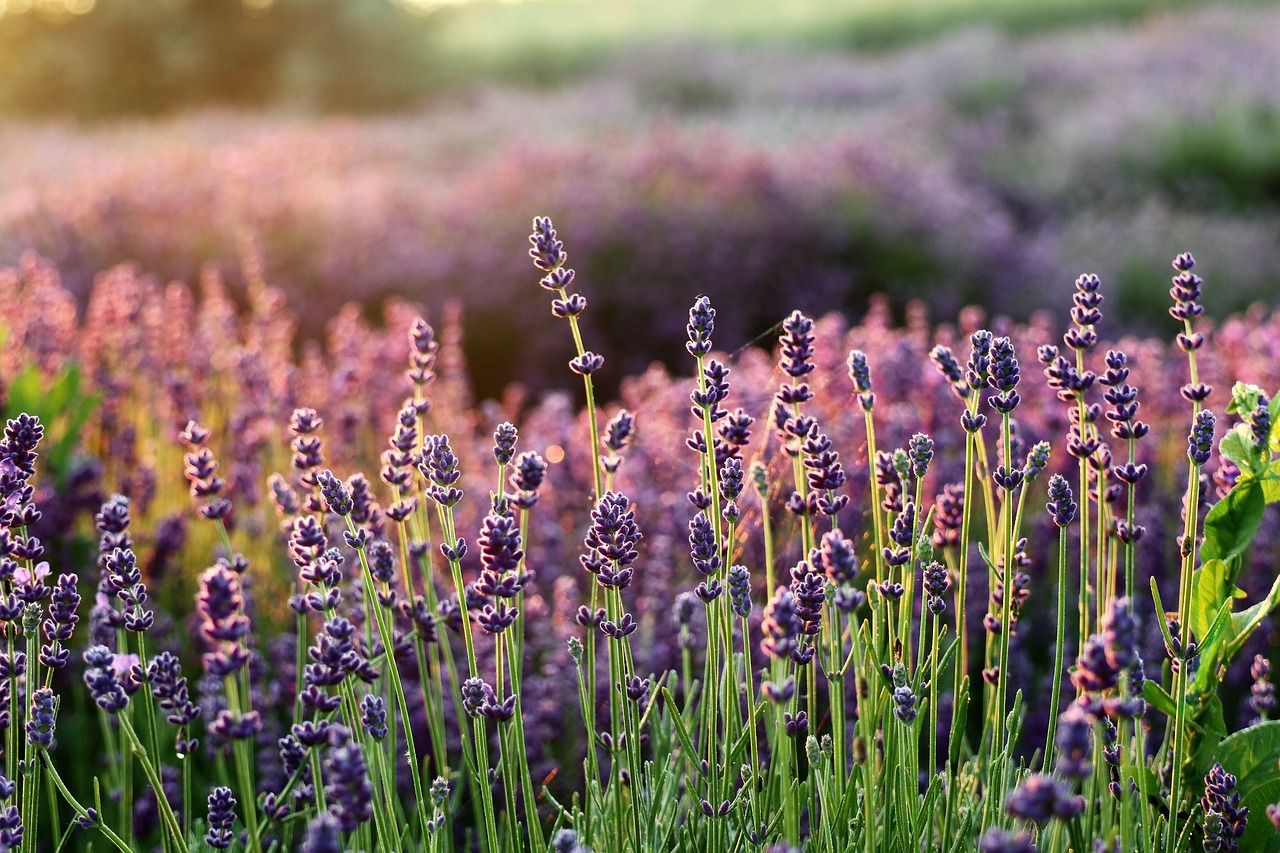
Most people encounter lavender oil without ever asking where it came from. A bottle is a bottle. But origin shapes everything: the altitude at which the plant grew, the mineral content of the soil, the temperature swings between day and night, and the particular cultivar a farmer chose to plant. Two origins stand out for people who want to go deeper into Lavandula angustifolia quality: the high valleys of Kashmir and the chalk downlands of England. Both are rare. Both are chemically distinct. And both reward the kind of attention that most lavender buyers never think to give.
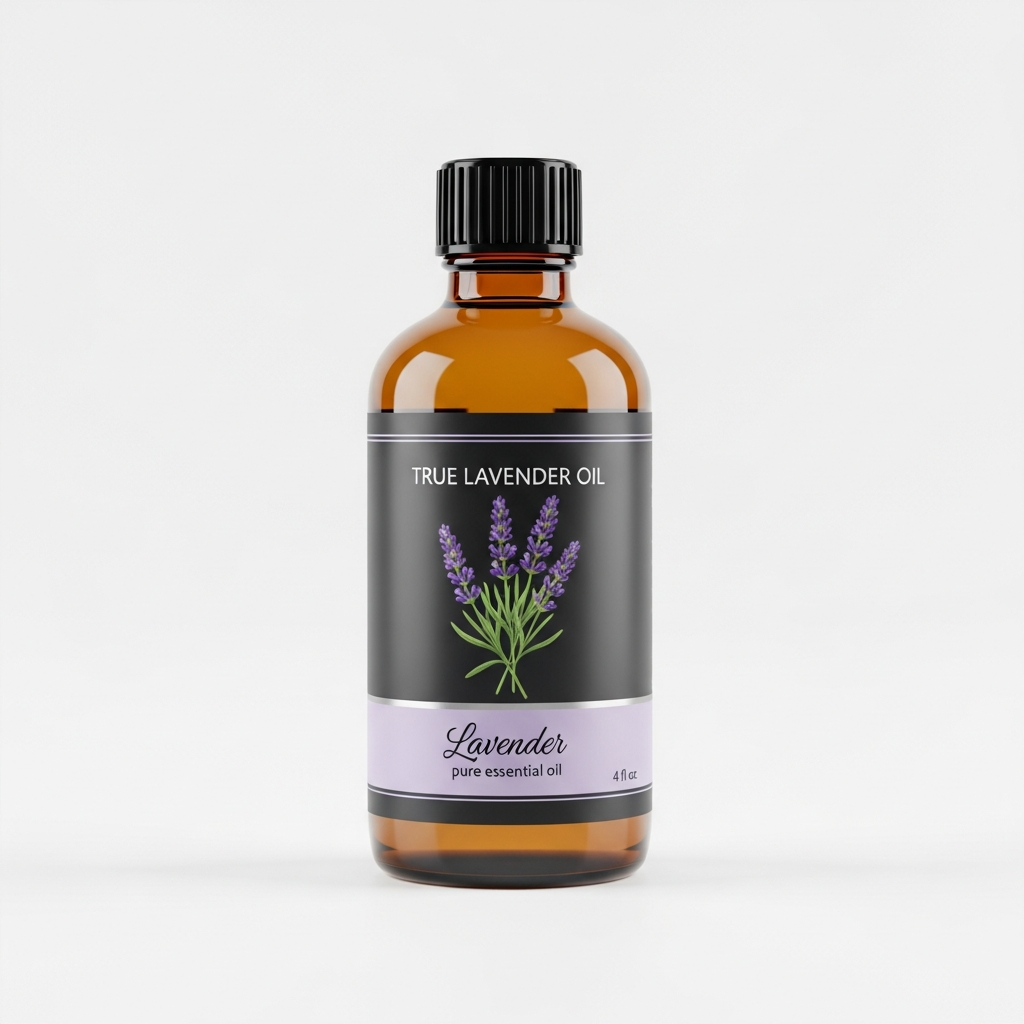
Lavender Essential Oil
Our own Lavender Essential Oil, in sizes from 0.5 oz to bulk.
From $10.99
Shop Now →Why Origin Matters More Than the Label
Lavender essential oil is often treated as a commodity, as if all bottles labeled "lavender" share the same character. They do not. The dominant commercial supply comes from Bulgaria and France, and those oils are excellent benchmarks. But Kashmir lavender oil and English lavender oil each occupy a different place on the spectrum, shaped by geography in ways that show up directly in their chemical profiles.
If you want to understand the differences between species and varieties before diving into regional chemistry, the article on lavender varieties and quality: true vs. spike vs. lavandin provides useful grounding. For now, the focus is on Lavandula angustifolia specifically, and on what happens when it grows at extreme altitudes or in cool, maritime climates.
Kashmir Lavender Oil: Chemistry From the Roof of the World
Kashmir lavender cultivation is concentrated in the Bhaderwah and Kishtwar districts of Jammu and Kashmir, with fields sitting at elevations between 1,500 and 2,500 meters above sea level. The Council of Scientific and Industrial Research (CSIR) in India has supported lavender cultivation in the region as part of the "Aroma Mission," an initiative that introduced Lavandula angustifolia to Himalayan farmers in the 2010s. The program gained attention partly because lavender at altitude produces oil with a chemical signature that analysts find genuinely unusual.
At high elevation, ultraviolet radiation is more intense, nights are cold even in summer, and the growing season is compressed. Plants under these conditions tend to produce secondary metabolites at higher concentrations. For lavender, that means linalool and linalyl acetate, the two compounds most associated with the oil's characteristic profile, but also a broader suite of minor constituents that differ from lowland-grown material.
Key Compounds in Kashmir Lavender Oil
- Linalool: Typically ranges from 25 to 45 percent in well-grown Kashmir material. Some reported samples from high-altitude Bhaderwah fields have shown linalool concentrations toward the upper end of that range.
- Linalyl acetate: Often 30 to 45 percent. The ester content gives the oil its softer, slightly fruity top note.
- Ocimene: A terpene found in elevated proportions in some Kashmir samples compared to Bulgarian controls. Research published in regional agricultural journals suggests this may be a marker of altitude-influenced biosynthesis.
- Camphor: Ideally low in true Lavandula angustifolia, typically under 1.5 percent. Kashmir oils from verified angustifolia cultivars generally stay within this range, though adulteration with lavandin (which carries higher camphor) remains a risk in unverified supply chains.
- Lavandulyl acetate: A compound sometimes used as a quality indicator. Genuine angustifolia should show measurable lavandulyl acetate; its absence can suggest blending with other species.
Research published in journals covering Indian aromatic crops suggests that Himalayan-grown Lavandula angustifolia shows competitive linalool-to-linalyl acetate ratios relative to European benchmarks, though the authors note that cultivation practices, harvest timing, and distillation method all interact with altitude to produce the final profile. These are observations from early-stage regional research, not conclusions drawn from large, replicated trials.
English Lavender Oil: A Quieter, Cooler Chemistry
English lavender oil has a longer documented history in Western commerce. Cultivars like Folgate, Hidcote, and Vera have been grown on English chalk downlands for centuries, and the distillation tradition at farms in Norfolk, Kent, and the Cotswolds is well established. English-grown oil is not the largest volume on the market, but it has a loyal following among perfumers and oil specialists who describe its scent as cooler, greener, and more herbaceous than Provençal oil.
The chemistry tells a coherent story about why.
Key Compounds in English Lavender Oil
- Linalool: English oils frequently show linalool in the 30 to 45 percent range, consistent with high-quality angustifolia from other regions.
- Linalyl acetate: Often slightly lower than French or Bulgarian oil, sometimes in the 28 to 38 percent range. This reduced ester content is one reason the oil's scent reads as less sweet and more green.
- 1,8-Cineole: Should be low, ideally under 1 percent, in genuine angustifolia. Higher cineole suggests contamination with spike lavender or lavandin.
- Beta-ocimene and terpinen-4-ol: Present at low but measurable concentrations. Terpinen-4-ol has attracted attention in the broader essential oil research literature, with some researchers noting its presence across multiple lavender origins.
- Camphor: English angustifolia grown from verified cultivars typically shows very low camphor, often under 1 percent. This is a point of pride for quality-focused English farms.
The cooler, wetter English climate produces a longer growing season with less intense UV radiation than highland Kashmir or sunny Provence. Some researchers suggest this may influence the ratio of monoterpene alcohols to esters, contributing to the green-herbaceous character that makes English lavender oil recognizable to trained noses. These are observations from sensory and compositional studies rather than definitive mechanistic findings.
Comparing the Two: A Side-by-Side View
| Characteristic | Kashmir Lavender Oil | English Lavender Oil |
|---|---|---|
| Typical elevation | 1,500 to 2,500 m | Sea level to 300 m |
| Climate influence | High UV, cold nights, compressed season | Cool, maritime, longer season |
| Linalool range | 25 to 45% | 30 to 45% |
| Linalyl acetate range | 30 to 45% | 28 to 38% |
| Camphor (target) | Under 1.5% | Under 1% |
| Scent character | Floral, full, slightly fruity top | Cool, green, herbaceous |
| Supply volume | Very limited, emerging | Limited, artisan-scale |
| Price range | High to premium | High to premium |
Research Observations Worth Knowing
Linalool and linalyl acetate are among the most studied compounds in aromatic plant research. Some studies involving linalool have observed interactions with receptor systems in preclinical models, and researchers have noted that inhaled lavender oil preparations appear in self-reported surveys to support a sense of calm during evening wind-down routines. These are observations. They are not conclusions about any health outcome, and no essential oil should be considered a substitute for guidance from a qualified healthcare provider.
For Kashmir oil specifically, researchers at CSIR-IIIM (Indian Institute of Integrative Medicine) have published compositional analyses suggesting that altitude-grown material can achieve chemical profiles comparable to European benchmarks. The research base is still developing. English lavender has a longer research history in the European literature, partly because cultivars like Vera and Hidcote have been cultivated consistently enough for longitudinal compositional studies.
One consistent finding across lavender origins: harvest timing matters enormously. Linalyl acetate concentrations peak around mid-bloom and decline after full bloom. Oil distilled too late shows higher camphor and lower ester content regardless of where the plant grew. This is why a well-run small farm in England or Kashmir can produce oil that rivals or exceeds poorly timed harvests from larger operations.
Safety Profile and Contraindications
True Lavandula angustifolia oil has a well-established safety profile when used appropriately. That said, "natural" does not mean "use without care."
Dilution
For topical application, the general guidance from the International Fragrance Association (IFRA) and professional aromatherapy bodies is to dilute lavender essential oil to 1 to 3 percent in a carrier oil for most adult skin applications. That works out to roughly 6 to 18 drops per 30 ml of carrier oil. Do not apply undiluted essential oil to skin without professional guidance.
Patch Testing
Even well-diluted lavender oil can cause a reaction in sensitive individuals. Before using any new batch, apply a small amount of the diluted blend to the inner forearm and wait 24 hours. Discontinue use if redness, itching, or irritation develops.
Populations Requiring Extra Caution
- Pregnant individuals: Consult a qualified healthcare provider before using any essential oil during pregnancy.
- Young children: Dilution ratios should be significantly lower for children, and some practitioners advise avoiding topical use on infants altogether. Seek professional guidance.
- Individuals on medication: Some research suggests linalool may interact with sedative compounds. If you are taking any medication that requires a doctor's oversight, discuss essential oil use with your healthcare provider before beginning a new routine.
- Linalool oxidation: Lavender oil that is old or improperly stored can develop oxidized linalool, which is more likely to cause skin sensitization. Store your oil in a dark glass bottle with a tight cap, away from heat and light, and use it within one to two years of opening.
As with all essential oils, do not ingest lavender oil unless under the direct supervision of a qualified professional. Keep bottles out of reach of children and pets.
Sourcing and Quality Indicators
Rare origins come with sourcing challenges. Kashmir lavender is produced in relatively small volumes by smallholder farmers, and the supply chain is not yet as standardized as the Bulgarian or French markets. English lavender is grown by a small number of specialist farms, most of which sell directly or through a limited network of distributors. In both cases, the risk of adulteration, mislabeling, or simple quality variation is real.
Here are the markers worth checking before buying:
- Gas chromatography/mass spectrometry (GC/MS) reports: A reputable supplier should be able to provide a batch-specific GC/MS report showing the full chemical composition. Check that linalool and linalyl acetate are within expected ranges and that camphor and 1,8-cineole are low.
- Latin name and cultivar: The label or product description should state Lavandula angustifolia. For English oil, a named cultivar (Folgate, Hidcote, Vera) adds credibility. For Kashmir oil, look for references to the Bhaderwah or Kishtwar growing regions.
- Harvest year and batch number: Freshness matters. A supplier who tracks batches is a supplier who cares about quality.
- Dark glass packaging: Clear plastic or clear glass bottles signal that the supplier is not prioritizing oil longevity.
- Pricing that reflects reality: Rare origin oils are not cheap. Our lavender oil price guide explains why costs vary so much between sources, and what unusually low prices usually indicate.
For a broader framework on evaluating quality before you buy, the guide on how to buy pure lavender oil and spot quality before you pay walks through the full checklist. And if you are comparing sourcing channels, the article on where to buy true lavender oil online covers what to look for from reputable online suppliers.
What Makes These Origins Worth Seeking
Kashmir lavender oil is one of the more compelling stories in the current essential oil world. A government-backed agricultural program introduced Lavandula angustifolia to Himalayan smallholders, and the resulting oil has drawn genuine interest from analysts and importers who track quality at the compositional level. The supply is limited, the chemistry is interesting, and the sourcing supports farming communities in one of the world's more remote agricultural regions.
English lavender oil occupies a different space: quieter, more established, rooted in a centuries-long horticultural tradition. Farms like the Norfolk Lavender estate have been distilling oil since the 1930s. The scent profile is distinctive enough that perfumers have sought it out specifically, not as a substitute for French oil but as something with its own character.
Neither origin is better in an absolute sense. They are different expressions of the same species, shaped by geography, cultivar selection, and the decisions of individual farmers. If you have spent time exploring lavender oil beyond the standard commercial offering, both are worth adding to your understanding of what Lavandula angustifolia can be.
Knowing your origin is, in the end, knowing your oil.