Lavender Oil Price Guide: Why Costs Vary So Much Between Bottles
Walk through any health food store or scroll through an online marketplace, and you will find lavender oil priced anywhere from $4.99 for a half-ounce bottle to well over $100 for a small vial from a specialty farm. That range is not random. Every dollar difference tells a story about sourcing, species, distillation method, and how much the seller actually cares about what goes inside the bottle.
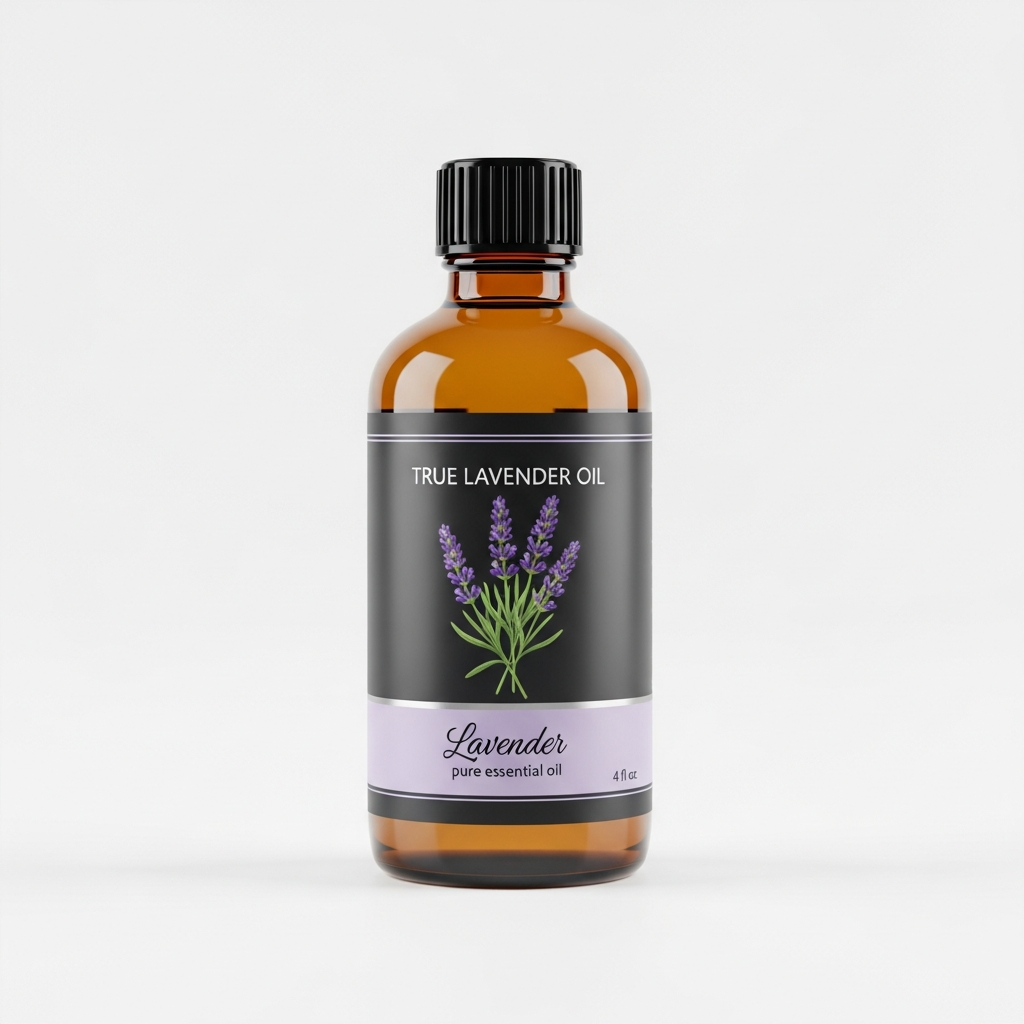
Lavender Essential Oil
Our own Lavender Essential Oil, in sizes from 0.5 oz to bulk.
From $10.99
Shop Now →This lavender oil price guide is for shoppers who want to stop guessing and start buying with confidence. We will walk through what actually drives lavender oil cost, what the labels are not telling you, and how to find genuine quality at every budget level.
Why Is Lavender Oil Expensive? The Real Cost Drivers
Before comparing prices, it helps to understand what you are actually paying for. Lavender oil cost is shaped by several factors that most shoppers never see.
1. The Lavender Species
Not all lavender is the same plant. True lavender (Lavandula angustifolia) grows at high elevations, matures slowly, and produces a relatively small yield of oil per hectare. Lavandin (Lavandula x intermedia), a hybrid of true lavender and spike lavender, is a hardier plant that grows at lower altitudes and produces roughly five to ten times more oil per harvest. Spike lavender (Lavandula latifolia) is yet another distinct species with a sharper, more camphor-forward profile.
The practical result: lavandin oil can be produced cheaply and at scale. True lavender oil cannot. Many budget bottles contain lavandin but are labeled simply as "lavender oil," which is technically legal in some markets but misleading to buyers who expect the genuine article. For a deeper look at how these species compare, see our guide to lavender varieties and quality: true vs. spike vs. lavandin.
2. Growing Region and Elevation
Geography matters enormously. Provençal lavender from the high plateaus of southern France, Bulgarian lavender from the Balkan foothills, and Kashmiri lavender from Himalayan elevations each carry distinct aromatic profiles shaped by soil, climate, and altitude. Higher-altitude farms often produce oil with a finer, more nuanced scent and a naturally higher linalool content. Those farms are also smaller, harder to access, and more labor-intensive. That cost lands in the price.
3. Distillation Method and Equipment
Steam distillation is the standard method for lavender essential oil. The quality of that process depends on the condition of the still, the distillation time, and how carefully the distiller monitors temperature and pressure. Rushed or high-pressure distillation can degrade delicate aromatic compounds. Small-batch artisan distillers invest in slower, lower-pressure runs, which costs more in time and fuel but preserves the full aromatic complexity of the plant.
4. Testing and Certification
Reputable producers send every batch for independent gas chromatography/mass spectrometry (GC/MS) testing. This analysis confirms the chemical composition of the oil and reveals any adulteration or blending with synthetic compounds. Publishing those batch reports is a mark of transparency. It is also an ongoing expense, and that expense is reflected in the price.
5. Volume and Packaging
A 5-milliliter bottle from a premium brand will have a higher cost per milliliter than a 100-milliliter bottle from the same producer, simply because of fixed packaging and labeling costs spread over less oil. Conversely, a large bottle of cheap oil is still cheap oil, just more of it.
Lavender Oil Cost Comparison: What Each Price Tier Usually Means
The following ranges are approximate and reflect the North American retail market as of mid-2025. Prices shift with harvest yields, import costs, and currency fluctuations, but the patterns below are fairly consistent year to year.
| Price Range (per 10 ml) | What You Typically Get | Common Red Flags |
|---|---|---|
| Under $5 | Almost certainly lavandin or a synthetic blend; minimal sourcing information | No GC/MS data, no species listed, vague "100% pure" claims |
| $5 to $12 | May be true lavender but often sourced from large commodity distillers; inconsistent quality batch to batch | No farm or region named, no harvest year, no batch testing published |
| $12 to $25 | A reasonable range for entry-level true lavender from a transparent brand; look for origin and GC/MS reports | Watch for "lavender blend" language buried in fine print |
| $25 to $60 | Quality true lavender from identified farms or regions, with published batch reports and clear sourcing | Price alone does not guarantee quality; still verify documentation |
| Over $60 | Single-origin, small-batch, often estate-grown; vintage harvest years sometimes noted; highest aromatic complexity | Prestige pricing can be inflated; verify the same way as any bottle |
Quality Indicators: What to Look for on the Label and Beyond
Price is a starting point, not a guarantee. Here is what to check regardless of what a bottle costs.
Species Name in Latin
The label should state Lavandula angustifolia for true lavender. If it says Lavandula x intermedia or Lavandula hybrida, you are holding lavandin. If no Latin name appears at all, flag that as a warning sign.
Country and Region of Origin
Bulgaria, France (especially Haute-Provence), England, and Tasmania are well-established lavender-growing regions. A specific region is more meaningful than just a country name. "Sourced from Europe" tells you almost nothing.
Harvest Year or Batch Number
Lavender oil is an agricultural product. A responsible producer knows exactly when their oil was distilled. A harvest year on the label signals traceability.
Published GC/MS Reports
Any credible seller should make batch-specific GC/MS reports available, either on their website or on request. If a company cannot produce one, that is a meaningful gap.
Packaging
Genuine essential oil degrades in plastic and clear glass. Amber or cobalt blue glass bottles with a tight-fitting orifice reducer or dropper cap are the standard. UV-protective packaging is not a luxury; it protects what you paid for.
For a step-by-step walkthrough of the buying process, our full guide on how to buy pure lavender oil and spot quality before you pay covers these checks in detail.
Red Flags to Avoid
Some signals reliably indicate a product worth skipping.
- Uniform pricing across every oil in a catalog. If a company sells rose otto, jasmine absolute, and lavender all at the same price per milliliter, something is wrong. These oils have vastly different production costs.
- "Fragrance oil" or "nature identical" language. These phrases indicate synthetic compounds, not distilled plant material.
- No contact information or company address. A legitimate producer stands behind their product.
- Heavily discounted "100% pure" lavender at drugstore prices. If the price seems too low for what is described, it almost certainly is.
- Vague claims with no documentation. "Highest quality," "ethically sourced," and "farm fresh" are marketing words. Ask for the paperwork that backs them up.
Top Picks at Different Price Points
Rather than naming specific third-party brands (which may change formulations or sourcing over time), here is a framework for finding a strong pick at each budget level.
Budget Pick (Under $15 for 10 ml)
Look for a brand that at minimum lists Lavandula angustifolia on the label, names a specific country of origin, and offers GC/MS reports on request. Bulgarian lavender from a transparent supplier can fall in this range. Do not expect single-farm traceability, but you can find honest true lavender here if you check the documentation.
Mid-Range Pick ($15 to $35 for 10 ml)
This is the sweet spot for most everyday buyers. Several well-regarded direct-to-consumer brands source from identified farms in Bulgaria or Provence, publish batch reports openly, and package in proper amber glass. Aromatic quality at this level is genuinely excellent for diffusing, personal care blending, and daily use.
Premium Pick ($35 and up for 10 ml)
Estate-grown, single-origin oils with vintage harvest years and full traceability. Aromatic nuance is noticeably more complex. Worth the investment for those who want the richest possible scent experience or who are blending for serious formulation work. Our own True Lavender Oil sits in this tier: Lavandula angustifolia only, estate-sourced, with published GC/MS data on every batch.
Bottle Size and Cost Per Milliliter
One of the most overlooked factors in lavender oil cost comparison is volume. Buying a larger bottle from a trusted source almost always reduces the cost per milliliter meaningfully. A 30 ml bottle from the same producer as a 10 ml bottle will typically cost 20 to 40 percent less per milliliter.
If you are new to a brand, starting with a smaller bottle to verify you like the scent and quality makes sense before committing to a larger size. Once you know you love it, moving up saves money over time. For a full breakdown of size options and which one fits different usage patterns, see our guide on the best lavender oil sizes and which bottle to order first.
For those who use lavender oil in significant volumes, such as soap makers, candle crafters, or small product formulators, bulk purchasing opens up an entirely different cost structure. Our wholesale lavender oil buyer's guide walks through what to expect at those quantities.
Where to Buy
The channel you buy through shapes what you can verify and what recourse you have.
Brand Direct (Website or Farm Shop)
Buying directly from the producer or a brand with a dedicated website gives you the best access to batch documentation, sourcing information, and customer support. You can usually read the full ingredient story and ask questions before purchasing.
Specialty Retailers
Natural food stores, apothecaries, and aromatherapy-focused retailers often curate their lavender oil selection carefully. Staff can sometimes speak to sourcing and are motivated to stock quality products since their reputation depends on it.
Online Marketplaces
Convenient but riskier. Counterfeit and mislabeled products are common on large marketplaces. If you buy through a marketplace, purchase directly from the brand's own storefront rather than third-party resellers, and verify that the documentation the brand publishes matches what arrives in the package (check batch numbers).
What to Avoid
Discount general merchandise sites and no-name marketplace listings with thousands of reviews but no verifiable sourcing information. Low price and high review count together do not indicate quality in this category.
Making the Decision
The lavender oil market rewards shoppers who ask simple, direct questions: What species is this? Where was it grown? What does the GC/MS report show? A seller who cannot answer those questions confidently is telling you something important.
Lavender oil price is not just a number. It reflects decisions made at every step from field to bottle. When you understand what drives those decisions, you can read a price as information rather than just a cost, and find genuine quality wherever your budget lands.