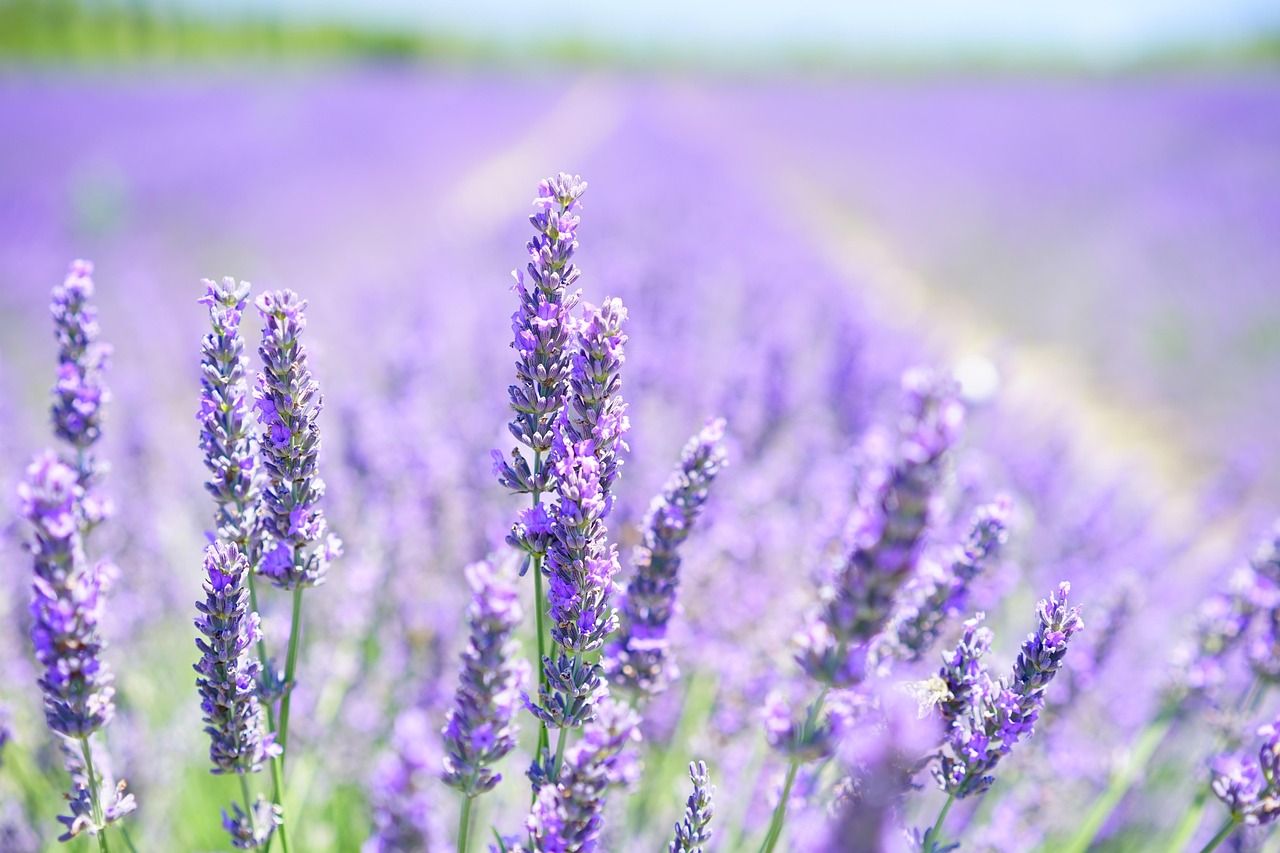
Wholesale Lavender Oil: A Buyer's Guide to Bulk Sizes and Pricing
Sourcing bulk lavender oil is not as straightforward as picking the cheapest bottle on a distributor's website. Lavender oil varies enormously in quality, origin, botanical species, and production method. For formulators, retailers, spa owners, and small-batch makers, those differences translate directly into the quality of the finished product and the trust of the customer who uses it.
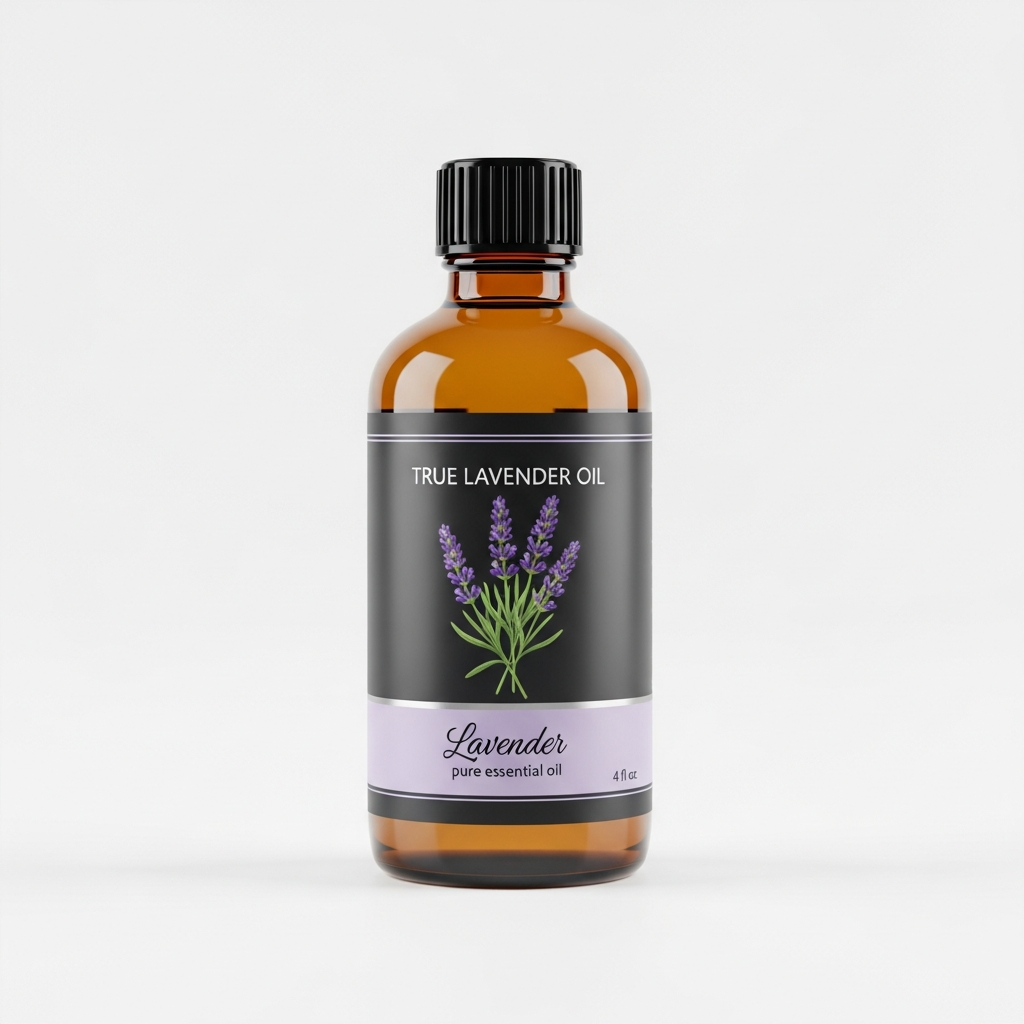
Lavender Essential Oil
Our own Lavender Essential Oil, in sizes from 0.5 oz to bulk.
From $10.99
Shop Now →This guide walks through everything that matters when comparing wholesale lavender oil: what quality actually looks like, how pricing tiers work, which red flags to avoid, and where the most reliable lavender oil suppliers tend to be found.
Why Species Matters Before Anything Else
The first question to ask any bulk lavender oil supplier is which lavender species is in the bottle. This is not a minor detail. Three species dominate the market, and they are not interchangeable.
- Lavandula angustifolia (true lavender): Grown at higher elevations, typically between 800 and 1,800 meters. It produces a complex, rounded scent profile with relatively low camphor content. This is the species most associated with quality lavender oil.
- Lavandula latifolia (spike lavender): A lower-elevation species with a sharper, more camphor-forward scent. Useful in certain formulations, but it is not true lavender oil and should not be sold as such.
- Lavandin (Lavandula x intermedia): A natural hybrid of the two species above. It yields significantly more oil per harvest, which is exactly why it is so common in bulk markets. The scent is stronger and less nuanced, and camphor content is noticeably higher.
Lavandin oil is perfectly legitimate in its own right and costs considerably less than true Lavandula angustifolia. The problem arises when it is labeled or sold simply as "lavender oil" without disclosure. For a deeper look at how these species compare in scent, price, and appropriate applications, see our article on lavender oil vs. lavandin oil: price, scent, and best uses.
When shopping wholesale lavender oil, confirm the Latin name on the certificate of analysis. If a supplier cannot or will not provide one, that alone is reason to look elsewhere.
Quality Indicators: What to Look For
1. Gas Chromatography and Mass Spectrometry (GC/MS) Testing
A GC/MS report is the industry-standard document that breaks down the chemical constituents of an essential oil batch. For true Lavandula angustifolia, you are looking for:
- Linalool: typically 25 to 45 percent
- Linalyl acetate: typically 25 to 45 percent
- Camphor: ideally below 1 percent (above 5 percent strongly suggests lavandin)
- 1,8-cineole: below 2.5 percent for true lavender
Any wholesale supplier worth working with should share batch-specific GC/MS reports on request. Some post them publicly. Reputable lavender oil suppliers often include a QR code on bulk containers linking directly to test data.
2. Country and Region of Origin
Bulgaria and France are the two most recognized origins for high-quality Lavandula angustifolia, though producers in England, Tasmania, and the western United States also cultivate excellent crops. Origin influences scent character, growing conditions, and distillation traditions. For a close comparison of the two most dominant origins, read our article on Bulgarian vs. French lavender oil: does origin change quality?
That said, origin labeling can be misused. A certificate of origin or a direct farm relationship is the only reliable confirmation. Be skeptical of "French lavender" claims that come without documentation.
3. Distillation Method
Steam distillation is the standard for lavender essential oil. CO2 extraction and cold pressing are not used for lavender oil production; if a supplier mentions those methods, something is off. Ask whether the distillery is on-farm or if the plant material is transported before distillation. Freshness of the plant material at the time of distillation affects oil quality.
4. Organic Certification
Certified organic bulk lavender oil carries a price premium, typically 20 to 40 percent above conventional. For formulators making products with organic certification claims, this matters legally. For those who simply want clean oil from farms with low pesticide use, conventional oil from reputable small farms can be entirely appropriate. Ask directly about farming practices if certification is not in place.
Bulk Lavender Oil: Understanding Size Tiers and Pricing
Pricing for wholesale lavender oil scales with volume, but it also varies significantly by species, origin, and quality tier. Here is a general framework based on market conditions for Lavandula angustifolia. Prices fluctuate seasonally and with harvest yields, so consider these as orientation points rather than firm quotes.
| Volume Tier | Typical Container | Approx. Price Range (per kg) | Best Suited For |
|---|---|---|---|
| Small wholesale (0.5 to 1 kg) | 16 oz or 1 kg bottle | $80 to $150 USD | Small-batch makers, testers, artisan formulators |
| Mid-volume (1 to 5 kg) | 1 kg bottles or small drums | $65 to $110 USD | Growing product lines, spa suppliers, indie brands |
| Standard bulk (5 to 25 kg) | Drum or large container | $50 to $90 USD | Mid-size manufacturers, private label producers |
| Large volume (25 kg and up) | Drum, IBC tote | $40 to $75 USD | Large-scale manufacturers, distributors |
Lavandin oil runs considerably cheaper, often at $15 to $35 per kilogram at volume, which explains its dominance in mass-market products. Synthetic lavender fragrance oils cost even less, but they are not essential oils at all. For buyers who need to explain this distinction to customers or retail partners, our article on lavender oil vs. synthetic lavender fragrance: what's the difference? covers the key distinctions.
Top Picks at Different Price Points
Entry-Level Budget: Lavandin or Conventional True Lavender from Established Distributors
If budget is the primary constraint, lavandin from a transparent, reputable supplier is a better choice than mystery "lavender oil" at suspiciously low prices. Look for distributors who clearly label their lavandin as such, provide GC/MS data, and have verifiable years in business. Companies like Bulk Apothecary, New Directions Aromatics, and Jedwards International operate at this tier with generally reliable documentation practices.
Mid-Range: Certified Conventional Lavandula angustifolia
This is the sweet spot for most indie brands and formulators who want genuine true lavender without the full organic premium. Suppliers like Florihana (France), Plant Therapy (wholesale arm), and Mountain Rose Herbs provide documented true lavender at mid-range pricing. Request samples before committing to volume orders.
Premium: Certified Organic Lavandula angustifolia, Single-Origin
For brands with organic positioning or those selling to discerning customers, single-origin certified organic oil from named farms is worth the investment. Suppliers in this category often work directly with specific cooperatives in Provence or the Bulgarian Rose Valley region. Expect full traceability, farm documentation, and premium GC/MS profiles. Pricing at this tier reflects genuine scarcity: true high-altitude lavender yields less oil per hectare than lavandin, and organic certification adds further cost.
Red Flags to Avoid When Sourcing Bulk Lavender Oil
The wholesale essential oil market has real quality problems. Knowing what to watch for saves time, money, and credibility.
Pricing That Seems Too Good
True Lavandula angustifolia cannot be produced cheaply. If a supplier is offering it at prices that match or undercut lavandin market rates, the oil is almost certainly not what it claims to be. It may be adulterated with synthetic linalool, diluted with carrier oil, or simply mislabeled lavandin.
No GC/MS Reports Available
This is non-negotiable for serious buyers. A supplier who hesitates or refuses to share testing documentation is a supplier to avoid.
Vague Species Labeling
"Lavender oil" without a Latin name is a warning sign. Always confirm the full botanical name: Lavandula angustifolia, Lavandula x intermedia, or whichever species is actually in the batch. You want this on the invoice, not just a verbal assurance.
Claims That Sound Too Strong
Reputable suppliers describe their oils in terms of scent character, constituent profiles, and origin. Be cautious with any wholesale supplier making strong efficacy claims in marketing materials. It can signal either regulatory unawareness or a willingness to mislead.
No Clear Return or Dispute Policy
Bulk orders represent real financial risk. A supplier without a clear process for addressing quality disputes is not set up to build long-term relationships. Ask before ordering.
Where to Buy Wholesale Lavender Oil
Direct from Distilleries
Buying directly from farms and distilleries is the most transparent path when it works logistically. Many Bulgarian cooperatives and French producers sell wholesale directly to international buyers. The tradeoff is minimum order quantities that may be higher than smaller brands can manage, and import logistics to navigate.
Established Domestic Wholesalers
For buyers in North America and Europe, established wholesale distributors offer the convenience of domestic shipping, lower minimums, and responsive customer service. Prioritize those who publish GC/MS reports and clearly identify species and origin on product listings.
Trade Shows and Industry Events
Events like the Alliance of International Aromatherapists (AIA) conference and various natural products trade shows (Expo West, in-cosmetics) bring serious suppliers together in one place. Meeting a supplier face to face, smelling samples, and asking questions directly is invaluable before committing to bulk purchasing.
Online B2B Platforms
Platforms like Alibaba and Made-in-China list bulk lavender oil suppliers, but due diligence is significantly more demanding in these environments. Always request samples and third-party testing before any volume purchase. Never rely on platform reviews alone.
Building a Relationship, Not Just a Transaction
The most reliable approach to sourcing wholesale lavender oil is to find two or three suppliers you trust and build ongoing relationships with them. Good suppliers will keep you informed about harvest quality year over year. Lavender yields and constituent profiles shift with weather and growing conditions: a Bulgarian summer drought, for example, may concentrate certain constituents differently than a normal year.
Staying connected to your supplier means you get that context. It also means you are a priority customer when supply is tight, which happens more often than buyers expect in a market driven by annual harvests.
If you are still sorting out which lavender species or variety fits your formulation goals, our overview of lavender varieties and quality: true vs. spike vs. lavandin is a practical starting point before you reach out to suppliers.
Quality wholesale lavender oil is out there. It takes a bit more verification to find it, but the difference in the final product is worth every step of that process.