
Bulgarian vs French Lavender Oil: Does Origin Change the Aroma?
Pick up two bottles of true Lavandula angustifolia essential oil, one from Bulgaria and one from France, and you might expect them to smell identical. After all, same species, same plant, right? Open the caps, though, and something interesting happens. The scents are recognizably related, yet distinctly different. Origin does matter, and understanding why can help you choose the bottle that fits your life.
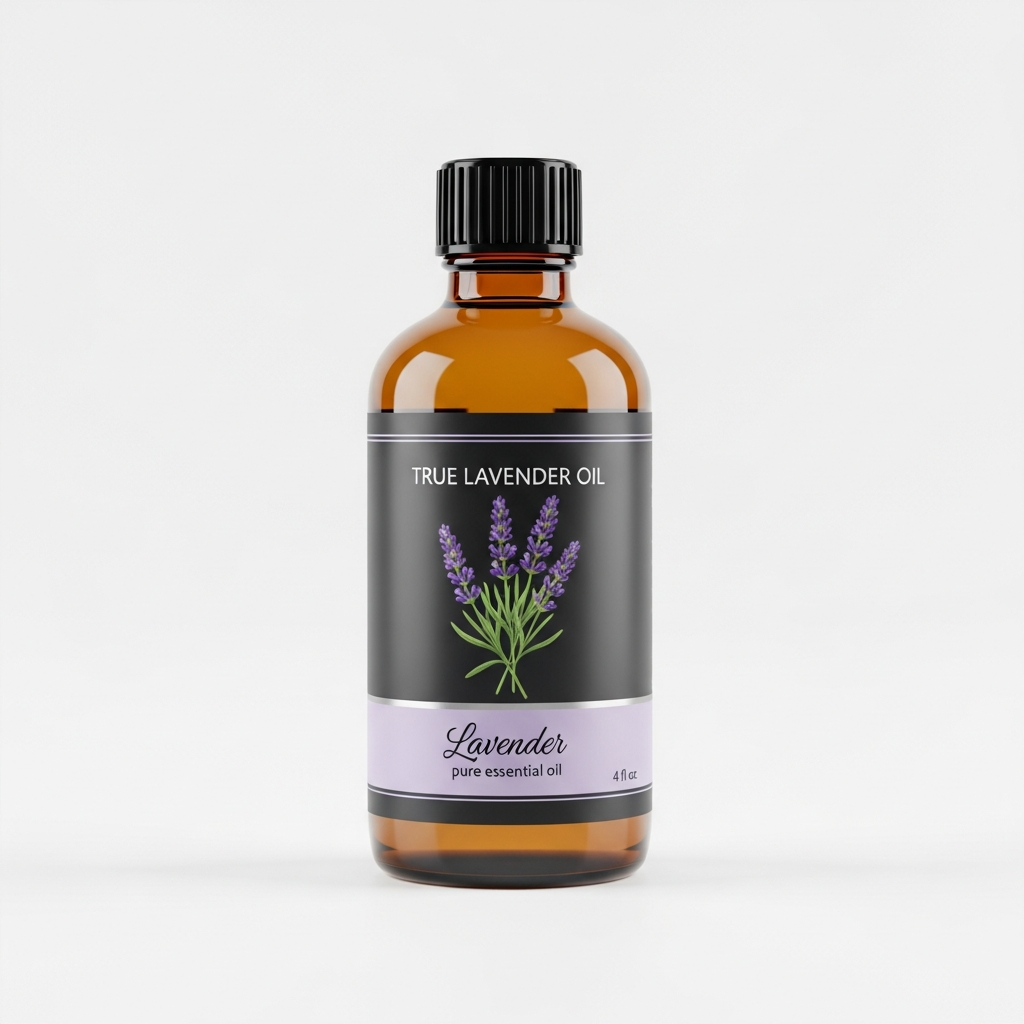
Lavender Essential Oil
Our own Lavender Essential Oil, in sizes from 0.5 oz to bulk.
From $10.99
Shop Now →This guide breaks down the key differences between Bulgarian lavender oil and French lavender oil: where they come from, what shapes their aroma profiles, how they compare on quality markers, and which one might work best for your particular routines and preferences.
A Quick Note on Terminology
Before diving in, it is worth flagging a common source of confusion. "French lavender" can refer to two entirely different things: the geographic origin of Lavandula angustifolia grown in France, or the plant species Lavandula dentata, sometimes called French lavender in garden centers. This article compares Lavandula angustifolia oils from both countries only. If a bottle just says "French lavender" without specifying the Latin name, it pays to check. For a full breakdown of species differences, see our guide to lavender varieties and quality: true vs spike vs lavandin.
The Growing Regions
Bulgaria: The Kazanlak Valley and Rhodope Highlands
Bulgaria became a serious lavender oil producer in the early twentieth century, and today it is the world's largest exporter of Lavandula angustifolia essential oil. The Kazanlak Valley, already famous for its rose oil, offers fertile soil, continental summers with warm days and cool nights, and the kind of altitude variation that stresses lavender plants in productive ways. The Rhodope Mountain foothills add another dimension: higher elevations, thinner air, and dramatic temperature swings between day and night.
That stress is significant. Lavender pushed by elevation and temperature contrast tends to produce oil with a richer linalool and linalyl acetate content. Those two compounds are the primary drivers of the classic smooth, sweet, floral lavender scent most people picture when they close their eyes and think "lavender."
France: Provence and the Haute-Provence Plateau
France, particularly the Provence region and the limestone plateaus of Haute-Provence around Valensole and the Vercors, is the origin story most people associate with fine lavender oil. Lavender has been cultivated there for centuries. The terroir features thin, rocky, alkaline soil, long sunny summers, and the mistral wind, which dries the plants between rain events and shapes canopy structure. The altitude of true Provençal fields typically ranges from 600 to 1,500 meters.
French lavender oil grown at these elevations, sometimes labeled "population lavender" or lavande fine, has a long-standing reputation for a more complex, slightly herbaceous top note layered over its floral core. The scent often carries subtle nuances of camphor (very low levels in high-quality angustifolia), green hay, and a honey-like depth.
How Origin Shapes the Aroma: The Chemistry
Essential oil composition is not fixed. It shifts with altitude, soil pH, rainfall, harvest timing, and distillation method. That said, some general patterns hold when comparing Bulgarian and French oils side by side.
Bulgarian lavender oil tends toward higher linalyl acetate concentrations, often sitting in the 40 to 50 percent range in well-sourced samples. Linalyl acetate contributes the sweet, slightly fruity, smooth quality that many people describe as "clean" lavender. The overall impression is bright and approachable.
French lavender oil, particularly from traditional population varieties (non-clonal seed-grown plants), often shows a broader terpene profile. Linalool and linalyl acetate are still the stars, but supporting compounds like ocimene, terpinen-4-ol, and small amounts of lavandulyl acetate add complexity. The scent reads as more nuanced, a little earthier, with a longer-lasting dry-down.
Neither profile is objectively superior. They are simply different expressions of the same botanical. What matters is whether the profile suits your intended use.
One important caveat: not all oils labeled by origin live up to their region's reputation. Adulteration with synthetic linalool, blending with lavandin (a hardier hybrid), and mislabeling are real concerns in the essential oil market. A GC/MS (gas chromatography/mass spectrometry) report from a reputable supplier is your best protection. See our article on lavender oil myths vs facts: what the label really tells you for a practical guide to reading sourcing claims critically.
Comparison at a Glance
| Attribute | Bulgarian Lavender Oil | French Lavender Oil |
|---|---|---|
| Primary growing regions | Kazanlak Valley, Rhodope foothills | Haute-Provence, Valensole, Vercors plateau |
| Typical altitude | 600 to 1,200 m | 600 to 1,500 m |
| Aroma character | Sweet, smooth, bright floral | Complex, slightly herbaceous, floral with earthy depth |
| Linalyl acetate (typical range) | 40 to 52% | 35 to 50% (varies with variety) |
| Scent longevity | Moderate | Moderate to long |
| Price point | Generally more accessible | Often higher, especially for population varieties |
| Global supply volume | Largest producer worldwide | Significant but smaller volume than Bulgaria |
| Adulteration risk | Present; verify with GC/MS | Present; verify with GC/MS |
| Best for beginners | Yes, familiar crowd-pleasing scent | Yes, especially if you enjoy nuanced fragrance |
Pros and Cons
Bulgarian Lavender Oil
Pros
- Consistently sweet, smooth floral profile that most people recognize and love immediately
- Generally more affordable due to large production volumes
- Wide availability makes it easier to find from reputable, third-party-tested suppliers
- High linalyl acetate content makes it a popular choice for personal care formulations and diffuser blends
- Works well as an introductory lavender oil for those new to essential oils
Cons
- High demand has made it a frequent target for adulteration and lavandin blending
- The smooth, approachable profile can feel one-dimensional to experienced lavender enthusiasts
- Scent complexity in the dry-down is typically less pronounced than French population varieties
- Origin claims are not always verifiable without GC/MS documentation
French Lavender Oil
Pros
- Traditional population varieties offer a layered, sophisticated scent profile with greater complexity
- Long cultural history of cultivation supports deep agronomic knowledge and distillation craft
- The earthy, herbaceous nuance adds warmth to perfumery, candle making, and room diffusion
- Tends to have a longer dry-down, so the scent lingers on skin and textiles
- "Lavande fine de Haute-Provence" carries a geographic indication (AOP) that provides some authenticity assurance
Cons
- Higher price point, particularly for AOP-certified or small-farm population varieties
- The herbaceous character can surprise first-time buyers who expect a purely sweet scent
- French lavender production has declined significantly due to crop disease pressure, tightening supply
- Not all "French" labels mean AOP-quality; blending and geographic misrepresentation still occur
Best For: Matching Origin to Use Case
Diffusing for Atmosphere
Both origins shine in a diffuser, but they create different atmospheres. Bulgarian lavender oil delivers a bright, recognizable floral scent that fills a room cleanly. Many people find it ideal for a morning routine or a shared living space where guests will notice the fragrance. French lavender oil, with its added complexity, may suit a quieter evening wind-down ritual or a home office setting where you want something subtle that holds your attention without dominating it.
Personal Care and DIY Formulations
For lotions, salves, bath salts, and similar formulations, Bulgarian lavender oil is a reliable workhorse. Its high linalyl acetate content blends predictably and the sweet top note is generally crowd-pleasing. French population lavender can elevate a premium formulation when the added complexity is a selling point rather than a variable. Always dilute lavender essential oil properly before skin contact: a common starting point for adults is 1 to 2 percent in a carrier oil (roughly 6 to 12 drops per ounce of carrier). Patch test before wider use and consult a qualified healthcare provider if you have sensitivities or are pregnant.
Perfumery and Candle Making
For fragrance work, French lavender oil is often the more interesting choice. The dry, herbaceous undertone and longer dry-down contribute to a more rounded composition, particularly in floral or fougère-style blends. Bulgarian lavender oil works beautifully in brighter, cleaner scent profiles. Both pair well with citrus, woody, and resinous notes. For gift ideas that feature lavender oil alongside complementary scents and products, our lavender oil gift guide has curated pairings worth exploring.
First-Time Buyers
If you are exploring lavender essential oil for the first time, Bulgarian lavender oil is a welcoming starting point. The scent is likely to match what you already picture when you think of lavender. Once you have a reference point, trying a French population variety alongside it is a genuinely enjoyable comparison exercise.
Fragrance Purists and Collectors
If you find yourself reading GC/MS reports for sport and comparing linalyl acetate percentages between harvests, French AOP population lavender and small-batch Bulgarian mountain oils both reward deeper attention. The variation between harvests and distillers within each origin can be as interesting as the variation between countries.
A Word on Authenticity
Origin labels mean very little without documentation. The essential oil industry has a real problem with mislabeling, especially for popular oils like lavender. Synthetic linalool is inexpensive and can mimic a lavender profile convincingly to the untrained nose. Lavandin (Lavandula x intermedia), a hybrid with significantly higher camphor content, is sometimes blended into or substituted for true angustifolia oils. A trustworthy supplier will provide a GC/MS report, ideally from a third-party laboratory, and will be transparent about the specific distillery and harvest year. If a brand cannot or will not share that information, that absence itself is informative. For a closer look at how synthetic lavender compares to the real thing, our guide on lavender oil vs synthetic lavender fragrance covers the differences in depth.
The Verdict
Bulgarian lavender oil and French lavender oil are not competitors. They are two regional expressions of the same species, each shaped by distinct soil, climate, altitude, and farming tradition.
Choose Bulgarian lavender oil if you want a reliably sweet, smooth, crowd-pleasing scent at an accessible price, or if you are building a formulation where a consistent, high-linalyl-acetate profile is useful. It is the everyday workhorse of the lavender world, and a genuinely good one when sourced with care.
Choose French lavender oil, particularly a certified population variety, if you want a more layered, complex scent experience and are willing to pay a premium for the character that comes with it. The earthier, more nuanced profile rewards slow attention and works especially well in fine fragrance and evening diffusing rituals.
The most honest answer to whether origin changes the aroma? Yes, noticeably. But both origins can produce exceptional oil, and both can produce disappointing oil. The origin on the label is a starting point for curiosity, not a guarantee of quality. Let the GC/MS report and the supplier's transparency do the real work of selection.
Whichever bottle you choose, the essential detail is that it is genuine Lavandula angustifolia, properly sourced, and honestly labeled. That is what makes lavender oil worth the ritual.