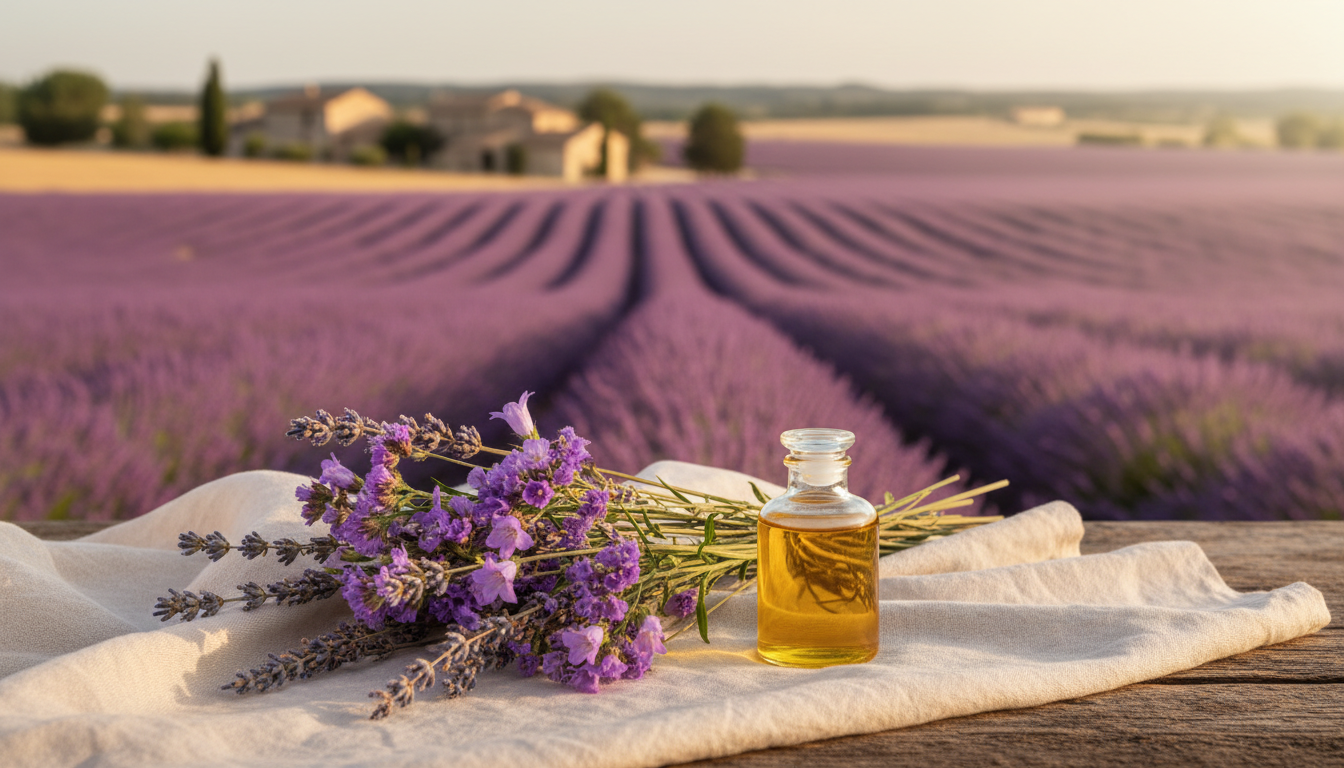
How to Buy Pure Lavender Oil: Spotting Quality Before You Pay
Buying pure lavender oil sounds simple enough. You search online, you see dozens of amber bottles with promising labels, and you pick one. But here is the problem: the lavender oil market is flooded with adulterated, mislabeled, and outright synthetic products. Knowing how to buy lavender oil with real confidence takes a little inside knowledge, and that is exactly what this guide delivers.
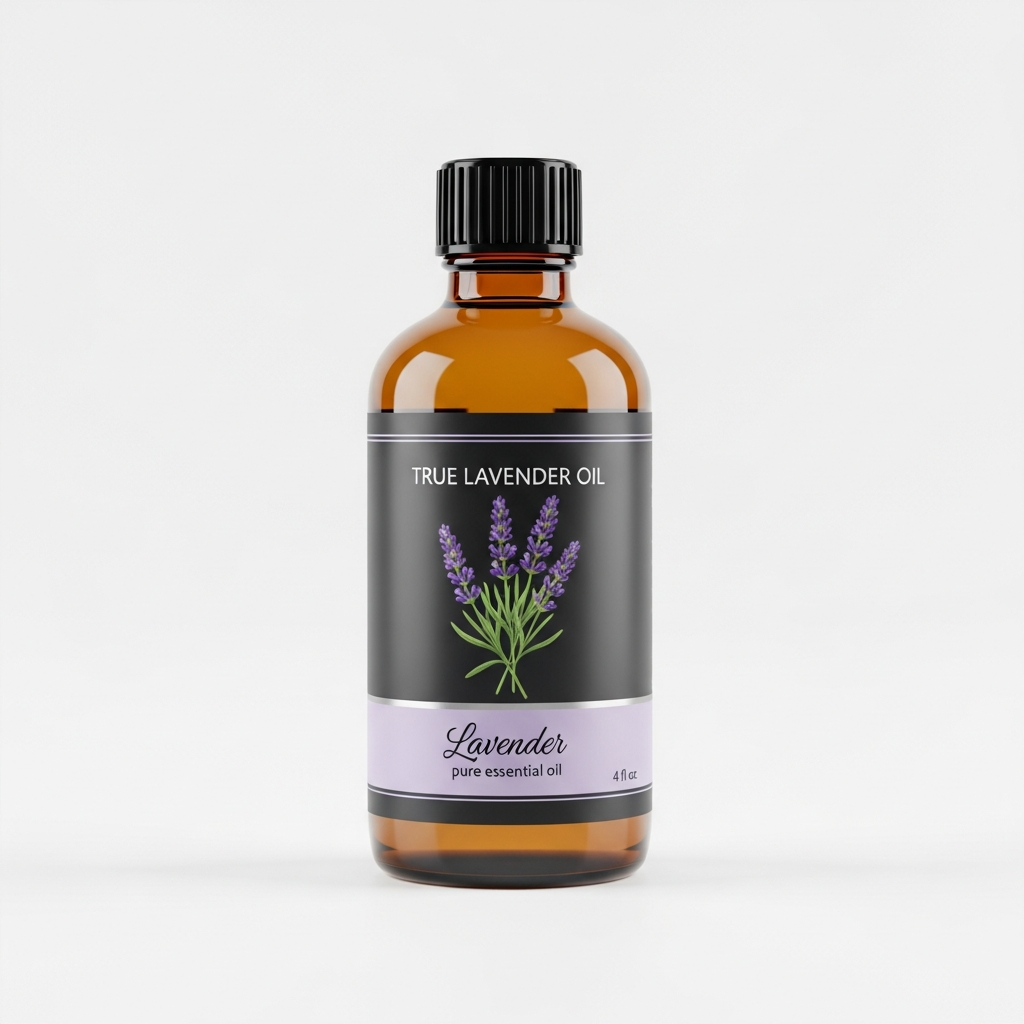
Lavender Essential Oil
Our own Lavender Essential Oil, in sizes from 0.5 oz to bulk.
From $10.99
Shop Now →Whether you are stocking a linen spray, building a skincare ritual, or simply want your home to smell like a Provençal field in June, the quality of the oil you choose matters enormously. Let us walk through every factor worth considering before your money leaves your account.
Why Lavender Oil Quality Varies So Dramatically
Not all lavender is the same plant. That surprises a lot of first-time buyers. True lavender (Lavandula angustifolia) is the fine, high-altitude species prized for its delicate, complex scent and its rich linalool and linalyl acetate content. Spike lavender (Lavandula latifolia) and lavandin (Lavandula x intermedia) are entirely different plants that produce oils with noticeably sharper, more camphoraceous profiles.
Many sellers label lavandin oil simply as "lavender oil" because lavandin yields far more oil per hectare and costs significantly less to produce. The price difference is real: genuine Lavandula angustifolia oil from high-altitude farms in France or Bulgaria typically costs more per milliliter than lavandin blends. If a price looks too good to be true, it usually is.
For a deeper look at how these species compare, read our full breakdown: Lavender Varieties and Quality: True vs. Spike vs. Lavandin.
Quality Indicators: What to Look For
1. Botanical Name on the Label
This is the single most important thing to check. Any reputable seller of pure lavender oil will print the full Latin botanical name on the bottle or product listing. You want to see Lavandula angustifolia. If the label says only "lavender oil" or lists a vague blend, walk away.
Some sellers also include the chemotype (ct.) designation, which identifies the dominant chemical compounds in that particular harvest. This level of specificity is a very good sign.
2. GC/MS Testing Documentation
Gas chromatography/mass spectrometry (GC/MS) testing analyzes the exact chemical composition of an essential oil batch. A trustworthy supplier will provide GC/MS reports, either on their website, on request, or included with the product. These reports allow you to verify:
- Linalool content (typically 25-45% in genuine Lavandula angustifolia)
- Linalyl acetate content (typically 25-47%)
- Camphor levels (should be very low, under 1%; high camphor signals lavandin or adulteration)
- Absence of synthetic extenders like synthetic linalool
If a company cannot produce GC/MS data, that is a significant red flag.
3. Country and Region of Origin
The best Lavandula angustifolia oil traditionally comes from the high-altitude regions of Provence (France) and the Bulgarian Rose Valley region. New Zealand, Tasmania, and parts of the American Pacific Northwest also produce respectable crops. The altitude matters: lavender grown above 800 meters tends to produce oil with higher linalyl acetate content and a more refined scent profile.
Look for specific farm or region names, not just country of origin. "French lavender" on its own tells you very little.
4. Harvest Year and Batch Information
Essential oils are natural products with a shelf life. Pure Lavandula angustifolia oil is generally at its best within two to three years of distillation when stored properly. A seller who lists the distillation date or harvest year is giving you valuable freshness information. Batch codes also allow traceability back to a specific farm and distillation run.
5. Packaging Quality
Genuine essential oil is always sold in dark glass (amber or cobalt blue) to protect it from UV degradation. Plastic bottles are a disqualifying factor: essential oils can leach compounds from plastic, and no serious producer uses them for storage. The bottle should have a built-in dropper insert or orifice reducer, not just a plain open neck.
Key Features to Compare When Shopping
| Feature | What a Quality Product Shows | Warning Sign |
|---|---|---|
| Botanical name | Lavandula angustifolia printed clearly | "Lavender oil" with no Latin name |
| GC/MS report | Available per batch, publicly or on request | No testing data available at all |
| Origin details | Named farm, region, and altitude | Vague country listing only |
| Price per ml | Reflects genuine L. angustifolia costs | Drastically underpriced vs. market rate |
| Packaging | Dark glass with orifice reducer | Plastic bottles or clear glass |
| Certifications | Organic, ECOCERT, or equivalent where applicable | No certifications and no explanation why |
| Scent description | Nuanced: floral, slightly sweet, herbaceous | Described as sharp, camphorous, or "clean" |
Top Picks at Different Price Points
Pure lavender oil quality does not always scale perfectly with price, but there are reliable tiers worth understanding. Here is a practical framework for what your budget will realistically get you.
Budget Tier (Under $15 for 10ml)
This price range is where caution is most necessary. You can find genuine Lavandula angustifolia from smaller domestic producers at this price, particularly if they are selling direct from a local farm. However, many products in this range from mass-market retailers are lavandin, synthetic blends, or heavily extended oils.
If you are shopping here, prioritize any seller who provides GC/MS documentation and clearly states the botanical name. A small family farm selling their own distillation is often a better bet than a large distributor in this tier.
Mid-Range Tier ($15-$40 for 10ml)
This is where most reputable essential oil suppliers operate for genuine high-altitude Lavandula angustifolia. At this price point you should expect full transparency: GC/MS reports, origin details, harvest year, and professional packaging. Certified organic options are more common here.
Look for suppliers who specialize in lavender rather than selling hundreds of oils across every category. Specialization usually means better sourcing relationships and more careful quality control.
Premium Tier ($40+ for 10ml)
At the premium end you are often paying for specific appellations: Lavande de Haute-Provence AOP (the French protected designation of origin), single-estate oils from named farms, or small-batch artisan distillations. These oils frequently show more complex scent profiles with notable floral top notes and longer-lasting dry-down.
Premium does not automatically mean better for every purpose. If you are using lavender oil primarily in a diffuser, a solid mid-range option will serve you well. Reserve the premium tier for direct skin application in diluted serums or for moments when the scent experience itself is the whole point.
Not sure which bottle size makes sense for your intended use? Our guide on Best Lavender Oil Sizes: Which Bottle Should You Order First walks through the practical math of volume versus freshness.
Red Flags to Avoid
Once you know what good looks like, the warning signs become easier to spot. Here are the patterns that should make you pause before purchasing.
"Pure" or "100% Natural" Without Any Supporting Evidence
These phrases are marketing language, not regulated claims. Any seller can print them on a label. What matters is documented evidence: the GC/MS report, the certifying body, the named origin. Words alone mean nothing.
One Price for Every Oil in the Catalog
This is a classic signal of a middleman reselling bulk synthetic or adulterated product. Real essential oils vary enormously in production cost. Rose absolute, sandalwood, and true lavender oil should never be priced identically to eucalyptus or citrus oils. When every bottle in a catalog is the same price, the product is almost certainly not what it claims to be.
"Aromatherapy Grade" or "Therapeutic Grade" Labeling
These terms are not regulated by any official body. No independent organization certifies essential oils as "therapeutic grade." Companies that use this language are generally using proprietary marketing terminology, not a recognized quality standard. Focus instead on actual third-party certifications such as USDA Organic, ECOCERT, or ISO standards.
Synthetic Fragrance Notes
If you have access to a sample, the scent itself is informative. Genuine Lavandula angustifolia has a nuanced, slightly sweet, herbal floral profile that evolves as it dries. Synthetic lavender fragrance tends to be flat, sharp, and one-dimensional, often with a chemical edge. Lavandin, while natural, carries a noticeably camphoraceous bite that is distinct from true lavender's softer character.
For a practical scent and usage comparison, see our article: Lavender Oil vs. Lavandin Oil: Price, Scent, and Best Uses.
No Contact Information or Physical Address
A legitimate essential oil company has a physical location, a contactable team, and a clear returns policy. Sellers who operate only through anonymous marketplace listings with no traceable business identity carry significant risk.
Where to Buy Pure Lavender Oil
Direct from the Farm or Distillery
This is the gold standard. Buying direct from a farm that grows and distills its own lavender eliminates every middleman and gives you the most direct traceability. Many small Provençal farms, Bulgarian cooperatives, and American lavender farms sell direct-to-consumer through their own websites. You can often contact them with questions about specific batches.
Specialist Essential Oil Retailers
Companies that focus specifically on essential oils (rather than selling oils as a small slice of a massive general product catalog) tend to maintain stronger supplier relationships and more rigorous quality standards. Look for retailers who publish their GC/MS reports publicly, name their sources, and have been operating long enough to have a trackable reputation.
Online Marketplaces: Proceed Carefully
Platforms like Amazon carry genuine products from reputable brands alongside a large volume of questionable ones. The reviews system can be gamed, and "sold by" details can obscure the actual source. If you use these platforms, click through to the brand's own storefront, verify the seller identity, and cross-reference the product against the brand's own website to confirm you are getting the genuine item and not a counterfeit.
Health Food Stores and Co-ops
Brick-and-mortar natural food retailers often carry a curated selection of essential oils from established suppliers. You have the advantage of being able to smell a tester bottle before you commit. Staff in these stores are often knowledgeable and can point you to their best-selling lavender options.
Buying in Bulk: When It Makes Sense
If you use lavender oil regularly (in linen sprays, diffuser blends, DIY skincare, or home products), buying in larger quantities from a wholesale supplier can reduce your cost per milliliter significantly. The key consideration is freshness: a 500ml bottle is only a good investment if you will use it within the oil's quality window.
Our dedicated guide covers everything you need to know about scaling up: Wholesale Lavender Oil: A Buyer's Guide to Bulk Sizes.
A Quick Word on Dilution and Safe Use
Pure lavender oil is a concentrated botanical extract. Before applying any essential oil to skin, always dilute it properly in a carrier oil such as jojoba, sweet almond, or fractionated coconut oil. A standard dilution for adults is 2% (roughly 12 drops of essential oil per 30ml of carrier oil). Perform a patch test on a small area of skin before wider use, and allow 24 hours to observe any response.
Essential oils are not appropriate for everyone in every situation. If you are pregnant, nursing, managing a health condition, or taking any medication, please consult a qualified healthcare provider before adding essential oils to your routine.
Putting It All Together
Buying pure lavender oil with confidence comes down to a handful of non-negotiable checkpoints: the correct botanical name, documented GC/MS testing, transparent origin information, appropriate pricing, and dark glass packaging. When a product checks all of those boxes, you have strong evidence that what is inside the bottle is what the label claims.
The lavender oil market rewards buyers who ask questions. Do not hesitate to email a supplier and ask for batch-specific GC/MS data before you purchase. Any company proud of its sourcing will respond with exactly that information. The ones who cannot or do not respond have already given you an answer.
Start with a small bottle from a supplier who earns your trust, experience the scent, review the documentation, and build from there. The right lavender oil is out there. Now you know how to find it.