Where to Buy True Lavender Oil Online: What to Look For Before Checkout
Shopping for lavender oil online should be simple. It rarely is. Between misleading labels, diluted bottles, and products that smell more like fabric softener than a French hillside, finding genuinely pure Lavandula angustifolia requires a little homework before you hit the buy button. This guide walks you through every step, from reading a product listing to choosing the right lavender oil shop for your needs.
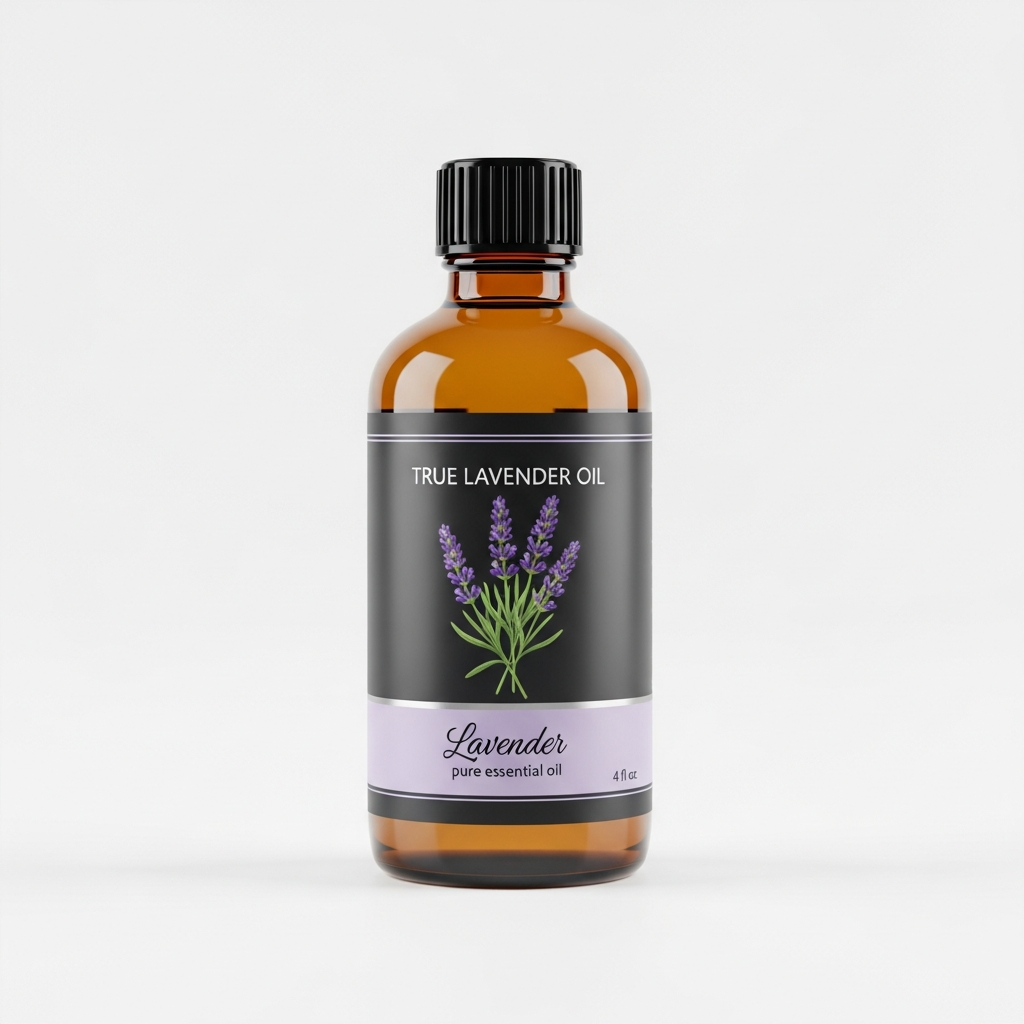
Lavender Essential Oil
Our own Lavender Essential Oil, in sizes from 0.5 oz to bulk.
From $10.99
Shop Now →Why "True" Lavender Matters
Not all lavender oil is the same oil. The name "lavender" covers several distinct species, and the differences are significant. True lavender (Lavandula angustifolia) is the one most people picture: a refined, complex floral scent with high linalool content and a naturally low camphor profile. Spike lavender and lavandin hybrids smell sharper and more medicinal, and they are frequently sold under the generic "lavender oil" label without any clarification.
Before you buy true lavender oil online, it helps to understand what distinguishes each species. Our in-depth guide on lavender varieties and quality: true vs. spike vs. lavandin breaks down the botanical differences and explains how each variety is used differently in practice.
Quality Indicators: What to Look for on Any Listing
A trustworthy product listing answers the questions a knowledgeable buyer would ask without prompting. Here is what to check before you add anything to your cart.
Latin Name on the Label
This is the single fastest quality filter available to you. Look for Lavandula angustifolia stated clearly, either in the product title or in the description. If the listing only says "lavender essential oil" with no botanical name, that is a gap worth noting. The seller may be using lavandin or a blend and relying on the generic name to avoid scrutiny.
Country and Region of Origin
Where the lavender was grown shapes the oil's chemistry. Bulgaria and France (particularly Provence and the Haute-Provence plateau) are the most respected origins for high-quality Lavandula angustifolia. Some excellent oil also comes from Tasmania, Spain, and the United Kingdom. A listing that specifies the farm or distillery is even better. Vague origins like "sourced globally" are a mild red flag.
GC/MS Testing
Gas chromatography/mass spectrometry (GC/MS) testing is the gold standard for verifying essential oil purity and composition. A reputable lavender oil shop will either publish batch-specific GC/MS reports on their website or make them available on request. Look for listings that mention batch numbers, and do not hesitate to email a seller and ask for the report. A good company will send it without fuss.
Distillation Method and Harvest Date
True lavender oil is steam-distilled from the flowering tops. CO2 extraction exists but is less common for lavender. Cold-pressed lavender oil is essentially a non-starter: the plant does not yield usable oil through pressing. If a listing describes cold-pressed lavender, that is a meaningful red flag. Harvest and distillation dates matter too. Essential oils do have a shelf life, and fresh stock from a recent season is generally preferable to old inventory.
Certifications
Certifications are supporting evidence, not a guarantee of quality on their own, but they do signal that a seller has submitted to third-party scrutiny. Relevant certifications include:
- USDA Organic: Confirms no synthetic pesticides during cultivation.
- Ecocert or COSMOS Organic: European organic standards, common on French and Bulgarian oils.
- ISO 3515: The international standard specifically for lavender essential oil composition.
Organic certification matters most if you plan to use the oil on skin. Conventionally grown lavender can still produce excellent oil, but organic provides an extra layer of confidence.
Key Features to Compare Across Products
Once you have confirmed the basics above, use these comparison points to rank your shortlisted options against each other.
| Feature | What to Look For | Red Flag |
|---|---|---|
| Botanical name | Lavandula angustifolia stated clearly | Generic "lavender oil" only |
| Origin | Named farm, region, or country | "Sourced globally" or no origin listed |
| GC/MS reports | Batch-specific, publicly available | No testing mentioned at all |
| Linalool content | 25-45% typical for true lavender | No composition data; very high camphor |
| Packaging | Dark amber or cobalt glass, proper dropper or orifice reducer | Clear plastic bottles |
| Price per mL | Consistent with the grade and origin | Suspiciously cheap for "pure" claims |
| Return policy | Satisfaction guarantee or sample options | All sales final, no contact information |
For a deeper look at how price connects to quality, our lavender oil price guide explains the full range of factors that push costs up or down, from altitude and harvest method to distillery size.
Top Picks at Different Price Points
True lavender oil is available across a wide range of budgets. The goal is not to find the cheapest option; it is to find the best value at your chosen price point.
Entry Level (Under $15 for 10 mL)
At this price tier, you can still find honest, pure Lavandula angustifolia, though you are less likely to see small-farm sourcing or detailed provenance. Rocky Mountain Oils and Plant Therapy both offer entry-level lavender oils with GC/MS reports available online. Neither is fancy, but both deliver a recognizable, genuine lavender scent without filler or adulteration.
Avoid the very lowest-priced listings on large marketplaces. A 10 mL bottle priced under $5 with "pure lavender" claims is almost certainly lavandin or a synthetic blend.
Mid-Range ($15 to $35 for 10 mL)
This is the sweet spot for most regular users. At this price, you start seeing certified organic options, named regional origins, and more detailed batch documentation. Brands like Floracopeia and Eden Botanicals source directly from farms and publish transparent supply chain information. Tisserand's certified organic Bulgarian lavender is also a reliable mid-range choice widely distributed across the UK and North America.
Premium ($35 and Above for 10 mL)
Premium lavender oils are often single-origin, single-season products from specific farms at high altitude. Altitude is relevant: lavender grown above 1,000 meters tends to produce oil with a finer, more complex scent profile and lower camphor. Suppliers like Oshadhi and some small Provencal farm-direct operations fall into this category. If scent quality and provenance matter deeply to you, the premium tier is worth exploring.
Not sure which bottle size makes sense for your budget and usage? Our guide on the best lavender oil sizes and which bottle to order first walks through the practical math.
Red Flags to Avoid
Knowing what good looks like is helpful. Knowing what to run from is more immediately useful when you are scrolling through pages of listings.
"Fragrance Oil" in Disguise
Fragrance oils are synthetic blends designed to mimic a scent. They can smell convincingly lavender-like and cost a fraction of true essential oil. The giveaway is in the ingredient list: if it reads "fragrance" or "parfum" rather than Lavandula angustifolia, it is not essential oil. Some unscrupulous listings omit ingredient information entirely. That is reason enough to keep shopping.
No Contact Information or Transparency
Legitimate essential oil companies publish contact details, their sourcing philosophy, and testing documentation. An anonymous storefront with no "About" page and no response to inquiries is a pattern worth avoiding, regardless of how professional the product photos look.
Inflated Claims
Any listing that makes aggressive health promises or uses dramatic language about what the oil will do for you is leaning on hype rather than product quality. Good lavender oil sells itself on scent, purity, and sourcing. Sellers who lead with wild claims are often compensating for a weak product.
Suspiciously Uniform Pricing Across Many Oils
If a company sells 50 different essential oils and every single one is the same price per mL, that is a signal. Rose absolute, sandalwood, and true lavender have very different production costs. When everything costs the same, something is being padded or cut.
Where to Buy True Lavender Oil Online
You have several reliable channels to consider when deciding where to buy lavender oil. Each has distinct advantages.
Specialist Essential Oil Retailers
Dedicated essential oil retailers (Eden Botanicals, Floracopeia, Oshadhi, Tisserand, Rocky Mountain Oils, Plant Therapy) are the most straightforward starting point. Their entire business depends on product integrity, so testing documentation and sourcing transparency are built into their model. Most offer samples or small sizes, which is always worth exploring on a first purchase.
Farm-Direct Purchases
Some lavender farms in Provence, Bulgaria, and elsewhere sell directly online. Buying farm-direct is the most traceable option available: you know exactly where the oil came from and who distilled it. The trade-off is that returns and customer service can be more complicated across international borders, and shipping times vary widely.
Large Marketplaces (With Caution)
Amazon and similar platforms list genuine products alongside questionable ones with no easy way to distinguish them at a glance. If you do buy lavender oil through a large marketplace, buy from a named brand's official storefront rather than a third-party reseller. Check the sold-by information carefully. Counterfeit and mislabeled essential oils do appear on large platforms, particularly from sellers with no brand identity and suspiciously low prices.
Health Food Stores and Co-ops
Physical stores are worth mentioning even in an online guide because many of the brands stocked there (Aura Cacia, NOW Foods, Tisserand) also sell online with the same product quality. If you want to smell the oil before committing, a local health food store lets you do exactly that.
Before You Buy: A Quick Pre-Checkout Checklist
- Does the listing state Lavandula angustifolia by name?
- Is the country or region of origin clearly stated?
- Are GC/MS test results available for this batch?
- Is the packaging dark glass with a proper fitment?
- Is the price consistent with the claimed quality and origin?
- Does the company have real contact information and a return policy?
- Have you checked independent reviews from sources outside the seller's own site?
If you want to go even deeper on reading labels and decoding quality claims before you pay, our guide on how to buy pure lavender oil and spot quality before you pay covers every detail of what a trustworthy bottle should communicate from label to cap.
A Note on Safety Before You Use
Even a perfectly pure essential oil requires careful handling. True lavender oil is generally regarded as one of the gentler options available, but that does not mean it is suitable for everyone at every concentration. Always dilute essential oils in a carrier oil before skin contact. A common starting dilution for adults is 1-2% (roughly 6-12 drops per 30 mL of carrier oil). Perform a patch test on a small area of skin before broader use. Keep essential oils away from children and pets, and store bottles upright in a cool, dark location away from direct sunlight.
If you are pregnant, nursing, or managing any health condition, please speak with a qualified healthcare provider before adding essential oils to your routine.
Good lavender oil does not need to make promises. The scent, the sourcing, and the documentation speak for themselves. When a seller leads with transparency rather than hype, that is already a strong signal you are in the right place.
Final Thoughts
Finding a reliable lavender oil shop takes a little more effort than clicking the top search result and checking out. But once you know what to look for, the process becomes genuinely straightforward. Botanical name, named origin, published testing, honest pricing: these four things filter out the majority of low-quality products before you have spent a penny.
True lavender oil is one of the most pleasurable, versatile natural products you can add to your home. Getting the real thing is worth the extra five minutes of research before checkout.