DIY Lavender Bath Salts: Three Soothing Recipes to Try Tonight
There is something genuinely special about lowering yourself into a warm bath scattered with fragrant salts. The steam rises, the scent unfolds, and the whole evening shifts. If you have been curious about making your own lavender bath salts recipe at home, the good news is that the process is far simpler than most people expect. You need a handful of quality ingredients, a few minutes of prep, and a bottle of true Lavandula angustifolia essential oil.
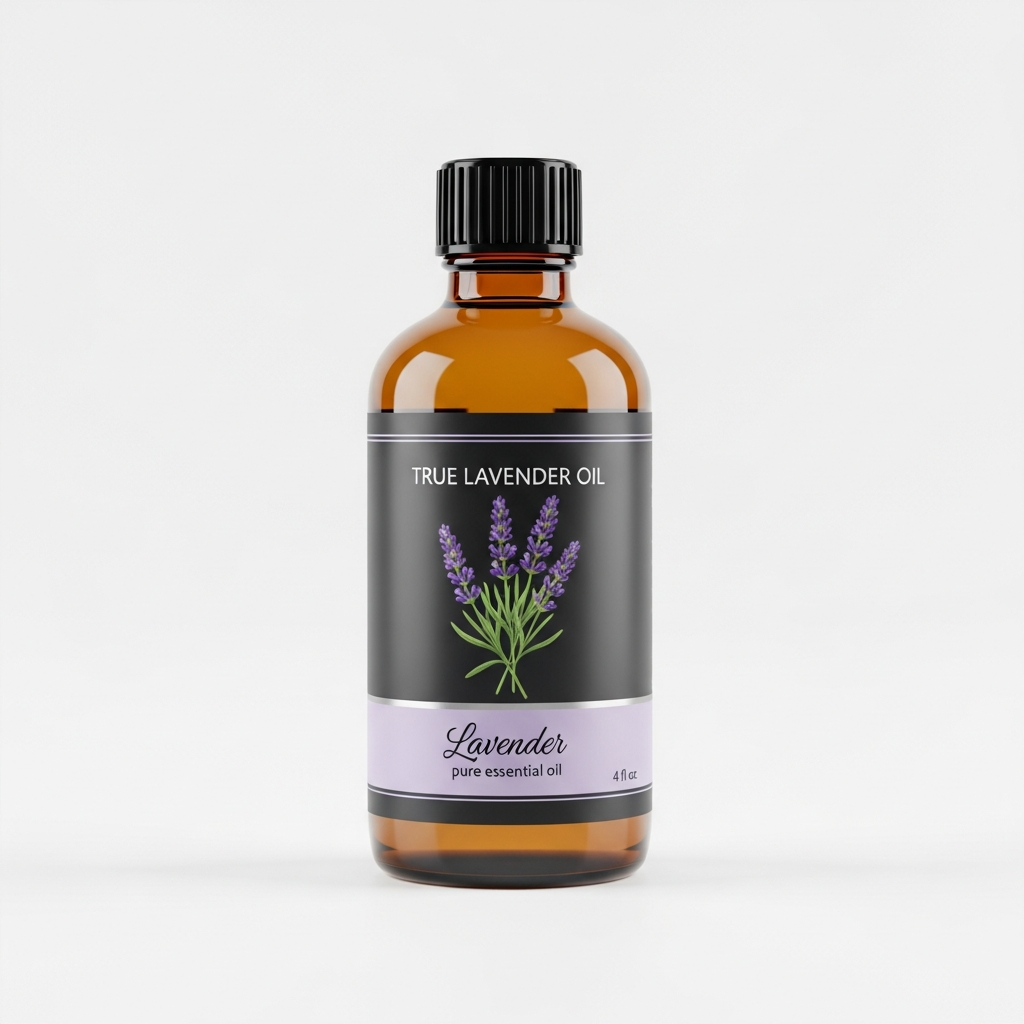
Lavender Essential Oil
Our own Lavender Essential Oil, in sizes from 0.5 oz to bulk.
From $10.99
Shop Now →This guide walks you through three distinct diy lavender bath soak blends, from a classic everyday soak to a more indulgent floral variation. Each recipe includes precise measurements, clear steps, and honest safety guidance. Consider this your starting point for a whole collection of lavender bath ideas you can return to again and again.
Before You Begin: A Note on Lavender Oil Quality
The quality of your essential oil matters more than any other ingredient in these recipes. True lavender oil, distilled from Lavandula angustifolia grown at high altitude, carries a clean, slightly sweet floral scent with gentle herbaceous undertones. Lavandin (Lavandula x intermedia) and synthetic lavender fragrance oils are widely sold under similar labels, but they behave differently on the skin and smell noticeably sharper or more camphor-like.
For a deeper look at how lavender essential oil fits into a calming evening, visit our guide on lavender oil for sleep and relaxation. It covers sourcing, scent profiles, and how to build a consistent nightly wind-down around a single versatile oil.
Safety Warnings: Read Before You Mix
Essential oils are concentrated plant extracts. They must be diluted before any skin contact. Undiluted essential oil added directly to bath water does not disperse safely: it floats on the surface and can cause skin sensitivity. Salt acts as a carrier in these recipes and helps distribute the oil more evenly, but you should still observe the following guidelines.
- Dilution ratio: For a standard adult bath, use no more than 10 to 15 drops of essential oil total in a full-sized tub (approximately 40 gallons of water). Each recipe below is formulated for a single-use portion of salts added to a full bath.
- Patch test: If you have sensitive skin or have not used lavender oil before, apply a small amount of your prepared salt blend to the inside of your forearm. Wait 24 hours and check for any redness or irritation before using in a full bath.
- Pregnancy and nursing: Consult a qualified healthcare provider before using essential oils if you are pregnant, nursing, or managing any ongoing health situation.
- Children and infants: These recipes are formulated for adults. Do not use on children without specific guidance from a qualified healthcare provider. Dilution requirements differ significantly for younger users.
- Slippery surfaces: Oils and salts can make the tub slippery. Use a non-slip bath mat and rinse the tub thoroughly after use.
- Eye contact: Keep salt blends away from eyes. If contact occurs, rinse immediately with clean water.
- Open cuts or irritated skin: Avoid soaking in salt-heavy water if you have broken or recently irritated skin.
These recipes are for aromatic bath use only. They are not substitutes for professional medical care. If you have questions about skin sensitivities or other concerns, speak with your healthcare provider.
Recipe 1: Classic Lavender Bath Soak
Difficulty: Beginner
Prep time: 5 minutes
Yield: 1 cup (enough for one full bath)
Ingredients
- 1 cup Epsom salt (magnesium sulfate)
- 10 drops true Lavandula angustifolia essential oil
- 1 teaspoon fractionated coconut oil (optional dispersant)
Instructions
- Measure the Epsom salt into a clean, dry glass or ceramic mixing bowl. Avoid plastic bowls, which can absorb essential oil over time.
- If using fractionated coconut oil, combine it with the lavender essential oil in a small dish first. This helps the oil blend more evenly into the salt rather than pooling in one spot.
- Drizzle the oil (or oil blend) over the salt.
- Stir thoroughly with a non-reactive spoon (stainless steel or wood work well). Mix for at least 60 seconds to distribute the oil as evenly as possible.
- Transfer to a clean, dry glass jar with a tight-fitting lid if storing, or use immediately.
- To use: Run your bath to your preferred temperature. Add the full cup of salts while the water is still running so they dissolve and disperse. Step in once the salts have dissolved.
Recipe 2: Lavender and Rose Petal Floral Soak
Difficulty: Beginner to intermediate
Prep time: 8 minutes
Yield: Approximately 1.5 cups (enough for one generous bath)
This blend layers dried rose petals over a lavender salt base for a more visually beautiful and aromatically complex soak. It makes a lovely gift and looks striking in a clear glass jar. If you enjoy building a full evening ritual around scent and atmosphere, our article on an evening wind-down ritual with lavender oil pairs well with this recipe.
Ingredients
- 1 cup Epsom salt
- 1/4 cup fine Dead Sea salt
- 12 drops true Lavandula angustifolia essential oil
- 3 drops rose absolute or rose geranium essential oil (optional)
- 1 teaspoon sweet almond oil or fractionated coconut oil
- 2 tablespoons dried rose petals (food-grade or cosmetic-grade)
Instructions
- Combine the Epsom salt and Dead Sea salt in your mixing bowl. Stir to blend the two salts together.
- Mix your essential oils and carrier oil together in a small dish.
- Pour the oil blend over the salt mixture and stir well for 60 to 90 seconds.
- Add the dried rose petals and fold them in gently. Vigorous stirring will break the petals into small fragments.
- Transfer to a jar or use immediately. If gifting, a wide-mouth glass jar with a ribbon looks beautiful and keeps the petals intact.
- To use: Add to running bath water. Note that rose petals may not fully dissolve. Place a mesh drain cover in your tub to catch any remaining petal pieces after draining.
Recipe 3: Lavender and Chamomile Calming Evening Blend
Difficulty: Beginner
Prep time: 5 minutes
Yield: 1 cup (enough for one full bath)
Lavender and chamomile are two of the most beloved botanicals in a calming evening routine. This bath salt blend combines lavender essential oil with Roman chamomile oil for a softer, slightly apple-like scent. If you are curious about how these two oils compare as standalone options, our comparison piece on lavender oil vs. chamomile oil covers the sourcing, scent differences, and suggested uses for each.
Ingredients
- 1 cup Epsom salt
- 8 drops true Lavandula angustifolia essential oil
- 4 drops Roman chamomile essential oil (Chamaemelum nobile)
- 1 teaspoon jojoba oil
- 1 tablespoon dried chamomile flowers (optional, cosmetic-grade)
Instructions
- Combine essential oils and jojoba oil in a small dish. Jojoba has a very long shelf life and helps extend the life of your blend.
- Pour the oil mixture over the Epsom salt in your mixing bowl.
- Stir for at least 60 seconds until evenly combined.
- Fold in dried chamomile flowers if using.
- Use immediately or store in a sealed glass jar.
- To use: Add to a warm bath while the water is running. This blend is particularly well-suited to a quiet pre-bedtime wind-down. You might also enjoy combining it with a DIY lavender pillow mist for a cohesive sensory atmosphere as you move from the bath to bed.
Storage Instructions and Shelf Life
Salt itself does not expire, but essential oils do degrade over time when exposed to light, heat, and air. Properly stored bath salts will hold their fragrance and quality for three to six months.
| Storage Factor | Best Practice |
|---|---|
| Container | Sealed glass jar with a tight lid. Avoid metal lids that may rust with salt exposure. |
| Location | Cool, dark cupboard away from the bathroom if possible. Humidity shortens shelf life. |
| Light | Opaque or dark glass jars are ideal for longer storage. |
| Moisture | Always use a dry spoon when scooping. Introducing water into the jar causes clumping and shortens life. |
| Shelf life | 3 to 6 months for best scent quality. Salts without botanicals last longer than blends containing dried flowers. |
Variations and Substitutions
Once you have made one batch, it is easy to start experimenting. Here are some common substitution ideas.
Salt Bases
Epsom salt is the most widely available and least expensive option. Dead Sea salt has a finer texture and a slightly different mineral composition, producing a silkier feel in the water. Himalayan pink salt adds visual warmth and is a popular choice for gift jars. You can blend two or three salt types in any proportion you prefer.
Carrier Oils
Fractionated coconut oil, sweet almond oil, jojoba oil, and sunflower oil all work well. Choose based on your skin type and any known sensitivities. If you have a tree nut allergy, note that sweet almond oil is derived from almonds. Sunflower oil is a reliable nut-free alternative.
Add-Ins
Dried lavender buds are a beautiful addition and reinforce the floral scent. Use cosmetic-grade or food-grade botanicals only. Colloidal oatmeal (finely milled oats) can be stirred in at roughly 2 tablespoons per cup of salt for a softer, milkier soak. Baking soda, added at a quarter cup per batch, lends a slightly silky texture to the bath water.
Essential Oil Substitutions
If you would like to explore beyond lavender and chamomile, bergamot, cedarwood, and ylang-ylang all blend beautifully with Lavandula angustifolia. Keep total essential oil drops within the same range (10 to 15 drops per cup of salt for a single bath portion) regardless of which oils you choose.
Frequently Asked Questions
Can I use lavender fragrance oil instead of essential oil?
Fragrance oils are synthetic blends designed to mimic a scent. They do not contain the same naturally occurring compounds as true Lavandula angustifolia essential oil, and some fragrance oils contain ingredients that may irritate skin, particularly in a warm water soak. For the quality and scent authenticity these recipes are built around, use a genuine essential oil from a traceable source.
Why are my salts clumping together?
Salt absorbs moisture readily. Clumping usually means the jar was opened in a humid bathroom too many times, or a wet spoon was used. Break up any clumps before use. The product is still perfectly usable.
Can I make a large batch in advance?
Yes. Simply multiply the recipe quantities by however many batches you want to make. Store in sealed glass jars, label with the date, and use within six months for best fragrance quality.
A note on building a full evening ritual: Bath salts work beautifully as one part of a broader bedtime wind-down. Pairing a warm soak with a few spritzes of homemade lavender pillow mist and a few minutes of quiet before sleep creates a sensory sequence your nervous system may come to associate with rest. Consistency, many people find, matters as much as any single product.
Final Tips for the Best Results
- Use warm water rather than very hot water. Extremely hot baths can cause the scent to dissipate more quickly and may be harder on skin.
- Add the salts while the water is still running rather than dropping them into a still tub. The agitation helps them dissolve and distribute more evenly.
- Give yourself at least 15 to 20 minutes in the bath to allow the aromatic atmosphere to fully develop.
- Keep a glass of water nearby. Warm baths can be dehydrating.
- Rinse the tub immediately after draining to prevent any salt residue from drying on the surface.
Making your own lavender bath salts takes almost no time, costs far less than most ready-made versions, and gives you complete control over every ingredient. Start with Recipe 1 to get comfortable with the process, then branch into the floral or chamomile blends once you have a feel for proportions and scent intensity. Your evenings are worth the five minutes it takes to mix a batch.