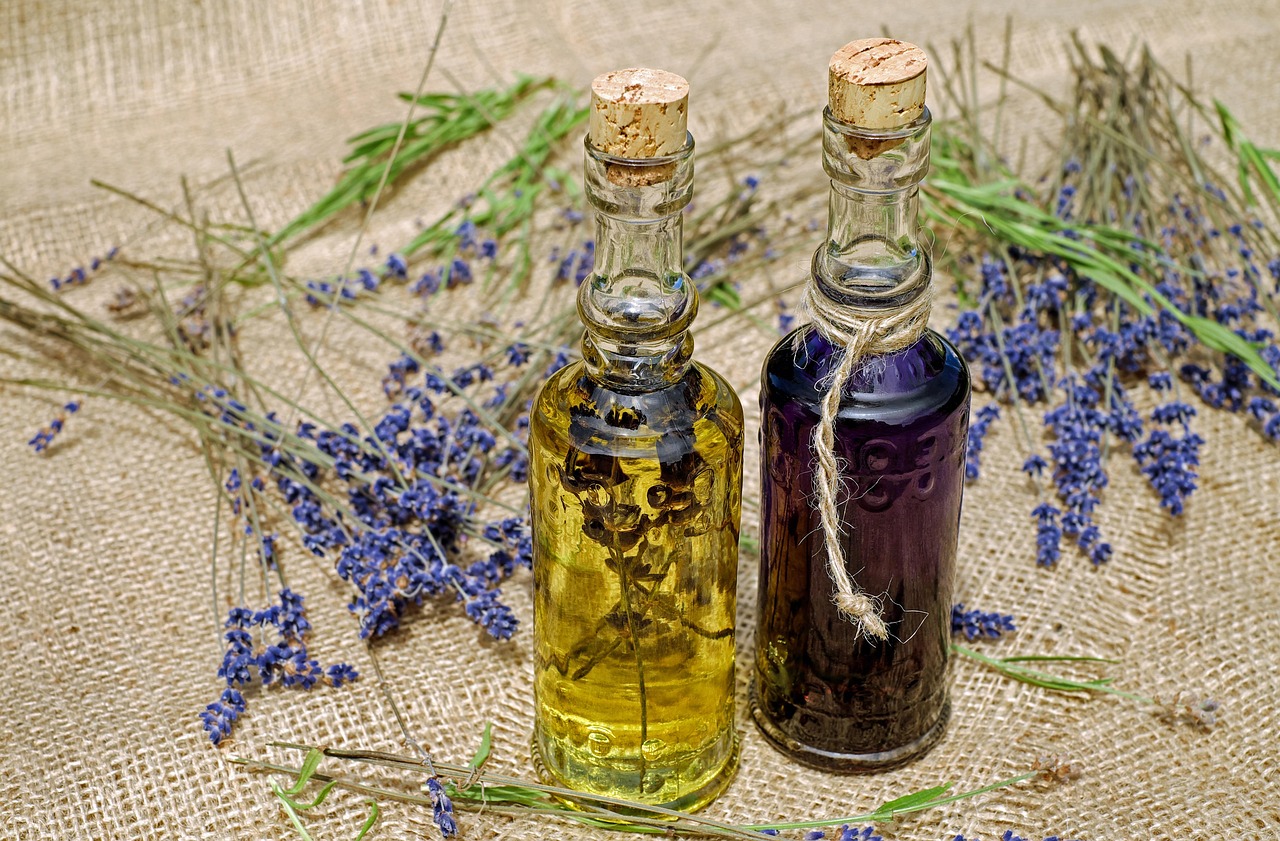
DIY Lavender Pillow Mist: A Calming Spray for Your Nightly Wind-Down
There is something almost ceremonial about preparing your bedroom for sleep. Dimming the lights, setting your phone aside, pulling back the covers. Adding a gentle lavender pillow mist to that ritual can transform an ordinary routine into something you actually look forward to. This lavender pillow mist recipe is simple enough for a first-time DIYer, uses just a handful of ingredients, and fills your pillowcase with the soft, grassy-floral scent that true Lavandula angustifolia is known for.
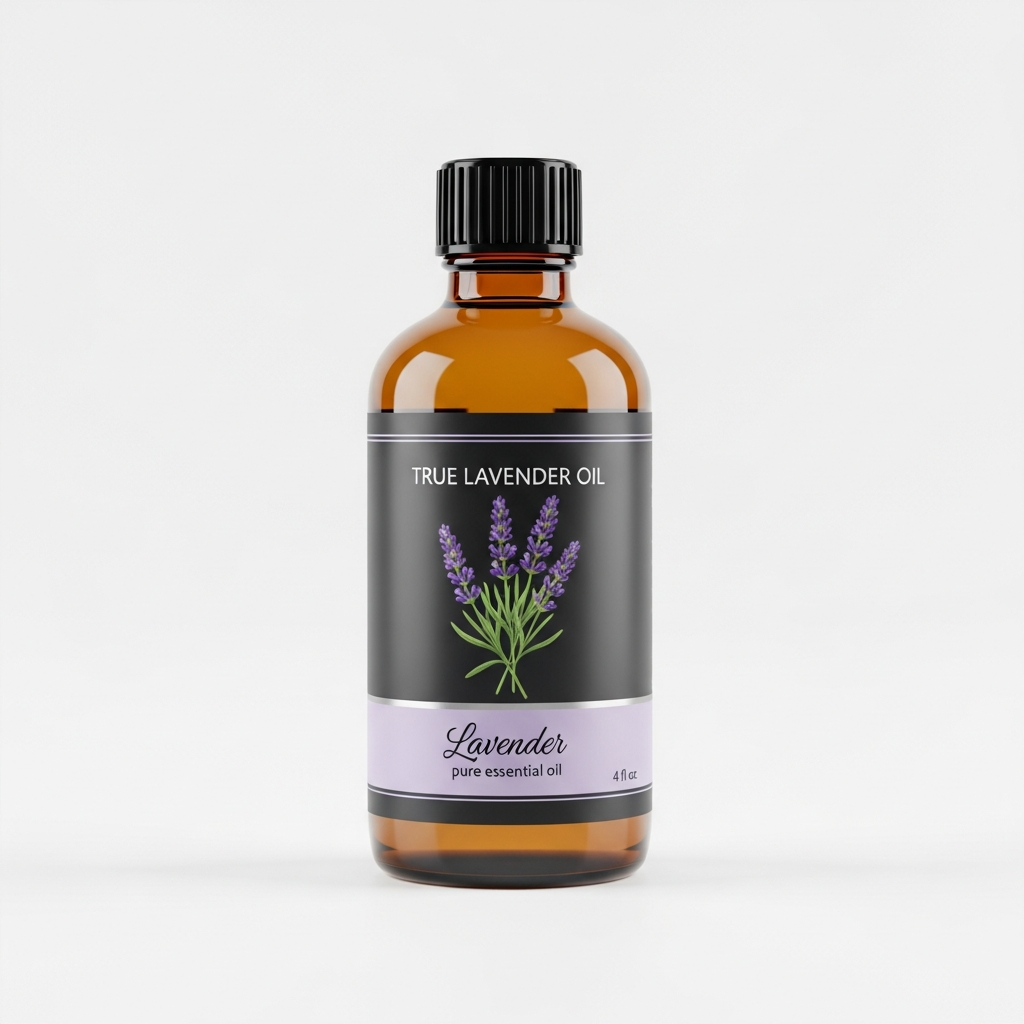
Lavender Essential Oil
Our own Lavender Essential Oil, in sizes from 0.5 oz to bulk.
From $10.99
Shop Now →If you want to understand the broader role lavender oil can play in a restful evening, our guide on lavender oil for sleep and relaxation is a great companion read. But for now, let's get into the recipe.
At a Glance
| Difficulty | Beginner |
| Prep Time | 10 minutes |
| Yield | Approximately 4 oz (120 ml) |
| Shelf Life | 4 to 6 weeks (up to 3 months with proper storage) |
| Dilution Rate | Approx. 0.5% to 1% (fabric-safe, not for direct skin application in this formula) |
Why True Lavender Oil Makes All the Difference
Not every bottle labeled "lavender" contains genuine Lavandula angustifolia. Lavandin (Lavandula x intermedia) is a common substitute. It is sharper, more camphor-forward, and lacks the smooth, rounded scent profile that makes a calming bedtime spray feel genuinely inviting. When you are building a wind-down ritual around a fragrance, quality sourcing matters as much as the recipe itself.
Look for lavender essential oil that lists the full botanical name on the label, specifies a country of origin (Bulgaria, France, and Kashmir are well-regarded growing regions), and provides a GC/MS test report. Those details tell you what is actually inside the bottle.
Ingredients
- Distilled water: 3 oz (90 ml). Always use distilled, not tap. Tap water contains minerals and microbes that shorten shelf life and can leave faint residue on fabric.
- Witch hazel (alcohol-free) or 190-proof grain alcohol: 1 oz (30 ml). This acts as an emulsifier, helping the essential oil disperse into the water rather than floating on top. Grain alcohol also extends shelf life. Alcohol-free witch hazel works well for those who prefer it, though the spray will need a firm shake before each use.
- True lavender essential oil (Lavandula angustifolia): 20 to 24 drops. This puts the formula at roughly 0.5% to 1% dilution, which is appropriate for fabric use.
- Roman chamomile essential oil (optional): 4 to 6 drops. Its soft, apple-like scent layers beautifully with lavender for an evening atmosphere.
- Cedarwood essential oil (optional): 3 to 4 drops. Adds a warm, woody depth to the blend.
Equipment
- One 4-oz dark glass spray bottle (amber or cobalt blue)
- Small funnel
- Measuring cup or glass beaker
- A label and pen
Step-by-Step Instructions
-
Prepare your workspace
Wipe down your surface with a clean cloth. Gather all ingredients and equipment before you begin. Working on a light-colored towel helps you spot any spills right away.
-
Add the witch hazel or alcohol first
Pour 1 oz of witch hazel or grain alcohol directly into the spray bottle using your funnel. Starting with the emulsifier first makes it easier to incorporate the essential oils.
-
Add your essential oils
Drop the lavender essential oil into the bottle first, followed by any optional oils you are using. Cap the bottle and swirl gently for about 15 seconds. This allows the oils to begin blending with the witch hazel before the water is added.
-
Add the distilled water
Pour in 3 oz of distilled water slowly. Some gentle fizzing or cloudiness is normal. It will settle.
-
Shake well
Replace the spray top, then shake the bottle firmly for 30 to 45 seconds. Essential oils and water will always want to separate, so shaking before each use is part of the routine.
-
Label immediately
Write the blend name, the date made, and the ingredients on your label. Do this before you put the bottle away. It is easy to forget what is in an unlabeled bottle two weeks later.
-
Let it settle for 24 hours (optional but recommended)
Like a good loose-leaf tea, the scent often mellows and blends more harmoniously after resting overnight. You can use it right away if you prefer, but the 24-hour rest is worth it.
How to Use Your Lavender Pillow Mist
Shake the bottle well. Hold it about 12 inches above your pillow and linens, then mist two or three times. Let the spray settle for a minute before lying down. This gives the fine droplets time to disperse into the fabric and prevents a wet-pillow feeling.
A light mist on curtains or the fabric headboard works beautifully too. You are building a scent environment for the whole room, not just the pillow.
For a fuller evening ritual that weaves lavender into multiple wind-down steps, our article on an evening wind-down ritual with lavender oil walks through an entire sequence worth exploring.
Safety Warnings and Contraindications
Please read this section before making or using your pillow mist.
Dilution and fabric use
This formula is designed for fabric application only. The 0.5% to 1% dilution rate is not intended for direct, undiluted skin contact. If you want a lavender blend you can apply to pulse points, a properly formulated roll-on is a better choice. Our lavender roll-on recipe is specifically designed for skin application with an appropriate carrier oil base.
Patch test your fabric first
Before misting your best linen pillowcases, spray a small amount on an inconspicuous corner of the fabric and let it dry completely. Most natural fabrics handle this formula without issue, but delicate silks, certain dyed fabrics, or dry-clean-only materials may respond differently. When in doubt, test first.
Pregnancy and nursing
Some essential oils are not recommended during pregnancy or while nursing. Consult a qualified healthcare provider before using any essential oil product if you are pregnant, nursing, or trying to conceive.
Infants and young children
Essential oils require extra caution around babies and young children. Certain oils, including some that are safe for adults, are not appropriate for use in spaces shared with infants. Consult a qualified healthcare provider before using this mist in a nursery or child's room.
Pets
Cats and dogs process essential oil compounds differently than humans do. Keep pets out of freshly misted rooms until the spray has fully dried and the room has aired out. If you share your bed with a pet, speak with a veterinarian before regular use.
Alcohol sensitivity
If you are using grain alcohol as your emulsifier, be aware that a faint alcohol note may be detectable immediately after spraying. It dissipates quickly. If alcohol is a concern, the alcohol-free witch hazel version works well.
Never ingest essential oils
This product is for aromatic and fabric use only. Keep out of reach of children.
Storage Instructions and Shelf Life
Store your pillow mist in a cool, dark location. A bedside drawer or bathroom cabinet away from direct sunlight works well. Heat and light degrade essential oils and shorten shelf life.
- With alcohol-free witch hazel: Use within 4 to 6 weeks for best scent quality.
- With grain alcohol: The formula keeps well for up to 3 months.
If the scent fades noticeably or the spray develops an unusual odor, it is time to make a fresh batch. The good news: this recipe takes about 10 minutes, so refreshing your supply is never a chore.
Variations and Substitutions
The Classic (lavender only)
Skip the optional oils entirely and use 24 drops of true Lavandula angustifolia. Pure, unfussy, and unmistakably lavender. This is the version to reach for when you want the scent to be soft and uncomplicated.
Lavender and Bergamot
Replace the cedarwood with 4 drops of bergamot (FCF, furocoumarin-free). The citrus-floral lift adds brightness while still keeping the overall character serene. This combination is especially appealing in spring and early summer.
Lavender and Sandalwood
Swap cedarwood for 3 drops of sandalwood. The result is a richer, creamier scent that suits cooler evenings beautifully. If you enjoy cozy seasonal blends, our collection of lavender diffuser blends for fall evenings has more ideas along these lines.
Lavender and Vetiver
Add just 2 drops of vetiver in place of the cedarwood. Vetiver is powerful. A little goes a long way. The earthy, smoky base note it adds is grounding and distinct, best suited for people who enjoy complex, deep scent profiles.
Unscented base variation
If you or someone in your household is sensitive to fragrance but still wants a lightly refreshing fabric spray, you can use the witch hazel and distilled water base on its own. Lavender hydrosol (lavender floral water) can replace some or all of the distilled water for a very faint, true-to-plant scent without essential oil concentration.
A Few Notes on Sourcing Your Ingredients
The quality of a DIY pillow spray is only as good as its ingredients. Beyond the lavender oil itself, the water matters more than most people expect. Distilled water is inexpensive and widely available, and it genuinely does extend your spray's freshness compared to filtered or tap water.
For your spray bottle, dark glass is worth the small investment. Plastic bottles can interact with essential oils over time, and clear glass allows light to degrade the contents. A 4-oz amber glass bottle with a fine-mist sprayer head is the ideal vessel for this formula.
If you find yourself making this regularly, buying a small set of glass bottles and pre-measuring your witch hazel into individual containers makes batch production feel effortless. You can have three or four bottles ready to gift or use within 30 minutes.
Make It a Ritual
The scent itself is only part of what makes a calming bedtime spray effective. The act of reaching for the bottle, shaking it, and spritzing your pillow becomes a cue. Over time, your mind begins to associate that scent and that small gesture with the shift toward rest. You are building a signal, not just applying a fragrance.
That consistency is what makes any wind-down practice worth developing. The lavender pillow mist is an easy, low-commitment place to start.