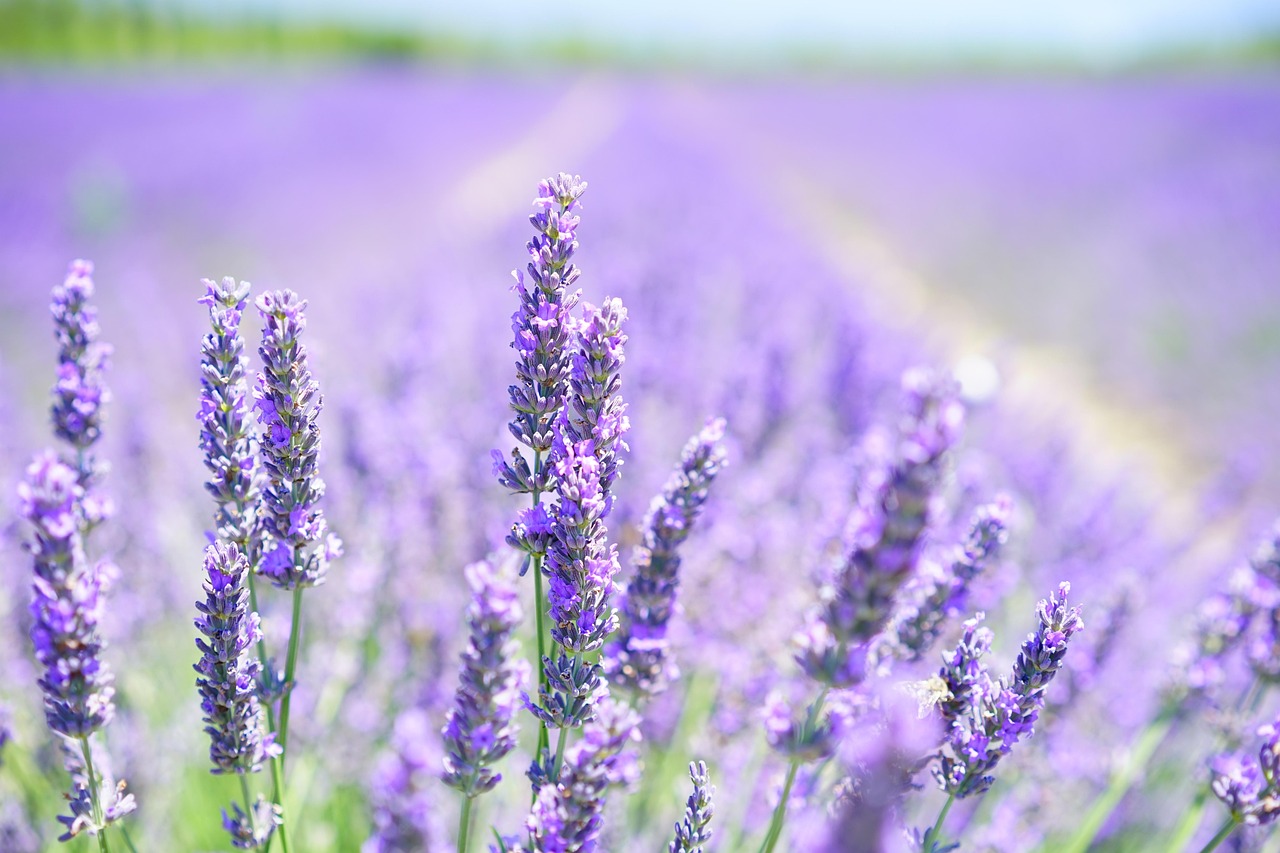
7 Cozy Lavender Diffuser Blends for Crisp Fall Evenings
There is something about the first genuinely cold evening of autumn that makes you want to do something with your hands. You light a candle. You pull out a blanket. And if you keep a diffuser on your shelf, you start reaching for the oils that smell like the season itself.
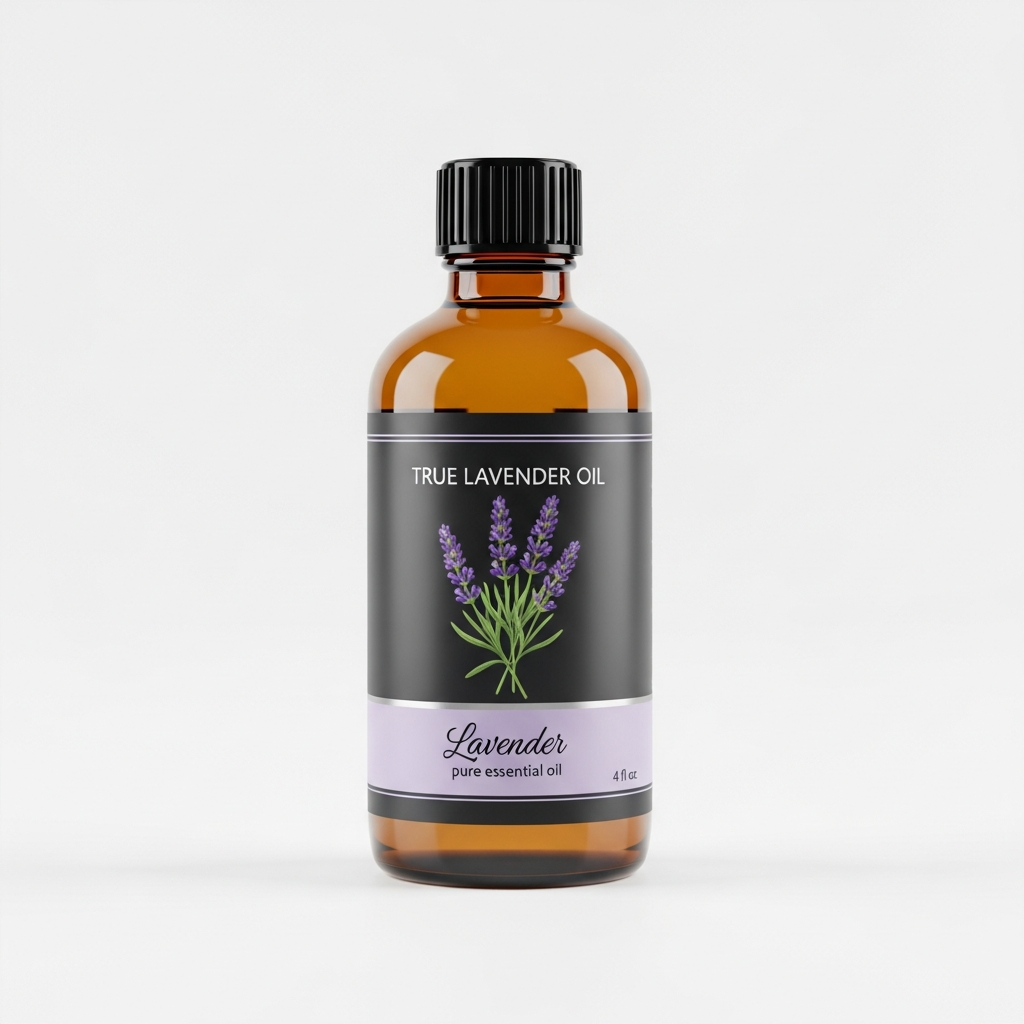
Lavender Essential Oil
Our own Lavender Essential Oil, in sizes from 0.5 oz to bulk.
From $10.99
Shop Now →Fall is the most popular time of year for home diffusing, and it is easy to understand why. The windows close, the air inside gets still, and suddenly the atmosphere of your living room actually matters. Cozy lavender blends earn their place in that moment because true Lavandula angustifolia has a softness that anchors warmer, spicier notes without competing with them. Cedar smells sharper beside lavender. Clove smells more rounded. The whole blend settles into something that feels intentional rather than accidental.
Below you will find seven fall diffuser blends built around genuine lavender oil. Each one is designed for a specific kind of evening, and every recipe includes the drop counts, a few notes on the oils involved, and a simple tip for getting the most out of it.
A Quick Note on Lavender Quality Before You Blend
Not all lavender oils behave the same way in a blend. Lavandin (Lavandula x intermedia) is sharper and more camphor-forward. It can overpower delicate fall notes like cardamom or sandalwood. True lavender (Lavandula angustifolia) is softer, slightly floral, and far more cooperative in a blend. If your lavender currently smells medicinal or almost minty, it is likely lavandin. The recipes below were developed with true lavender in mind, so the drop ratios reflect that gentler profile.
For a deeper look at sourcing and quality markers, the article on lavender oil for sleep and relaxation covers what to look for on a label and why botanical sourcing matters.
How to Use These Recipes
All seven blends are written for a standard 100 mL ultrasonic diffuser. If your diffuser is larger (200 mL or 300 mL), simply double or triple the drop counts proportionally. Run your diffuser in 30-to-60-minute intervals with breaks in between. Continuous diffusing in a closed room can cause sensory fatigue, so give your nose (and everyone in the household) regular rests.
Keep diffusers out of reach of young children and pets, and check species-specific guidance if you have cats or birds in the home, as some essential oils require extra caution around them. If anyone in your household is pregnant or has a respiratory sensitivity, consult a qualified healthcare provider before diffusing any essential oil blend.
The 7 Blends
1. Harvest Hearth
Best for: Saturday evenings when the whole house smells like baking
- 4 drops true lavender
- 3 drops sweet orange
- 2 drops cinnamon leaf (not bark: leaf is gentler for diffusing)
- 1 drop cardamom
This is the blend that greets people at the door. Sweet orange brings brightness, cinnamon leaf adds that familiar autumn warmth, and cardamom keeps everything from going too sweet. Lavender holds the whole thing together with a floral softness. People often say this blend makes a room feel lived-in and welcoming rather than perfumed.
Tip: Diffuse this one during the afternoon, not just in the evening. The citrus top notes lift the energy of the room earlier in the day, while the base notes linger into the quieter hours.
2. Flannel Season
Best for: Reading nights, low-light evenings, general unwinding
- 5 drops true lavender
- 3 drops cedarwood (Atlas or Virginia)
- 2 drops vetiver
Vetiver is divisive. People either love its deep, smoky earthiness immediately or they need a season to come around to it. In this blend, lavender softens vetiver's intensity significantly, and cedarwood bridges the two into something that genuinely smells like a cozy cabin. This is a low-key, slow-burning blend for evenings when nothing in particular is happening.
Tip: Start with just 1 drop of vetiver if you are new to it. You can always add a second drop once the diffuser has been running for ten minutes and you have a sense of the balance.
3. Apple Orchard Walk
Best for: Early fall, when the air still has a hint of summer warmth
- 4 drops true lavender
- 4 drops bergamot
- 2 drops ginger
Bergamot is one of the most useful oils in autumn blending because it reads as both citrusy and slightly floral at the same time. Paired with ginger's spicy warmth and lavender's softness, this blend lands somewhere between an orchard and a warm kitchen. It feels energetically lighter than some of the woodier blends, which makes it good for early-season evenings that are not quite fully cold yet.
Tip: Use FCF (furanocoumarin-free) bergamot. Standard bergamot contains compounds that can cause photosensitivity if it gets on skin, and while diffusing is not the same as topical application, FCF bergamot is simply the cleaner choice for home use.
4. Midnight Library
Best for: Late evenings, pre-bedtime wind-down routines
- 5 drops true lavender
- 3 drops frankincense (Boswellia carterii or serrata)
- 2 drops sandalwood (Australian is a sustainably sourced option)
Frankincense and sandalwood are both resins with a meditative, slightly woody quality. This blend is quiet in the best possible way. It does not announce itself. It simply makes the room feel calmer and more settled. Run this one about 45 minutes before you plan to go to sleep as part of an evening wind-down ritual.
If you are building out a full bedtime routine, this blend pairs well with the guidance in the lavender oil in the diffuser: blends for a calming bedtime article, which covers timing and placement tips in detail.
5. Woodsmoke and Wool
Best for: October and November, deep-fall evenings
- 4 drops true lavender
- 3 drops black spruce
- 2 drops clove bud (not leaf or stem: bud is the mildest for diffusing)
- 1 drop patchouli
Black spruce is an underused gem in autumn blending. It has a clean, forest-air quality that is less sharp than pine and less sweet than fir. Clove bud adds that signature fall spice. A single drop of patchouli adds depth without making the blend smell retro. Lavender softens the spruce and keeps the clove from going sharp. This one is genuinely evocative of being outdoors on a cold evening before coming inside.
Tip: Clove bud is a strong oil. Start with 1 drop on your first run and increase to 2 once you know how your diffuser disperses it.
6. Spiced Linen
Best for: Bedroom diffusing, fresh-laundry-adjacent atmosphere
- 6 drops true lavender
- 2 drops geranium
- 2 drops nutmeg
This is the blend for people who find heavily spiced autumn blends a little overwhelming. Geranium has a rosy, slightly green quality that plays beautifully with lavender. Nutmeg adds a gentle spice note that reads as warm rather than sharp. The overall effect is a bedroom that smells clean, soft, and faintly seasonal. It is subtle enough for daily use without becoming fatiguing.
If you enjoy the linen-fresh quality of this blend, you might also want to try a DIY lavender linen spray for your bedding. The two work beautifully together as part of the same evening ritual.
7. Golden Hour
Best for: Late-afternoon diffusing as daylight fades earlier
- 4 drops true lavender
- 3 drops wild orange
- 2 drops clary sage
- 1 drop Roman chamomile
Roman chamomile is expensive, which is why it only appears once in this list. But even a single drop in this blend earns its keep. It has an apple-like, slightly honeyed quality that makes the whole blend feel like late afternoon light captured in a bottle. Clary sage adds an herbal warmth without going bitter. Wild orange keeps it bright. This one is for the hour when the sky goes gold and you want the inside of your home to match.
Tip: If Roman chamomile is outside your budget, substitute an extra drop of lavender and one drop of ylang ylang (use ylang ylang sparingly as it is potent). The blend will be slightly more floral and less honeyed, but still lovely.
Seasonal Variations to Try
These blends are starting points, not fixed formulas. Once you have made them a few times, you will develop a feel for how the oils in your collection interact, and you can start substituting and layering with confidence.
| If you want more... | Try adding... | Reduce... |
|---|---|---|
| Smokiness | 1 drop vetiver or cistus | Citrus notes by 1 drop |
| Sweetness | 1 drop vanilla CO2 or benzoin | Spice notes by 1 drop |
| Forest freshness | 1-2 drops fir needle or pine | Floral notes by 1 drop |
| Herbal depth | 1 drop rosemary or thyme | Sweet citrus by 1 drop |
Storing Your Autumn Blends
Pre-blending is a real time-saver for busy evenings. You can mix your fall diffuser blends into small amber glass bottles (5 mL or 10 mL) and store them away from direct sunlight. Label each bottle with the recipe name and the date you mixed it. Most blends will keep their character well for six to twelve months if stored properly, though citrus-heavy blends tend to shift more quickly than resinous or woody ones.
When you are ready to diffuse, you simply tip a few drops from your pre-made bottle rather than measuring out individual oils each time. It makes a ritual out of a routine, which is the point of seasonal home diffusing in the first place.
Taking the Blend Beyond the Diffuser
Some of these autumn essential oil blends translate well to other formats. The Spiced Linen blend works beautifully in a roller bottle when diluted properly in a carrier oil, which makes it portable for evenings away from home. For guidance on dilution ratios and a simple roll-on formula, the lavender roll-on recipe is a good place to start.
The key point with any topical use: dilute properly (typically 1-2% for adults, meaning roughly 6-12 drops of essential oil per ounce of carrier oil), patch test before wider application, and keep formulas away from children's skin without guidance from a qualified healthcare provider.
One Last Thing About Fall and Lavender
People sometimes assume lavender is strictly a summer oil because the flowers bloom in July. But true Lavandula angustifolia actually becomes more interesting in autumn blending, not less. Its softness creates space for the bolder seasonal notes around it. It rounds out the edges of clove and cinnamon. It makes cedarwood smell warmer and frankincense smell more accessible.
These seven cozy lavender blends are designed to become part of how your home smells this season. Start with one, make it your own, and let the others wait their turn as the evenings get colder and longer. That is what a good autumn blend is for.