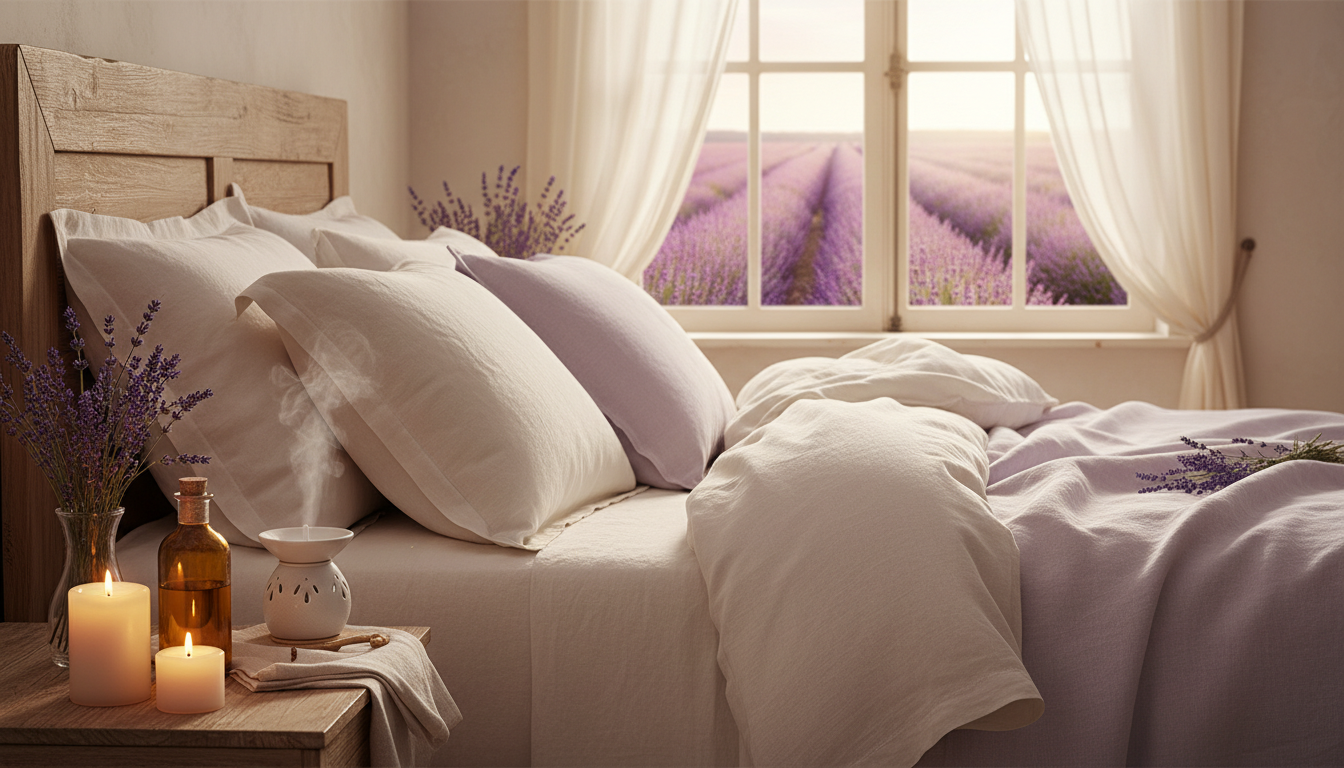
Lavender Oil in the Diffuser: Blends for a Calming Bedtime Routine
There is something almost ritualistic about switching on a diffuser as the evening winds down. The soft hiss of mist, the gradual bloom of scent through a room, the quiet signal to your senses that the day is done. When that scent is true Lavandula angustifolia lavender oil, the experience becomes something worth building an entire routine around.
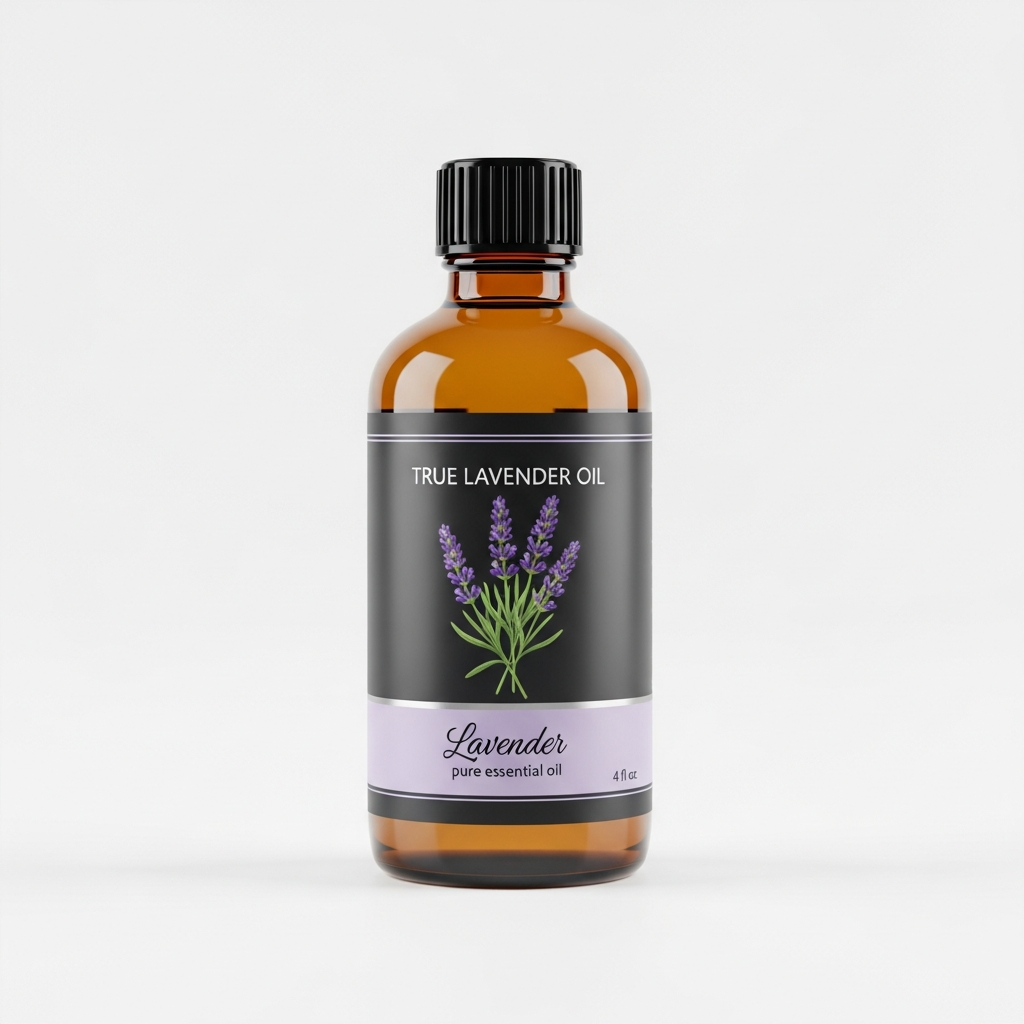
Lavender Essential Oil
Our own Lavender Essential Oil, in sizes from 0.5 oz to bulk.
From $10.99
Shop Now →Diffusing lavender oil has become one of the most popular ways to create a consistent, intentional lavender bedtime routine. And while straight lavender is always a worthy choice, blending it with complementary oils opens up a whole new world of aroma. The following seven blends are crafted to layer beautifully with lavender's naturally soft, floral-herbaceous profile. Each one suits a slightly different evening mood, so you can reach for the right blend based on how your day actually felt.
Before we dive in: always use a high-quality, pure Lavandula angustifolia oil in your diffuser. Lavandin (a hybrid) and lavender-fragrance oils smell similar but have a noticeably sharper, more camphorous character that does not carry the same gentle quality. If you want to go deeper on what makes one lavender worth choosing over another, our guide on lavender oil for sleep and relaxation covers sourcing and quality markers in detail.
A Quick Note on Diffuser Ratios
Most ultrasonic diffusers hold between 100 ml and 300 ml of water. A general starting point is 3 to 5 drops of essential oil total per 100 ml of water. The blends below are written for a 200 ml fill, which is a common mid-size tank. Scale up or down proportionally for your device.
Keep diffusion sessions to 30 to 60 minutes at a time, especially in bedrooms. Continuous diffusion in a closed room is not necessary, and shorter sessions are often more pleasant. Children, people who are pregnant or nursing, and anyone with respiratory sensitivities should consult a qualified healthcare provider before using essential oils in a diffuser.
1. The Classic: Pure Lavender
Sometimes the simplest choice is the right one. A diffuser filled with nothing but true Lavandula angustifolia lavender oil delivers that iconic floral-herbaceous scent in its purest form. No competition, no complexity. Just lavender.
This blend (if you can call it that) is especially useful when you are first building a lavender bedtime routine, because it gives you a clear baseline for what good lavender actually smells like. Look for a scent that is sweet and floral up front, with a faintly green, slightly powdery finish. If your lavender smells sharp or mostly like camphor, it may be lavandin rather than true angustifolia.
Many people find that using the same single scent every night can make it feel like a genuine cue for winding down. Scent association is a real thing. Your brain begins to connect that particular aroma with the ritual of preparing for rest.
Practical takeaway: Use 6 drops of lavender oil in 200 ml of water. Diffuse for 45 minutes while you dim the lights and set aside screens.
2. Lavender and Cedarwood: Grounded and Woody
Cedarwood essential oil (Atlas or Virginian varieties both work well) has a warm, soft-wood character that sits comfortably beneath lavender's floral brightness. Together, the two oils create a blend that feels grounded rather than sweet. It leans a little more masculine in register, though scent is deeply personal and these labels mean little in practice.
Cedarwood contains a compound called cedrol, which has attracted attention in research circles for its potential to support a sense of calm. Some studies have begun to explore it, though findings remain preliminary. As always, scent preferences are individual, and what one person finds grounding, another may find unremarkable.
This is a particularly good blend for evenings after a long, mentally busy day. The woody depth of cedarwood seems to quiet the kind of mental chatter that can make it hard to settle.
Practical takeaway: Combine 4 drops lavender and 3 drops cedarwood in 200 ml of water. This blend works nicely with a diffuser set on an intermittent cycle.
3. Lavender and Roman Chamomile: The Gentle Duo
Roman chamomile (Chamaemelum nobile) is lavender's most natural companion in the world of calming evening scents. Where lavender is floral and slightly sharp, Roman chamomile brings a soft, apple-like sweetness. The two together are genuinely lovely: gentle, a little old-fashioned, and unmistakably associated with the slower pace of evening.
Roman chamomile is more potent than its delicate reputation suggests, so it needs a lighter hand than lavender. A little goes a long way in the diffuser. If you go heavy on chamomile, the blend can tip into something almost medicinal-smelling. Keep the ratio lavender-forward and let chamomile play a supporting role.
If you are curious about how these two oils compare more broadly, our article on lavender oil vs. chamomile oil walks through their differences in depth.
Practical takeaway: Use 5 drops lavender and 2 drops Roman chamomile in 200 ml of water. This blend is especially worth trying on evenings when you want something softer and less herbaceous.
4. Lavender and Bergamot: Floral Meets Citrus
Bergamot is a cold-pressed citrus oil with a unique character: it has the brightness you expect from citrus, but it also carries a distinct floral, almost tea-like quality. That complexity is why it pairs so well with lavender. Together they produce a blend that feels uplifting in a quiet, refined way rather than energising.
One important note: use bergamot that is labelled bergapten-free (also called FCF, or furanocoumarin-free). Standard bergamot contains naturally occurring compounds called furanocoumarins that can cause photosensitivity on skin. In a diffuser, this is not a skin concern, but choosing bergapten-free oil is a good habit. It is also worth noting that bergamot's bright top notes will fade faster than lavender's, so the blend evolves as it diffuses.
This is a good choice for early evenings when you are not quite ready to fully slow down but want to begin transitioning away from the energy of the day.
Practical takeaway: Combine 4 drops lavender and 3 drops bergamot FCF in 200 ml of water. Diffuse during a bath, light reading, or journaling session.
5. Lavender, Frankincense, and Vetiver: The Deep Wind-Down
This is a more complex, layered blend, and it suits a specific kind of evening: the kind where you genuinely need to slow all the way down. Frankincense adds a subtle resinous, slightly smoky quality. Vetiver is earthy and deep. Sometimes described as smelling like the soil itself, vetiver is polarising, but in small amounts it works as a quiet anchor beneath the other oils.
The key with vetiver is restraint. It is a base note with real staying power, and too much will dominate the blend entirely. Start with a single drop and see how you respond. Some people love it immediately; others need a few sessions to warm up to its distinctive earthiness.
Frankincense has a long history of use in contemplative and ceremonial contexts across many cultures, which gives this blend a certain meditative atmosphere. Pair it with low lighting and quiet time before bed rather than active screen use.
Practical takeaway: Use 4 drops lavender, 2 drops frankincense, and 1 drop vetiver in 200 ml of water. Run the diffuser 30 minutes before you plan to sleep.
6. Lavender and Sandalwood: Warm and Creamy
Sandalwood has a creamy, velvety warmth that makes it one of the most universally appealing base notes in natural perfumery. It rounds the sharper edges of lavender and gives the overall blend a sense of depth without heaviness. The result is a diffuser experience that feels genuinely luxurious, the olfactory equivalent of soft textures and candlelight.
A word on sourcing: true Indian sandalwood (Santalum album) is significantly more expensive than Australian sandalwood (Santalum spicatum) or New Caledonian varieties. All three are real sandalwood, but they smell different. Indian sandalwood is richer and more distinctly creamy. Australian sandalwood is slightly drier and woodier. Both work well in this blend. Avoid anything labelled simply as sandalwood fragrance oil, which is synthetic.
This blend also layers nicely with a broader bedtime ritual. If you enjoy a lavender-scented bath before bed, consider this blend in the diffuser afterward to carry the mood through. Our recipes for DIY lavender bath salts pair especially well with this kind of layered scent routine.
Practical takeaway: Combine 4 drops lavender and 3 drops sandalwood in 200 ml of water. This blend is rich enough to stand on its own even at a lower total drop count.
7. Lavender, Marjoram, and Clary Sage: The Herbaceous Blend
For those who prefer an earthier, more herbaceous scent profile over floral sweetness, this trio is worth exploring. Sweet marjoram has a warm, slightly spicy herbal quality that complements lavender without pushing it in a sharper direction. Clary sage contributes a soft, slightly nutty note that adds body to the blend.
Clary sage is quite distinctive, and some people find its scent unusual at first. If you have never smelled it before, try it on its own before committing to a blend. Like vetiver, it rewards patience. Many people who initially find it odd grow to appreciate it as one of the more interesting and complex evening oils available.
A note on clary sage: it is generally recommended that people who are pregnant avoid using it without guidance from a healthcare provider. Always consult a qualified professional if you have any questions about which oils are appropriate for your circumstances.
Practical takeaway: Use 4 drops lavender, 2 drops sweet marjoram, and 2 drops clary sage in 200 ml of water. This works well for a 45-minute diffuser session while you do a slow evening stretch or wind-down reading.
Building Your Lavender Bedtime Routine Beyond the Diffuser
Diffusing lavender oil is a wonderful starting point, but it works even better as part of a broader sensory routine. Layering scent throughout your evening, through a linen spray on your pillowcase, a splash of lavender bath salts before bed, or even a diluted roller blend on your wrists, creates a more immersive experience than any single product can achieve on its own.
If you want to extend the lavender scent to your sheets and pillows, our DIY lavender linen spray recipe takes about five minutes to make and requires just a handful of ingredients. When your diffuser, your linens, and your bath ritual all carry the same gentle scent thread, the whole routine starts to feel less like a collection of separate habits and more like a single, coherent wind-down experience.
The blends above are suggestions, not rules. Start with one that sounds appealing and give it a few evenings before deciding whether it suits you. Scent is personal, seasonal, and sometimes just mood-dependent. Keep notes on what you enjoy and what the room smells like when you wake up in the morning. That feedback is often the most useful guide of all.
Good lavender oil diffuser blends do not require a large collection of bottles. Even two or three complementary oils, chosen thoughtfully, can carry a whole season of evenings. Start simply, pay attention to what you notice, and let the ritual grow from there.