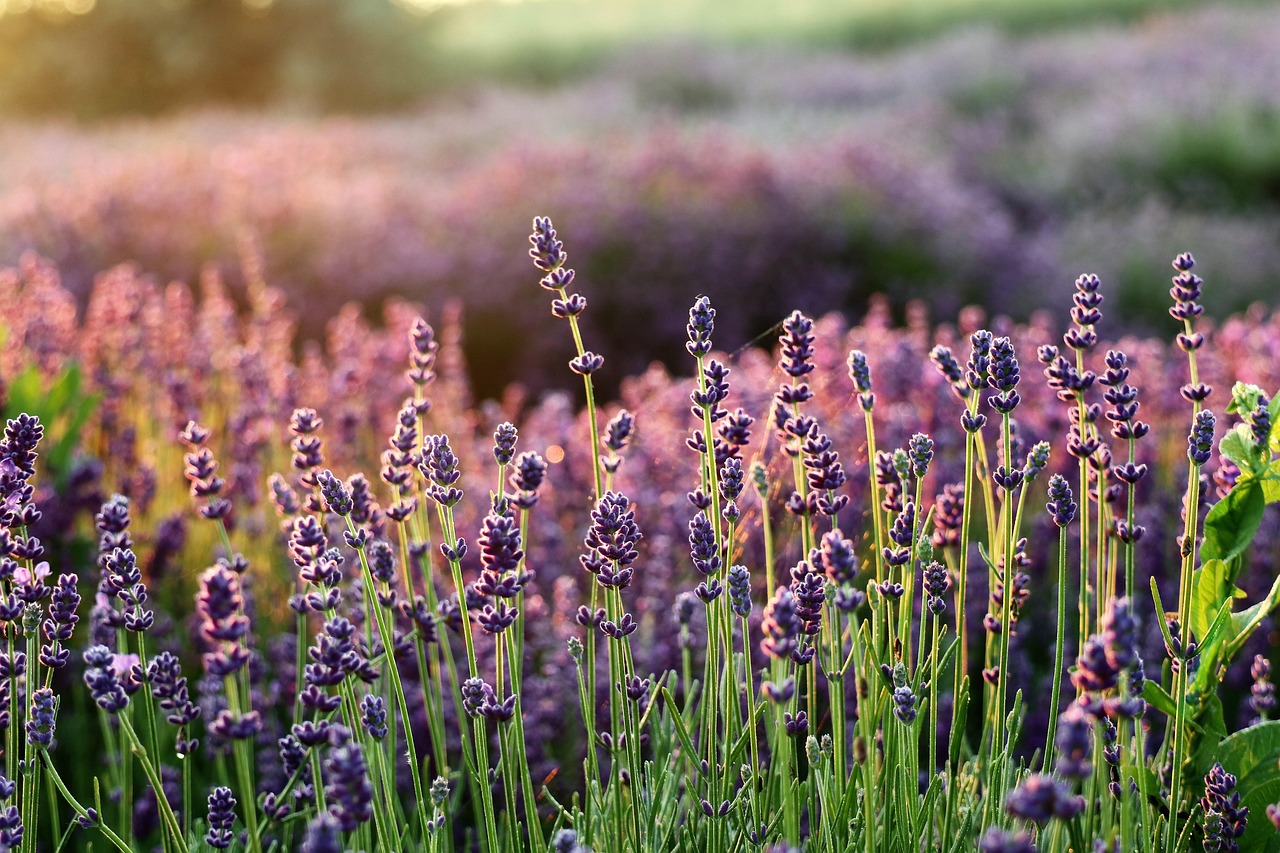
DIY Lavender Linen Spray: A 5-Minute Recipe for Fresher Bedding
There is something quietly satisfying about pulling back the covers at night and catching a soft, clean scent rising from your pillow. A homemade lavender linen spray makes that moment effortless. With three simple ingredients and about five minutes of your time, you can mist your sheets, pillowcases, and duvet with the gentle fragrance of true Lavandula angustifolia. No synthetic perfumes, no mystery ingredients, no fuss.
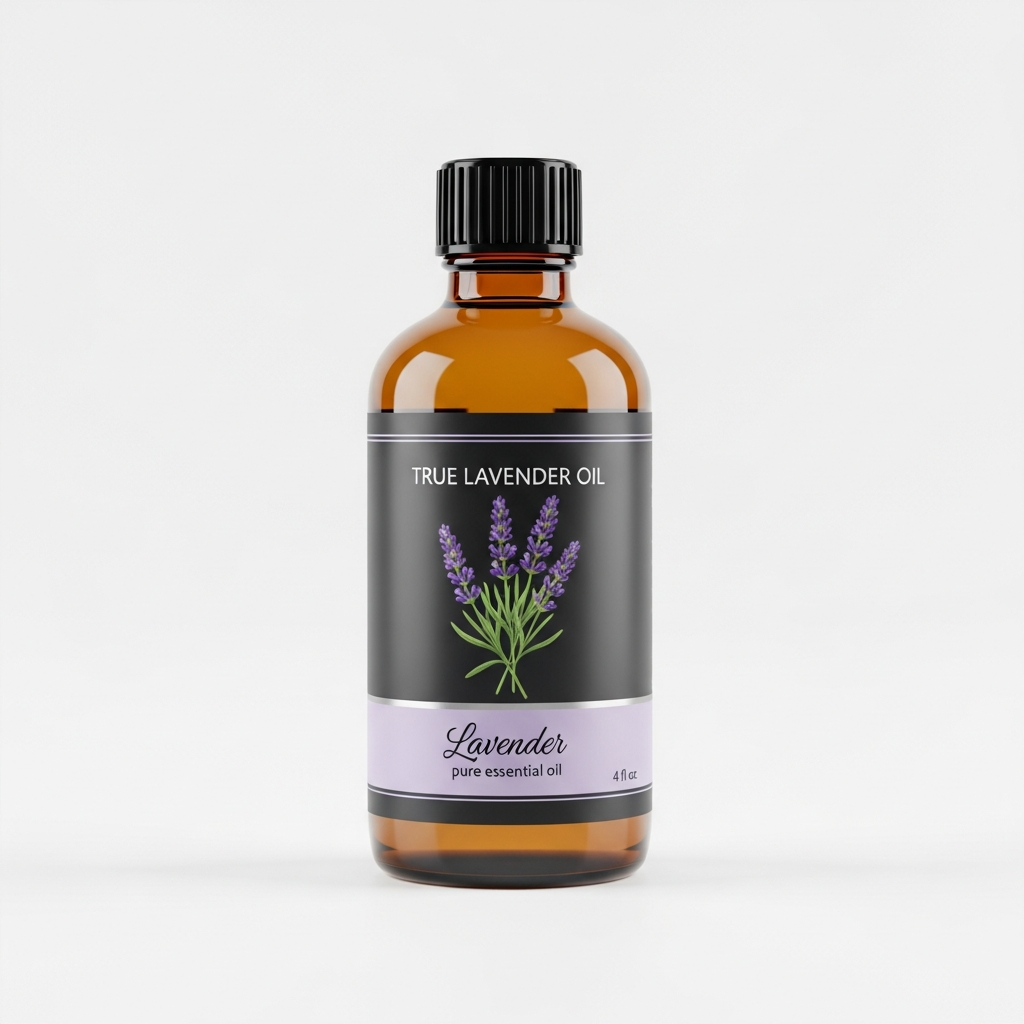
Lavender Essential Oil
Our own Lavender Essential Oil, in sizes from 0.5 oz to bulk.
From $10.99
Shop Now →This lavender linen spray recipe is one of the most beginner-friendly DIY projects in the world of essential oils. If you have a spray bottle, you are most of the way there. Read on for the full recipe, step-by-step instructions, safety guidance, and a handful of variations worth trying.
What You Will Need at a Glance
- Difficulty: Very easy
- Prep time: 5 minutes
- Yield: 4 oz (120 ml) of finished spray
- Shelf life: 4 to 6 weeks (up to 3 months with proper storage; see below)
Why True Lavandula angustifolia Matters Here
Not all lavender oils are the same. The market is crowded with lavandin (Lavandula x intermedia), synthetic lavender fragrance oils, and blends that use the name loosely. For a linen spray you will be breathing in close to your face each night, quality really does count.
True lavender (Lavandula angustifolia) is prized for its delicate, nuanced scent. It is softer and less camphor-forward than lavandin. When you shop for your oil, look for the full botanical name on the label, a listed country of origin (France, Bulgaria, and England are well-regarded sources), and ideally a batch-specific GC/MS report from the supplier. If a bottle just says "lavender oil" with no further detail, dig a little deeper before buying.
For a deeper look at sourcing and scent profiles, our guide on lavender oil vs. chamomile oil covers what to look for when comparing calming evening oils side by side.
Ingredients
| Ingredient | Amount | Purpose |
|---|---|---|
| Distilled water | 3.5 oz (105 ml) | Base carrier; keeps the formula light and non-sticky |
| High-proof alcohol (190-proof grain alcohol or vodka) | 0.5 oz (15 ml) | Disperses the essential oil and extends shelf life |
| True lavender essential oil (Lavandula angustifolia) | 20 to 24 drops (approx. 1 ml) | Fragrance; roughly 0.8% dilution |
A note on dilution: This recipe produces a dilution of approximately 0.8%, which sits well below the 1% ceiling commonly recommended for formulas applied to areas near the face. The alcohol also helps emulsify the oil so it disperses evenly rather than floating in droplets on your fabric.
Equipment
- One 4-oz (120 ml) fine-mist spray bottle, preferably dark glass (amber or cobalt) or BPA-free PET plastic rated for essential oils
- A small measuring jug or graduated cylinder
- A funnel (optional, but helpful)
- A label and marker
Step-by-Step Instructions
- Start with the alcohol. Pour your 0.5 oz of high-proof alcohol into the spray bottle first. Alcohol and essential oil mix readily, so adding the oil directly to alcohol before the water helps prevent the oil from clumping.
- Add the lavender essential oil. Drop in 20 to 24 drops of your true Lavandula angustifolia oil. Swirl gently for about 10 seconds. You should see the oil blend smoothly into the alcohol.
- Add the distilled water. Pour in your 3.5 oz of distilled water slowly. Distilled water is important here. Tap water contains minerals and chlorine that can affect scent and shorten shelf life.
- Secure the cap and shake. Put the spray top on, cap it tightly, and shake for 20 to 30 seconds.
- Label your bottle. Write the contents, the date you made it, and the dilution percentage. This is a small step that pays off later.
- Do a quick spritz test. Hold the bottle about 12 inches away from a small corner of fabric and give it one or two pumps. The mist should be fine and even, not droplet-heavy. Let it dry for two minutes and check that no staining or residue remains.
How to Use Your Lavender Linen Spray
Hold the bottle 8 to 12 inches from your bedding and apply a light, even mist. Two or three sprays per pillowcase is usually plenty. Mist from a distance rather than up close: you want a delicate veil of scent, not damp fabric. Allow your bedding to dry for a few minutes before you lie down.
You can also spritz curtains, bath towels, or a lightly shaken duvet. Some people like to mist the inside of a linen closet to keep stored sheets smelling fresh.
For more ideas on weaving lavender into a calming evening routine, see our full guide on lavender oil for sleep and relaxation.
Safety Information
Please read before using. Even a diluted product can cause a reaction in some individuals. Following these guidelines keeps the experience pleasant and safe.
Patch Testing
If you or anyone in your household has sensitive skin, do a patch test before broad use. Spray a small amount on the inside corner of a pillowcase, allow it to dry fully, and place it against the inside of your arm for a few minutes. Wait 24 hours and check for any redness or irritation. If a reaction occurs, discontinue use.
Dilution Ratios
This recipe is formulated at approximately 0.8% dilution. Do not increase the essential oil quantity beyond 24 drops in a 4-oz bottle without reassessing the dilution. Higher concentrations are not necessary for a pleasant scent on linens and increase the risk of skin sensitization if the misted fabric contacts skin directly.
Children and Infants
Essential oils, even at low dilutions, are not recommended for use on bedding for infants or very young children. For children aged 2 to 10, consult a qualified healthcare provider before introducing any essential oil product into their sleep environment. Keep all bottles out of reach of children.
Pets
Cats are particularly sensitive to many essential oils. If you share your bed with a cat, use this spray very sparingly or consider skipping essential oils on pet-contact bedding entirely. Consult your veterinarian if you have questions about essential oil safety around animals.
Fabric Considerations
Always allow the spray to dry fully before contact with skin or before putting on bedding covers. Test on an inconspicuous area of delicate fabrics (silk, satin) before broader application. The alcohol content in this recipe is low, but it is still worth checking on precious textiles.
Flammability
High-proof alcohol is flammable. Store finished spray away from open flames and heat sources. Do not spray near candles.
Storage Instructions and Shelf Life
Store your homemade linen spray in a cool, dark location away from direct sunlight and heat. A nightstand drawer or a cabinet works well. Avoid storing it in a sunny windowsill or in a hot car.
- With vodka (80-proof): Use within 4 to 6 weeks for best scent quality.
- With 190-proof grain alcohol: The higher alcohol content extends shelf life closer to 3 months.
- In a dark glass bottle: UV protection from dark glass helps preserve the essential oil's aromatic compounds longer than clear plastic does.
If the scent fades noticeably, the formula smells off or musty, or you see any cloudiness that was not there before, it is time to make a fresh batch. Luckily, that only takes five minutes.
Variations and Substitutions
Swap the Carrier: Witch Hazel
If you prefer to avoid alcohol entirely, distilled witch hazel (the kind without added fragrance or isopropyl alcohol) makes a reasonable substitute for the 0.5 oz of grain alcohol. Note that witch hazel is typically 14% alcohol, so it is less effective as a preservative and emulsifier. Your spray will benefit from more vigorous shaking before each use and a shorter shelf life of about 4 weeks.
Add a Complementary Oil: Cedarwood
A drop or two of cedarwood (Cedrus atlantica) rounds out the lavender with a soft, woody depth. Keep your total essential oil count at or below 24 drops to maintain a safe dilution. This combination is a popular choice for a grounding, earthy evening atmosphere.
Add a Complementary Oil: Roman Chamomile
Roman chamomile (Chamaemelum nobile) pairs beautifully with true lavender. Its apple-like, slightly sweet character softens the floral quality of the lavender. Use 16 drops of lavender and 4 to 6 drops of Roman chamomile to stay within a safe total dilution. Curious about how these two oils compare on their own? Our article on lavender oil vs. chamomile oil goes into more detail.
Upscale Version: Hydrosol Base
Replace the distilled water with true lavender hydrosol (also called lavender floral water) for a more complex, softer scent. Because lavender hydrosol already contains the water-soluble aromatic molecules from the distillation process, you can reduce your essential oil drops to 10 to 12 and still get a lovely fragrance. This variation feels particularly gentle.
Linen Closet Sachets Bonus
If you enjoy the idea of a scented linen closet but prefer not to spray directly on fabric, you can apply a few drops of lavender oil to unbleached cotton sachets or wooden beads and tuck them between folded sheets. No spraying required.
More Lavender DIY Projects to Explore
Once you have made this lavender linen spray recipe, you may find yourself reaching for that bottle of true lavender oil more often. Our DIY lavender bath salts guide walks through three simple blends that make a lovely pre-bedtime bathing ritual. And if you want a more concentrated version of this spray specifically designed for direct pillow application, our DIY lavender pillow mist recipe covers a slightly richer formula with options for adding a gentle fixative.
Quick Reference: Recipe Summary
| Step | Action |
|---|---|
| 1 | Add 0.5 oz alcohol to bottle |
| 2 | Add 20 to 24 drops lavender essential oil; swirl |
| 3 | Add 3.5 oz distilled water |
| 4 | Shake for 20 to 30 seconds |
| 5 | Label with contents and date |
| 6 | Test on a small fabric area before full use |
Making your own diy lavender pillow spray is one of those small rituals that costs very little and pays off quietly, night after night. A cool, dark shelf, a quality bottle of true Lavandula angustifolia, and five minutes of effort: that is genuinely all it takes to bring the scent of a lavender field into your bedroom.