Lavender Oil vs Chamomile Oil: Comparing Two Classic Evening Aromas
When the day winds down and you reach for the diffuser, two oils come up again and again in conversation: lavender and chamomile. Both have long, storied histories as evening companions. Both carry a reputation for softness and calm. And both have earned a devoted following among people who take their bedtime rituals seriously.
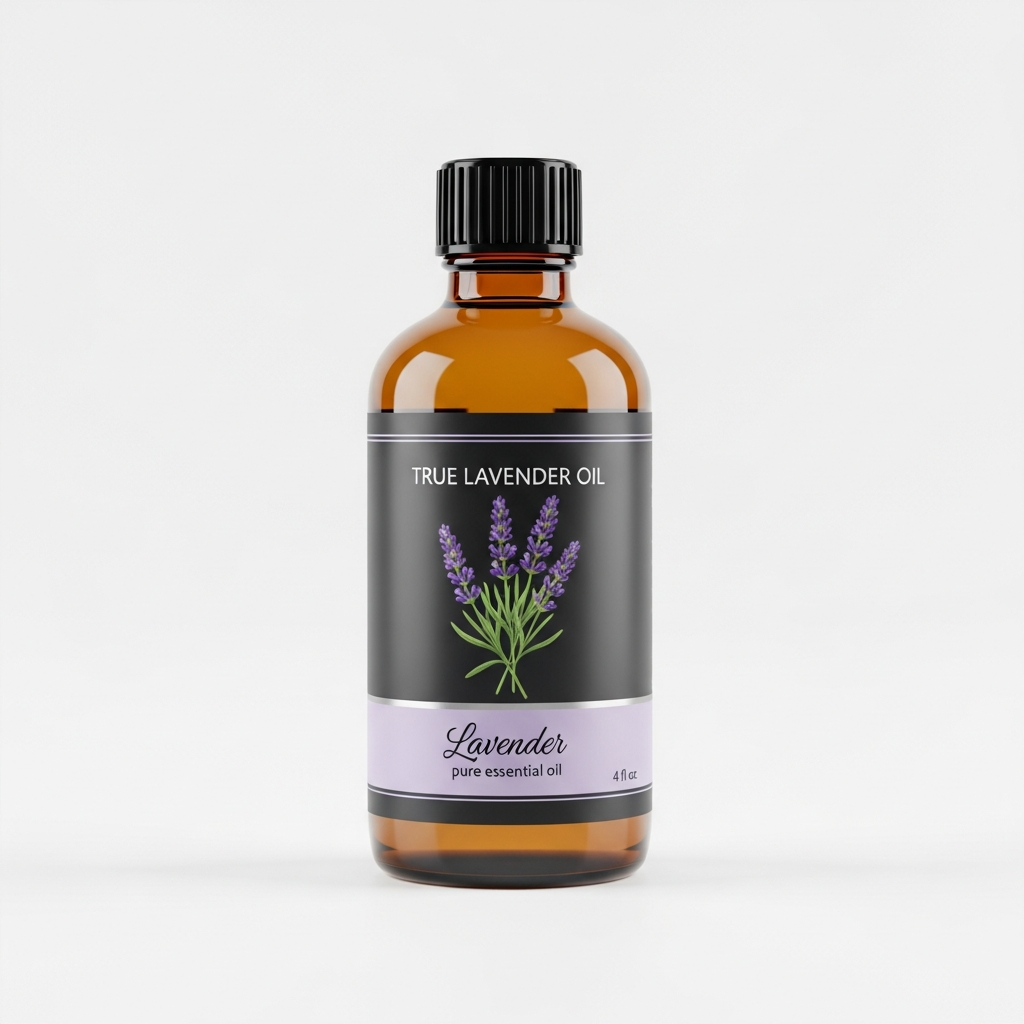
Lavender Essential Oil
Our own Lavender Essential Oil, in sizes from 0.5 oz to bulk.
From $10.99
Shop Now →So which one belongs in your diffuser tonight? The honest answer is that it depends entirely on what you want from your evening atmosphere. This guide breaks down each oil side by side, with real details about scent, sourcing, blending behavior, and practical use cases, so you can make a genuinely informed choice.
First, a Quick Introduction to Each Oil
True Lavender Oil (Lavandula angustifolia)
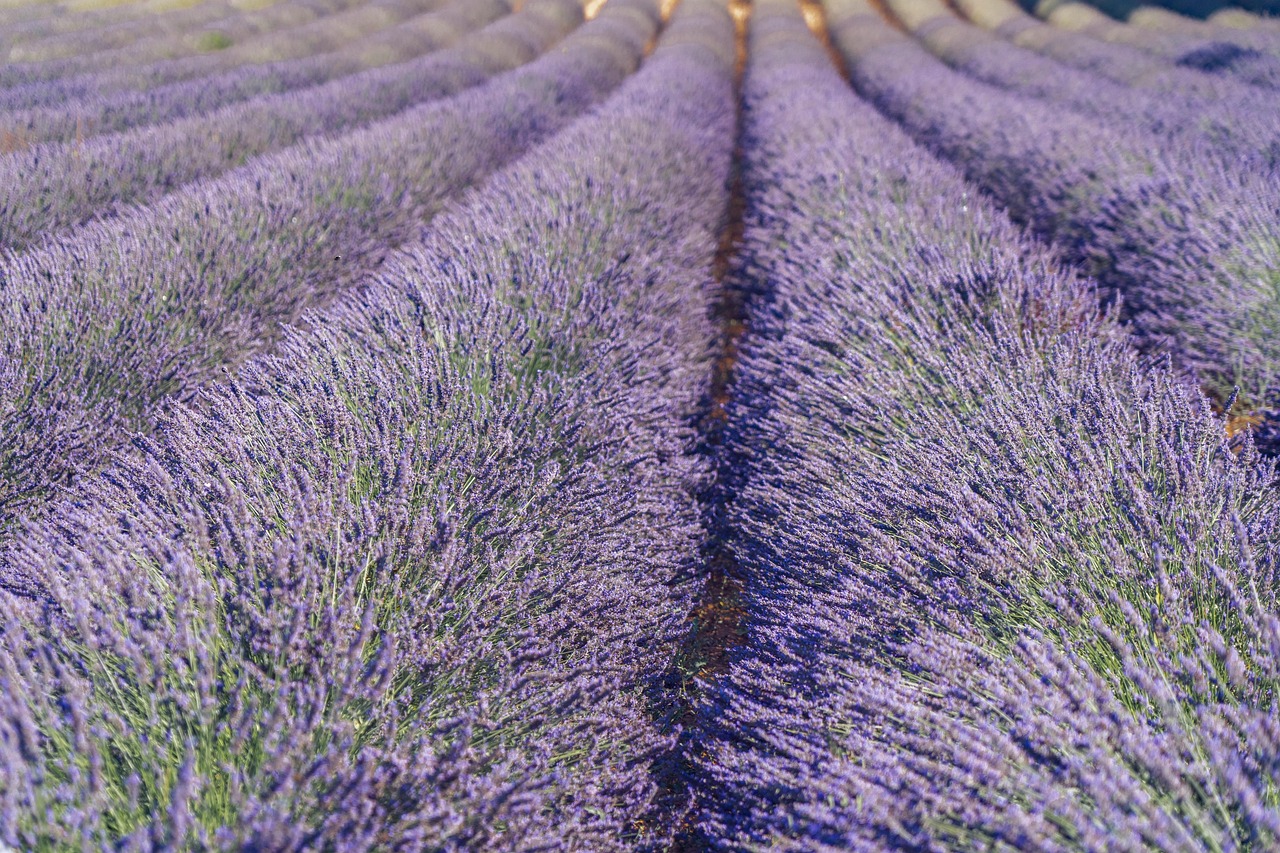
True lavender oil is steam-distilled from the flowering tops of Lavandula angustifolia, grown at higher altitudes in regions like Provence, Bulgaria, and Tasmania. The altitude matters. Plants that grow slowly in cooler mountain air tend to produce oil with a higher proportion of linalool and linalyl acetate, the two compounds most associated with lavender's gentle, floral character.
The scent is complex but approachable: floral, slightly herbaceous, with soft woody undertones. It is one of the most versatile evening diffuser oils you can own, blending easily with nearly anything in your collection. For a deeper look at how it fits into a nightly wind-down, the complete bedtime guide to lavender oil is worth bookmarking.
Chamomile Oil: Roman vs German
Chamomile is not a single oil. The two varieties you will encounter most often are Roman chamomile (Chamaemelum nobile) and German chamomile (Matricaria chamomilla). Their scent profiles are quite different, and so are their applications.
Roman chamomile is the one most people picture for evening use. Its aroma is sweet, apple-like, and distinctly floral, with a warmth that feels almost like fresh hay in late summer. German chamomile, by contrast, has a deep, earthy, almost medicinal-smelling blue tone. That blue color comes from chamazulene, a compound that forms during steam distillation. German chamomile is less commonly used in diffuser blends for atmosphere alone.
For evening and bedtime atmosphere purposes, this comparison focuses primarily on Roman chamomile, since that is the variety most often compared to lavender in the context of calming essential oils for the home.
Side-by-Side Comparison Table
| Attribute | True Lavender (Lavandula angustifolia) | Roman Chamomile (Chamaemelum nobile) |
|---|---|---|
| Scent profile | Floral, herbaceous, lightly woody | Sweet, apple-like, warm and hay-like |
| Scent strength | Moderate to strong | Gentle to moderate |
| Key constituents | Linalool, linalyl acetate | Isobutyl angelate, isoamyl angelate (esters) |
| Color | Pale yellow to colorless | Pale blue to pale yellow |
| Typical origin | France, Bulgaria, Tasmania | England, France, Hungary, USA |
| Price range | Moderate | Higher (more expensive per ml) |
| Availability | Widely available | Less common, harder to source |
| Blending ease | Excellent, blends with almost anything | Good, but sweet profile can dominate |
| Topical use (diluted) | Well-documented in DIY skincare | Popular in sensitive-skin formulations |
| Best season feel | Spring through summer | Late summer, autumn |
Scent: What You Actually Experience
This is where most people make their choice, and rightly so.
Lavender has a more complex, layered scent. It opens with a bright floral note, settles into something greener and more herbaceous, and finishes with a woody base. High-altitude Lavandula angustifolia has a particular elegance that lower-altitude or lavandin hybrids simply cannot replicate. If you have only ever smelled lavender from a grocery-store product, high-quality true lavender oil may genuinely surprise you.
Roman chamomile is softer and more one-directional. Its sweetness is its defining quality. Think of a warm apple orchard on a dry afternoon. It is approachable, uncomplicated, and immediately comforting to many people. Some find it almost edible-smelling, which is either delightful or slightly odd depending on your preference.
The practical difference in the diffuser: lavender fills a room with more presence. Chamomile is more intimate, more like a whisper than a statement. For a large living room, lavender tends to carry better. For a small bedroom, chamomile can feel perfectly pitched.
Sourcing and Quality Considerations
Quality varies enormously in both categories, and this is worth understanding before you buy.
With lavender, the key questions are: Is it Lavandula angustifolia specifically, or is it lavandin (Lavandula x intermedia)? Lavandin is a hybrid grown at lower altitudes. It is cheaper to produce and has a sharper, more camphor-heavy scent. It is not the same oil, and many sellers blur the line on labeling. Look for full botanical names, altitude or provenance notes, and batch-level GC/MS reports from reputable suppliers.
With Roman chamomile, the concerns are similar. Because it is more expensive, adulteration with cheaper materials is a known issue. Some suppliers blend it with other chamomile varieties or extend it with carrier oils. Buying from a supplier who provides third-party testing documentation is especially important here.
In terms of sheer accessibility and value, true lavender wins. You can source high-quality Lavandula angustifolia at a reasonable price point from established farms and distillers. Roman chamomile often costs two to three times as much per milliliter, which affects how freely you use it in everyday blending.
Pros and Cons
True Lavender Oil
- Pro: Universally versatile. Works in diffuser blends, linen sprays, bath rituals, and diluted topical use.
- Pro: More affordable, making it practical for daily use.
- Pro: Widely researched. More published studies exist on Lavandula angustifolia than on most other essential oils.
- Pro: Easier to find in verified, high-quality form.
- Con: The market is crowded with mislabeled or adulterated products. Due diligence is essential.
- Con: Its familiarity can make it feel less special as a standalone experience.
- Con: Scent may be too herbaceous for people who prefer purely sweet or floral aromas.
Roman Chamomile Oil
- Pro: Exceptionally gentle, sweet scent that many people find immediately comforting.
- Pro: A more unusual choice. Using it in a diffuser blend often draws curious and positive comments.
- Pro: Works beautifully in intimate, small-space diffusing for evening rituals.
- Con: Significantly more expensive, which limits how freely you can use it.
- Con: Its sweetness can feel cloying in high concentrations or in blends without a grounding note.
- Con: Harder to source in verified quality. Fewer suppliers offer third-party tested Roman chamomile.
- Con: Less research literature compared to lavender.
Best For: Use-Case Recommendations
Best for everyday evening diffusing
Lavender. Its cost-effectiveness and versatility make it the practical choice for nightly use. You can run it in the diffuser for an hour before bed without feeling like you are burning through something precious.
Best for a special, slow-down Saturday evening
Roman chamomile. Because it costs more and has that distinctly sweet, unusual quality, it works beautifully as an occasional ritual oil. A few drops on a weekend evening can feel genuinely different from your usual routine.
Best for blending with other oils
Lavender. Its compatibility is almost legendary. It pairs naturally with cedarwood, bergamot, frankincense, clary sage, sandalwood, and more. For seven tested combinations, the cozy lavender diffuser blends for fall evenings guide has specific drop counts and notes.
Best for a DIY pillow or linen spray
Lavender. Its scent carries well through a water and alcohol base, and it is the classic choice for this application. For a straightforward formulation, the DIY lavender pillow mist guide walks through the full process with proper dilution ratios.
Best for a structured evening wind-down ritual
Lavender. Its versatility means it can move through multiple stages of your evening: diffuser while reading, diluted on pulse points before bed, linen spray on pillows. A full step-by-step framework is laid out in the evening wind-down ritual with lavender oil.
Best for sensitive skin formulations (diluted topical use)
Roman chamomile, though always properly diluted in a carrier oil and patch tested first. Its long folk-use history for sensitive skin types makes it a popular choice in DIY body care. That said, lavender is no slouch here either. Both warrant patch testing before any topical application.
Blending the Two Together
Here is something worth knowing: lavender and Roman chamomile are genuinely excellent together. The floral-herbaceous quality of lavender provides structure and a bit of green brightness, while chamomile adds sweetness and warmth underneath. A simple starting point for a 100ml diffuser would be three drops of true lavender and one drop of Roman chamomile. Adjust from there based on your preference. The chamomile can assert itself quickly, so start with less and add more only if the blend feels like it needs more sweetness.
Adding a drop of cedarwood or sandalwood to this pairing gives it a grounded base note that many people find particularly well-suited to the final hour before bed.
Safety Notes for Both Oils
A few practical points that apply regardless of which oil you choose:
- Both oils should be diluted before any skin contact. A typical dilution for adults is 1 to 2 percent in a carrier oil (roughly 1 to 2 drops per teaspoon of carrier). For children, the elderly, or those with sensitive skin, dilute further and consult a qualified healthcare provider before use.
- Patch test any new dilution on a small area of skin and wait 24 hours before broader use.
- Keep all essential oils out of reach of children and pets. Some oils pose risks to companion animals, and diffusing in well-ventilated areas is advisable when pets are present.
- If you are pregnant or nursing, speak with your healthcare provider before using essential oils.
- Neither oil replaces professional medical guidance. If you have a specific health concern, please consult a qualified healthcare provider.
The Verdict
For most people building a practical, enjoyable evening essential oil collection, true lavender oil is the stronger starting point. It is more affordable, more versatile, easier to source with confidence, and backed by a broader body of published research. It is the oil that earns its place in your diffuser, your linen spray, and your nightly ritual with room to spare.
Roman chamomile is not a replacement for lavender. It is a complement, an addition for when you want something softer and sweeter, or when you are blending and want to add a honeyed note underneath lavender's floral lift. If your budget allows for both, keep chamomile as your slow-evening luxury and lavender as your everyday anchor.
If you are just beginning to explore lavender vs chamomile oil as calming essential oils for the evening, start with a small bottle of high-quality Lavandula angustifolia from a verified source. Get to know it well. Then, when you are ready to expand, Roman chamomile will feel like a natural and rewarding next step.