Lavender Roll-On Recipe: A Pocket-Sized Calming Blend for Busy Days
Some days just call for something you can carry in your pocket. A lavender roll-on is exactly that: a small, portable ritual that takes less than ten minutes to make and can follow you from the morning commute to the afternoon slump. This DIY essential oil roller is one of the most beginner-friendly projects in natural living, and the result is genuinely lovely to use.
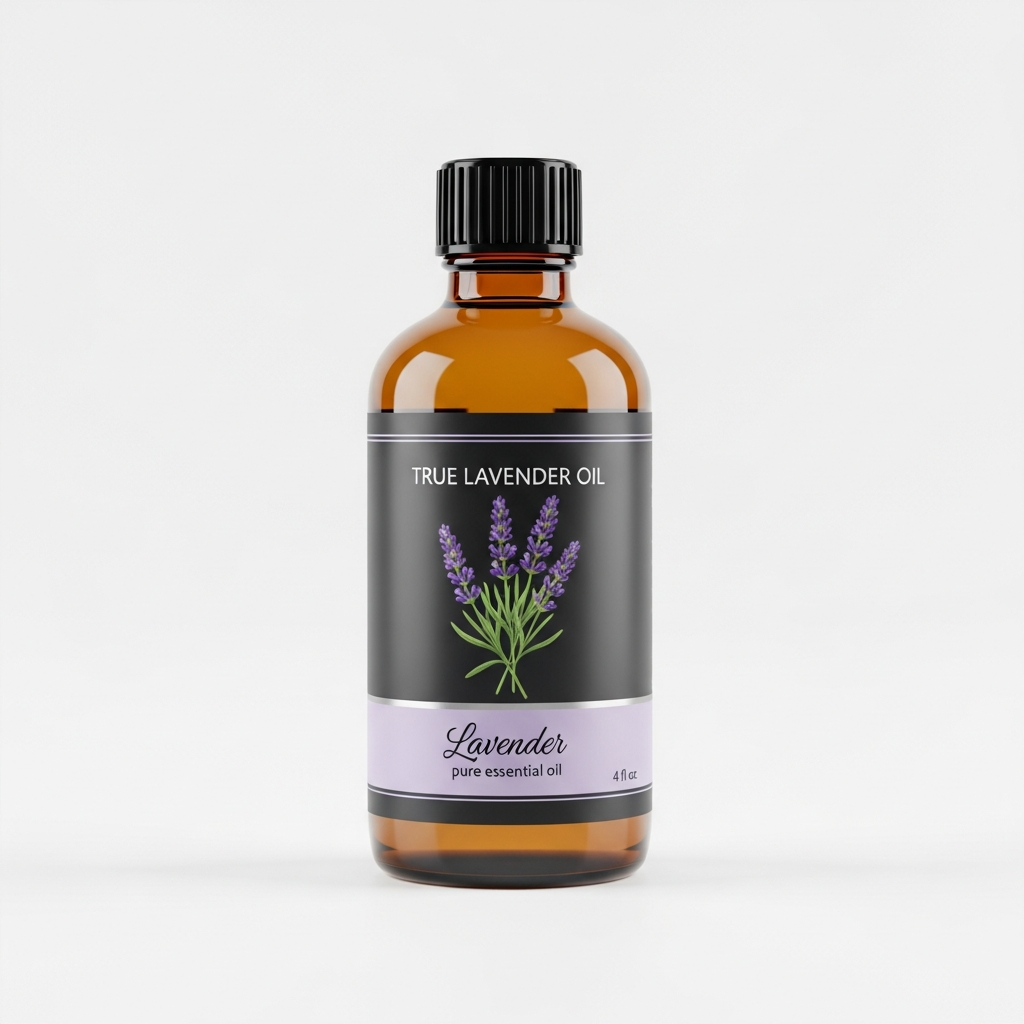
Lavender Essential Oil
Our own Lavender Essential Oil, in sizes from 0.5 oz to bulk.
From $10.99
Shop Now →This recipe centers on true Lavandula angustifolia lavender essential oil, the real deal from high-altitude farms, with its soft floral character and clean, complex scent. Paired with a skin-nourishing carrier oil and a few optional companion botanicals, the finished blend is something you will actually reach for.
Before You Begin: A Quick Note on Quality
The single biggest factor in how your calming roller blend turns out is the quality of the lavender oil you choose. Lavender is one of the most adulterated essential oils on the market. Many bottles labeled simply "lavender" contain lavandin (a hybrid species), synthetic linalool, or carrier oil fillers. Look for a bottle that specifies Lavandula angustifolia, names the farm or region of origin, and comes with a GC/MS (gas chromatography/mass spectrometry) report confirming its composition.
True Lavandula angustifolia has a noticeably different scent profile from lavandin: softer, rounder, and less camphor-forward. Once you have smelled the genuine article, the difference is unmistakable.
Recipe Overview
- Difficulty level: Beginner
- Prep time: 5 to 10 minutes
- Yield: One 10 ml roll-on bottle
- Shelf life: 6 to 12 months (see storage notes below)
Ingredients
Essential Oils
| Oil | Drops | Role in Blend |
|---|---|---|
| Lavandula angustifolia (true lavender) | 8 drops | Heart note, primary scent |
| Roman chamomile (optional) | 2 drops | Soft, apple-like warmth |
| Bergamot (FCF, furocoumarin-free, optional) | 2 drops | Citrusy lift, rounds the blend |
For a pure, single-note version, simply use 10 to 12 drops of lavender and skip the companion oils entirely. The blend is beautiful on its own.
Carrier Oil
Fill the remainder of your 10 ml roller bottle with your chosen carrier oil after adding the essential oils. Good options include:
- Fractionated coconut oil: Lightweight, nearly odorless, long shelf life. An excellent all-around choice.
- Jojoba oil (technically a liquid wax): Closely mimics the skin's natural sebum, absorbs beautifully, and has a notably long shelf life of two or more years.
- Sweet almond oil: Softening and slightly nourishing, with a faint nutty scent. Avoid this one if you have a tree nut sensitivity.
- Rosehip seed oil: Richer and more nourishing, but has a shorter shelf life and a more noticeable scent. Best for a facial roller rather than a pulse-point blend.
Equipment You Will Need
- One 10 ml glass roller bottle with stainless steel or glass roller ball (avoid plain plastic, which can degrade with certain essential oils)
- A small funnel or pipette (optional but helpful)
- A label and permanent marker or a printed label
- A clean, dry work surface
Step-by-Step Instructions
- Remove the roller ball. Most roller bottles come with the ball loosely fitted. Use the back of a spoon or your fingernail to gently pop it off, or simply leave it in place and use a pipette to add ingredients through the opening. Either approach works.
- Add your essential oils first. Drop the lavender oil in first, then the optional companion oils if you are using them. Adding the essential oils before the carrier oil helps them blend more evenly as the carrier fills in around them.
- Fill with carrier oil. Pour your chosen carrier slowly into the bottle, leaving about 2 to 3 mm of space at the top. This prevents overflow when you press the roller ball back in.
- Replace the roller ball and cap. Press the roller ball firmly back into place. You should hear or feel a soft click as it seats. Screw on the cap.
- Roll gently between your palms. Do not shake the bottle vigorously. A slow, gentle roll between your palms for about 30 seconds is enough to combine the oils without introducing air bubbles.
- Label your bottle. Write the blend name and the date you made it. This step is easy to skip and nearly always regretted later.
- Perform a patch test before regular use. See the safety section below.
How to Use Your Lavender Roll-On
Apply to pulse points where body heat gently warms the oil and allows the scent to diffuse naturally. Common spots include the inner wrists, the sides of the neck, the temples (applied carefully, away from eyes), and the inside of the elbows. Some people enjoy rolling a small amount onto the back of the neck or behind the ears.
For a quiet wind-down moment at the end of the day, apply to your wrists and take a few slow, intentional breaths. If you are building a fuller bedtime routine, this roller pairs nicely with the ideas in our guide to lavender oil for sleep and relaxation or with a diffuser running one of the calming bedtime diffuser blends we love.
Safety Warnings and Contraindications
Please read this section carefully before use. Essential oils are potent botanical concentrates. Proper dilution and informed use matter for everyone.
Dilution Ratio
This recipe is formulated at approximately a 2% dilution, which is the standard recommended concentration for adults using a leave-on product applied to the skin. A 10 ml roller bottle holds roughly 200 drops of liquid. Ten to twelve drops of essential oil in that volume sits right at 2%.
Do not increase the drop count thinking a stronger blend will perform better. Higher concentrations increase the likelihood of skin sensitivity and do not improve the scent experience in a meaningful way.
Patch Test Instructions
Before applying your roll-on to pulse points, do a patch test. Apply a small amount of the blend to the inner forearm. Leave it unwashed for 24 hours. If you notice redness, itching, or any skin response, discontinue use and wash the area with mild soap and water.
Who Should Use Extra Caution (or Skip This Recipe)
- Pregnant or nursing individuals: Consult a qualified healthcare provider before using essential oils on the skin during pregnancy or while breastfeeding.
- Children under 10: This dilution and these specific oils are formulated for adults. For children, use significantly lower dilutions and consult a qualified aromatherapy professional or pediatric healthcare provider first.
- People with known sensitivities to botanicals in the Lamiaceae family: True lavender belongs to this plant family. If you have known reactions to related plants, proceed carefully and patch test thoroughly.
- If you are using the bergamot variation: Use only FCF (furocoumarin-free) bergamot for a skin-applied product. Standard bergamot contains compounds that can cause photosensitivity. Even with FCF bergamot, avoid sun exposure on application areas for at least 12 hours.
- Sweet almond oil users: Skip this carrier if you have any tree nut sensitivity.
Essential oils are not a substitute for professional medical care. If you have questions about whether this product is appropriate for your situation, please consult a qualified healthcare provider.
Storage Instructions and Shelf Life
Store your finished roller in a cool, dark place away from direct sunlight and heat. A bathroom cabinet works reasonably well, though a bedroom nightstand drawer or a small cosmetics pouch is even better since bathrooms can experience humidity and temperature fluctuations.
The carrier oil you choose largely determines shelf life:
- Fractionated coconut oil and jojoba oil: up to 12 months or longer
- Sweet almond oil: 6 to 9 months
- Rosehip seed oil: 3 to 6 months, best kept refrigerated
If the oil smells sharp, sour, or flat, it has likely oxidized. Oxidized oils should not be used on skin. Make a fresh batch and enjoy the process.
Variations and Substitutions
The Single-Note Pure Lavender Roller
Use 10 to 12 drops of true lavender only, topped with fractionated coconut oil. This is the most approachable version and a great starting point for anyone new to the DIY essential oil roller world.
The Grounding Blend
Replace the Roman chamomile with 2 drops of cedarwood (Cedrus atlantica or Juniperus virginiana). Cedarwood contributes a warm, woody base note that grounds the lavender nicely and makes the scent linger a little longer on the skin.
The Floral-Citrus Lift
Use 8 drops lavender, 2 drops FCF bergamot, and 1 drop ylang ylang. Ylang ylang is potent; one drop is genuinely enough. This version has a fuller, more complex scent that some people find especially enjoyable midday.
The Facial Roller Variation
For a pulse-point roller you plan to use near your face or on your décolletage, reduce the total essential oil count to 6 drops (keeping the same ratios) and use jojoba as your carrier. Facial skin is more sensitive, and a slightly lower dilution is sensible.
Carrier Oil Substitutions
If fractionated coconut oil and jojoba are not available to you, grapeseed oil is a widely accessible, budget-friendly option. It is lightweight, nearly odorless, and absorbs well, though its shelf life is shorter (roughly 6 months). Sunflower oil is another accessible choice with a similar profile.
Make It Part of a Broader Ritual
A pocket-sized roller is just one way to weave lavender into daily life. If you find yourself enjoying the simple act of making your own products, you might also enjoy our five-minute lavender linen spray recipe for freshening pillowcases and sheets. And for a slower, more indulgent weekend project, the DIY lavender bath salts guide offers three different formulas worth exploring.
There is something quietly satisfying about making your own lavender roll-on. The ingredients are few, the process is short, and the finished bottle fits in a jacket pocket or a desk drawer. Reach for it during a hectic afternoon or as part of a slow evening ritual. Either way, the scent of true Lavandula angustifolia has a way of making the moment feel a little more deliberate.