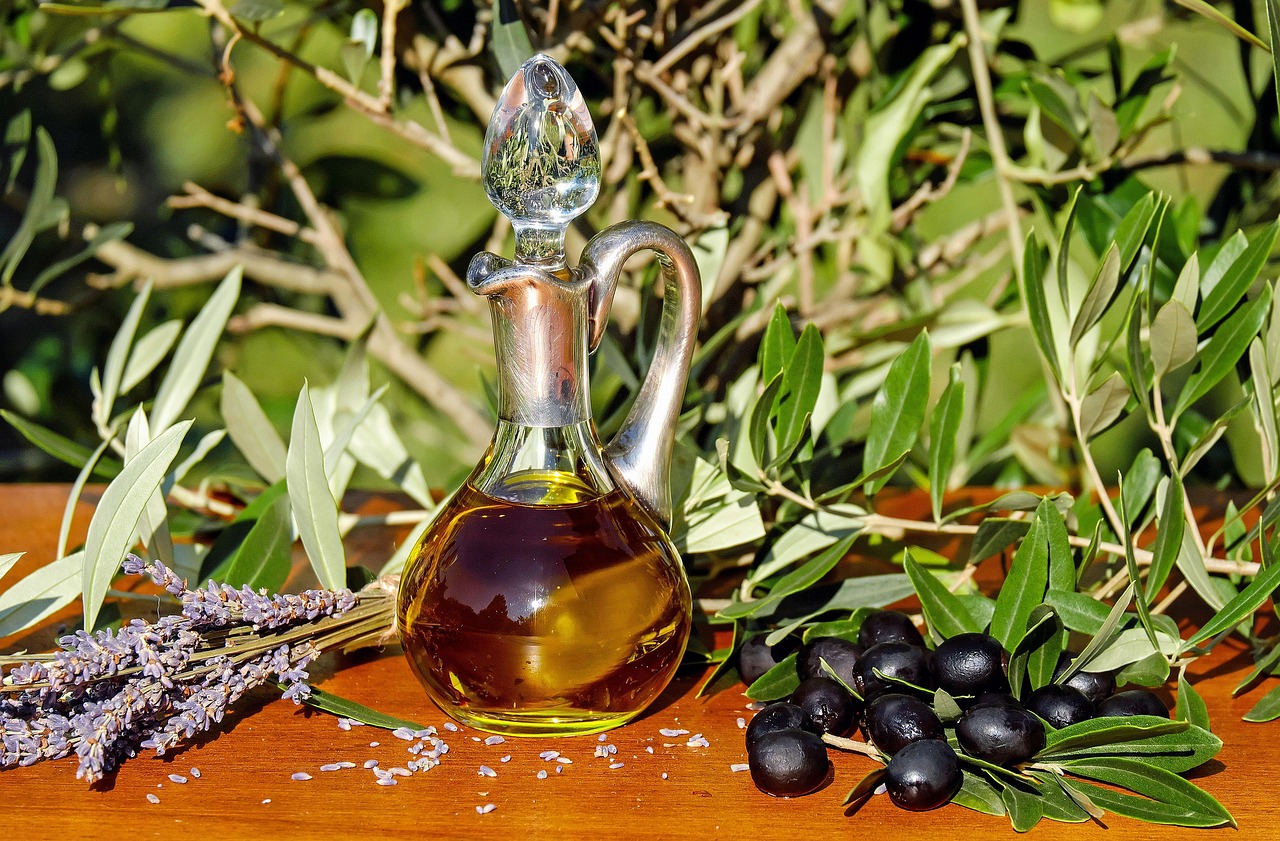
Can You Cook with Lavender? Culinary Buds vs. Essential Oil Explained
Lavender has appeared in kitchens for centuries. Herbes de Provence wouldn't be the same without it. Honey producers in Provence have long let their bees wander lavender fields, and the resulting honey is something worth tasting slowly. But lately, a more urgent question keeps surfacing: if lavender is good in food, can you just use lavender essential oil instead of the dried buds?
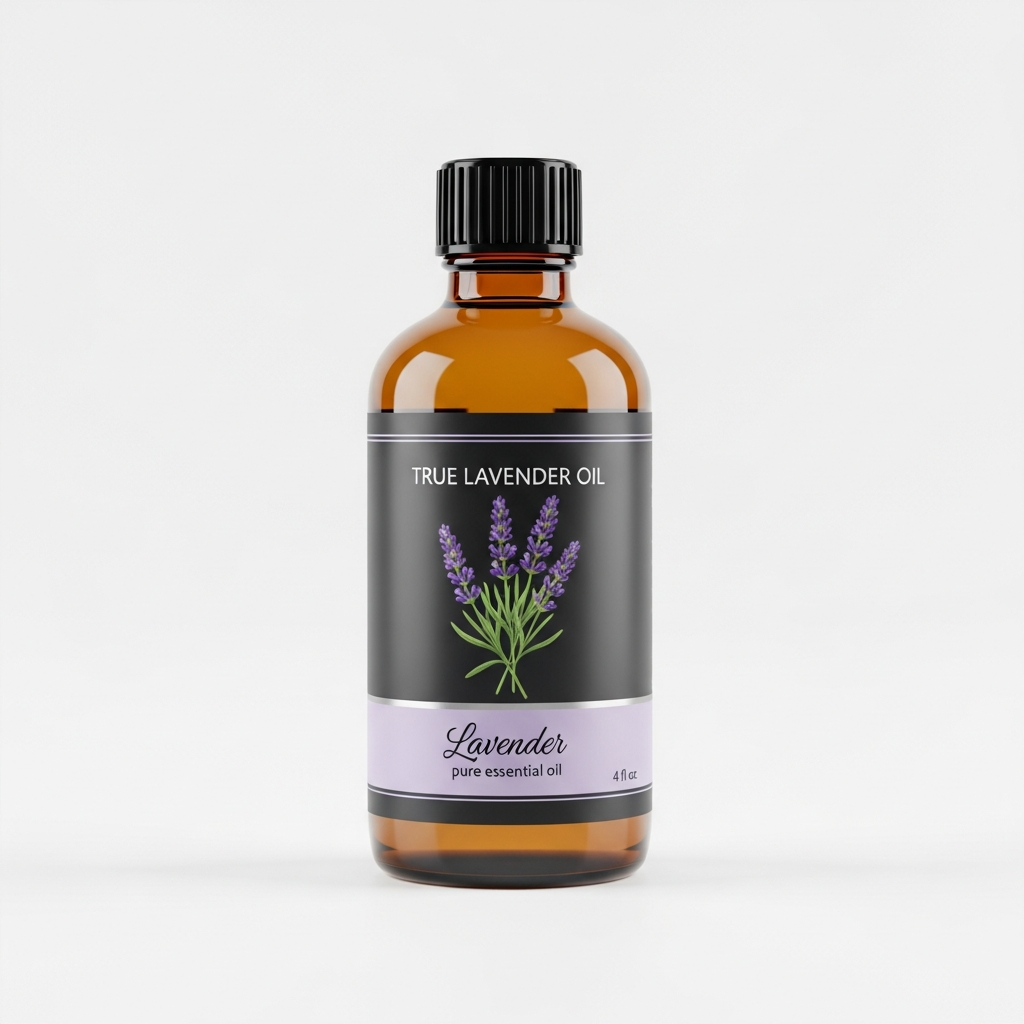
Lavender Essential Oil
Our own Lavender Essential Oil, in sizes from 0.5 oz to bulk.
From $10.99
Shop Now →The answer is more nuanced than a simple yes or no, and the chemistry behind it is genuinely fascinating. This deep dive covers the compounds at play, what research suggests about their behavior in food, and the safety distinctions that every lavender-curious cook should understand before reaching for either a jar of buds or a bottle of oil.
What "Culinary Lavender" Actually Means
Not all lavender is created equal in the kitchen. The term culinary lavender almost always refers to Lavandula angustifolia, sometimes called true lavender or English lavender. This species carries a softer, sweeter floral profile compared to lavandin (Lavandula x intermedia), which is a hybrid with a sharper, more camphor-forward scent that can taste medicinal or even soapy in food.
When you see lavender listed as a culinary ingredient in a serious recipe, the author almost certainly means dried L. angustifolia buds, not lavandin, not lavender-scented sugar (though that has its uses), and definitely not essential oil straight from the bottle. Understanding why requires a look at what these products actually contain.
For a broader introduction to lavender species and how they differ, the complete beginner's guide to lavender oil covers the botanical basics in detail.
The Chemistry of Lavender Flavor
The aroma and flavor of lavender come primarily from volatile organic compounds, and two dominate the profile of Lavandula angustifolia: linalool and linalyl acetate. A high-quality true lavender essential oil typically contains 25 to 38 percent linalyl acetate and 25 to 45 percent linalool, though these ranges shift with altitude, harvest timing, and distillation method.
Linalool is a naturally occurring terpene alcohol with a soft, floral-woody scent. Linalyl acetate is its ester form, and it carries a lighter, almost fruity note that rounds out the floral sharpness. Together they create the balanced, approachable scent profile that makes true lavender so appealing and, in the right amounts, so useful in food.
Beyond these two compounds, lavender contains a supporting cast worth knowing:
- Ocimene: a sweet, herbal terpene found in small percentages
- Terpinen-4-ol: earthy and slightly peppery
- Beta-ocimene and 1,8-cineole: cineole in particular increases in lavandin and contributes to that camphorous note that clashes with food
- Lavandulyl acetate: unique to true lavender, it adds depth and helps distinguish L. angustifolia from its hybrid relatives
For a detailed look at linalool and linalyl acetate as individual compounds, including the research surrounding their properties, see the full chemistry breakdown of lavender's key constituents.
Dried Buds vs. Essential Oil: A Concentration Problem
Here is where things get practically important. Dried lavender buds contain volatile compounds in a form that disperses gradually when exposed to heat, moisture, and time. A tablespoon of dried buds in a cream infusion releases flavor slowly and gently, and you can taste as you go. The concentration is manageable.
Lavender essential oil is a different situation entirely. A single drop of true lavender essential oil is the concentrated extract of roughly one pound of plant material, sometimes more depending on yield. The volatile compounds are present at levels far beyond what you would encounter in culinary buds. Even a fraction of a drop in a recipe can push a dish from "gently floral" to "overwhelmingly perfumed" in a way that is difficult to correct.
One useful way to think about it: dried culinary lavender buds are to lavender essential oil roughly what a slice of lemon is to straight lemon essential oil. You wouldn't add lemon essential oil to a recipe the same way you would add lemon zest. The same logic applies here.
What Research Suggests About Linalool in Food
Linalool is not unique to lavender. It occurs naturally in over 200 plant species, including coriander, basil, bergamot, and many citrus fruits. This broad natural presence means humans consume linalool regularly through ordinary food and have done so across cultures for a very long time.
Research published in food science literature suggests that linalool's sensory threshold in water sits at roughly 0.006 to 0.008 parts per million, meaning it is detectable at very low concentrations. In practice, this reinforces why lavender as a culinary ingredient demands a light hand. The compound does its flavorwork at concentrations far below what might seem like a significant amount.
Some food chemistry research has observed that linalool and linalyl acetate behave differently under heat. Linalyl acetate is relatively volatile and can break down at higher temperatures, shifting the flavor profile. This is one reason that lavender works particularly well in low-heat applications like custards, syrups, honey infusions, and cold-steeped preparations where the more delicate ester compounds survive intact.
Research also suggests that the fatty content of a medium affects how lavender flavor compounds integrate. In cream-based applications, the fat captures and holds aromatic compounds more effectively than water-based liquids, which is why lavender cream, panna cotta, and shortbread tend to carry the flavor so well.
Safety Profile: Culinary Buds
Dried Lavandula angustifolia buds used in food quantities are generally regarded as safe for most adults. They have a long history of culinary use across Mediterranean and French cuisines. Organizations including the U.S. Food and Drug Administration classify lavender (Lavandula angustifolia) extract and its flower as Generally Recognized As Safe (GRAS) when used as a flavoring agent in food.
That said, a few considerations are worth noting:
- Quantity matters: Culinary use involves small amounts. Large quantities of any botanically concentrated ingredient can cause digestive discomfort in sensitive individuals.
- Allergies: Some people have sensitivities to plants in the Lamiaceae family, which includes lavender, mint, rosemary, and sage. Anyone with known sensitivities in this family should proceed with care.
- During pregnancy and while nursing: Consult a qualified healthcare provider before adding lavender or any botanical ingredient to your diet in amounts beyond typical culinary seasoning.
- Children: Use very small, culinary-appropriate amounts and consult a pediatric healthcare provider with any concerns.
Safety Profile: Essential Oil in Food
This is where significantly more caution is warranted. Most lavender essential oils sold in the wellness and aromatherapy market are not intended or tested for ingestion. Even oils that are pure, unadulterated Lavandula angustifolia are concentrated in ways that make casual culinary use genuinely risky.
A small number of lavender essential oils are produced and labeled specifically for food flavoring purposes, following food-grade processing and purity standards. If you are considering using essential oil in cooking, those are the only appropriate candidates, and even then the amounts involved are measured in single drops diluted across entire batches.
Key safety points for essential oil in food contexts:
- Standard aromatherapy-grade essential oils are not regulated or tested for ingestion safety and should not be used in food.
- Even food-grade lavender oil requires precise measurement. A food-grade dropper delivering one drop typically contains roughly 0.05 milliliters. That small volume goes a long way in a recipe.
- Linalool and linalyl acetate at concentrated doses may cause mucosal irritation if not properly diluted in a fatty or emulsified medium.
- Always consult a qualified healthcare provider before ingesting any essential oil, particularly for children, people who are pregnant, and those taking any medications.
For a thorough FAQ on essential oil safety, dilution, and appropriate use, the lavender oil FAQ addresses many of the most common questions with clear, practical answers.
Cooking with Lavender Buds: Where to Start
Assuming you are working with properly sourced culinary Lavandula angustifolia buds, here are the applications where lavender in baking and cooking tends to shine.
Infusions and Syrups
Steeping dried buds in warm (not boiling) simple syrup is one of the most forgiving introductions to culinary lavender. The gentle heat extracts the volatile compounds without driving them all off, and the resulting syrup can be used in lemonade, cocktails, salad dressings, or drizzled over yogurt.
A reasonable starting point: one to two teaspoons of dried buds per cup of liquid. Steep for 10 to 15 minutes, then taste. You can always steep longer for more intensity, but you cannot take it back once it is too strong.
Baked Goods
Lavender in baking works especially well in shortbread, scones, pound cake, and anything with butter as a primary fat. The fat carries the flavor compounds beautifully. Some bakers like to grind buds finely before adding them to dough so the texture blends smoothly. Others prefer a light visual presence of whole buds on top of a cookie.
A general guideline for lavender in baking: start with one teaspoon of dried buds per standard batch (roughly 24 cookies or one loaf). The flavor develops further as baked goods cool, so resist the urge to add more before tasting the finished product.
Savory Applications
Lavender has a long tradition in savory French cooking. Herbes de Provence blends typically include lavender alongside thyme, rosemary, marjoram, and savory. It pairs well with lamb, duck, and roasted stone fruits. The key in savory cooking is restraint and balance: lavender should be a background note that makes you curious, not the dominant flavor that announces itself.
Sourcing Quality Culinary Lavender
The gap between well-sourced culinary lavender and a generic bag from a craft store can be significant. Things to look for:
- Species verification: The label should specify Lavandula angustifolia, not simply "lavender" or "lavandin."
- Origin transparency: Farms in Provence, the Sequim Valley in Washington State, and parts of Oregon and New Zealand are known for quality true lavender production. Suppliers who name the source are more trustworthy than those who don't.
- Pesticide-free or organic certification: Since you are eating these buds, agricultural practices matter more than they do in aromatherapy use.
- Color and scent freshness: Quality culinary buds should be a rich grayish-purple with an immediately recognizable floral scent. Dull brown buds with a faint or musty odor have lost their volatile compounds and most of their flavor.
- Harvest timing: Buds harvested before full bloom tend to have a higher concentration of aromatic compounds and a cleaner flavor profile.
The same sourcing scrutiny applies to lavender essential oil, whether for culinary or aromatic use. For a broader look at how quality indicators, sourcing practices, and chemical profiles come together in oil selection, the article on everyday lavender oil uses offers practical context across different applications.
Putting It Together
Culinary lavender and lavender essential oil share chemistry but exist in entirely different concentration ranges and regulatory categories. Dried Lavandula angustifolia buds, properly sourced and used in small culinary amounts, have a genuine place in the kitchen and a recognized safety profile to match. Essential oil is a different product built for a different purpose, and treating it as a simple swap for culinary buds creates real risks that the concentration math alone should make clear.
Start with the buds. Get comfortable with how lavender behaves in a simple syrup or a batch of shortbread. Notice how the flavor changes with heat, fat, and time. That hands-on experience will tell you more about cooking with lavender than any single article can, and it will give you a sensory baseline that makes everything else make sense.