Lavender Oil Uses: 25 Everyday Ideas for Home, Skin, and Relaxation
Most people discover lavender essential oil through a candle or a bar of soap, catch that unmistakable floral-herbal scent, and immediately want more of it in their life. The good news is that true Lavandula angustifolia oil is one of the most versatile botanicals you can keep on your shelf. If you have ever wondered what to do with lavender oil beyond dabbing a little on your wrist, this list is for you.
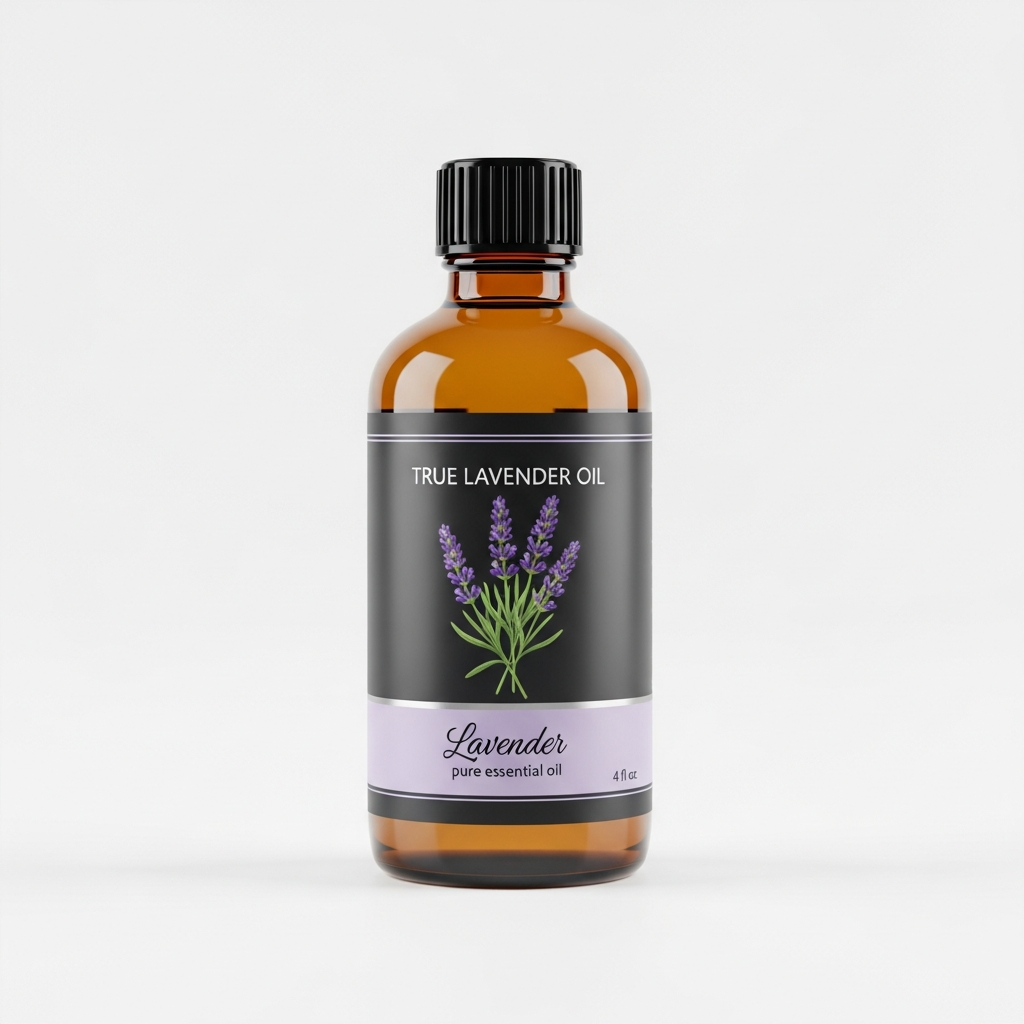
Lavender Essential Oil
Our own Lavender Essential Oil, in sizes from 0.5 oz to bulk.
From $10.99
Shop Now →Below you will find 25 genuine, everyday lavender essential oil applications, organized loosely from home uses to skin care to relaxation rituals. Each idea comes with practical guidance so you can get started right away. If you are brand new to the oil itself, take a few minutes to read our complete beginner's guide to lavender oil before diving in.
Quick safety note: Always dilute lavender essential oil in a carrier oil before applying it to skin. A standard dilution for adults is 2% (about 12 drops per ounce of carrier). Patch test before wider use, and keep all essential oils away from children and pets unless you have confirmed safety guidance for those populations. Consult a qualified healthcare provider with any personal health questions.
Home Uses
-
1. Freshen a Clothes Dryer
Add 3 to 5 drops of lavender oil to a damp washcloth and toss it into the dryer with your laundry during the last 10 minutes of the cycle. The gentle heat releases the scent without the synthetic fragrance load of most commercial dryer sheets. Your linens come out smelling clean and faintly floral.
This works especially well for bedding. A subtle lavender scent on pillowcases can contribute to a pleasant, calming bedtime atmosphere, which many people find sets a nicer tone for their wind-down routine.
Practical takeaway: Use a dedicated washcloth for this purpose. Essential oils can leave residue that may affect fabric over time if applied directly and repeatedly to the same spot.
-
2. Make a Simple Linen Spray
Combine 15 to 20 drops of lavender essential oil with 2 tablespoons of witch hazel (which helps disperse the oil) and 4 ounces of distilled water in a small spray bottle. Shake well before each use and mist over pillows, curtains, or upholstered furniture.
The key to a good linen spray is using high-quality oil. Adulterated lavender oils often smell sharp or chemical-like when sprayed, which defeats the purpose entirely. Our article on what genuine lavender oil smells like can help you recognize the real thing.
Practical takeaway: Shake before every single spray. Water and oil separate quickly, and an unshaken bottle will give you an uneven result.
-
3. Diffuse to Set a Relaxed Home Atmosphere
An ultrasonic diffuser is probably the most popular of all lavender essential oil applications for the home. Add water to the fill line, drop in 5 to 8 drops of lavender oil, and run it for 30 to 60 minute intervals with breaks in between. Continuous diffusion in a small space can be overwhelming and is generally not recommended.
Diffusing lavender during the late evening can shift the mood of a room in a noticeably pleasant way. Many families keep a diffuser running in common areas during the hour before bed as part of their household wind-down ritual.
Practical takeaway: Keep pets and small children in mind. Diffuse in well-ventilated spaces and avoid running a diffuser continuously in rooms where animals sleep.
-
4. Freshen Carpets Before Vacuuming
Mix 10 to 15 drops of lavender oil into half a cup of baking soda. Stir well, let it sit for 24 hours so the oil fully binds to the baking soda, then sprinkle the mixture lightly over carpets. Let it sit for 15 minutes and vacuum as normal.
The baking soda neutralizes stale odors while the lavender leaves a gentle scent behind. It is a simple, low-cost way to refresh a room without aerosol sprays.
Practical takeaway: Do a small patch test on an inconspicuous section of carpet first, particularly on light-colored fibers.
-
5. Scent a Sachet for Drawers or Closets
Fill a small muslin bag with dried lavender buds and add 4 to 5 drops of pure lavender oil to intensify the scent. Tuck it into a dresser drawer, hang it in a closet, or slip it into a luggage bag. Refresh the oil every 4 to 6 weeks as the scent fades.
Sachets have been used in linen chests for centuries. There is something genuinely satisfying about opening a drawer and catching that scent. It is a small sensory detail that makes daily routines feel more considered.
Practical takeaway: Do not place oil-saturated sachets directly against delicate fabrics or leather. The oil can transfer and leave a stain.
-
6. Clean and Deodorize with a Lavender Spray
For general surface freshening (not a disinfectant use claim), mix distilled water with a small amount of castile soap and 10 drops of lavender oil in a spray bottle. Use it to wipe down kitchen counters, bathroom surfaces, or trash can lids to leave a clean, fresh scent.
The focus here is fragrance and the ritual of a mindful cleaning session, not any specific sanitizing claim. Many people find that a pleasantly scented cleaning solution makes the chore itself feel less like a chore.
Practical takeaway: Shake vigorously before use. Label your bottle clearly so no one mistakes it for something else.
-
7. Add to a Warm Foot Soak
Fill a basin with comfortably warm water, add a tablespoon of Epsom salt (which helps disperse the oil), then add 4 to 6 drops of lavender essential oil. Soak your feet for 15 to 20 minutes. The warmth, the scent, and the quiet break from the day combine into something genuinely restorative.
This is one of those lavender oil uses that takes almost no preparation but feels like a real indulgence. It works particularly well after a long day of standing or walking.
Practical takeaway: Always dilute. Do not add undiluted essential oil directly to water for a soak, since oil and water do not mix and the concentrated oil can cause skin sensitivity.
-
8. Scent Homemade Candles or Wax Melts
If you make candles or wax melts at home, lavender essential oil can replace synthetic fragrance oils. Use approximately 1 ounce of essential oil per pound of wax, though the exact ratio depends on your wax type and desired strength. Note that natural essential oils have lower flash points than some synthetic options, so always work at appropriate temperatures and research safe candle-making practices.
The resulting scent is noticeably different from lavender-scented candles made with synthetic fragrance. More nuanced, less sharp, and more true to the actual plant.
Practical takeaway: Source your lavender oil from a supplier who provides GC/MS (gas chromatography/mass spectrometry) test results so you know exactly what is in the bottle before you add it to a product you will burn in your home.
Skin and Body Care Uses
-
9. Add to an Unscented Moisturizer
Take your regular unscented body lotion or face moisturizer and add 2 to 3 drops of lavender essential oil per teaspoon of product (roughly a 1 to 2% dilution). Mix it in your palm and apply as usual. This is one of the easiest lavender essential oil applications for people who are new to using oils in their routine.
It lets you keep your existing skincare products while adding a natural botanical scent. Start with fewer drops than you think you need. Lavender oil is more potent than most people expect.
Practical takeaway: Always patch test a new blend on the inside of your forearm and wait 24 hours before applying it to your face or a larger area.
-
10. Make a Lavender Body Oil
Combine 12 drops of lavender essential oil with 1 ounce of a lightweight carrier oil such as jojoba, sweet almond, or fractionated coconut oil. This gives you a 2% dilution, which is appropriate for most adults using a product over a large skin area. Apply to damp skin after a shower for better absorption.
A homemade body oil is one of the most satisfying what-to-do-with-lavender-oil projects because the result is immediately useful. The jojoba carrier oil, in particular, closely mimics skin's natural sebum, which makes it a popular choice.
Practical takeaway: Store your body oil in a dark glass bottle away from heat and direct sunlight. Learn more about proper storage in our guide on how to store lavender oil for maximum freshness.
-
11. Stir into a DIY Sugar Scrub
Mix 1 cup of fine sugar with half a cup of a carrier oil (coconut or sweet almond work well) and 15 drops of lavender essential oil. Store in a sealed jar and use within 4 to 6 weeks. Apply to damp skin in the shower, scrub gently, and rinse well.
The sugar provides gentle exfoliation while the carrier oil moisturizes and the lavender contributes its familiar scent. It makes a lovely handmade gift as well.
Practical takeaway: The shower floor will become slippery. Use a bath mat and step carefully. Rinse the shower floor thoroughly after each use.
-
12. Blend into a Facial Serum
For facial use, stay at or below a 1% dilution (about 6 drops per ounce of carrier). Rosehip seed oil is a popular carrier for facial serums because of its lightweight texture and the way it absorbs without feeling greasy. Add 5 to 6 drops of lavender oil to 1 ounce of rosehip oil, decant into a small dark dropper bottle, and apply 2 to 3 drops to clean skin in the evening.
People who use lavender in their facial routine often report enjoying the ritual itself: the quiet moment, the scent, the intention of caring for their skin at the end of the day.
Practical takeaway: Introduce any new facial product slowly, every other day at first, to see how your skin responds before making it a nightly practice.
-
13. Use in a Scalp Massage Oil
Add 6 drops of lavender essential oil to 1 tablespoon of jojoba or argan oil. Apply to the scalp and massage gently for 5 minutes. Leave it on for 20 to 30 minutes, then shampoo out thoroughly. Some people use this as a weekly pre-wash scalp ritual.
The massage itself promotes circulation and gives you a few quiet minutes that are easy to build into a weekend self-care session.
Practical takeaway: Tie your hair up after applying to avoid transferring oil to furniture. Use an old towel around your shoulders.
-
14. Add to a Warm Bath
Never add essential oil directly to bathwater. Instead, mix 5 to 8 drops of lavender oil into a tablespoon of whole milk, a tablespoon of castile soap, or a tablespoon of carrier oil first. Then add that mixture to the running water. This disperses the oil safely and prevents undiluted oil from sitting on the surface and contacting skin directly.
A lavender bath is one of the most beloved wind-down rituals in many households. The warmth of the water, the steam carrying the scent, and the quiet time are a compelling combination.
Practical takeaway: Keep bath water at a moderate temperature. Very hot water accelerates evaporation of the essential oil and may cause skin sensitivity.
-
15. Blend a Soothing After-Sun Oil
Mix 10 drops of lavender essential oil into 1 ounce of aloe vera gel or a gentle carrier oil. Apply gently to sun-exposed skin after outdoor activities. Many people find the cool, light scent of lavender to be a particularly fitting choice for this kind of after-sun ritual.
This is a comfort and sensory-care application. It is not a claim about any specific skin condition. If you have concerns about sun-related skin issues, speak with a dermatologist.
Practical takeaway: Store this blend in the refrigerator for an extra cooling sensation during warm weather months.
-
16. Make a Roll-On Blend for Temples or Wrists
Fill a 10 ml roller bottle with your carrier oil of choice and add 10 to 12 drops of lavender essential oil (approximately a 2 to 2.5% dilution). Roll onto pulse points, the back of the neck, or temples when you want a personal, close-to-skin scent experience.
Roll-ons are one of the most practical lavender essential oil applications for people on the go. They are tidy, portable, and require no measuring once they are made.
Practical takeaway: Label the bottle with the contents, dilution ratio, and the date you made it. Most blends are best used within 6 to 12 months.
Relaxation and Atmosphere Uses
-
17. Create a Bedtime Wind-Down Ritual
Designate 20 to 30 minutes before bed as a consistent wind-down period and bring lavender oil into it deliberately. Diffuse it in the bedroom, apply a diluted blend to your wrists, or simply open the bottle and take a few slow, quiet breaths. Consistency matters more than method here.
Scent is one of the most powerful sensory anchors we have. When you pair a specific scent with a specific routine over time, the scent itself can start to signal that transition to your nervous system. Many people who develop a lavender-scented bedtime ritual report that the scent alone begins to feel calming after a few weeks.
Practical takeaway: Pick one application method and stick with it for at least two weeks before deciding whether it is working for your routine. Consistency builds the association.
-
18. Use During a Yoga or Stretching Session
Diffuse lavender in the room where you practice or apply a diluted blend to your pulse points before you begin. The scent can help establish a focused, settled atmosphere that supports the intention of a mindful movement session.
Some yoga and Pilates studios incorporate lavender scent intentionally at the start of class for exactly this reason. The olfactory cue helps participants shift mentally from whatever they were doing before they arrived.
Practical takeaway: Avoid applying oil to your palms if you will be doing poses that require a firm grip on a mat. It will make surfaces slippery.
-
19. Incorporate into Journaling or Meditation
Before you sit down to journal or meditate, place a drop of lavender oil on a tissue or diffuser pad nearby. The repeated pairing of scent with this particular activity can help your mind recognize that it is time to slow down and focus inward.
This is a small habit stack. You are essentially using scent as a ritual anchor, something that signals a specific mental state. It costs almost nothing to try and many people find it meaningfully useful.
Practical takeaway: Even a single inhale from the bottle before you sit down can serve this purpose if you do not have a diffuser handy.
-
20. Add to a Neck and Shoulder Massage Blend
Mix 6 drops of lavender essential oil into 1 tablespoon of a warming carrier such as sunflower or sweet almond oil. Use this blend for a self-massage on the neck, shoulders, or upper back, or ask a partner to help. The combination of touch and scent is particularly effective at supporting a sense of physical ease.
Massage is one of the oldest physical comfort practices in human culture. Adding a thoughtfully chosen scent to it turns a basic act of self-care into something that engages multiple senses at once.
Practical takeaway: Warm the oil slightly between your palms before applying. Cold oil on tense muscles is never a pleasant start.
-
21. Scent a Reading Nook or Home Office
Place a passive diffuser (a small terra cotta dish, a reed diffuser with lavender oil, or even a tissue with a drop of oil) in your reading corner or at your desk. A very subtle background scent can make a space feel more inviting and settled without being distracting.
The key word here is subtle. The goal is an atmosphere, not a perfume cloud. One drop on a tissue is often enough for a personal workspace. A reed diffuser in the corner of a larger room gives you more presence without overwhelming anyone who enters.
Practical takeaway: If you share the space with others, check that they enjoy the scent first. Essential oil preferences are personal and not everyone shares them.
-
22. Try a Lavender Steam
Bring a bowl of steaming (not boiling) water to your table. Add 2 to 3 drops of lavender oil to the surface. Lean over the bowl at a comfortable distance, drape a towel over your head to capture the steam, and breathe slowly and gently for 5 to 8 minutes. This is often used as a skin-steaming ritual and as a grounding breathing practice.
The steam carries the scent very directly. Use fewer drops than you might for a diffuser. Two drops is genuinely sufficient, and it is easy to overdo this method.
Practical takeaway: Keep your face at least 12 inches from the water surface to avoid any risk of burns from steam. Do not use this method if you have certain skin sensitivities. Speak with your dermatologist or healthcare provider if you have questions about whether steam facials are appropriate for your skin.
-
23. Blend with Other Oils for a Signature Scent
Lavender pairs beautifully with many other essential oils. It blends well with cedarwood (which adds depth), bergamot (which brightens it), and eucalyptus (which makes it feel crisp and fresh). Experiment with small amounts in a diffuser first before committing to a larger blended bottle.
Understanding what lavender actually smells like on its own is the starting point for successful blending. Our breakdown of lavender oil's full scent profile can help you understand its base notes and how it behaves in combination with other botanicals.
Practical takeaway: Start with lavender as your dominant note (about 60% of the blend) and adjust from there. It is easier to add than to correct an overpowering secondary note.
-
24. Use as a Natural Personal Perfume
Apply a 2% diluted lavender blend to pulse points as an everyday fragrance. It is lighter than commercial perfumes and fades more quickly, which means you can reapply without worry about scent overload building up over the day.
Many people who are sensitive to synthetic fragrances find that botanical scents like true lavender are far more wearable. The scent also shifts slightly as it interacts with your skin chemistry, which is one of the genuinely interesting aspects of using a natural botanical rather than a synthetic fragrance.
Practical takeaway: Avoid applying directly to clothing. Carrier oils can leave residue on fabric, particularly on light or silk materials.
-
25. Gift a Lavender Oil Starter Kit
One of the most thoughtful things you can do with a bottle of quality lavender oil is share it with someone who has never experienced the real thing. Put together a small kit: a bottle of true Lavandula angustifolia oil, a small carrier oil, a 10 ml roller bottle, and a simple card with a few usage ideas drawn from this list.
The difference between genuine lavender oil and the synthetic lavender fragrance most people have encountered is significant. To understand where the oil you are gifting actually comes from, our article on how lavender oil is made from field to bottle is a wonderful read to include as a reference. And if you want to make sure your oil is stored correctly before gifting, our guide on proper lavender oil storage covers everything you need to know.
Practical takeaway: Include a note reminding the recipient to always dilute before applying to skin and to keep the oil away from pets and children. A thoughtful gift comes with the information needed to use it safely.
Getting the Most from Every Drop
The range of lavender oil uses above covers a lot of ground, from practical household applications to quiet personal rituals. What unites all of them is the importance of starting with genuine, high-quality oil. A bottle labeled "lavender oil" may be diluted, blended with synthetic fragrance, or made from a different lavender species entirely. True Lavandula angustifolia has a specific scent profile and a specific chemical composition that cheaper alternatives simply do not match.
If you are new to all of this, start with one or two uses that feel most relevant to your daily life. A linen spray for your pillows. A simple roller bottle blend. A diffuser running for 30 minutes during your evening routine. You do not need to explore all 25 ideas at once. Build the habit with something small, notice whether you enjoy it, and expand from there.
Quality sourcing, proper dilution, and consistent use are the three things that will shape your experience more than anything else. Start there, and the rest tends to follow naturally.