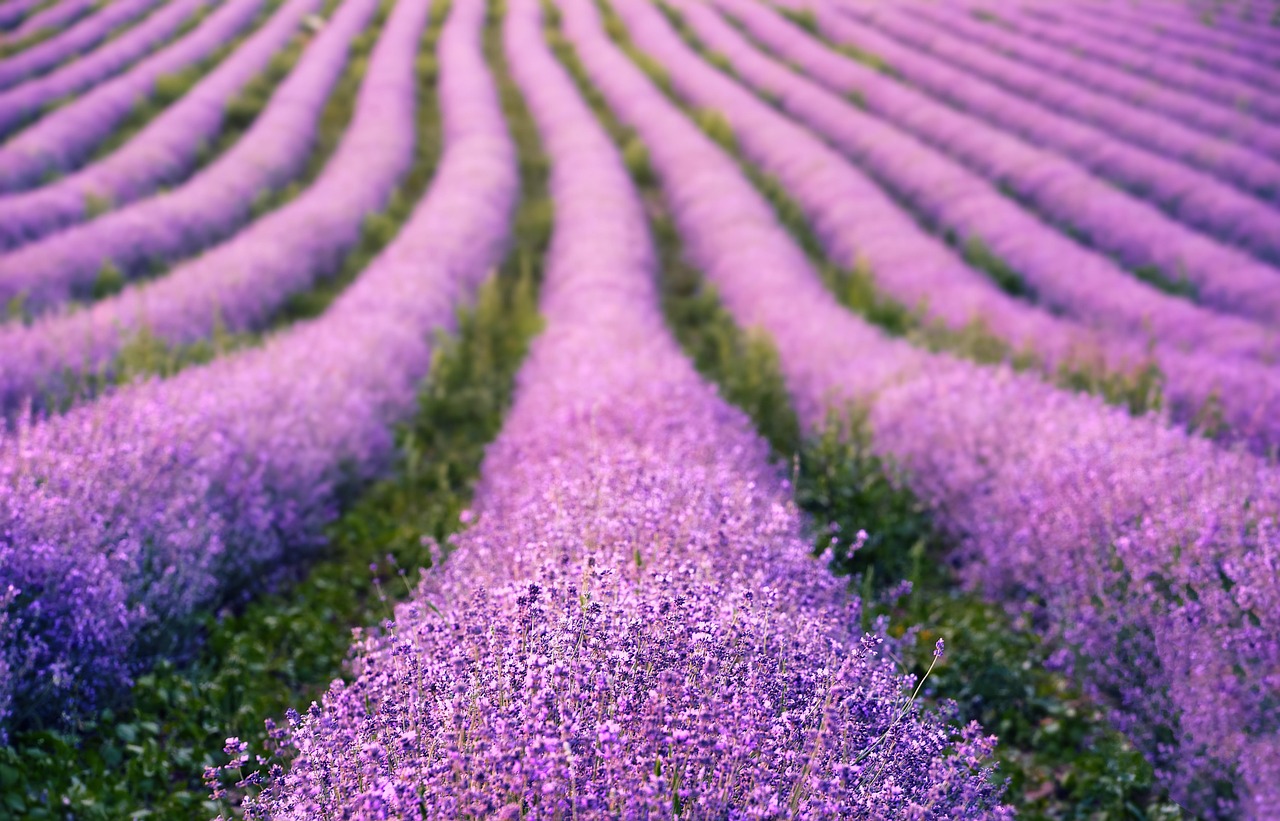
How Lavender Oil Is Made: From Field Harvest to Steam Distillation
Crack open a bottle of genuine Lavandula angustifolia essential oil and you're holding the distilled output of an entire growing season. Hundreds of flowering stems, weeks of careful cultivation, and a precise extraction process all converge in that small amber bottle. Understanding how lavender oil is made changes the way you shop for it, use it, and store it. It also helps you spot the difference between a well-crafted oil and a diluted or adulterated one.
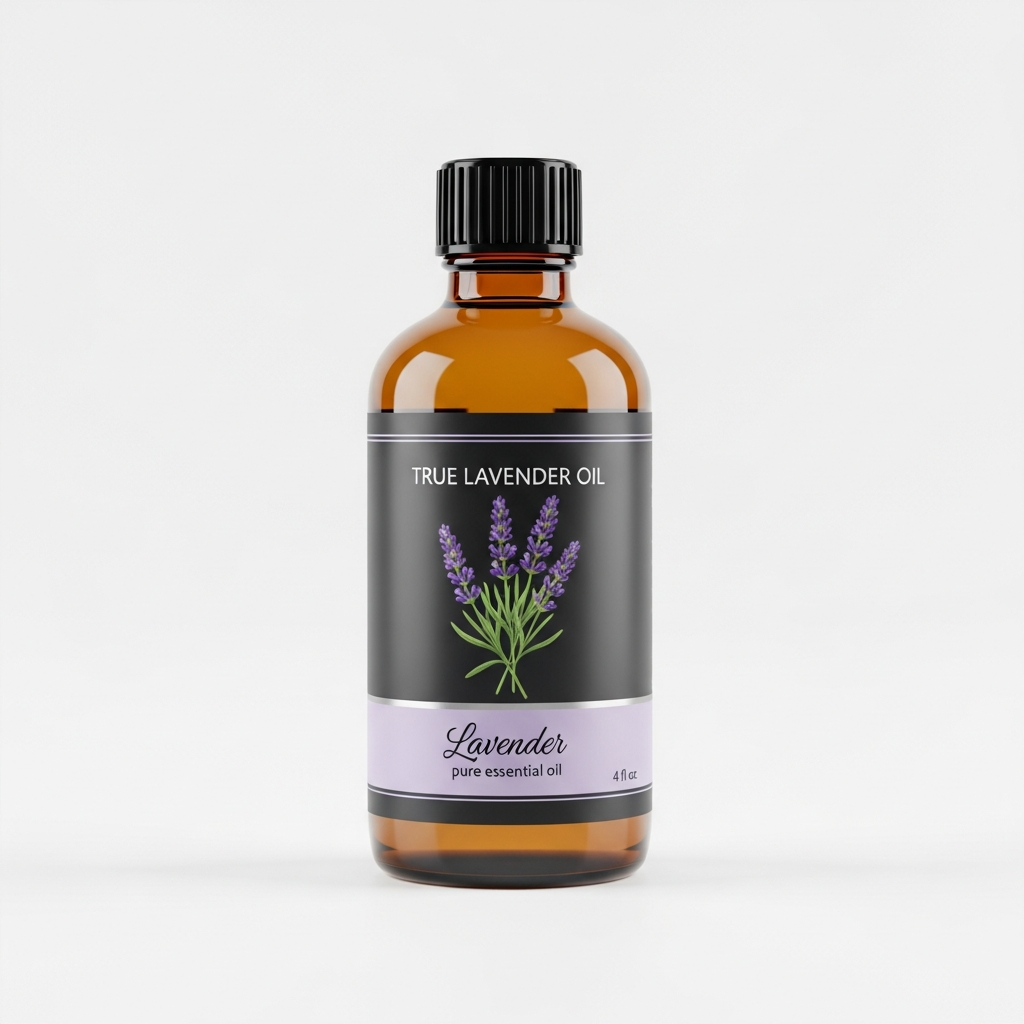
Lavender Essential Oil
Our own Lavender Essential Oil, in sizes from 0.5 oz to bulk.
From $10.99
Shop Now →This deep dive covers the full journey: from the agronomic decisions that shape quality at the field level, through the mechanics of steam distillation, all the way to the chemical compounds that researchers have been studying for decades. If you're newer to lavender and want a broader overview first, the complete beginner's guide to lavender oil is a good place to start before returning here.
Growing Conditions That Shape the Oil Before Distillation Even Begins
Lavender oil production begins long before any plant material touches a still. The chemical signature of the finished oil is largely locked in by the time the flowers open, shaped by soil mineral content, altitude, sunlight hours, and the cultivar being grown.
True lavender (Lavandula angustifolia, sometimes listed as L. officinalis) thrives at higher elevations, typically between 600 and 1,500 meters above sea level. The cooler nights and intense UV exposure at altitude slow the plant's metabolism slightly, allowing more of the delicate aromatic compounds to accumulate rather than volatilize. This is a key reason why high-altitude Provençal oils and Bulgarian oils from the Balkan mountain regions are so well regarded: the geography itself is doing part of the work.
Soil drainage matters enormously. Lavender grown in heavy, waterlogged soil tends to produce fewer aromatic compounds per gram of flower material. Well-drained, slightly alkaline, stony soils force the plant to direct its energy toward the production of secondary metabolites, including the terpenes and esters that make the oil valuable.
Conventional versus organic cultivation also plays a role in finished oil character. While some researchers observe that pesticide residues can carry through into distillates (particularly certain synthetic pyrethroids), the evidence on this is still developing. What is clearer is that organic certification requires documentation of inputs across the entire growing cycle, which adds a layer of traceability that quality-conscious buyers often find reassuring.
Harvest Timing: The Window That Determines Everything
Skilled lavender farmers will tell you that harvest timing is the single highest-leverage decision in the entire production chain. Miss the window by even a few days and the oil's chemical profile shifts noticeably.
The ideal harvest moment for high-ester L. angustifolia oil is when approximately half to two-thirds of the flower buds on each spike have opened. At this stage, linalyl acetate content (the primary ester in true lavender oil, responsible for much of its soft, floral-herbal character) tends to be at or near its peak. As the flowers age and seeds begin to form, linalyl acetate levels drop while other compounds, including camphor, can increase. Camphor is perfectly natural in lavender, but elevated levels shift the scent profile noticeably toward a sharper, more medicinal character that many people associate with lavandin (Lavandula x intermedia) rather than true lavender.
Harvest typically happens in the early morning, after any dew has evaporated but before the midday heat causes significant evaporation of volatile compounds from the flower heads. In large commercial operations, mechanical harvesters move through the rows cutting the flowering spikes. On smaller artisan farms, hand-cutting remains common, especially on terraced hillside plantings where machinery cannot easily operate.
After cutting, the plant material should move to the still quickly. Prolonged storage in large piles generates heat through microbial activity, which can degrade the more delicate aromatic compounds. Some farms distill within hours of cutting. Others allow a brief wilting period (sometimes called pre-drying or curing) of 24 to 48 hours, which slightly concentrates the material and can reduce the water load in the still, though opinions differ on whether this improves or diminishes final oil quality.
How Steam Distillation Works: The Mechanics Step by Step
Lavender steam distillation is the gold standard extraction method for L. angustifolia essential oil, and it has been refined over centuries of practice. The principle exploits a property of volatile aromatic compounds: when steam passes through plant material, it carries the oil's molecules along with it, transporting them out of the plant cells and into the vapor phase.
Loading the Still
A traditional distillation still consists of a large vessel (the retort or alembic), a heat source, a condenser, and a separator called a Florentine flask or essencier. The harvested lavender is loaded into the retort, either loosely packed or in permeable crates or baskets. Packing density matters: too tight and steam channels form, bypassing large sections of plant material; too loose and the steam moves through too quickly to extract efficiently.
Steam Generation and Passage
There are two main approaches to introducing steam. In direct-steam distillation, steam generated in a separate boiler is injected into the base of the retort and rises up through the plant material. In hydrodistillation (also called water distillation), the plant material sits directly in water inside the retort, and the whole mass is heated from below. A third variation, steam-and-water distillation, combines elements of both.
For L. angustifolia, direct steam distillation at relatively low pressure is most common at quality-focused operations. Lower steam pressure means lower temperatures (typically around 100°C or slightly above), which is gentler on the more delicate esters like linalyl acetate. Higher-pressure distillation runs faster and extracts more total oil per batch, but some researchers observe that it produces a different ester-to-terpene ratio, with the higher heat potentially degrading some lighter compounds.
Condensation and Separation
The steam carrying aromatic molecules exits the top of the retort and passes through a coiled condenser surrounded by cold water. As the vapor cools, it returns to liquid form. This condensate, a mixture of water and essential oil, flows into the Florentine flask.
Because essential oil and water have different densities and do not mix, they separate naturally. Lavender oil is lighter than water and floats to the top, where it can be drawn off. The remaining water layer is not waste: it is the hydrosol (also called floral water or hydrolat), which retains water-soluble aromatic compounds and has its own applications in skin and hair care formulations.
Distillation Duration
A typical distillation run for L. angustifolia lasts between 45 minutes and two hours, depending on still size, steam pressure, and the specific compounds the distiller is targeting. Some distillers run multiple distillation passes on the same plant material, though each successive pass extracts progressively less oil and the character shifts as residual compounds are drawn out.
Chemical Composition: What's Actually in the Bottle
Genuine Lavandula angustifolia essential oil is a complex mixture of dozens of volatile compounds. Gas chromatography-mass spectrometry (GC-MS) analysis typically identifies over 100 distinct molecules in a single sample, though a handful dominate the profile.
| Compound | Typical Range (%) | Character |
|---|---|---|
| Linalyl acetate | 25 to 47% | Floral, fruity-herbal, smooth |
| Linalool | 20 to 45% | Floral, slightly spicy, fresh |
| 1,8-Cineole (eucalyptol) | 0 to 3.5% | Fresh, camphorous (low in true lavender) |
| Camphor | 0 to 1.2% | Sharp, piercing (very low in quality L. angustifolia) |
| beta-Ocimene | 1 to 8% | Herbal, sweet |
| Terpinen-4-ol | 2 to 6% | Earthy, spicy |
| Lavandulyl acetate | 1 to 5% | Floral, diffusive, characteristic |
| Lavandulol | 0.5 to 3% | Fresh, sweet-floral |
The International Organisation for Standardisation (ISO) publishes specification ranges for L. angustifolia oil (ISO 3515). Oils that fall within these ranges are more likely to be genuine and unadulterated, though ISO compliance alone does not guarantee quality, since synthetic compounds can be blended to meet the specification numerically. This is why GC-MS testing from a reputable third-party laboratory is a more robust verification tool.
Linalool and Linalyl Acetate: The Signature Pair
These two compounds together typically account for 50 to 80 percent of the oil's composition, and their ratio is one of the most telling indicators of both species identity and harvest quality. Linalool is a monoterpene alcohol found across many plant families, but in lavender it occurs in its specific optical form (left-rotating, or (S)-linalool) that differs from synthetic linalool. Linalyl acetate is the acetate ester of linalool and forms as the plant matures. Research published in journals including the Journal of Essential Oil Research and Molecules has consistently observed correlations between higher linalyl acetate content and oils harvested at optimal bloom stage.
Some research suggests that linalool in particular interacts with olfactory and neurological pathways in ways that may support a sense of calm in the people using it, though the mechanisms are still being investigated and no definitive conclusions about outcomes in humans should be drawn from current literature.
What Separates True Lavender from Lavandin
Lavandin (Lavandula x intermedia) is a natural hybrid of true lavender and spike lavender (L. latifolia). It is far easier to grow, produces roughly five to ten times more oil per hectare, and costs significantly less. It is not a lower-quality oil in any absolute sense, but it is chemically distinct from L. angustifolia. Lavandin typically contains 5 to 15 percent camphor and elevated 1,8-cineole, giving it a sharper, more bracing scent profile. Unscrupulous suppliers sometimes dilute or substitute lavandin for true lavender, which is why knowing a supplier's sourcing practices and requesting GC-MS documentation matters.
Research Observations on Key Compounds
A substantial body of laboratory and clinical research has examined the constituents of L. angustifolia oil. It is worth being clear about what this research does and does not tell us.
Several in vitro (cell culture) and animal studies have examined how linalool and linalyl acetate interact with biological systems. Some research suggests these compounds may interact with GABA receptors in ways that could relate to their reported calming effects in aromatherapy contexts. A proprietary oral lavender oil preparation (Silexan) has been the subject of randomised controlled trials in Europe, with some findings suggesting it may support emotional well-being in certain populations. However, those studies used a specific standardised formulation at defined doses and their findings cannot be extrapolated to any general lavender essential oil product used in diffusion or topical application.
The takeaway for a consumer is this: the research is genuinely interesting, and it is growing. But it is early-stage in many areas, and the gap between laboratory observations and confirmed outcomes in everyday use remains wide. Approach any source (including this one) that presents lavender research as settled science with healthy scepticism.
Safety Profile and Contraindications
True lavender oil has a strong safety record when used appropriately, but appropriate use matters. Here is what responsible use looks like.
Topical Application and Dilution
The Research Institute for Fragrance Materials (RIFM) and the International Fragrance Association (IFRA) both consider L. angustifolia oil safe for skin use at typical usage levels in leave-on and rinse-off products. However, essential oils are highly concentrated and should always be diluted in a carrier oil before skin contact. Common guidance suggests a 1 to 3 percent dilution for most adults in leave-on applications (roughly 6 to 18 drops per 30 ml of carrier oil), with lower concentrations recommended for sensitive skin.
Always perform a patch test before using any new essential oil on your skin. Apply a small amount of your diluted blend to the inner forearm, cover, and observe for 24 hours. This simple step can identify individual sensitivities before they become a larger problem. For a full overview of safe application practices, the lavender oil safety guide covering patch tests, pets, and children covers these topics in detail.
Oxidation and Sensitisation Risk
Linalool and linalyl acetate are relatively stable compounds, but like all terpene-rich oils, lavender essential oil oxidises over time. Oxidised linalool in particular has been identified as a contact sensitiser in research. This means that old, improperly stored oil carries a higher sensitisation risk than fresh oil. Keep your bottle tightly closed, stored away from heat and light, and be aware of the shelf life. The guide to lavender oil storage and shelf life is worth reading before your next purchase.
Pregnancy, Children, and Pets
Pregnant and nursing individuals should consult a qualified healthcare provider before using essential oils. Young children, especially infants, are more sensitive to volatile compounds, and some sources flag the 1,8-cineole content of certain lavender oils (typically lavandin rather than true L. angustifolia) as a concern for very young children. Cats in particular lack liver enzymes needed to metabolise many monoterpenes and phenols, making essential oil diffusion in households with cats a topic requiring professional veterinary guidance.
This article does not replace professional medical or veterinary advice. If you have specific health concerns or are taking any medications, please speak with your healthcare provider before incorporating essential oils into your routine.
Sourcing and Quality Indicators: What to Look For
Now that you understand the production chain, you can see why certain sourcing claims carry more weight than others.
Botanical Name and Origin
Any reputable supplier will list the full Latin binomial (Lavandula angustifolia) on the label or product page, not just the word "lavender." Country and region of origin should also be listed. Bulgaria, France (Haute-Provence), and a handful of other high-altitude regions have well-established traditions and quality track records, though origin alone does not guarantee quality.
GC-MS Testing
A batch-specific GC-MS report from an independent laboratory is the most objective quality indicator available to consumers. Look for linalyl acetate in the 25 to 47 percent range and linalool in the 20 to 45 percent range. Very low camphor (under 1.2 percent) and very low 1,8-cineole (under 3.5 percent) confirm you have true lavender rather than lavandin or a blend. Some suppliers publish these reports per batch on their websites. If a supplier cannot or will not provide this documentation, that is worth noting.
Harvest Date and Lot Number
Traceability is a hallmark of quality. A lot number tied to a specific harvest season allows you to verify freshness and track the oil through the supply chain. Given that oxidation risk increases with age, knowing when an oil was distilled matters for safety as well as scent quality.
Packaging
Genuine essential oil should be sold in dark glass bottles (amber or cobalt blue) to protect against UV degradation. Plastic containers are unsuitable for long-term storage of undiluted essential oils, as terpenes can leach compounds from plastic over time. A well-fitted orifice reducer dropper insert is also a sign that the producer understands the chemistry of what they are selling.
Price as a Signal
True Lavandula angustifolia oil requires far more plant material per kilogram of finished oil than lavandin. Depending on the harvest year, weather conditions, and distiller, it typically takes somewhere between 100 and 150 kilograms of fresh lavender flower tops to produce one kilogram of essential oil. This is a significant agricultural and labour input. Oils priced dramatically lower than the market rate for authenticated L. angustifolia are almost certainly adulterated, cut with carrier oils, or substituted with lavandin. Price is not the only quality signal, but it is a useful filter.
From Ancient Distilleries to Modern Labs
Lavender distillation has a long and genuinely fascinating history. Arab alchemists are widely credited with refining the alembic still into a form that made large-scale essential oil production practical, and lavender was among the first plants to be commercially distilled in medieval Europe. The trade routes, the farming traditions, and the cultural associations that developed over those centuries are part of what makes working with this plant feel so layered.
If you enjoy that historical dimension, the short history of lavender from Roman baths to the modern era traces how lavender moved from practical field crop to one of the world's most recognised botanical ingredients.
What strikes me most about lavender oil production, having spent time on farms and talked with distillers across Provence and Bulgaria, is how much the final oil reflects the specific decisions made at every stage: the cultivar selected, the elevation of the field, the day and hour of harvest, the steam pressure in the still, the time between cutting and distillation. GC-MS analysis can confirm whether the numbers fall within specification, but it cannot fully capture the craft involved in producing an oil that sits at the top of those specification ranges, with a scent profile that is genuinely moving rather than merely compliant.
Understanding lavender oil production does not just make you a more informed buyer. It gives you a real appreciation for why the good stuff costs what it costs, and why the shortcuts taken in cheaper oils are shortcuts worth knowing about.