Lavender Oil Safety Basics: Patch Tests, Pets, and Kids
Lavender oil is one of the most beloved and widely used essential oils in the world. People reach for it during bedtime wind-down rituals, morning self-care routines, and everything in between. But even a genuinely gentle oil deserves a thoughtful approach. If you're new to essential oils or just want a reliable refresher, this guide covers the three areas where questions come up most often: skin patch testing, use around pets, and safe practices with children.
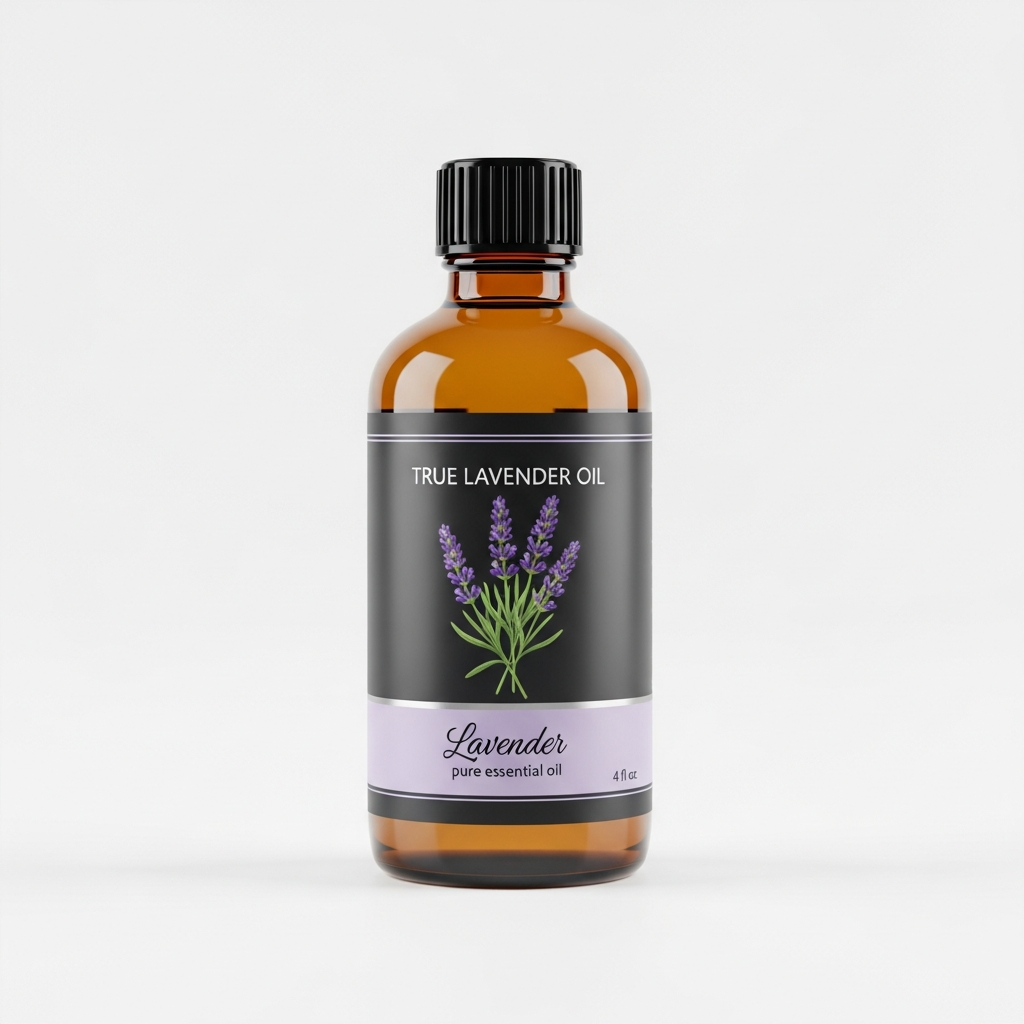
Lavender Essential Oil
Our own Lavender Essential Oil, in sizes from 0.5 oz to bulk.
From $10.99
Shop Now →Before diving in, a quick note on sourcing. Much of the lavender oil sold today is adulterated, blended with synthetic linalool, or sourced from hybrid lavandin (Lavandula x intermedia) and labeled as true lavender. For safety purposes, always start with a pure Lavandula angustifolia oil from a transparent supplier. If you want a grounding overview of what lavender oil actually is, our complete beginner's guide is a good place to start.
Part 1: The Lavender Oil Patch Test
A patch test is a simple, low-stakes way to check how your skin responds to a diluted essential oil before applying it more broadly. Skipping this step is one of the most common mistakes new users make, and it is easy to avoid.
Why Bother with a Patch Test?
Even pure Lavandula angustifolia oil contains naturally occurring compounds like linalool and linalyl acetate. These are generally well-tolerated, but individual skin sensitivities vary. People with reactive skin, known fragrance sensitivities, or a history of contact reactions especially benefit from testing first. A patch test gives you useful information before you commit to a larger application area.
What You'll Need
- 1 pure Lavandula angustifolia essential oil
- A gentle carrier oil (fractionated coconut oil, sweet almond oil, or jojoba oil work well)
- A small bowl or the palm of your hand for mixing
- A mild soap and water for cleanup
- Optional: an adhesive bandage to mark the test site
Step-by-Step Patch Test Instructions
- Dilute the oil properly. This is the most important step. Never apply undiluted essential oil directly to skin as a starting point. A safe general dilution for adults is 2 percent, which works out to about 12 drops of essential oil per one fluid ounce (30 ml) of carrier oil. For a small patch test, add 1 drop of lavender oil to roughly 1 teaspoon (5 ml) of carrier oil. Mix it briefly.
- Choose a test location. The inner forearm is a popular choice because the skin there is sensitive but not so delicate that minor reactions are magnified. Avoid areas with broken skin, active irritation, or existing redness.
- Apply a small amount. Dab a pea-sized amount of your diluted blend onto the test site. You do not need to rub it in aggressively. A light application is all that is needed.
- Leave it undisturbed. Do not wash the area for at least 24 hours. Some people prefer to wait a full 48 hours for a more thorough read. If you applied the test before bed, simply check in the morning and then again the following evening.
- Observe the site. Look for any redness, itching, swelling, or unusual warmth at the application point. Mild, temporary redness that fades within minutes can sometimes occur from the carrier oil itself, so note whether any response persists or intensifies.
- Interpret your results. If the skin looks calm and feels normal after 24 to 48 hours, that is a good sign your skin tolerates this particular oil at this dilution. If you notice persistent redness, itching, or irritation, rinse the area with cool water and a gentle soap, and discontinue use. Consult a qualified healthcare provider if any reaction is significant or slow to resolve.
Common Patch Test Mistakes to Avoid
- Testing undiluted oil. Applying neat essential oil to skin is not a reliable patch test. It is more likely to cause irritation regardless of the oil's quality, making the results misleading.
- Washing the site too soon. Rinsing within a few hours shortens the observation window and may give you a false sense of security.
- Testing on already-irritated skin. An existing scratch or rash will make it impossible to read the results accurately.
- Assuming one test clears all future uses. If you change oils, change carriers, or significantly change the dilution ratio, a fresh test is worth doing.
Part 2: Lavender Oil Safety Around Pets
This is one of the most frequently searched questions in the lavender oil world: is lavender oil safe around pets? The honest answer is that it depends on the animal, the exposure type, and the concentration involved. Essential oils are potent, and animals process compounds differently than humans do.
Understanding Why Pets Respond Differently
Cats, dogs, birds, and small mammals have metabolic pathways that differ significantly from ours. Cats in particular have a reduced ability to process certain phenols and other compounds found in many essential oils. Their livers lack some of the enzymes that help break these compounds down. Dogs are somewhat more resilient but are still far more sensitive than adult humans on a body-weight basis. Birds are especially vulnerable to airborne compounds and should never share a room with a diffuser running for extended periods.
General Safety Guidelines by Exposure Type
Diffusion
Passive diffusion in a large, well-ventilated room is generally considered lower-risk than active nebulizing in a closed space. Key practices include:
- Always allow pets a clear exit from any room where you are diffusing. Never confine an animal in a space with an active diffuser.
- Keep diffusion sessions short, particularly around cats. Thirty minutes or less is a common recommendation from veterinary aromatherapy educators.
- Open a window or door to maintain airflow.
- Never diffuse directly near a pet's sleeping area, food bowl, or water bowl.
Topical Application on Humans
When you apply a diluted lavender blend to your own skin, the residual scent and transfer risk are generally low. That said, it is wise to let the oil absorb fully before prolonged contact with pets, and to avoid letting cats groom areas you have recently applied oil to.
Direct Application to Pets
Do not apply essential oils directly to your pets without explicit guidance from a veterinarian familiar with aromatherapy. This includes diluted blends. What feels gentle to a human may be overwhelming for an animal that cannot tell you it is uncomfortable.
Signs a Pet May Be Bothered
Watch for the following behaviors when you introduce any essential oil into a shared space:
- Leaving the room quickly or refusing to enter
- Pawing at the nose or face
- Watering eyes or excessive blinking
- Lethargy or unusual stillness
- Drooling or lip-licking in dogs
If any of these appear, turn off the diffuser, ventilate the space, and move your pet to fresh air. Contact your veterinarian if symptoms persist or worsen.
For more background on lavender's long history of use and how our understanding of it has developed over centuries, you might enjoy this short history of lavender.
Part 3: Lavender Oil Safety Around Children
Parents and caregivers often ask about lavender oil around children, particularly for bedtime routines and calm-evening atmospheres. A thoughtful approach here matters because children's bodies are not simply smaller versions of adult bodies. Their skin is thinner, their surface-area-to-body-weight ratio is higher, and their developing systems are more sensitive to concentrated compounds.
Age-Based Dilution Guidelines
The general guidance from professional aromatherapy organizations suggests the following dilution ranges as starting points. These are educational references, not prescriptive recommendations. Always consult a qualified healthcare provider before using essential oils with infants or young children.
| Age Range | Suggested Maximum Dilution | Notes |
|---|---|---|
| Under 3 months | Avoid topical use entirely | Diffusion also not recommended without professional guidance |
| 3 months to 2 years | 0.5% to 1% | Consult a pediatrician or certified aromatherapist first |
| 2 to 6 years | 1% to 2% | Patch test required; short diffusion sessions only |
| 6 to 12 years | 1.5% to 2% | Adult supervision; patch test first |
| 12 and older | 2% (standard adult guideline) | Patch test still recommended |
A 1% dilution works out to roughly 6 drops of essential oil per one fluid ounce (30 ml) of carrier oil. A 0.5% dilution is 3 drops per one fluid ounce.
Practical Safety Steps for Kids
- Always dilute. This cannot be stated firmly enough. A child's thinner skin absorbs compounds more readily. Start at the lower end of the age-appropriate range and only increase if well-tolerated over time.
- Run a patch test first. Follow the same process described in Part 1, using a dilution appropriate for the child's age. The inner arm or back of the knee works well as a test site for children.
- Avoid the face area. Keep all essential oil blends away from a child's eyes, nostrils, and mouth. Apply to the feet, upper back, or chest only, and only when diluted properly.
- Store oils out of reach. Neat essential oils in small bottles look like interesting little objects to a curious child. Store all bottles in a locked cabinet or well out of reach. Accidental ingestion of even a small amount of undiluted essential oil can cause serious issues in children. If ingestion occurs, contact Poison Control immediately.
- Keep diffusion sessions short and ventilated. For children's rooms, shorter diffusion sessions with good airflow are far preferable to running a diffuser all night in a closed room.
- Observe and respond. Watch for signs of irritation or discomfort, including eye-rubbing, sneezing, coughing, or restlessness. If any appear, stop use and ventilate the space.
A Note on Pregnancy
Pregnant individuals should consult their midwife or obstetrician before using any essential oil, including lavender. This is particularly important during the first trimester. This guide does not make recommendations for prenatal use.
Quick-Reference Safety Checklist
Before using lavender oil in any new context, run through this short list:
- Is this a genuine Lavandula angustifolia oil from a transparent source?
- Have you diluted it appropriately for the intended user?
- Have you done a patch test on this person's skin?
- Is any pet in the household given a clear exit from the space?
- Is the room ventilated?
- Are all bottles stored safely out of children's reach?
Lavender oil is a joy to work with. A little preparation makes the whole experience more confident and comfortable for everyone in your household.
Keep Learning
Safety is the foundation, but there is a lot more to explore. If you are curious about using lavender in the kitchen, our piece on culinary lavender versus essential oil draws some important distinctions worth knowing. And if broader questions are circling in your mind, our lavender oil FAQ covers twenty of the most common ones in plain language.
A reminder: Nothing in this article constitutes medical advice. Always consult a qualified healthcare provider before using essential oils with infants, young children, pregnant individuals, or anyone with known sensitivities or health considerations. Keep all essential oils out of reach of children and pets.