Lavender Oil FAQ: 20 Common Questions, Answered Simply
Lavender essential oil is one of the most popular oils in the world, yet it's also one of the most misunderstood. Labels are confusing. Claims are everywhere. And if you've ever stood in a shop holding two bottles that both say "lavender" but smell completely different from each other, you already know that not all lavender oil is created equal.
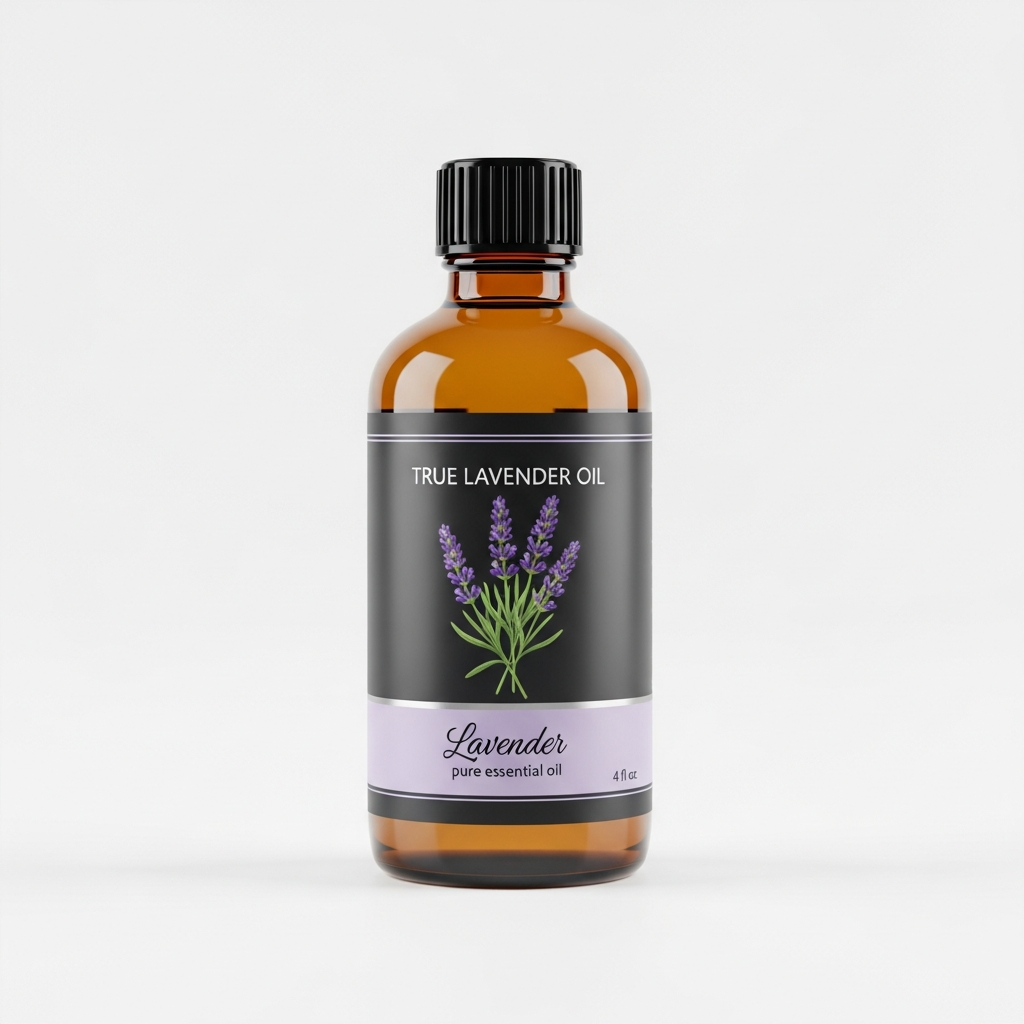
Lavender Essential Oil
Our own Lavender Essential Oil, in sizes from 0.5 oz to bulk.
From $10.99
Shop Now →These lavender oil questions come straight from real people: beginners just opening their first bottle, longtime users wanting to go deeper, and everyone in between. Consider this your honest, no-fluff lavender oil FAQ, organized by theme so you can jump to whatever matters most right now.
The Basics: What Lavender Oil Actually Is
Q1. What exactly is lavender essential oil?
Lavender essential oil is a concentrated aromatic liquid extracted from the flowers and flowering tops of the lavender plant. The extraction method is steam distillation: steam passes through the plant material, carries the volatile aromatic compounds along with it, and those compounds are then separated from the water as the steam cools. The result is a pale yellow to almost colorless oil with a complex, instantly recognizable scent.
Q2. Is all lavender oil the same?
Not even close. There are dozens of lavender species, and the oil from each one smells and behaves differently. True lavender oil, made from Lavandula angustifolia, is the variety most people picture when they think of lavender. Lavandin (Lavandula x intermedia) is a hybrid grown mainly for high yield, and its oil has a sharper, more camphor-heavy scent. Spike lavender (Lavandula latifolia) is sharper still. These are genuinely different oils, and they are not interchangeable.
Q3. What does "true lavender" mean on a label?
"True lavender" refers specifically to Lavandula angustifolia, sometimes also listed as Lavandula officinalis or Lavandula vera on older labels. These are all names for the same species. A reputable bottle will state the full Latin binomial so you know exactly which plant the oil came from. If a label only says "lavender" with no species name, that is a reason to ask more questions before buying.
Q4. What makes true lavender oil special compared to lavandin?
The key difference comes down to chemistry. True Lavandula angustifolia tends to be high in linalool and linalyl acetate, the two main compounds responsible for its softer, more floral, and slightly sweet character. Linalool and linalyl acetate are present in lavandin too, but lavandin also contains significantly more camphor, which pushes the scent toward something sharper and more medicinal-smelling. For skin care and calming evening routines, most people strongly prefer true lavender.
Scent and Quality
Q5. What should lavender oil smell like?
High-quality true lavender oil has a scent that is floral and herbaceous at once, with a soft sweetness underneath and a clean, slightly green finish. It should not smell sharp, camphorous, or synthetic. A full lavender scent profile is actually quite layered: the top notes open bright and floral, the heart is the classic "lavender" most people recognize, and the base dries down to something subtly woody and warm. If a bottle smells flat, overly sharp, or like artificial potpourri, those are signs worth noting.
Q6. Why do different bottles of lavender oil smell different from each other?
Lavender oil is an agricultural product, and its scent reflects where and how the plants were grown. Altitude, climate, soil composition, and the timing of the harvest all influence the final chemistry of the oil. High-altitude farms, particularly in the French Alps or similar cool-climate regions, tend to produce oils with higher linalyl acetate content and a more refined, floral scent. That is why single-origin, farm-sourced oils often smell noticeably different from blended commercial oils.
Q7. How can I tell if a lavender oil is adulterated?
Adulteration is unfortunately common in the essential oil market. Suppliers sometimes extend true lavender oil by adding synthetic linalool, cheaper lavandin fractions, or carrier oils. A few practical checks help: request a gas chromatography/mass spectrometry (GC/MS) report from the supplier, which shows the actual chemical profile of the oil. Also check the price. Genuine Lavandula angustifolia oil requires significant acreage and labor to produce, so a very cheap price is a warning sign rather than a bargain.
Q8. Does lavender oil expire?
Yes. Most pure lavender essential oils have a shelf life of roughly two to three years when stored properly. Over time, oxidation changes the chemical composition of the oil, which can affect both the scent and how well it performs in blends or on skin. Store your oil in a dark glass bottle (amber or cobalt), keep it away from heat and light, and close the cap tightly after each use. These habits will help preserve freshness for as long as possible.
Everyday Use
Q9. How do I use lavender oil for a calming evening routine?
One of the simplest approaches is diffusion: add four to six drops to an ultrasonic diffuser about 30 minutes before your intended wind-down time and let the scent fill the room. You can also place a drop or two on a cotton ball tucked inside your pillowcase cover, or blend a diluted version into an evening body lotion. For more ideas, the 25 everyday lavender oil uses guide covers both home and skin applications in detail.
Q10. Can I apply lavender oil directly to my skin?
Direct, undiluted application on skin (sometimes called "neat" application) is something many people do with lavender because it is generally considered one of the gentler essential oils. That said, essential oil educators and aromatherapy organizations broadly recommend diluting any essential oil in a carrier oil before regular skin use. Repeated undiluted application can lead to sensitization over time, which may make your skin react to lavender even after years of problem-free use. The safer habit is to dilute consistently.
Q11. What is the right dilution ratio for lavender oil?
For most adults using lavender oil in a standard body application, a 1 to 2 percent dilution is the commonly recommended starting point. In practical terms, that is roughly six to twelve drops of essential oil per one ounce (30 ml) of carrier oil. For facial use, many aromatherapists suggest staying at or below 1 percent. Children, older adults, and anyone with sensitive skin should start at the lower end. Always perform a patch test on a small area of inner arm skin 24 hours before wider use.
Q12. What carrier oils work well with lavender?
Jojoba is a popular choice because its waxy ester structure keeps it stable for a long time and it absorbs well without feeling greasy. Sweet almond oil is lightweight and has a mild scent that does not compete with the lavender. Fractionated coconut oil works well for people who want something with almost no detectable smell and very light skin feel. The carrier you choose depends partly on your skin type and partly on what you are making, whether that is a facial serum, a body oil, or a spot application.
Q13. Can lavender oil be used in a bath?
Yes, and an evening bath with lavender oil is a genuinely pleasant ritual. The important safety note: essential oils do not mix with water on their own. Dropping undiluted oil directly into bathwater means concentrated droplets float on the surface and contact skin unevenly, which can cause irritation. Always disperse lavender oil first in a small amount of carrier oil, full-fat milk, or an unscented bath gel before adding it to the water. About five to eight drops total is a reasonable amount for a standard bath.
Safety and Storage
Q14. Is lavender oil safe for children?
Many families use lavender oil around children, but age and application method matter. Most aromatherapy guidelines suggest avoiding direct skin application on infants under three months, and using very low dilutions (around 0.5 percent or less) for young children. Diffusion should be in a well-ventilated space for limited time periods rather than continuous all-day exposure. Always keep bottles out of reach: essential oils are highly concentrated, and accidental ingestion by a child requires immediate contact with Poison Control. Consult your child's pediatrician before introducing any essential oil into their routine.
Q15. Is lavender oil safe during pregnancy?
This is a question to bring directly to your midwife or obstetrician rather than an FAQ page. The existing research on essential oil safety during pregnancy is limited, and individual circumstances vary widely. General guidance from aromatherapy professional bodies suggests avoiding essential oils in the first trimester and using only low dilutions with proper ventilation thereafter, but these are guidelines rather than universal rules. Please seek personalized guidance from your qualified healthcare provider.
Q16. Can lavender oil be used around pets?
Cats and dogs process aromatic compounds differently from humans, and some essential oils that are safe for people can be problematic for animals. Cats in particular lack certain liver enzymes that help metabolize compounds found in essential oils, which makes them more vulnerable. If you diffuse lavender oil in a home with pets, make sure the animal can always leave the room freely, keep diffusion sessions short, and watch for signs of discomfort such as excessive drooling, squinting, or unusual lethargy. Consult your veterinarian for specific guidance on your pet's situation.
Q17. Can lavender oil cause allergic reactions?
Yes, it can, even though lavender is one of the more commonly tolerated essential oils. Linalool, one of lavender's primary constituents, can oxidize when oil is old or improperly stored, and oxidized linalool is a known skin sensitizer. This is another reason to store oil correctly and replace old bottles. If you notice redness, itching, or any unusual skin response after using lavender oil, stop using it and consult a dermatologist or healthcare provider. A patch test before first use is a simple and genuinely useful precaution.
Sourcing and Labels
Q18. What does "organic" mean on a lavender oil label?
Certified organic lavender oil comes from plants grown without synthetic pesticides or fertilizers, under the oversight of an accredited certification body. In the United States, look for the USDA Organic seal. In Europe, Ecocert is a common certifier. Organic certification adds a layer of third-party verification that the growing practices meet defined standards. It does not automatically mean the oil is better quality than a non-certified oil from a small farm with rigorous practices, but it does provide a documented paper trail that many buyers find reassuring.
Q19. What is a GC/MS report and should I care about it?
GC/MS stands for gas chromatography/mass spectrometry. It is a laboratory analysis that identifies and quantifies the individual chemical constituents in an essential oil sample. A trustworthy lavender oil supplier will make these reports available to customers, either by batch number on their website or upon request. Reading a GC/MS report tells you whether the linalool and linalyl acetate levels match what you would expect from genuine Lavandula angustifolia, and whether any unexpected compounds are present that might indicate adulteration.
Q20. Why is some lavender oil so much cheaper than others?
Price in the essential oil world is a meaningful signal. Genuine Lavandula angustifolia oil requires careful cultivation, ideal growing conditions (often at higher altitudes where yields are naturally lower), and skilled distillation. When a bottle of lavender oil costs a fraction of what you would expect, it typically means one of a few things: it is lavandin oil sold as lavender, it has been extended with synthetic constituents, or it was distilled from lower-grade plant material. Paying a fair price from a transparent supplier who shares sourcing information is the most reliable path to genuine oil.
Blending and Recipes
Q21. What essential oils blend well with lavender?
Lavender is one of the most versatile oils for blending. It pairs naturally with other floral oils like rose or geranium, which amplifies its softer, more perfume-like qualities. With citrus oils like bergamot or sweet orange, lavender takes on a lighter, more uplifting character. Woody and earthy oils like cedarwood or vetiver ground the blend and extend how long the scent lingers. Herbaceous oils like clary sage complement lavender beautifully for evening rituals. Start with a simple two-oil blend, get comfortable with the proportions, and build from there.
Q22. Can I make my own lavender pillow spray?
Yes, and it is one of the simplest lavender projects you can make at home. Combine distilled water with a small amount of high-proof alcohol (such as witch hazel or grain alcohol) to help disperse the oil, then add 10 to 15 drops of lavender oil per 100 ml of liquid. Shake well before each use, since water and oil will always want to separate. Spritz lightly on pillowcases or linens, allow a minute to dry before contact with skin, and store the bottle away from heat and sunlight. This is a lovely part of a bedtime wind-down routine.
Q23. Can lavender oil be used in cooking or ingested?
This is an area where we want to be very clear: ingesting essential oils is a practice with serious safety considerations and real risks if done incorrectly. Essential oils are highly concentrated, and even a small amount can be too much. Some culinary uses of lavender involve food-grade dried flowers rather than essential oil. We do not cover or advise on ingestion of essential oils on this site. If you are interested in culinary lavender, please consult a qualified professional with expertise in food-grade botanical use.
Q24. How many drops of lavender oil should I use in a diffuser?
A standard starting point for most home diffusers is four to six drops for a small-to-medium room (roughly 200 to 400 square feet). Larger spaces or more powerful diffusers may call for a few more drops. Less is often more with high-quality oil: a good true lavender oil has a full, complex scent that does not need to be used heavily to be noticeable. Run the diffuser for 30 to 60 minutes at a time with breaks in between, particularly in smaller or less-ventilated spaces.
Q25. Where can I learn more about lavender oil?
If this FAQ has sparked your curiosity, there is a lot more to explore. The complete beginner's guide to lavender oil covers the full picture of what this plant is and where it comes from. For a deeper look at the chemistry, the linalool and linalyl acetate deep-dive explains what makes true lavender smell and perform the way it does. And if you want practical inspiration for working lavender into daily life, the 25 everyday uses guide is a good next read.