Linalool and Linalyl Acetate: The Chemistry Behind Lavender's Aroma
Open a bottle of genuine Lavandula angustifolia essential oil and something immediate happens. The scent is recognizable yet complex, soft yet somehow precise. That quality is not accidental. It is the result of a very specific chemical fingerprint, one shaped by soil, altitude, harvest timing, and the biochemistry of the plant itself. At the center of that fingerprint sit two compounds: linalool and linalyl acetate. Together, they account for the majority of what makes lavender oil smell, feel, and behave the way it does.
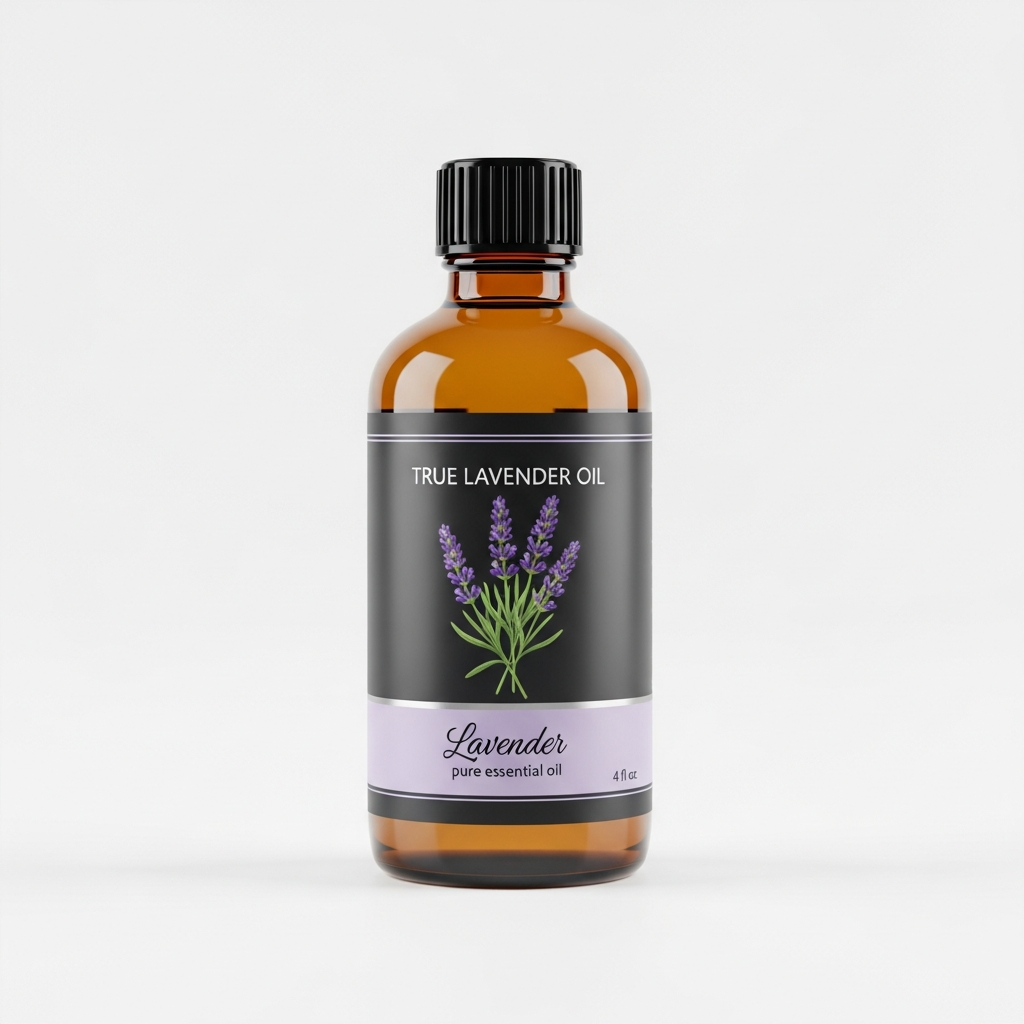
Lavender Essential Oil
Our own Lavender Essential Oil, in sizes from 0.5 oz to bulk.
From $10.99
Shop Now →This deep dive walks through what these molecules are, how researchers have observed them in action, what the quality data tells us, and how to use that knowledge as a more informed buyer. If you have ever wondered why one lavender oil smells sharp and medicinal while another is round and floral, the answer almost always comes back to these two compounds.
A Quick Primer on Lavender Oil Chemistry
Lavender essential oil is not a single molecule. It is a complex mixture of volatile organic compounds, most of them belonging to a class called terpenoids. Gas chromatography-mass spectrometry (GC-MS) analysis of true Lavandula angustifolia oil typically identifies more than 100 distinct compounds, though most are present in trace quantities. The profile that matters most to quality assessors, perfumers, and researchers is dominated by a handful of major players.
The International Organization for Standardization publishes a standard for lavender oil (ISO 3515) that sets acceptable percentage ranges for the key components. Linalool and linalyl acetate together typically represent somewhere between 60 and 80 percent of a high-quality L. angustifolia distillation. Everything else, including beta-ocimene, terpinen-4-ol, camphor, and 1,8-cineole, fills in the remaining fraction. Those minor compounds matter too, but the ratio of linalool to linalyl acetate is often treated as the single most useful indicator of oil character and origin.
For a broader introduction to what lavender oil actually is and where it comes from, the complete beginner's guide to lavender oil covers the foundational context well before you start reading GC-MS certificates.
Linalool: Structure, Origin, and Character
What Linalool Is
Linalool (pronounced lih-NAL-oh-ol) is a naturally occurring monoterpene alcohol with the molecular formula C10H18O. It is found across a remarkable range of plants, including coriander, basil, bergamot, rosewood, and hundreds of flowering species. In lavender, it is biosynthesized inside the oil-producing glandular trichomes on the flower bracts and calyx.
The compound exists in two mirror-image forms, called enantiomers: (R)-linalool and (S)-linalool, sometimes labeled as d-linalool and l-linalool respectively. Lavandula angustifolia produces predominantly the (R)-enantiomer. This matters because enantiomers can smell quite different despite being chemically identical in composition. Synthetic linalool added to diluted or adulterated oils often carries a different enantiomeric ratio, which is one of the ways a skilled analyst or perfumer can detect a problem.
What Linalool Contributes to the Scent
Linalool is largely responsible for lavender's soft, powdery-floral character. It carries a certain sweetness without being cloying, and it rounds out sharper notes. Perfumers sometimes describe it as having a slightly woody undertone beneath the flowers. In isolation, linalool smells pleasant but incomplete. It is the foundation on which linalyl acetate builds.
For a fuller exploration of how these compounds work together in the nose, the article on what lavender oil smells like breaks down the full scent profile from top notes to dry-down.
Typical Percentages in Quality Oil
The ISO 3515 standard for Lavandula angustifolia sets a linalool range of approximately 25 to 38 percent, though some high-altitude French and Bulgarian varieties can reach slightly above that. Oils with linalool percentages well outside this window deserve closer scrutiny. Very low linalool can suggest adulteration with lavandin (Lavandula x intermedia) oil, which has a higher camphor content and a harsher profile. Very high linalool sometimes indicates the addition of isolated synthetic linalool to boost apparent quality.
Linalyl Acetate: The Ester That Adds Brightness
What Linalyl Acetate Is
Linalyl acetate is the acetate ester of linalool. In chemical terms, it forms when linalool reacts with acetic acid inside the plant's metabolic pathways, replacing a hydroxyl group with an acetate group. The molecular formula is C12H20O2. This structural shift profoundly changes the odor profile. Where linalool is soft and powdery, linalyl acetate introduces a brighter, fruity-herbal quality, sometimes described as having a fresh pear or bergamot-like facet.
Like linalool, linalyl acetate exists as enantiomers. Genuine L. angustifolia oil contains the naturally predominant form, and chiral analysis can reveal whether the ester present in a sample is plant-derived or synthetically sourced.
How Linalyl Acetate Shapes the Overall Profile
The interplay between linalool and linalyl acetate is what creates the classic lavender balance. A high linalyl acetate percentage tends to produce an oil that reads as more refined and floral, with a cleaner top note. This is why Haute-Provence lavender, often grown above 800 meters, commands premium prices: the cooler temperatures and longer growing season push linalyl acetate percentages higher, sometimes reaching 45 to 50 percent or more in exceptional harvests.
Lower-elevation or faster-matured plants tend to convert less linalool to linalyl acetate, producing an earthier, grassier oil. Neither profile is inherently inferior; they simply suit different purposes. A soap maker may prefer a robust, earthy oil, while someone using lavender in a personal care ritual might reach for the more delicate high-altitude expression.
Linalyl Acetate and the Linalool-to-Ester Ratio
Quality assessors often look at the ratio of linalyl acetate to linalool as a combined figure. Together, these two compounds in a genuine L. angustifolia oil frequently sum to between 60 and 80 percent. When that combined figure drops well below 60 percent, it often means significant amounts of other compounds, such as camphor or 1,8-cineole, have taken their place. Camphor above roughly 1 percent is one signal that lavandin has been introduced, since true L. angustifolia produces very little camphor under normal growing conditions.
Research Observations on Linalool and Linalyl Acetate
It is worth being precise about what science currently says and does not say about these compounds. Research in this area is active and genuinely interesting, but much of it is preliminary, conducted in laboratory or small-scale settings. The findings below are observations from the published literature, not established clinical conclusions.
Nervous System Research
Several studies have examined how linalool interacts with receptor systems in the central nervous system. Some in vitro and animal-model research suggests linalool may modulate GABA-A receptor activity, a mechanism that researchers note is relevant to the compound's observed calming properties in experimental settings. A 2002 study published in Phytomedicine (Elisabetsky et al.) observed sedative-like effects of linalool in rodent models. More recent work, including a 2021 review in Biomolecules, surveyed multiple studies and noted that linalool in lavender inhalation research has been associated with changes in autonomic nervous system markers, such as heart rate variability and cortisol levels, in small human cohorts.
These are research observations in controlled settings. They are not evidence that inhaling linalool from a bottle of lavender oil will produce any specific physiological effect in any individual. Many factors influence these outcomes, including concentration, duration of exposure, individual physiology, and the full chemical context of the oil.
Skin Research
Linalool and linalyl acetate have both been studied in the context of skin absorption and dermal tolerance. Some research suggests linalool may be absorbed through intact skin and reach systemic circulation in measurable quantities at typical topical dilution rates. This finding underscores the importance of proper dilution, discussed further in the safety section below.
Linalyl acetate, as an ester, hydrolyzes relatively quickly when it contacts skin, reverting in part to linalool. Some researchers have proposed this slow-release mechanism as relevant to the ester's perceived skin-calming properties in topical applications, though this remains an area of ongoing investigation rather than settled science.
Oxidation and Stability
One of the more practically useful findings in lavender chemistry research concerns oxidation. Both linalool and linalyl acetate oxidize when exposed to air, light, and heat. Oxidized linalool in particular has been identified as a common contact sensitizer. A landmark series of studies by Sköld et al. (2008, published in Contact Dermatitis) demonstrated that oxidized linalool was significantly more likely to cause sensitization reactions than fresh linalool in patch-test subjects. This is not a theoretical concern. It is one of the strongest evidence-based arguments for proper oil storage and timely use.
Safety Profile and Contraindications
Linalool and linalyl acetate are both classified as generally recognized safe (GRAS) by the US Food and Drug Administration for their intended use as flavoring agents. The Research Institute for Fragrance Materials (RIFM) and the International Fragrance Association (IFRA) have assessed both compounds extensively. At appropriate concentrations, they are well tolerated by most people. However, several important safety considerations apply to their use in essential oil form.
Dilution
Undiluted lavender oil applied directly to skin is not automatically safe simply because lavender is a familiar plant. The concentration of linalool and linalyl acetate in pure essential oil is many times higher than what the skin encounters in a diluted blend. Standard dilution guidance from IFRA and aromatherapy professional organizations recommends a maximum of 1 to 2 percent dilution for leave-on skin products in adults, and lower concentrations for children and people with sensitive skin. Always dilute in a suitable carrier oil before any topical use.
Patch Testing
Before applying any lavender oil blend to a larger skin area, perform a patch test. Apply a small amount of your diluted blend to the inside of your forearm, cover loosely, and observe for 24 hours. Redness, itching, or swelling are signals to discontinue use and consult a healthcare provider. Even oils that have been used without incident previously can cause reactions if the oil has oxidized or if skin sensitivity has changed.
Oxidized Oil
As noted above, research strongly links oxidized linalool to sensitization. Signs that an oil may be oxidized include a sharp, slightly metallic or harsh smell that differs from the oil's original character, and a change in viscosity or color. Store lavender oil in dark glass, away from heat, with the cap tightly sealed. Refrigeration extends shelf life. Most quality suppliers recommend using L. angustifolia oil within two to three years of distillation for optimal freshness.
Specific Populations
Pregnant people, nursing individuals, young children, and anyone with a complex health profile should consult a qualified healthcare provider before using lavender essential oil, whether aromatically or topically. The research on safety in these populations is limited, and a professional familiar with your specific circumstances is the right resource for personalized guidance.
Drug Interactions
Because some research suggests linalool may interact with central nervous system receptor pathways, it is reasonable to discuss lavender oil use with your healthcare provider if you take any medications that affect those same pathways. This is a precautionary note, not a restriction, and your provider is the appropriate person to assess relevance to your situation.
Sourcing and Quality Indicators
Understanding lavender oil chemistry gives you real tools to evaluate what you are buying. Here is what to look for.
GC-MS Testing
A gas chromatography-mass spectrometry report is the clearest window into an oil's actual chemical composition. Reputable suppliers provide these reports, either on request or proactively for each batch. When reviewing a GC-MS report for Lavandula angustifolia oil, look for:
- Linalool in the approximate range of 25 to 38 percent (some high-altitude oils may sit slightly higher)
- Linalyl acetate in the approximate range of 25 to 45 percent, with premium high-altitude oils often at the upper end
- Camphor below 1 percent (above this level can suggest lavandin blending)
- 1,8-Cineole below approximately 2.5 percent
- The correct (R)-enantiomer predominance for linalool, if chiral analysis is included
The ISO 3515 standard is the accepted international benchmark. A supplier who references this standard and backs it up with batch-specific documentation is signaling genuine commitment to quality.
Botanical Species Declaration
The label should clearly state Lavandula angustifolia as the botanical source, not simply "lavender oil". Lavandin (Lavandula x intermedia) and spike lavender (Lavandula latifolia) are commercially common and less costly, but they have significantly different chemical profiles, particularly higher camphor content. They are not interchangeable with true L. angustifolia for applications that depend on the linalool-linalyl acetate balance.
Country and Region of Origin
Origin affects chemistry. High-altitude Provencal lavender from regions like the Plateau de Valensole or the fields above Digne-les-Bains in France, along with Bulgarian lavender from areas like Kazanlak, consistently produce oils with the linalool-linalyl acetate ratios that define the classic L. angustifolia profile. Oils from lower altitudes or faster-growing commercial operations often show lower linalyl acetate percentages and less nuanced scent complexity.
Understanding how the plant goes from field to bottle is directly relevant to appreciating why these chemical differences exist. The guide to how lavender oil is made covers the distillation variables that directly influence the final compound ratios in your bottle.
Harvest and Distillation Timing
Linalyl acetate content peaks when lavender is harvested at or near full bloom, before the flowers begin to fade. Early harvests tend to produce higher linalool with less acetate conversion. Delayed harvests after peak bloom see ester content decline. Distillation parameters also matter: shorter distillation times at lower pressures tend to preserve the more volatile ester fractions better than aggressive, fast processing.
Putting the Chemistry to Practical Use
Knowing what linalool and linalyl acetate are makes it easier to use lavender oil more intentionally, both in evaluating quality and in designing routines around it.
When you are selecting an oil for an evening wind-down diffuser blend, a high linalyl acetate oil from high-altitude L. angustifolia brings that refined, clean floral note that makes the atmosphere feel genuinely calming rather than sharp or medicinal. For a topical use in a personal care blend, you want to verify that the oil is fresh, properly stored, and batch-tested, because the oxidation research on linalool makes oil age and storage genuinely important to safety, not just quality.
For inspiration on practical ways to incorporate lavender oil into daily life, the 25 everyday ideas for home and skin article pairs well with this chemistry context. Understanding what is in the bottle changes how you approach everything from diffuser ratios to body oil dilutions.
The Takeaway on Lavender Oil Chemistry
Linalool and linalyl acetate are not just abstract chemical names on a GC-MS report. They are the reason genuine Lavandula angustifolia oil is distinct from its cheaper lookalikes, the reason altitude and harvest timing affect the price of premium oil, and the reason researchers keep returning to lavender as a subject of study. Getting familiar with these two compounds is, practically speaking, the single most useful step toward becoming a more informed lavender oil buyer.
Ask for the GC-MS report. Check the botanical name. Store your oil properly and use it within its freshness window. The chemistry rewards attention, and in this case, attention is also the best quality assurance you have.