
What Does Lavender Oil Smell Like? A Full Scent Profile
Ask ten people to describe the lavender fragrance and you will likely get ten slightly different answers. Floral. Herbal. Fresh. Powdery. Even a little medicinal. Every answer is correct, and that diversity is exactly what makes true lavender oil so fascinating to explore. The question of what does lavender smell like turns out to have a genuinely complex answer rooted in chemistry, geography, and the delicate alchemy of steam distillation.
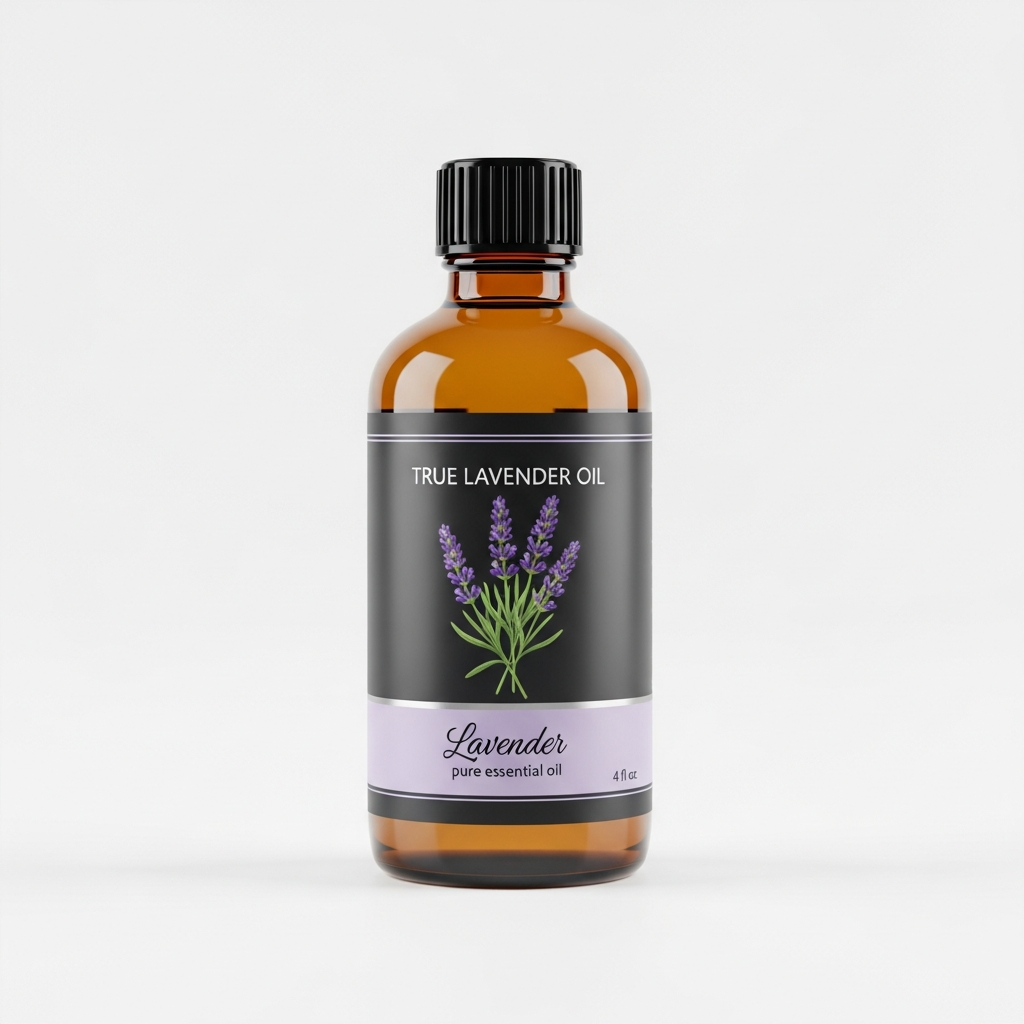
Lavender Essential Oil
Our own Lavender Essential Oil, in sizes from 0.5 oz to bulk.
From $10.99
Shop Now →This deep-dive unpacks the lavender scent profile from the molecular level up, so you can recognize quality when you find it and understand why two bottles labeled "lavender" can smell remarkably different from each other.
True Lavender vs. the Lavender Family
Before exploring the scent itself, it helps to know which plant we are discussing. The lavender scent profile described in this article belongs specifically to Lavandula angustifolia, sometimes called true lavender or fine lavender. This is the narrow-leafed species that grows at higher altitudes in Provence, Bulgaria, and the English highlands.
Other members of the lavender family smell noticeably different:
- Lavandin (Lavandula x intermedia): A hybrid of true lavender and spike lavender. Sharper, more camphor-forward, with a harsher top note. Widely used in cleaning products and lower-cost cosmetics.
- Spike lavender (Lavandula latifolia): Strongly camphoraceous, almost eucalyptus-like. Very little of the soft floral quality associated with fine lavender.
- Spanish lavender (Lavandula stoechas): Distinctly piney and resinous, almost rosemary-adjacent.
If you want to understand the classic lavender fragrance notes, the species to study is L. angustifolia. Everything else is a cousin with a different personality. For a broader introduction to the plant and the oil, our complete beginner's guide to lavender oil is a good starting point.
The Chemistry Behind the Scent
Aroma is chemistry made perceptible. The lavender scent profile we experience is produced by dozens of volatile organic compounds, each contributing its own character. Research into lavender essential oil chemistry has identified well over 100 individual constituents, though a small handful account for most of the recognizable fragrance.
Linalool
Linalool is typically the dominant compound in high-quality L. angustifolia oil, often making up between 25 and 45 percent of the total composition. It carries the sweet, slightly woody, floral heart of lavender. Linalool is a monoterpene alcohol, and its soft, clean character is a large part of why lavender is so widely used in perfumery and personal care formulations.
Some research suggests linalool interacts with olfactory receptors in ways that may support a sense of calm during evening wind-down routines, though researchers note this is an active area of study and findings remain preliminary.
Linalyl Acetate
This ester is the second major player, often present at 25 to 45 percent in well-grown fine lavender. Linalyl acetate is what gives lavender its characteristic fruity, almost lavendery-sweet lift. Think of it as the compound responsible for the "perfume-y" quality that distinguishes lavender from blunter herbal oils. Higher linalyl acetate percentages generally signal a more delicate, refined fragrance.
Together, linalool and linalyl acetate form the backbone of the lavender scent profile. A combined percentage below roughly 60 percent often indicates adulteration, low-altitude growing conditions, or a different species entirely.
Ocimene and Terpinen-4-ol
Ocimene contributes a light, herbal, slightly sweet note. It is present in smaller quantities but adds brightness and complexity. Terpinen-4-ol brings a faint earthiness and is the same compound responsible for much of tea tree oil's distinctive smell. In lavender it stays in the background, rounding out the profile without dominating it.
1,8-Cineole (Eucalyptol)
This is where things get interesting. Small amounts of 1,8-cineole, below about 1 to 2 percent, contribute a clean, slightly cool edge that keeps lavender from smelling cloying. Higher amounts, which are more common in lavandin and spike lavender, push the scent toward the sharp, camphor-like territory that most people associate with cleaning products rather than relaxation.
When you smell a lavender oil and notice a pronounced coolness or harshness, elevated cineole is usually the explanation. It is one of the clearest chemical markers separating true lavender from its relatives.
Camphor
Like cineole, camphor appears in trace amounts in genuine fine lavender, typically under 1 percent. Lavandin, by contrast, can carry camphor levels of 6 to 10 percent. That camphor presence is not subtle. It creates the sharp, slightly medicinal edge that many people notice in mass-market lavender products. If your lavender smells intensely sharp or reminiscent of a muscle rub, camphor is the likely culprit, and lavandin is the likely source.
How the Scent Profile Breaks Down by Note
Perfumers describe fragrances in terms of top notes, heart notes, and base notes, and lavender is a useful fragrance to examine through that lens.
| Note Layer | Character | Key Compounds | How Long It Lasts |
|---|---|---|---|
| Top note | Fresh, green, slightly herbal | Ocimene, trace cineole | First 10 to 15 minutes |
| Heart note | Sweet, floral, lightly fruity | Linalool, linalyl acetate | 15 minutes to an hour |
| Base note | Soft, powdery, warm earthy | Terpinen-4-ol, coumarin traces | Lingers beyond an hour |
The transition from top to heart to base is one of the pleasures of smelling a high-quality lavender oil on skin or a scent strip. Cheaper or adulterated oils often feel flat because the full arc of lavender fragrance notes has been disrupted by synthetic additions or blending shortcuts.
How Origin Shapes the Smell
Two bottles of 100 percent L. angustifolia oil can smell noticeably different depending on where and how the lavender was grown. Terroir, the concept more often applied to wine, is genuinely relevant here.
Altitude
High-altitude lavender, grown above roughly 800 meters, tends to produce oil with a higher linalyl acetate content and a more refined, floral character. Lower-altitude cultivation often yields higher linalool relative to linalyl acetate, and the scent can be less complex. Traditional Provençal quality standards have long specified altitude as a key factor, and the designation "Lavande de Haute-Provence" carries specific geographic requirements for this reason.
Harvest Timing
Lavender harvested just as the flowers reach full bloom tends to produce oil with the most balanced fragrance profile. Early harvests skew toward greener, more herbaceous notes. Late harvests can result in heavier, less nuanced oil. The relationship between harvest timing and final scent is one reason why understanding how essential oil gets made matters. Our article on how lavender oil is made, from field harvest through steam distillation, covers this process in detail.
Distillation Conditions
Steam distillation at lower pressures and temperatures tends to preserve the more delicate esters, including linalyl acetate. High-pressure or overly prolonged distillation can break down those esters, flattening the final oil's complexity. A fresh-distilled, properly processed lavender should have a bright, lively top note that you notice immediately when you open the bottle.
Recognizing Adulteration by Smell
Lavender oil is one of the most frequently adulterated essential oils on the market. The most common form of adulteration involves blending genuine L. angustifolia oil with the much cheaper lavandin oil, then adjusting the ratio of linalool and linalyl acetate with synthetic isolates to meet expected chemical specifications.
Your nose can sometimes catch what a basic chemical test misses. Adulterated lavender often smells:
- Sharper and more one-dimensional than genuine fine lavender
- Slightly harsh at first opening, with a camphor-forward bite
- Less nuanced as it dries down, lacking that soft powdery base note
- Synthetic-adjacent, a hard quality to describe but noticeable once you have smelled authentic oil
The best protection against adulteration is sourcing from producers who provide full GC/MS (gas chromatography/mass spectrometry) reports for each batch. These reports show the complete chemical fingerprint of the oil, making it impossible to hide significant lavandin blending or synthetic additions.
Safety Profile and Contraindications
True lavender oil has a well-established safety record when used appropriately, but a few important considerations apply.
Dilution
Lavender essential oil should always be diluted before applying to skin. The general guideline from the International Fragrance Association and aromatherapy professional bodies is a maximum of 2 percent for most leave-on skin applications, which works out to roughly 12 drops of essential oil per 30 mL (one ounce) of carrier oil. Undiluted application can cause sensitization over time, even with an oil as gentle as fine lavender.
Always perform a patch test before broader application: apply a small diluted amount to the inner forearm and wait 24 hours. For more detailed guidance on safe use, including information about use around children and pets, our article on lavender oil safety basics covers these topics thoroughly.
Pregnancy and Nursing
Pregnant and nursing individuals should consult a qualified healthcare provider before using lavender essential oil, either topically or aromatically, as research on safety during these stages remains limited.
Young Children
Lavender is among the oils considered lower-risk for older children when properly diluted, but it should be used with caution around infants and young children. Lower dilution rates apply. A qualified healthcare provider or certified aromatherapist can offer guidance specific to a child's age and situation.
Oxidation
As lavender oil ages and oxidizes, its chemical composition shifts. Linalool can convert to oxidized forms that are more likely to cause skin sensitization. This is a practical reason to store lavender oil correctly and use it within its recommended shelf life. Our guide on how to store lavender oil and maximize freshness explains the specifics of proper storage.
What Authentic Lavender Smells Like: A Sensory Summary
Describing fragrance in words is always an approximation, but here is a grounded attempt. Genuine high-altitude L. angustifolia essential oil opens with a clean, slightly green freshness that settles quickly into a sweet, floral heart with a gentle fruity undertone. That heart is soft rather than sharp. There is warmth to it without heaviness. The dry-down becomes powdery and slightly earthy, with a quiet sweetness that lingers.
It does not smell like a cleaning product. It does not smell like a synthetic air freshener. It smells like standing next to a flowering lavender hedge on a warm afternoon at elevation, which, given where it comes from, makes complete sense.
That sensory impression is the product of those interlocking compounds working together: linalool's soft florality, linalyl acetate's fruity sweetness, ocimene's green lift, and the earthy foundation of terpinen-4-ol. Remove or distort any one of them and the profile shifts. That is why the chemistry matters. Understanding what you are smelling helps you recognize the real thing.