How to Store Lavender Oil: Shelf Life, Bottles, and Freshness Tips
You spent time finding a genuinely good lavender oil. Maybe you traced it back to a specific farm, or you paid a little more for true Lavandula angustifolia instead of a blended substitute. The last thing you want is to open that bottle six months later and find it smells flat, sharp, or faintly like old paint. Proper storage is the difference between an oil that lasts beautifully and one that oxidizes long before its time.
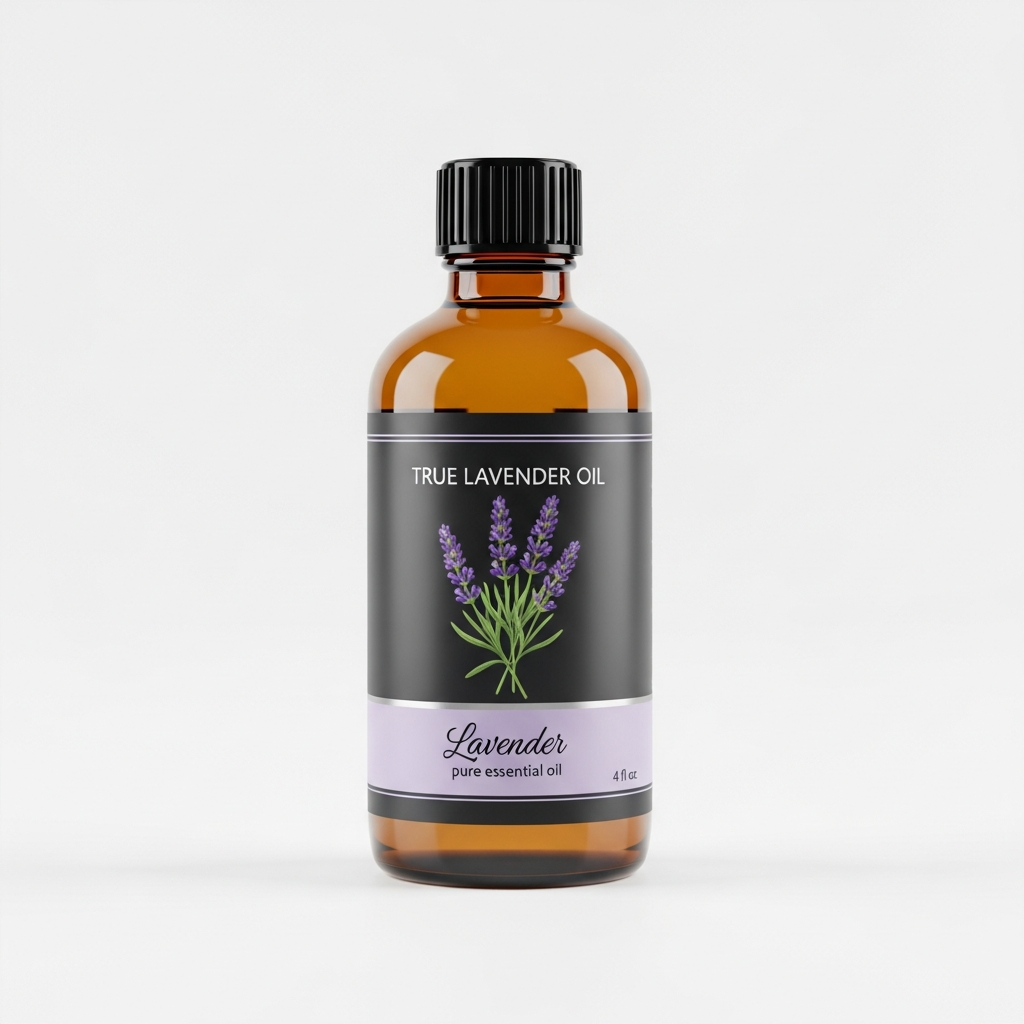
Lavender Essential Oil
Our own Lavender Essential Oil, in sizes from 0.5 oz to bulk.
From $10.99
Shop Now →This guide covers everything: lavender oil shelf life, the best bottles and storage conditions, and the small habits that keep your oil smelling exactly as it should. If you are just getting started with lavender oil, you may also want to read our complete beginner's guide to lavender oil before diving in here.
Does Lavender Oil Expire? Understanding Shelf Life
Let's start with the question most people search first: does lavender oil expire?
The short answer is yes, though not in the way that food spoils. Essential oils do not grow mold or become rotten. What happens instead is oxidation. Over time, exposure to oxygen, light, and heat causes the chemical compounds in the oil to break down and rearrange. The linalool and linalyl acetate that give true Lavandula angustifolia its soft, floral character begin to degrade. The scent shifts. The oil may become harsher, more chemical, or simply dull.
Lavender oil shelf life, when stored correctly, is generally two to four years from the date of distillation. Some high-quality oils from reputable producers will maintain their character closer to the four-year mark. Poorly stored oil can begin to degrade within a year.
A few important distinctions:
- Distillation date vs. purchase date: The clock starts at distillation, not when you buy it. A bottle that sat in a warehouse for a year before reaching you has already used some of that window. Look for producers who print the harvest or distillation year on the label.
- Partially used bottles oxidize faster: Every time you open the bottle, a little oxygen enters. A half-empty bottle has more air inside and will oxidize more quickly than a full one.
- Carrier oils behave differently: If your lavender oil is already diluted in a carrier like jojoba or sweet almond, the shelf life is governed largely by the carrier oil, which is often shorter than the essential oil itself.
What You Will Need
Good storage does not require a lot of equipment. Here is what makes a real difference:
- Dark glass bottles (amber or cobalt blue, 5 ml to 30 ml depending on your usage)
- A cool, dry storage location away from direct light
- A small label and pen or label maker (for tracking your opening date)
- Optional: a dedicated essential oil storage box or small refrigerator
- Optional: smaller transfer bottles for decanting your main supply
Notice that plastic is not on this list. Essential oils, including lavender, can degrade certain plastics over time and may absorb compounds from the container itself. Always use glass.
Step-by-Step: How to Store Lavender Oil Properly
Step 1: Choose the Right Bottle
If your oil came in a clear glass bottle, transfer it. Clear glass offers almost no protection against UV light, which accelerates oxidation. Amber glass is the gold standard because it blocks the majority of UV radiation. Cobalt blue also works well, though amber is slightly more protective across the full UV spectrum.
The bottle size matters too. Storing a small amount of oil in a large bottle leaves excess air space above the oil. Try to use bottles that match your oil volume reasonably well. If you buy in larger quantities, decant into several smaller bottles so you only expose one at a time to repeated opening.
Step 2: Use a Tight-Fitting Cap or Reducer Insert
Oxygen is the main enemy. A dropper cap with a tight seal is ideal because it also controls how much oil you dispense, reducing spills and over-pouring. European dropper inserts (the small plastic insert inside many essential oil bottle caps) are designed to let out one drop at a time. They help limit both air exposure and waste.
If your bottle came with a loose screw cap and no insert, consider purchasing replacement reducer inserts. They are inexpensive and fit standard essential oil bottle sizes.
Step 3: Find the Right Location
Heat and light are the other two major degradation factors. The ideal storage spot is:
- Cool: consistently below 65°F (18°C) is ideal. Room temperature is acceptable for most climates, but avoid spots near stoves, radiators, or sunny windowsills.
- Dark: a cabinet, drawer, or dedicated storage box. Not a bathroom shelf where sunlight and humidity fluctuate throughout the day.
- Dry: humidity will not penetrate a sealed glass bottle, but it can corrode metal caps and make labels fall off, which matters for tracking.
A small, dedicated wooden box or essential oil organizer kept inside a cabinet is a practical solution for most households. If you live somewhere with very warm summers, a small wine refrigerator set to a moderate cool temperature is genuinely useful for long-term storage.
Step 4: Label with the Opening Date
This is the step people most often skip, and they almost always regret it. Write the date you first opened the bottle directly on the label or on a small sticker. This tells you exactly how long the oil has been exposed to air. Combined with the distillation year (if your producer includes it), you have a clear picture of where you are in that two-to-four year window.
Step 5: Handle with Clean, Dry Hands
Moisture and contaminants introduced into the bottle during use will degrade the oil faster. Make sure your hands are dry before handling the bottle. Never pour the oil back into the original bottle after it has touched another surface. Dropper inserts help here because the oil flows out without requiring you to pour.
Step 6: Store Your Backup Supply Separately
If you buy lavender oil in a larger quantity (say, a 2-ounce or 4-ounce bottle), pour a small working amount into a 5 ml or 10 ml bottle for daily use. Keep the main supply sealed. This limits how many times the bulk bottle is opened and significantly extends the useful life of your full supply.
Tips and Common Mistakes to Avoid
Mistake: Storing Oil in the Bathroom
Bathrooms seem convenient, but they are actually one of the worst places for essential oils. Temperature swings every time a hot shower runs, humidity is high, and many bathrooms get direct light through a window. Move your oils to a bedroom drawer or kitchen cabinet instead.
Mistake: Leaving the Cap Off During Use
It is easy to unscrew the cap, use the oil, and then get distracted for a few minutes before recapping. Even a short period of open-air exposure adds up over many uses. Make a habit of capping immediately after each use.
Mistake: Judging Freshness Only by Smell
Oxidized oil can still smell like lavender. The scent shifts subtly rather than disappearing entirely. Some people describe aged lavender oil as sharper, more camphoraceous, or slightly sour at the edges. If you have a reference point (a freshly opened bottle, for example) you will notice the difference. Without that, oxidation can creep up unnoticed.
Tip: Keep a Small Inventory
If you use lavender oil regularly in diffusing, skin care, or home routines, write down what you have and when you opened it. A simple note on your phone or a small card inside your storage box works fine. This also helps you avoid buying more than you can realistically use within the oil's best window.
Tip: Refrigeration for Long-Term Storage
For oils you plan to store for a year or more before opening, refrigeration genuinely helps. Keep them in a sealed container inside the fridge to prevent any absorption of food odors. Let the bottle come to room temperature before opening so you avoid any condensation forming inside.
How to Tell If Your Lavender Oil Has Oxidized
Even with good storage, oils eventually change. Here are signs your lavender oil may be past its prime:
- The scent is sharp, harsh, or has a slightly chemical edge that was not there before
- The color has shifted from pale yellow to noticeably darker
- The oil feels thicker or more viscous than it used to (rare in lavender, but possible in very old oil)
- You open the bottle and notice an almost medicinal or camphor-forward note where floral softness once led
Oxidized oil is best retired from skin use. Some people continue using it in a diffuser at low intensity, though the aroma profile will not be the same. For topical use, please see our lavender oil safety basics guide for guidance on patch testing and when to exercise caution.
A Note on Quality and Where Storage Starts
Storage matters most when you are starting with a genuinely good oil. An oil that was already adulterated, diluted, or poorly distilled will not benefit much from careful storage because the foundation was compromised before it reached you. True Lavandula angustifolia, sourced from reputable producers who share their distillation dates and GC/MS test results, gives you the best starting point.
If you are curious about the history behind lavender cultivation and distillation, our article on the history of lavender from Roman baths to modern production offers some context on how deeply these practices run. And if you have ever wondered whether lavender oil belongs in your kitchen as well as your cabinet, the answer is nuanced. Our guide on cooking with lavender: culinary buds versus essential oil explains the important differences.
Quick Reference: Storage Checklist
| Factor | Best Practice | What to Avoid |
|---|---|---|
| Bottle type | Dark amber or cobalt glass | Clear glass, plastic |
| Cap | Tight dropper cap or reducer insert | Loose-fitting screw caps |
| Temperature | Cool and consistent, ideally below 65°F | Near heat sources or in direct sun |
| Light exposure | Dark cabinet, drawer, or storage box | Windowsills, open shelves |
| Air exposure | Recap immediately after every use | Leaving cap off, large air space in bottle |
| Tracking | Label with distillation year and opening date | Unlabeled bottles stored indefinitely |
| Bulk storage | Decant into smaller working bottles | Opening the full supply repeatedly |
Final Thoughts on Keeping Your Oil at Its Best
Storing lavender oil well is not complicated. It takes a good dark bottle, a cool and stable location, and the small discipline of capping carefully and labeling what you open. Those habits cost almost nothing and they protect an investment you made in genuine quality.
The people who get the most from their lavender oil are not necessarily those who buy the most. They are the ones who buy thoughtfully and store well, using each bottle within a reasonable window while it is still at its aromatic peak. A two-year-old bottle stored carefully will outperform a six-month-old bottle that spent its life on a sunny bathroom shelf.
Start with honest oil. Store it with a little care. You will notice the difference every time you open the bottle.