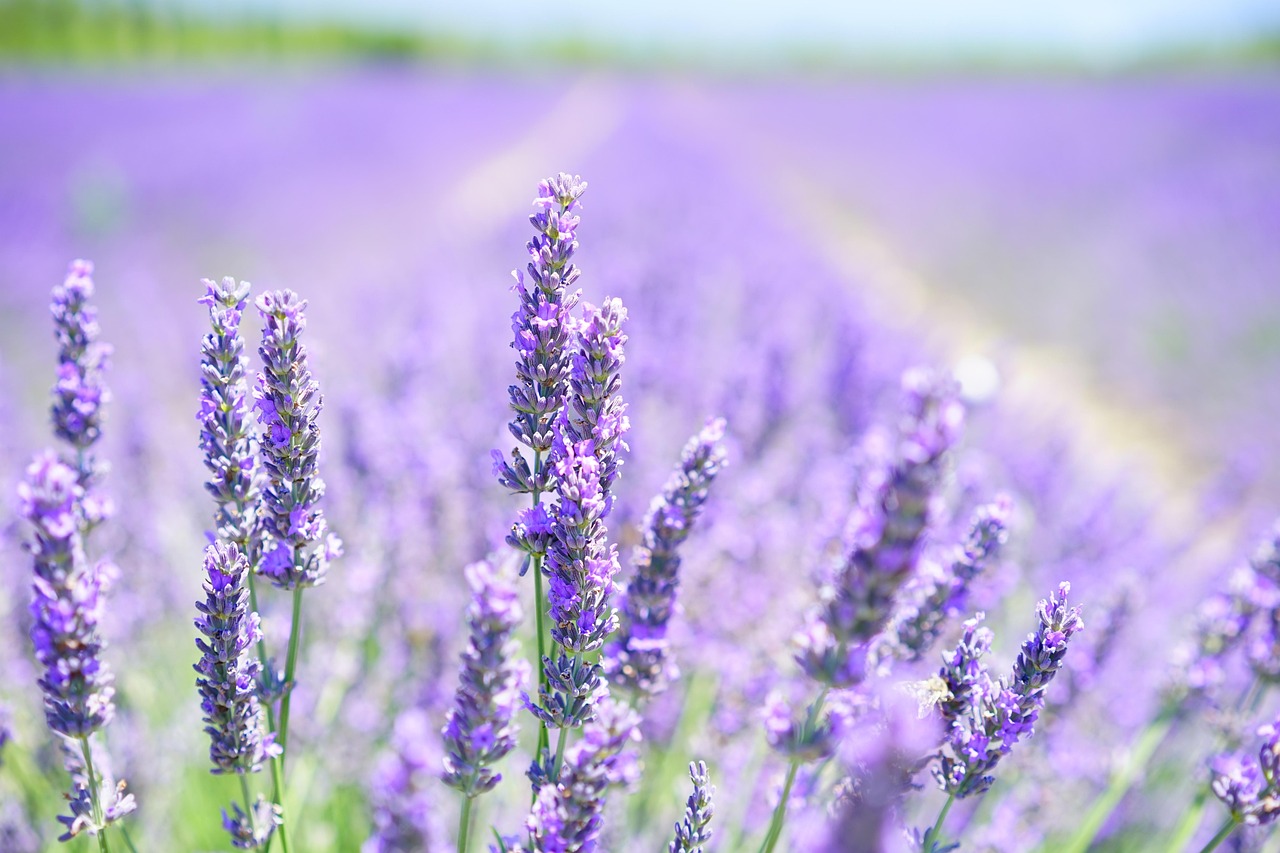
DIY Lavender Sugar Scrub: A Simple Three-Ingredient Spa Recipe
Some of the best self-care rituals are also the simplest. This lavender sugar scrub recipe comes together in about ten minutes, uses ingredients you likely already have at home, and leaves skin feeling soft and lightly scented. It also makes a genuinely lovely handmade gift, wrapped in a small glass jar with a ribbon.
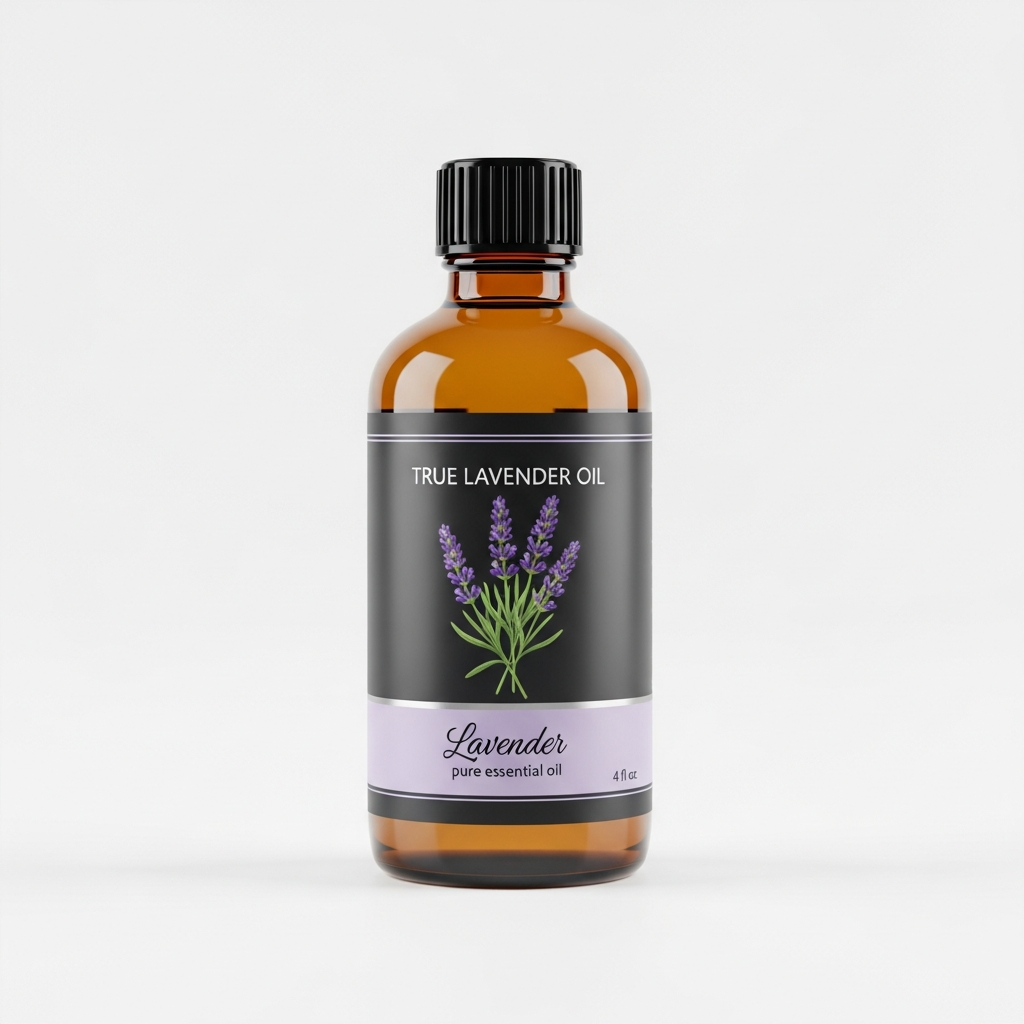
Lavender Essential Oil
Our own Lavender Essential Oil, in sizes from 0.5 oz to bulk.
From $10.99
Shop Now →At its core, a good diy body scrub needs three things: an exfoliant, a carrier oil, and a scent. That's it. Sugar does the gentle buffing work, a nourishing oil binds everything together and conditions the skin, and true Lavandula angustifolia essential oil brings that unmistakable floral calm to the whole ritual.
This guide walks you through every step, including safety considerations that are genuinely worth reading before you start.
Before You Begin: A Note on Ingredients
The quality of your lavender essential oil matters more in a scrub than you might expect. Because you're applying it directly to skin (diluted in a carrier oil), a pure Lavandula angustifolia oil with no synthetic additives or extenders is the right choice. Many budget oils are cut with lavandin (Lavandula x intermedia), which has a sharper, more camphor-forward scent and a different chemical profile. True lavender is softer and more nuanced, and it's what this lavender spa recipe is built around.
If you'd like to go deeper on sourcing and what to look for on a certificate of analysis, the Lavender DIY and Blending Hub: The Complete Guide is a good starting point.
Recipe at a Glance
- Difficulty: Beginner-friendly
- Prep time: 10 minutes
- Yield: Approximately 8 ounces (one standard half-pint mason jar)
- Shelf life: 4 to 6 weeks at room temperature; up to 3 months if refrigerated
Ingredients
| Ingredient | Amount | Notes |
|---|---|---|
| White granulated sugar | 1 cup (approximately 200 g) | Fine-grain dissolves more gently; raw sugar adds a rustic texture |
| Fractionated coconut oil | 4 tablespoons (60 ml) | Stays liquid at room temperature; absorbs quickly; long shelf life |
| Lavender essential oil (Lavandula angustifolia) | 12 drops | This yields approximately a 1% dilution, suitable for most adults |
That's the complete three-ingredient base. The variations section below shows how to build on this foundation once you're comfortable with the core recipe.
Step-by-Step Instructions
- Gather your equipment. You'll need a clean glass or stainless-steel mixing bowl, a spoon or silicone spatula, a dropper or pipette for the essential oil, and a sterilized glass jar with a tight-fitting lid. Avoid plastic containers for long-term storage, as essential oils can degrade certain plastics over time.
- Measure the sugar. Add one cup of fine white granulated sugar to your mixing bowl. If you're using raw or turbinado sugar, the scrub will feel more textured and slightly gritty, which some people prefer for elbows and feet.
- Add the carrier oil. Pour four tablespoons of fractionated coconut oil directly over the sugar. Stir gently to combine. The mixture should look like wet sand: clumping together but not soupy. If it feels too dry, add oil half a tablespoon at a time. If it feels too wet, add a small amount of sugar to balance.
- Add the lavender essential oil. Drop 12 drops of Lavandula angustifolia essential oil into the mixture. Stir thoroughly to distribute the oil evenly throughout the scrub. Take a moment to enjoy the scent as it rises from the bowl.
- Transfer to your jar. Spoon the finished scrub into your sterilized glass jar and press it down lightly to remove air pockets. Wipe the rim clean, then seal with the lid.
- Label your jar. Write the date and ingredients on a small label. This is especially helpful if you're making several batches or giving jars as gifts.
How to Use Your Lavender Sugar Scrub
Use the scrub in the shower or bath on damp skin. Scoop out a small amount with clean fingers or a wooden spatula (never dip wet hands directly into the jar, as water introduces bacteria). Massage gently in circular motions over the body, focusing on rough patches like knees, elbows, and heels. Rinse thoroughly, then pat skin dry. The residual oil means you may not need a separate moisturizer afterward.
Most people find two to three uses per week feels luxurious without over-exfoliating.
Safety Warnings: Please Read Before Use
Essential oil safety is not complicated, but it does require attention. Here is what you need to know before using this diy body scrub.
Dilution Ratio
This recipe is formulated at approximately 1% dilution (12 drops of essential oil in roughly 60 ml of carrier oil). A 1% dilution is widely considered appropriate for most adults using a product over a large area of the body. The Tisserand Institute recommends staying at or below 1% for full-body leave-on products. Because this is a rinse-off scrub, a 1% rate is conservative and appropriate.
Do not increase the essential oil amount without understanding how to calculate safe dilution rates. More drops do not mean a better result.
Patch Testing
Before using any new diy body scrub on a large area, perform a patch test. Apply a small amount of the finished scrub to the inside of your wrist or elbow. Leave it for 24 hours and watch for any redness, itching, or irritation. If you notice any reaction, discontinue use and consult a healthcare provider.
Contraindications and Special Cautions
- Pregnancy and nursing: If you are pregnant or nursing, consult your healthcare provider before using any product containing essential oils.
- Young children: This recipe is formulated for adults. Essential oils require different dilution rates for children. Always consult a qualified healthcare provider before using essential oil products on children.
- Broken or irritated skin: Do not use a sugar scrub on sunburned, broken, or otherwise compromised skin. Sugar scrubs are for intact skin only.
- Known sensitivities: Lavender essential oil is generally well-tolerated, but individual sensitivities vary. If you have a known reaction to any botanical ingredient, check with your healthcare provider before proceeding.
- Slippery surfaces: Carrier oils make shower floors slippery. Use a non-slip mat and rinse the tub or shower floor thoroughly after use.
Important: This product is not intended to diagnose, assess, or address any health condition. Always consult a qualified healthcare provider with any health-related questions.
Storage Instructions and Shelf Life
Fractionated coconut oil is chosen for this recipe partly because of its excellent stability. Unlike virgin coconut oil or sweet almond oil, it resists going rancid at room temperature for several months.
- Room temperature: Store in a cool, dry spot away from direct sunlight. Shelf life is approximately 4 to 6 weeks.
- Refrigerated: If your bathroom runs warm or humid, keeping the jar in the refrigerator extends shelf life to around 3 months. The scrub will feel cool and firm when you first scoop it, which some people find pleasant in warmer months.
- Water contamination: The single biggest enemy of homemade sugar scrubs is water. Always use a dry utensil to scoop from the jar. If water gets into the jar, the shelf life drops significantly and mold can develop. Discard immediately if you notice any change in smell, color, or texture.
Variations and Substitutions
Once you have the base recipe down, it's easy to customize. Here are some well-tested directions to explore.
Carrier Oil Substitutions
Fractionated coconut oil works beautifully, but it's not your only option.
- Sweet almond oil: A popular choice for body scrubs. It's lightweight and absorbs well, though it has a shorter shelf life (around 3 months).
- Jojoba oil: Technically a liquid wax, jojoba has an exceptionally long shelf life and a very neutral scent. It's a good choice for those with sensitive skin.
- Grapeseed oil: Lighter in texture, with a slightly nutty scent. Note the shorter shelf life of around 3 to 6 months.
Sugar Substitutions
- Raw or turbinado sugar: Coarser texture, good for rough areas of the body. Not recommended for facial use.
- Cane sugar: Very similar to white granulated. Works as a direct swap.
- Brown sugar: Finer and softer than white sugar. Some people prefer it for a gentler experience. It also adds a subtle warm, molasses-like scent to the base.
Scent Variations and Blending Ideas
Lavender pairs especially well with several other essential oils. You can keep the total drop count at 12 (maintaining your 1% dilution) and split it between two oils.
- Lavender and lemon: Bright and fresh. Use 8 drops lavender and 4 drops lemon. Note that citrus oils can increase photosensitivity; avoid sun exposure on treated skin for several hours after use.
- Lavender and eucalyptus: Cool and invigorating. Use 8 drops lavender and 4 drops eucalyptus.
- Lavender and rose: A soft, floral blend. Use 8 drops lavender and 4 drops rose absolute (diluted) or rose geranium.
For more ideas on combining lavender with other oils, the 10 Lavender Oil Blends and Pairing Ideas for Every Room article is full of inspiration, even if it's focused on diffusing rather than skin applications.
Add-Ins (Optional)
- Dried lavender buds: Add one teaspoon of food-grade dried lavender buds for visual appeal and a subtle floral note. Note that the buds can clog drains if used frequently; use sparingly.
- Vitamin E oil: A few drops of vitamin E oil (tocopherol) can help extend shelf life and is generally considered skin-supportive. Add 5 to 10 drops alongside the essential oil.
- Fine sea salt: Replace half the sugar with fine sea salt for a different texture. Salt scrubs feel slightly more intense and are best used on the body rather than the face.
Gifting and Packaging Tips
This lavender spa recipe is one of the most crowd-pleasing homemade gifts you can put together. A 4-ounce half-pint mason jar, tied with a sprig of dried lavender and a simple kraft-paper tag, looks genuinely thoughtful. If you're making a larger gift set, consider pairing the scrub with a handmade lavender candle. The DIY Lavender Candles: A Step-by-Step Soy Wax Tutorial walks through that project at the same approachable level.
For those interested in extending the lavender theme even further, Homemade Lavender Soap: Cold Process and Melt-and-Pour covers the next logical step in a handmade lavender bath collection.
A Few Final Thoughts on the Recipe
The appeal of this lavender sugar scrub recipe is its honesty. Three real ingredients, clear proportions, and no guesswork. You know exactly what's going on your skin because you measured it yourself.
The ritual of making something by hand, especially something scented with true Lavandula angustifolia, adds its own kind of quiet satisfaction. Set aside ten minutes, open that bottle of lavender oil, and let the process be part of the experience.