Lavender Oil for Bug Bites? What to Use Instead
It is a warm evening, there is an itchy ankle, and a bottle of lavender oil is within reach. Two separate jobs are tangled up here: keeping bugs from biting in the first place, and easing a bite once it has happened. Lavender oil is a fragrance we sell, not a repellent or a bite remedy, and the better answers for both jobs are well documented elsewhere.
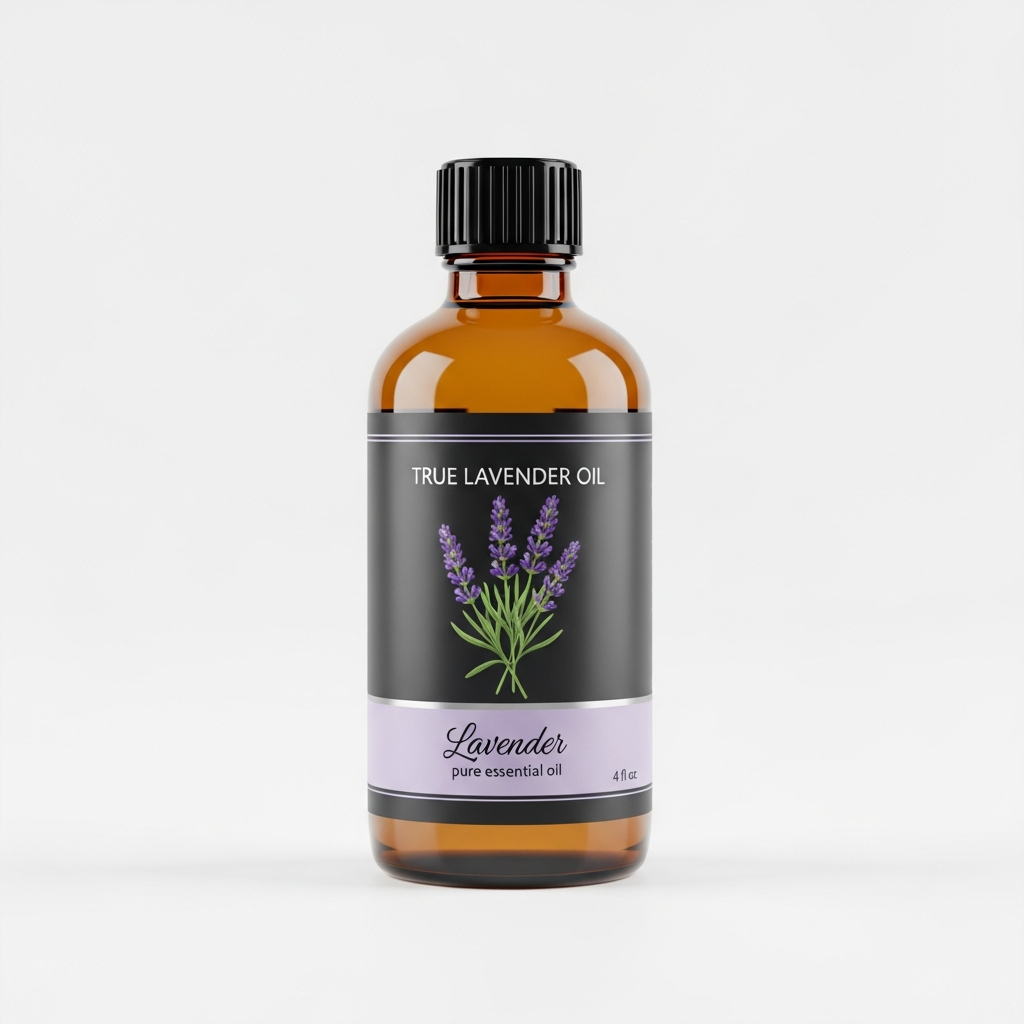
Lavender Essential Oil
Our own Lavender Essential Oil, in sizes from 0.5 oz to bulk.
From $12.99
Shop Now →Keeping bites away
The EPA's advice is to look for an EPA registration number on a repellent label. That number means the company gave the agency technical information on how well the product works, and the EPA notes that the CDC recommends products registered with it. That is a sturdy test, and you can check it on the bottle in seconds. The EPA also reminds readers that how long any repellent lasts varies with perspiration, water exposure, air temperature and even how attractive you are to mosquitoes and ticks, so reapplying according to the label matters.
A 2024 review of repellents against the mosquito that spreads dengue describes DEET, picaridin, IR3535 and PMD as the common synthetic options. Among natural oils, it names citronella, lemon eucalyptus and clove as having proven effective, though they evaporate quickly, so the protection is short-lived (Noguera-Gahona et al., 2024). Lavender is not among the oils it names. We do not sell repellents and we make no pest claim for our oils, so wherever a bite could carry disease, a pharmacist or travel clinic can point you to the right registered product.
Nuisance or something more?
Most bites are small, itchy and gone in a few days, and the NHS says so. It also points out that bites from some insects can bring illness, such as Lyme disease from ticks and malaria from mosquitoes in certain parts of the world. That difference is why the registered-repellent advice matters most when you are hiking, travelling or spending time in tick country, and why it is worth asking a pharmacist or travel clinic about it before a trip. For a tick bite, the NHS says to see a GP if you have flu-like symptoms or a round or oval rash that may look like a bullseye.
After the bite
For the itch itself, the NHS suggests washing the area, holding a cold, wrapped ice pack or damp cloth on it for at least 20 minutes, and using antihistamines for itching or hydrocortisone cream to reduce itching and swelling. It says not to scratch, because the bite could get infected, and not to use home remedies such as bicarbonate of soda. Essential oils do not appear in its advice.
It is easy to see why. A scratched, inflamed bite is no place for a new fragrance. Lavender oil has a record of contact allergy in patch-test clinics, where 2.2% of 2,178 patients tested with lavender reacted (Bingham et al., 2019), and a rash from the oil on a bite would simply look like a worse bite. Our approach is to keep it off broken skin. The NHS says to see a pharmacist if the area is hot, red, painful or swollen or if there is pus, and to see a GP about bites in a child under 1 year old. Our page on lavender oil around children explains why we keep our oils away from little ones.
A short summer checklist
Before an evening outdoors, it is worth packing a few ordinary things. Bring a repellent whose label carries a registration number, long sleeves or light trousers for the hour when insects are most active, and a cold pack or damp cloth for the end of the evening. None of it is glamorous, and all of it is easy to pick up at a pharmacy or outdoor shop. That is exactly the kind of plan we would want a friend to have in place before they walk out the door.
If you are travelling somewhere with ticks or mosquito-borne illness, a chat with a pharmacist or travel clinic before the trip is time well spent, and it is the one piece of this list we would not skip.
Small comforts for a summer evening
An itchy ankle is annoying, and it is natural to want to reach for something that smells nice to take your mind off it. A cool cloth, a chair in a breezy spot and a glass of something cold do more for an evening than any scent, and they are always within reach. Save the lavender for the moment afterwards, when the evening is over and you are tucking the linens away.
Where lavender does belong in summer
Scent. A linen spray, a sachet or a fragrant drawer all make perfect sense on a long evening outdoors, and our summer lavender ideas are all about that. If you plan to put any lavender on your skin, dilute it first and patch test, as our spot-test guide explains. We sell four lavender-family oils, true lavender (angustifolia), lavandin grosso, spike lavender and a trade grade called 40/42, and no bite products or sprays.
The lavender, meanwhile, can sit in a sachet near the door or on a linen spray for the guest bed, doing the one thing we are happy to say it does: smell lovely.
So bring the lavender for the picnic basket, and bring a registered repellent for the bugs.
Lavender Essential Oil
Lavender Essential Oil from our own shop, in sizes from 0.5 oz to bulk.
From $12.99
Shop Now →Sources & Further Reading
- US EPA. Using Insect Repellents Safely and Effectively. epa.gov
- Noguera-Gahona et al., 2024. Repellents against Aedes aegypti bites: synthetic and natural origins. Front Insect Sci, Europe PMC
- NHS. Insect bites and stings. nhs.uk
- Bingham et al., 2019. Contact allergy and allergic contact dermatitis caused by lavender: A retrospective study from an Australian clinic. Contact Dermatitis, Europe PMC