Lavender Oil on Eczema-Prone Skin: Why We Say Skip It
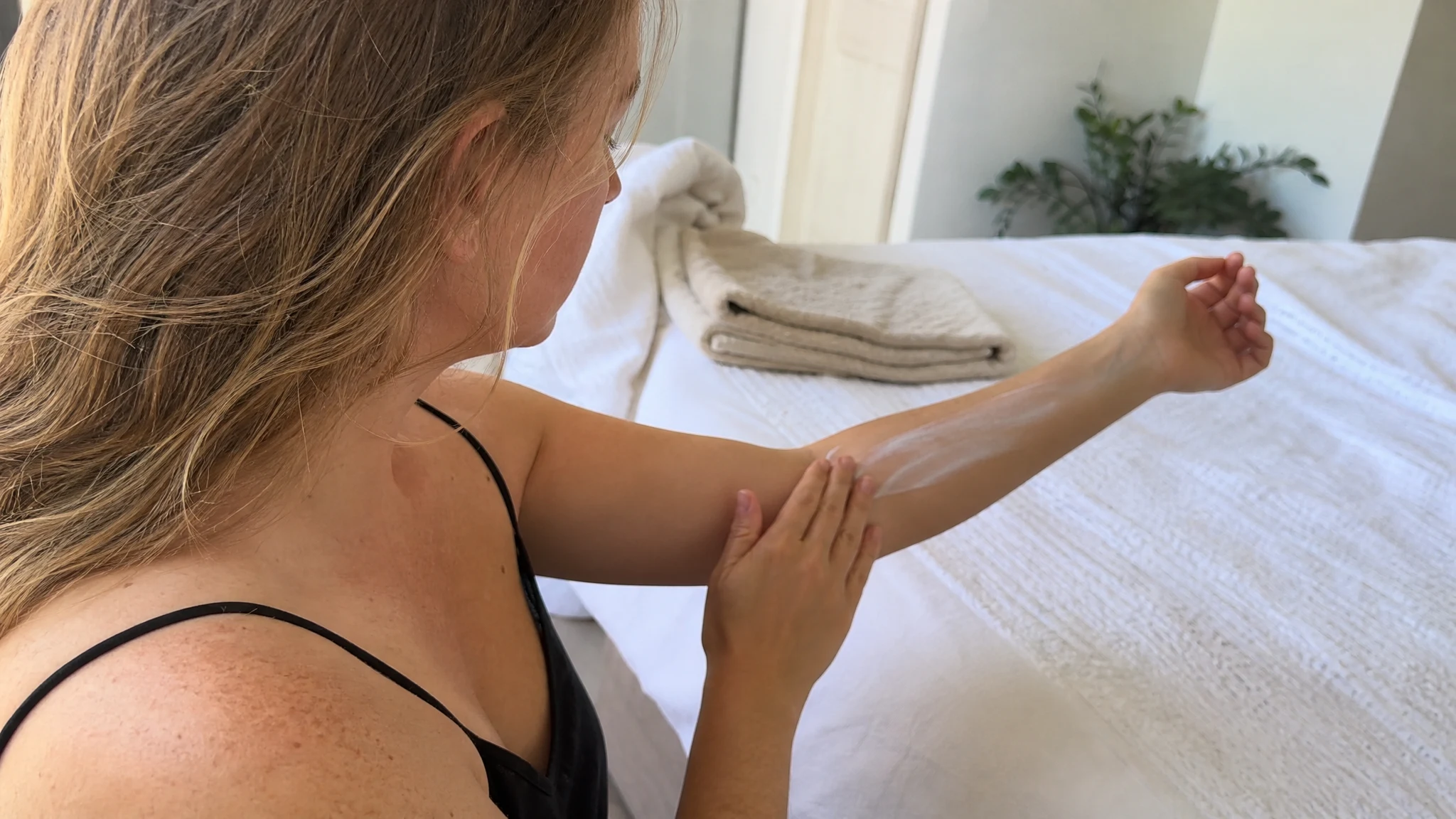
Eczema-prone skin keeps a short list of things it would rather not meet, and the National Eczema Association puts fragrance on that list. Lavender oil is a fragrance material, so for anyone managing eczema, the question is less about whether lavender is plant-derived and more about how reactive skin copes with scented products. Our view, which we will explain, is to leave it off eczema skin unless a dermatologist says otherwise.
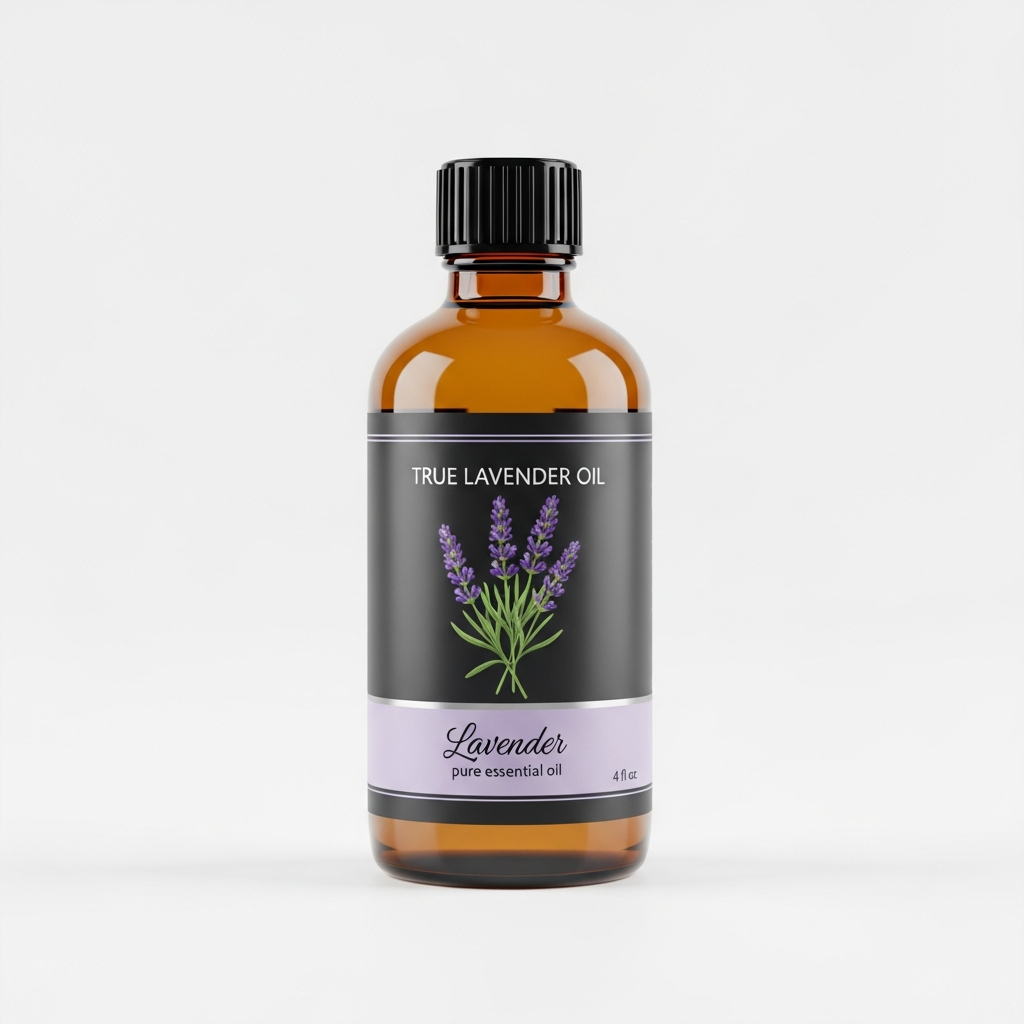
Lavender Essential Oil
Our own Lavender Essential Oil, in sizes from 0.5 oz to bulk.
From $12.99
Shop Now →What eczema organizations say about fragrance
The National Eczema Association lists fragrance, meaning perfumes and other scented products, among common eczema triggers, and notes that triggers differ from person to person. It also says you cannot work out which type of eczema you have on your own and recommends a healthcare provider, such as a dermatologist or allergist, for diagnosis.
The NHS advice for atopic eczema is wonderfully down to earth: avoid things that make it worse such as soap and washing detergent, moisturize with an emollient at least twice a day, and skip aqueous cream because it can irritate. Essential oils do not appear in it. It asks for an urgent GP appointment or a call to NHS 111 if the skin is blistered, crusty, leaking fluid, painful, swollen or warm, if it suddenly gets worse, or if you have a high temperature, because those can point to infection. If treatments are not helping, it says to see a GP.
Why lavender needs a cautious reading
Lavender's allergy record comes from patch-test clinics. In an Australian series, 2.2% of 2,178 patients tested with lavender reacted, and the authors called lavender an uncommon cause of allergic contact dermatitis that is still worth bearing in mind given how many personal care products and essential oils contain it (Bingham et al., 2019). Those patients had been referred for skin problems, which makes them a closer match to a reader with eczema than to the general public.
Freshness plays a part as well. When lavender oil was left exposed to air, its main components oxidised at the same rate as the isolated compounds, producing allergenic hydroperoxides, and the air-exposed oil was more sensitising in mice (Hagvall et al., 2008). That is why we say to cap the bottle tightly and keep it cool and dark.
Here is some reasoning, labelled as such. Skin with a weakened barrier lets substances in more easily, so a fragrance allergen has an easier route in. And a reaction to a scent on top of eczema looks very much like a flare, so it can be mistaken for the eczema itself and left in place. We know of no trial that asked how lavender oil behaves on eczema skin, and that is part of why we advise caution.
Keeping the scent in the room, not on the skin
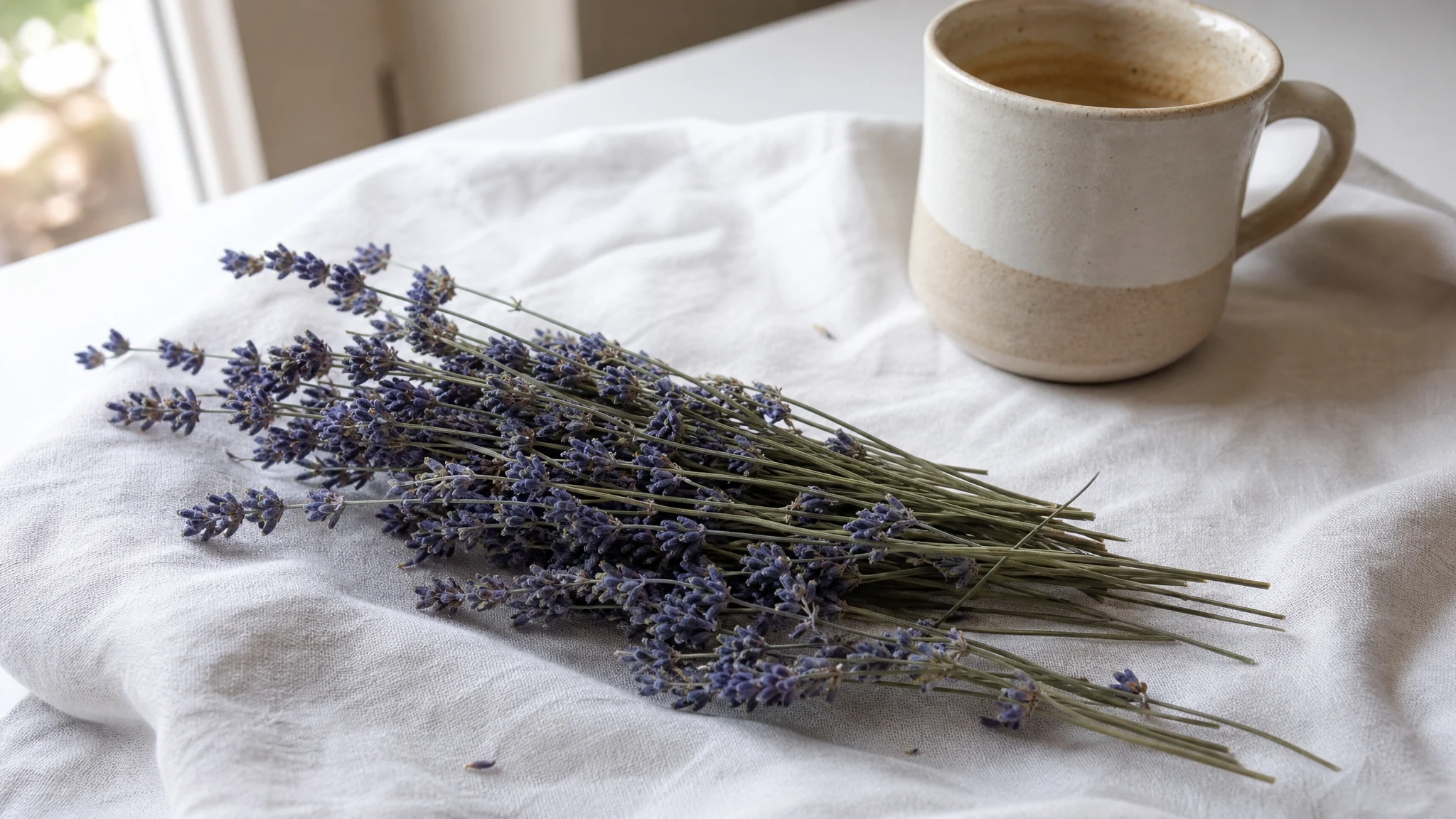
None of this means giving up lavender altogether. For many households the sensible compromise is to enjoy the scent where the skin is not involved. A capped bottle in a cabinet can be opened and smelled by an adult, linen can sit in a drawer scented by a sachet from a craft shop, and a fresh bunch of dried lavender on a shelf gives you the colour and the fragrance with no oil anywhere near a person. It is worth asking whoever has the eczema how they feel about a scented room too, since they are the one who will notice first.
Bringing the right things to an appointment
If you do see a dermatologist or allergist, bring the bottle, or a photo of the label with the oil name and the Latin name, along with a short list of the other scented products in the home: soaps, washing powders, creams, candles and diffused scents. A clear list saves time in a short appointment and gives the clinician something to work with. If you need to know which species of lavender you own, our oils are labelled by name, and the contact page is the place to ask us in writing if you need more detail about a particular oil.
Listening to the person with the skin
Whatever the research says, the best guide is the person living in the skin. If a scent seems to bother them, we would believe them and put the bottle away without debate. Fragrance is a pleasure, not an obligation.
Our position
If you or your child has eczema or dermatitis, we recommend not applying lavender oil, ours or anyone's, to affected skin without asking a dermatologist or allergist first. If a professional does suggest trying it on unaffected skin, our dilution guidance is 0.5% to 2% in a carrier. We start at 0.5% (about 3 drops per ounce of carrier, using a rough 20 drops to the milliliter), patch test first, and stay at the low end. Lavender oils vary by species, and we do not treat one figure as a ceiling for all four of ours. Our spot-test guide shows how to patch test, and on eczema skin the specialist is the person to say whether to test at all.
The FDA decides whether a product is a cosmetic or a drug by its intended use, and a disease claim turns a cosmetic into a drug. We sell fragrance oils for external use, and nothing here suggests ours are for eczema. For children specifically, see our page on lavender oil around children, and for general skin use our skin guide. We sell four lavender-family oils and no creams or emollients, so those come from a pharmacy.
The best lavender moment for sensitive skin may simply be a room that smells like it, with the bottle staying where it belongs.
Lavender Essential Oil
Lavender Essential Oil from our own shop, in sizes from 0.5 oz to bulk.
From $12.99
Shop Now →Sources & Further Reading
- National Eczema Association. Eczema (contact dermatitis): Symptoms, causes, types & treatment. nationaleczema.org
- NHS. Atopic eczema. nhs.uk
- Bingham et al., 2019. Contact allergy and allergic contact dermatitis caused by lavender: A retrospective study from an Australian clinic. Contact Dermatitis, Europe PMC
- Hagvall et al., 2008. Lavender oil lacks natural protection against autoxidation, forming strong contact allergens on air exposure. Contact Dermatitis, Europe PMC
- FDA. Is It a Cosmetic, a Drug, or Both? (Or Is It Soap?). fda.gov