Lavender Oil for Anxiety? Capsule vs Bottle Explained
When people say lavender is good for anxiety, they might mean three different things: the scent of an oil in the air, an oil on the skin, or a branded oral capsule made from lavender oil. The strongest trials belong to the capsule, which is a medicine-style product. A bottle of essential oil is something else entirely, and it helps to know which one a headline is talking about.
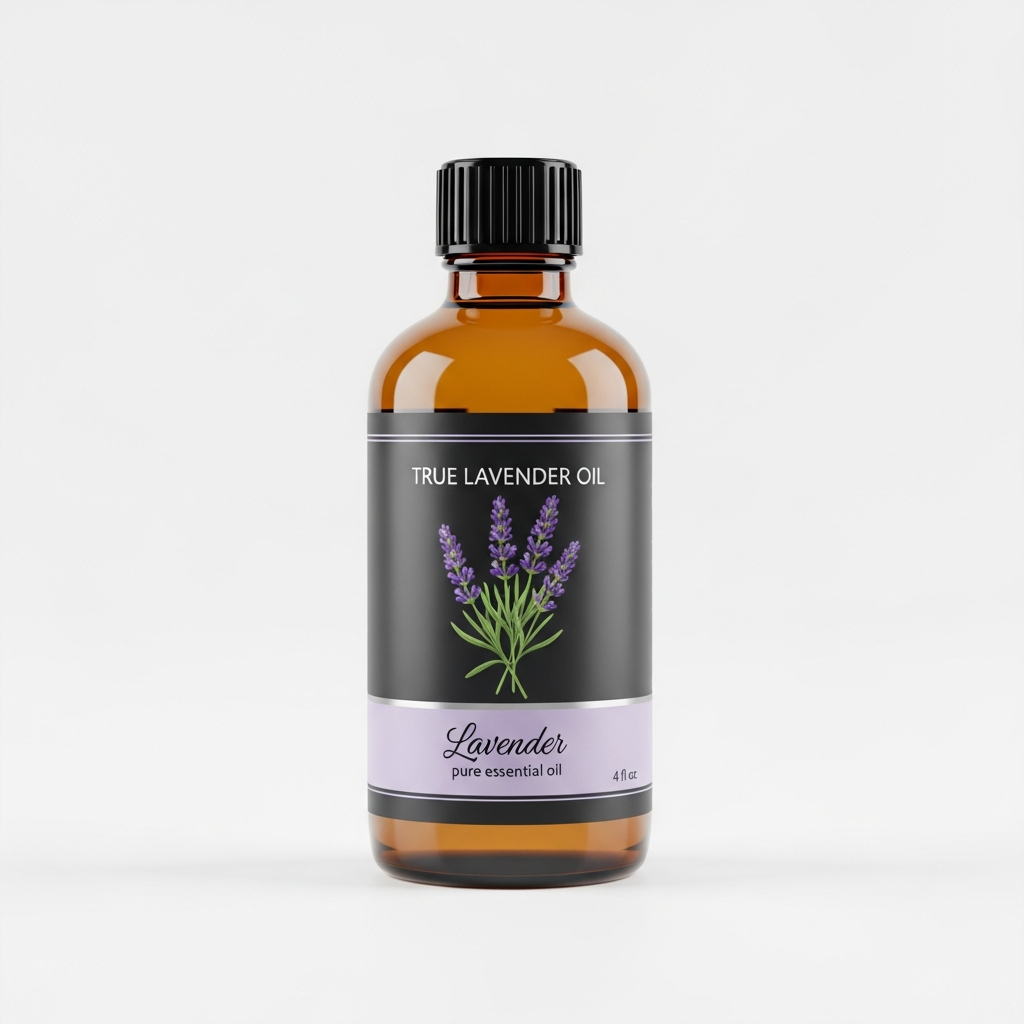
Lavender Essential Oil
Our own Lavender Essential Oil, in sizes from 0.5 oz to bulk.
From $12.99
Shop Now →The capsule is not the bottle
Silexan is an oral lavender oil preparation studied in adults diagnosed with anxiety disorders. In one 10-week, double-blind trial of 539 adults with generalized anxiety disorder, both the 160 mg and 80 mg daily doses did better than placebo on a standard anxiety scale (Kasper et al., 2014). Look at the placebo group, though: its scores also dropped by 9.5 points, against 12.8 for the 80 mg dose. That is a typical pattern in anxiety trials and the reason a placebo arm matters.
The takeaway for a shopper is that a swallowed, standardized capsule tested in people with a diagnosis tells you nothing about a neat essential oil on your shelf. We do not sell capsules, and the oils we sell are for external, aromatic use. If you want to see where that capsule sits, our Silexan explainer goes into it.
Smelling lavender
The inhalation studies are a different story. A systematic review gathered 11 trials with 972 participants and noted that 10 of them reported lower anxiety scores after inhaling lavender oil. The authors also said that better-designed studies are needed to confirm the findings (Yoo and Park, 2023).
That honest caveat deserves some weight, and here is our reasoning on why. You cannot hide a lavender smell from the person smelling it. Someone who expects to relax may well report feeling more relaxed, and many of these studies rely on self-reported scores in settings such as waiting rooms. That does not make the experience unreal, but it makes the results hard to interpret. NCCIH's summary lands in the same place: it says it is unclear whether aromatherapy with lavender oil has benefits for anxiety or stress.
Why we stay on the fragrance side
FDA regards claims about easing anxiety or helping you sleep as drug claims, and we are not in that business. What we can say honestly is that lavender has an aroma many people love, and that the four oils we sell, true lavender (angustifolia), lavandin grosso, spike lavender and a trade grade called 40/42, smell different from one another. True lavender is floral and soft. Spike is sharper and camphor-like. If you are choosing for fragrance, our scent profile is a good place to start, and our research map shows what has been studied.
Reading a headline about lavender
Next time you meet a claim about lavender and anxiety, run through three quick questions. Was it a capsule, a diffuser or a skin product? Were the people in the study diagnosed with anything, or were they volunteers in a waiting room? And what did the comparison group receive? Those answers tell you whether the result has anything to do with the bottle on your shelf, and they take about a minute to find. It is a small habit, and it makes the whole subject less confusing.
Scent has its own pleasures
Setting studies aside, the smell of lavender is one of the great everyday pleasures of a small oil shop. The angustifolia opens soft and floral, and the sweeter middle comes through a few minutes after the bottle is opened. The spike is the opposite: bright and green and a little sharp. Neither needs a big claim attached to it. If you like one, that is reason enough to keep a bottle, kept capped and away from small hands.
A few practical notes on scent
NCCIH describes aromatherapy with lavender oil as considered possibly safe, though it may cause headache or coughing in some people, so a lighter hand and a well-ventilated room are sensible. If pets share your home, the ASPCA lists the lavender plant as toxic to dogs and cats, so ask your veterinarian before scenting the air around them. Cats in particular get their own page from us, lavender oil and cats.
Small pleasures, kept in proportion
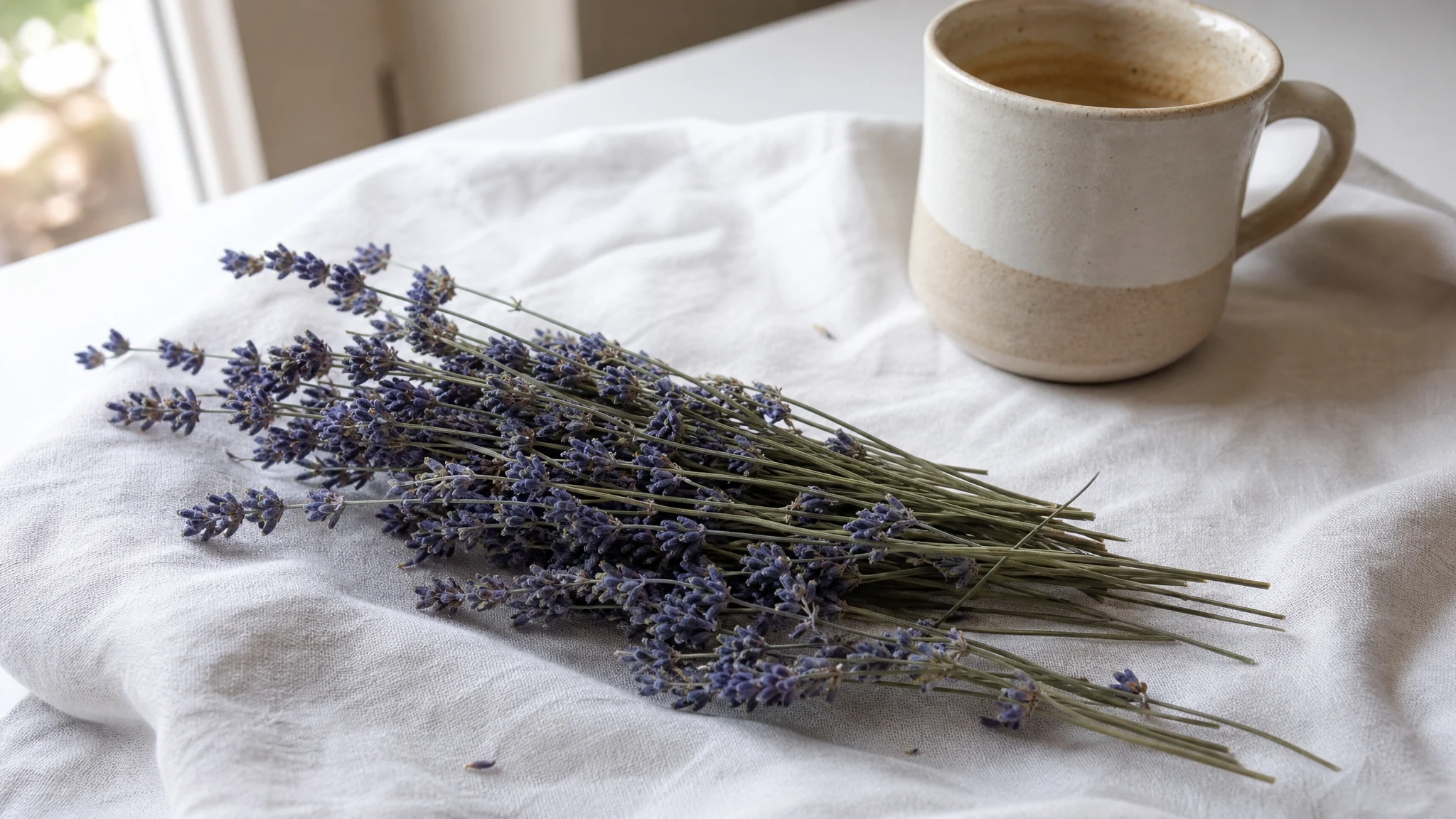
There is nothing wrong with wanting a nice-smelling evening. A fresh bunch of dried lavender on a shelf, a drawer scented by a sachet from a craft shop, or a few minutes with a capped bottle held under your nose all make a room feel looked after. We enjoy those things ourselves and think you should too. We just keep them where they belong, in the category of everyday pleasures rather than anything more serious than that.
When anxiety deserves a professional
If worry is interfering with work, sleep or relationships, a clinician is the right person. The NHS advises seeing a GP if you think you might have generalised anxiety disorder or if treatment is not helping, and adults can refer themselves directly to NHS talking therapies. It describes talking therapy, usually cognitive behavioural therapy, as a main treatment, and a type of antidepressant called an SSRI as the usual medicine. If you take prescribed medicines, ask a pharmacist or doctor before adding any lavender product, because NCCIH notes theoretical interactions with some sedative drugs and herbs.
So if you simply enjoy the scent of lavender in the evening, enjoy it as a scent, and leave the care of anxiety to the clinicians who specialize in it.
Lavender Essential Oil
Lavender Essential Oil from our own shop, in sizes from 0.5 oz to bulk.
From $12.99
Shop Now →Sources & Further Reading
- Kasper et al., 2014. Lavender oil preparation Silexan is effective in generalized anxiety disorder - a randomized, double-blind comparison to placebo and paroxetine. Int J Neuropsychopharmacol, Europe PMC
- Yoo and Park, 2023. Anxiety-Reducing Effects of Lavender Essential Oil Inhalation: A Systematic Review. Healthcare (Basel), Europe PMC
- NCCIH. Lavender. nccih.nih.gov
- FDA. Aromatherapy. fda.gov
- ASPCA. Toxic and Non-toxic Plants: Lavender. aspca.org
- NHS. Generalised anxiety disorder (GAD). nhs.uk