Is Lavender Oil Safe Around Cats? What Vets Advise
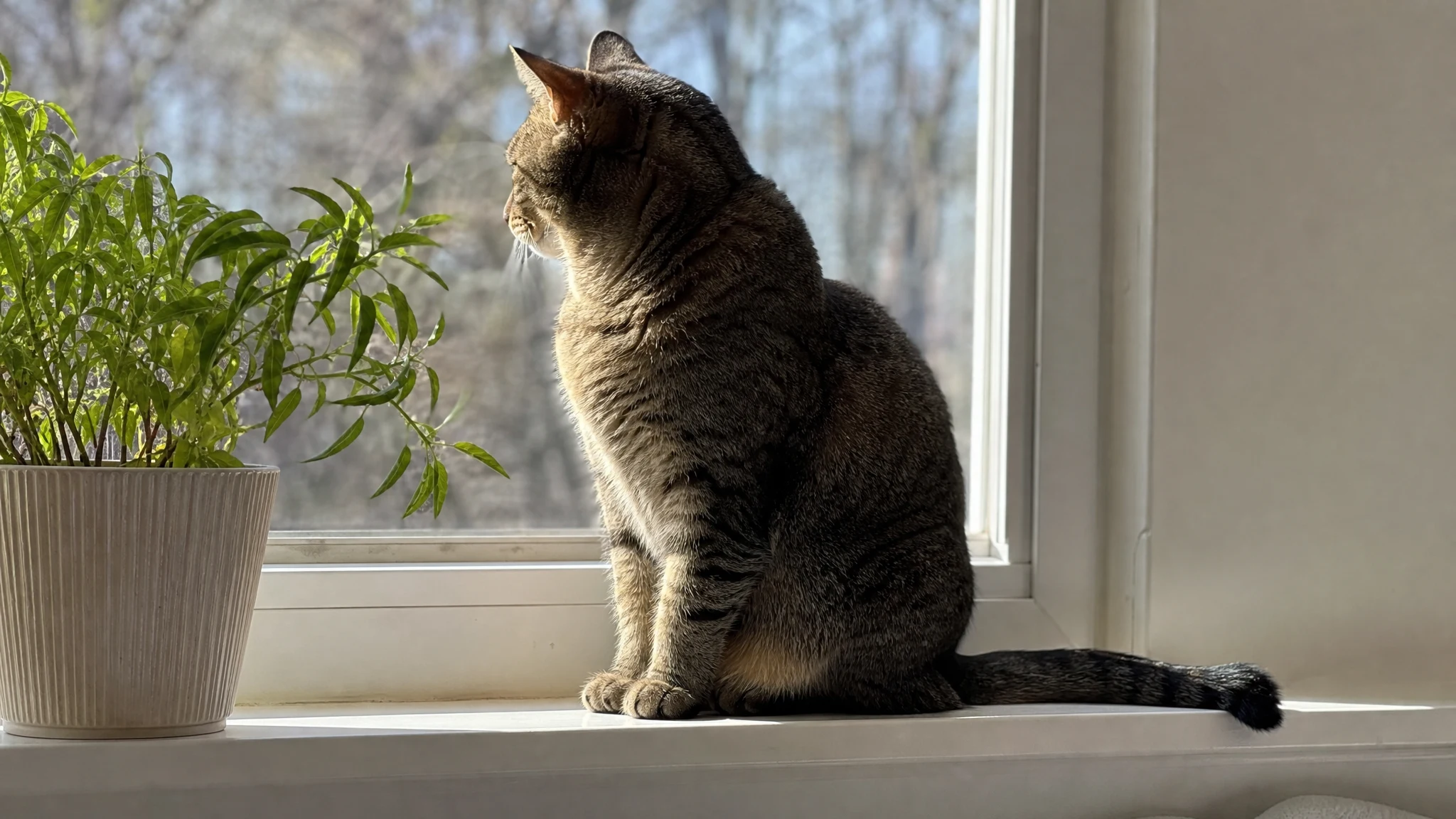
A cat curled up beside a diffuser looks perfectly content, and that picture is exactly why the question comes up so often. Veterinary sources see it differently. They single cats out among household animals for extra caution with essential oils, and the reasons are specific enough to be worth understanding. We sell lavender oil for people, and where a cat lives we would leave the diffuser off.
Lavender Essential Oil
Our own Lavender Essential Oil, in sizes from 0.5 oz to bulk.
From $12.99
Shop Now →A liver that works differently
The Merck Veterinary Manual's review of essential oil toxicoses explains that cats are more sensitive than other pets because they are deficient in an enzyme called glucuronyl transferase. Glucuronidation is one of the routes the liver uses to tag a compound so the body can clear it. Cats make less use of that route, which leaves them very sensitive to phenols and phenolic compounds, some of which turn up in essential oils.
The deeper story is a nice piece of biology. A 2011 study in PLoS One found that the gene for a major phenol-clearing enzyme, UGT1A6, is a non-working copy in every cat species studied, a change the authors date to somewhere between 35 and 11 million years ago. They link it to a diet of almost pure meat, where plant toxins rarely came up. That paper is about phenolic drugs such as acetaminophen and aspirin rather than lavender, so the step to lavender is our reasoning and not a finding. The ASPCA does list linalool and linalyl acetate, two of lavender's main components, as the toxic principles in its lavender plant entry, so the concern is not far-fetched. Whether this particular enzyme is what limits a cat's handling of linalool has not been shown, and we hold it as a plausible explanation rather than an established one.
Grooming turns air into a meal
Merck also notes that a cat's natural grooming places it at additional risk from both skin and oral exposure. That is the practical point for diffusers. Droplets and vapor settle on surfaces and fur, and a cat that licks its coat or its paws is swallowing whatever landed there. Reasoning from those two facts, a diffuser can end up being an oral exposure even though nobody applied oil to the animal.
The ASPCA's Animal Poison Control Center says cats are especially sensitive to essential oils, with effects such as gastrointestinal upset, central nervous system depression and even liver damage possible if ingested in significant quantities and concentrations, and that inhaling the oils could lead to aspiration pneumonia. It adds that toxicity varies among specific oils, so it would not recommend using any essential oils in areas where pets have access, unless the pets are supervised or the use is approved by your veterinarian. The Pet Poison Helpline likewise says essential oil toxicosis can affect all species, but cats and birds are at the greatest risk.
Two honest notes keep this in proportion. Merck names tea tree as the oil most often reported to poison pets and does not single out lavender, so lavender is not the headline offender. And "toxicity varies among oils" cuts both ways: a missing name on a list is not a clearance, and nobody can responsibly tell you how many drops are fine.
What we suggest in a home with a cat
- Never put concentrated essential oil on a cat. Merck says concentrated oils should never be applied directly to pets.
- If you diffuse at all, follow Merck's guidance for pet owners: keep pets out of the room while the diffuser runs, ventilate afterward and run it only for short periods. A cat that can walk out of a room is in a different position from one shut inside.
- Keep bottles capped and out of reach, and wipe up spills promptly, since a spill on a floor is a cat's next grooming session.
- For a kitten, a senior cat or one with liver or kidney disease, ask your veterinarian before any essential oil enters the house.
Our own guidance on all four of our oils is to keep them away from pets, and we do not sell anything made for animals. We also do not claim that any of our oils does anything for a cat.
Giving lavender its own corner of the house
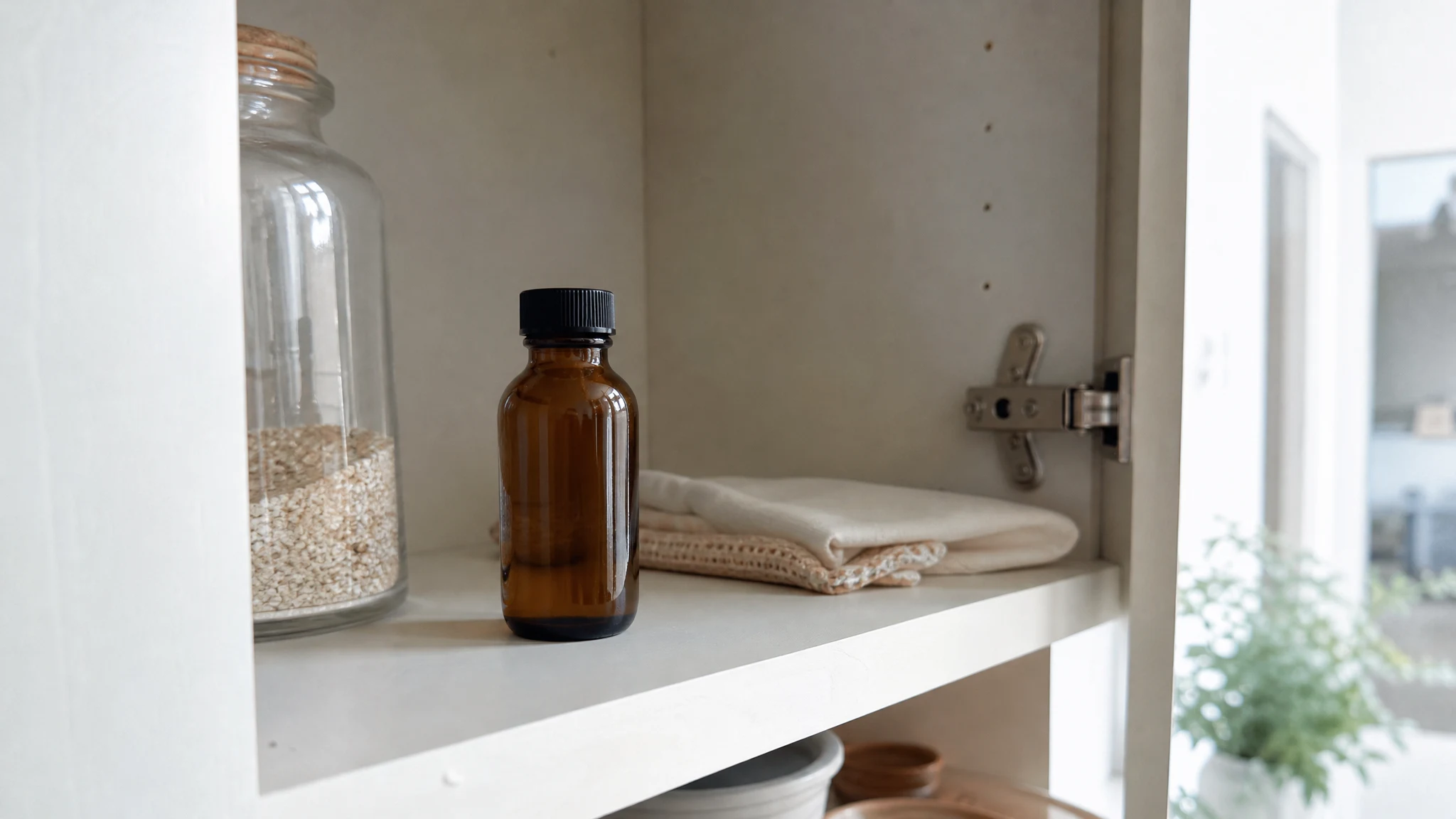
If you love lavender and share your home with a cat, the easiest arrangement is to give the scent its own territory. Open your bottle in a room the cat never visits, put the cap back on firmly when you are done, and keep it somewhere a climber cannot reach. A latched cabinet beats a bathroom counter, because cats treat every flat surface as a place to explore, and a bottle on a counter is a bottle within paw's reach.
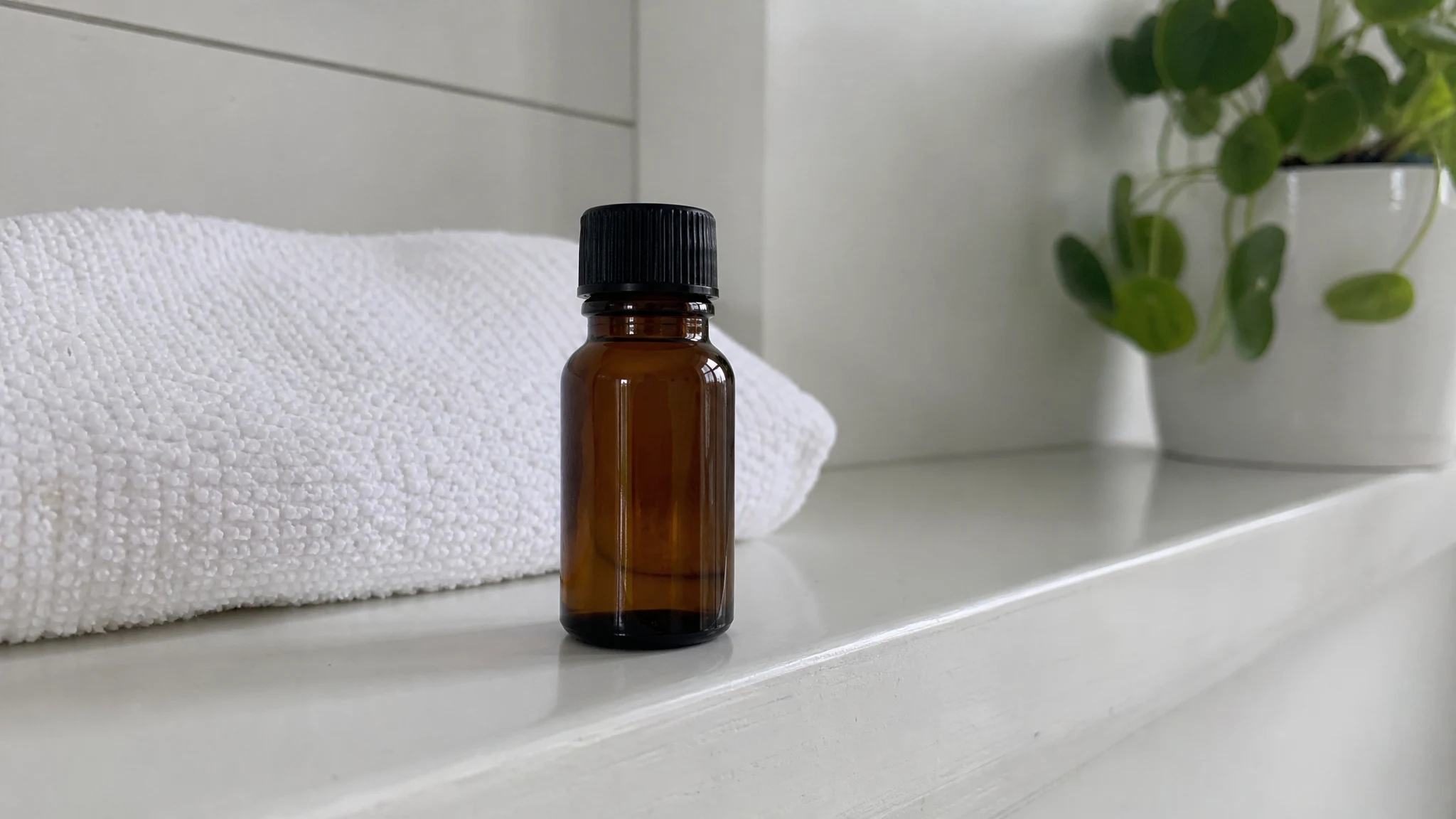
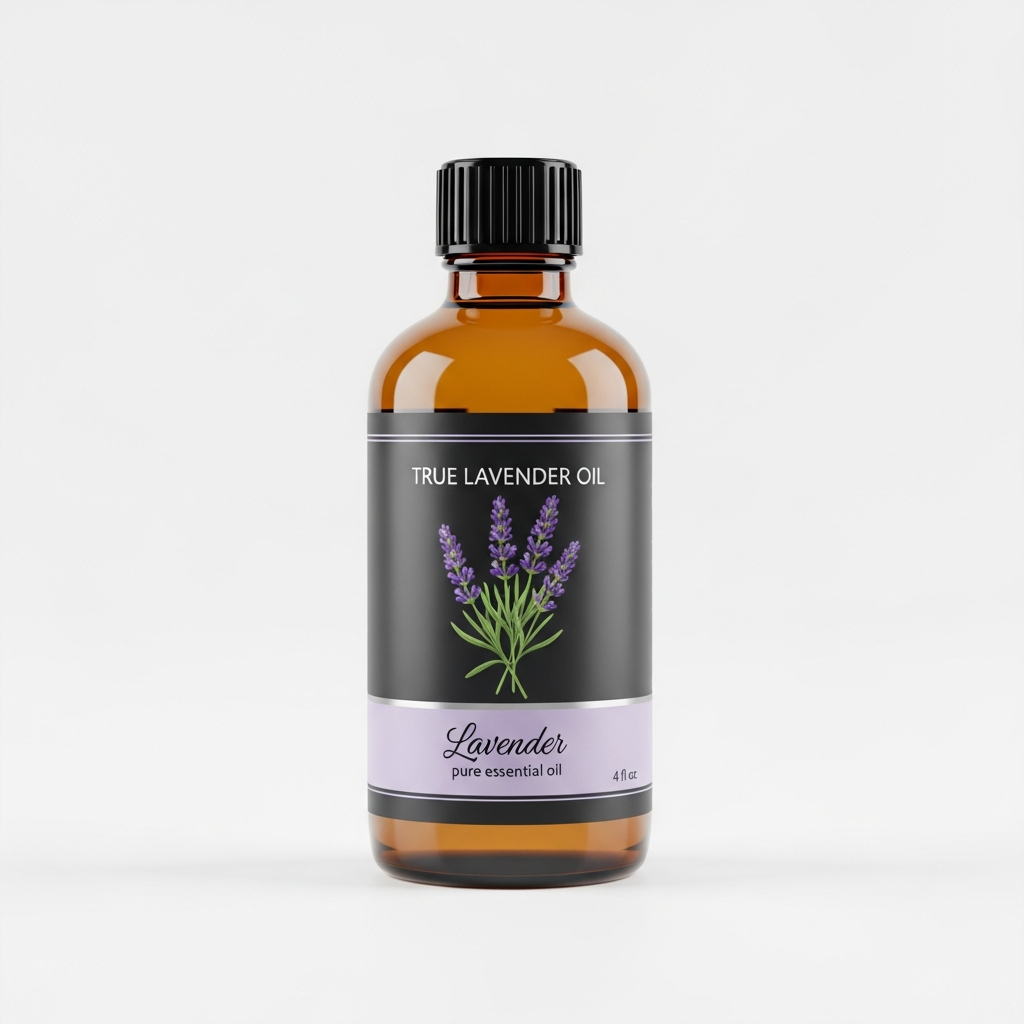
Our bottles are amber glass with a black cap, which makes them look like something to bat around the edge of a shelf. Treat them like any breakable that does not belong near the edge, and a cat will have no reason to investigate.
If a cat has been exposed
Move the cat to fresh air, away from the source. Merck's advice to vets is that vomiting should not be induced because of the risk of aspiration, so please do not try to make the cat sick. Call your veterinarian or an emergency clinic, or the ASPCA Animal Poison Control Center at (888) 426-4435, where a consultation fee may apply. The Pet Poison Helpline lists (855) 764-7661 on its site. Tell them which oil, roughly how much and when. Merck lists vomiting, lethargy, drooling, wobbliness and loss of appetite as the most common signs, and fast or labored breathing or collapse means an immediate visit rather than a phone call.
Dogs sit in a slightly different place on the evidence, which we cover in our dog article, and the human-side basics are in the skin reaction guide and the lavender oil FAQ.
If you are choosing lavender oil as a present for someone who has a cat, a quick word about where to keep it is as thoughtful as the bottle itself.
The simplest kindness for a household cat is to enjoy lavender somewhere it never goes, and to let your veterinarian decide the rest.
Lavender Essential Oil
Lavender Essential Oil from our own shop, in sizes from 0.5 oz to bulk.
From $12.99
Shop Now →Sources & Further Reading
- Merck Veterinary Manual. Toxicoses From Essential Oils in Animals. merckvetmanual.com
- ASPCA. Pet Poisons: Be Mindful of these Household Products and Cleaning Agents. aspca.org/news
- ASPCA. Toxic and Non-toxic Plants: Lavender. aspca.org/lavender
- Pet Poison Helpline. Essential Oils. petpoisonhelpline.com/blog/essential-oils
- Shrestha B et al. Evolution of a major drug metabolizing enzyme defect in the domestic cat and other felidae: phylogenetic timing and the role of hypercarnivory. PLoS One, 2011. pubmed.ncbi.nlm.nih.gov/21464924