How to Use Lavender Oil in Cleaning Sprays and Scrubs
There is a reason lavender is a favourite in the cleaning cupboard: a room that smells of lavender feels freshly looked after. The scent is what lavender brings to a cleaning product, and the soap, detergent and water bring the cleaning. Here is how to get the oil to mix, how much to use in a spray, a scrub and a floor wash, and a few points about pets and air.
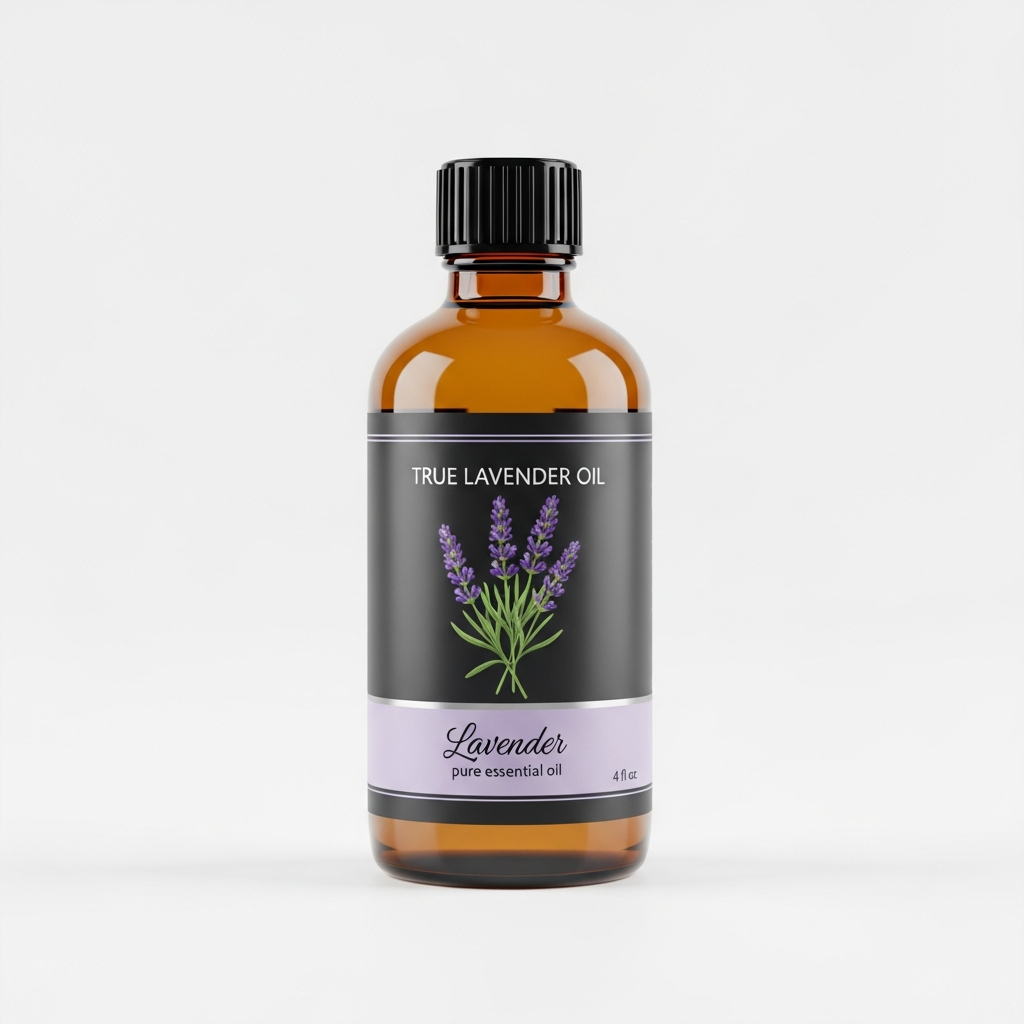
Lavender Essential Oil
Our own Lavender Essential Oil, in sizes from 0.5 oz to bulk.
From $12.99
Shop Now →A scent, not a germ-killer
In the United States, a product that claims to control germs is regulated as a pesticide. Essential-oil products can stay in the EPA's minimum-risk category only under conditions, including that the label "cannot state or imply that the product can or will control or reduce organisms that pose a threat to human health" and that the active ingredients must be only those listed in 40 CFR 152.25(f)(1) (US EPA, Conditions for Minimum Risk Pesticides). So we keep lavender in its lane: a scent. We make no germ-control claim for our oils, and if you need a surface disinfected, use a product registered for that and follow its label.
Getting oil to mix with water
Oil and water do not blend, and essential oil in a water-based spray floats and lands in concentrated spots. The Tisserand Institute notes that salt and milk are not suitable carriers, and that baking soda "has no physical mechanism to 'hold' or disperse carrier or essential oils". For water-based products such as room and linen sprays it names polysorbate 20, starting at a 1:1 ratio with the essential oil (Tisserand Institute, Bath Safety: how to use essential oils safely in the bath). That page is about bath and body products, so applying it to a cleaner is our inference. Polysorbate 20 comes from a cosmetics supplier, since we sell only lavender oils. The simple alternative is to shake before every spray.
Three formulations, worked out
These strengths are scent choices, not safety limits, because we found no source setting a household-surface limit for lavender oil. They are arithmetic worked from the guidance above and about 20 drops to a millilitre, a rough convention that varies with the dropper. Where skin touches the product, our dilution guide is the reference.
All purpose spray, 500 ml
- Lavender oil at 0.2%: 1 ml, about 20 drops.
- Polysorbate 20 at 1:1 with the oil: 1 ml, mixed with the oil first.
- Soap or detergent and water in whatever ratio your cleaner's label gives for a spray.
Make small batches and use them within days; a water-based mix with no preservative can grow microbes, so a cloudy or sour-smelling spray should go down the drain. Label the bottle clearly and keep it out of reach of children.
Scrub, 200 g
- Baking soda or fine salt, 200 g.
- Lavender oil at 0.5% by weight: 1 g, which for our one angustifolia batch with a published density of 0.894 is about 1.1 ml, or roughly 22 drops.
Stir the oil into a spoonful of the dry mix first, then fold that into the rest, since oil on dry powder clumps. Rinse well, and try a small hidden spot on any delicate surface first.
Floor wash, 4 litre bucket
- Lavender oil: 1 ml, about 20 drops, which is about 0.025%.
- Polysorbate 20 at 1:1, or a small squirt of floor cleaner that already contains a surfactant.
Light is right here: a film of oil on a floor is slippery, which is reasoning, and the scent carries well at this strength. Wear gloves if your hands are in the bucket for long. Air-exposed lavender oil was a stronger sensitiser in a 2008 study, and detergents already dry skin (Lavender oil lacks natural protection against autoxidation, forming strong contact allergens on air exposure). Our linen spray post covers fabric.
Air, pets and children
A 2026 chamber study mixed ozone with perfumes, deodorants and cleaning liquids and found they formed fine particles, with yields from 0.2% to 17% depending on conditions (Significant Variability in Terpene Content and Secondary Organic Aerosol Formation Potential from Ozonolysis of Consumer Product Categories Used Indoors). It did not test lavender oil, so it is not a finding about lavender, but it is a good reason to open a window and spray lightly. Anyone with asthma should ask a physician about scented products.
Pets deserve a thought as well. The ASPCA lists lavender as toxic to dogs, cats and horses, naming linalool and linalyl acetate and listing nausea, vomiting and poor appetite as signs (ASPCA, Toxic and Non-toxic Plants: Lavender). Pets walk on floors and lick their paws, so a household with animals may prefer an unscented floor wash, or a chat with a veterinarian; see our cat and dog posts. Poison Control says essential oils must be "locked up, out of the sight and reach of children and pets", and gives 1-800-222-1222 for poison help (Poison Control, Essential oils: Poisonous when misused).
Matching the scent to the room
Think about where the scent will live before you pour anything. A bathroom spray wants something fresh and quick to read, which points toward the sharper end of the family. A bedroom linen cupboard or a hallway floor can carry the softer, sweeter angustifolia. Whichever you pick, open the bottle and smell it by itself first, and smell your finished spray the next morning too, because a scent that seems bold when you pour it often settles into the background once the room has aired.
Which of our oils
Our angustifolia is soft and floral, lavandin grosso is fresh and herbaceous with a camphor-tinged lift, and spike lavender is sharp and camphoraceous. Which suits a cleaner is taste, and it is fun to find yours. Our varieties post compares them, and if you need a safety data sheet for a product, ask us in writing through the contact page before ordering.
Put the cleaner to work first, add the lavender lightly, and the room will smell like a day well spent.
Lavender Essential Oil
Lavender Essential Oil from our own shop, in sizes from 0.5 oz to bulk.
From $12.99
Shop Now →Sources & Further Reading
- US EPA, Conditions for Minimum Risk Pesticides
- Tisserand Institute, Bath Safety: how to use essential oils safely in the bath
- Hagvall L et al., Lavender oil lacks natural protection against autoxidation, forming strong contact allergens on air exposure. Contact Dermatitis, 2008
- Schwink SK et al., Significant Variability in Terpene Content and Secondary Organic Aerosol Formation Potential from Ozonolysis of Consumer Product Categories Used Indoors. ACS EST Air, 2026
- ASPCA, Toxic and Non-toxic Plants: Lavender
- Poison Control, Essential oils: Poisonous when misused