Growing Lavender: Drainage, Species, Pruning and Harvest
Ask a lavender grower what kills the most plants and the answer is rarely cold or neglect. It is wet roots. Lavender comes from dry, rocky, sunny places, and a bed that suits tomatoes can quietly drown it. Get the drainage right and the rest of growing lavender is surprisingly relaxed.
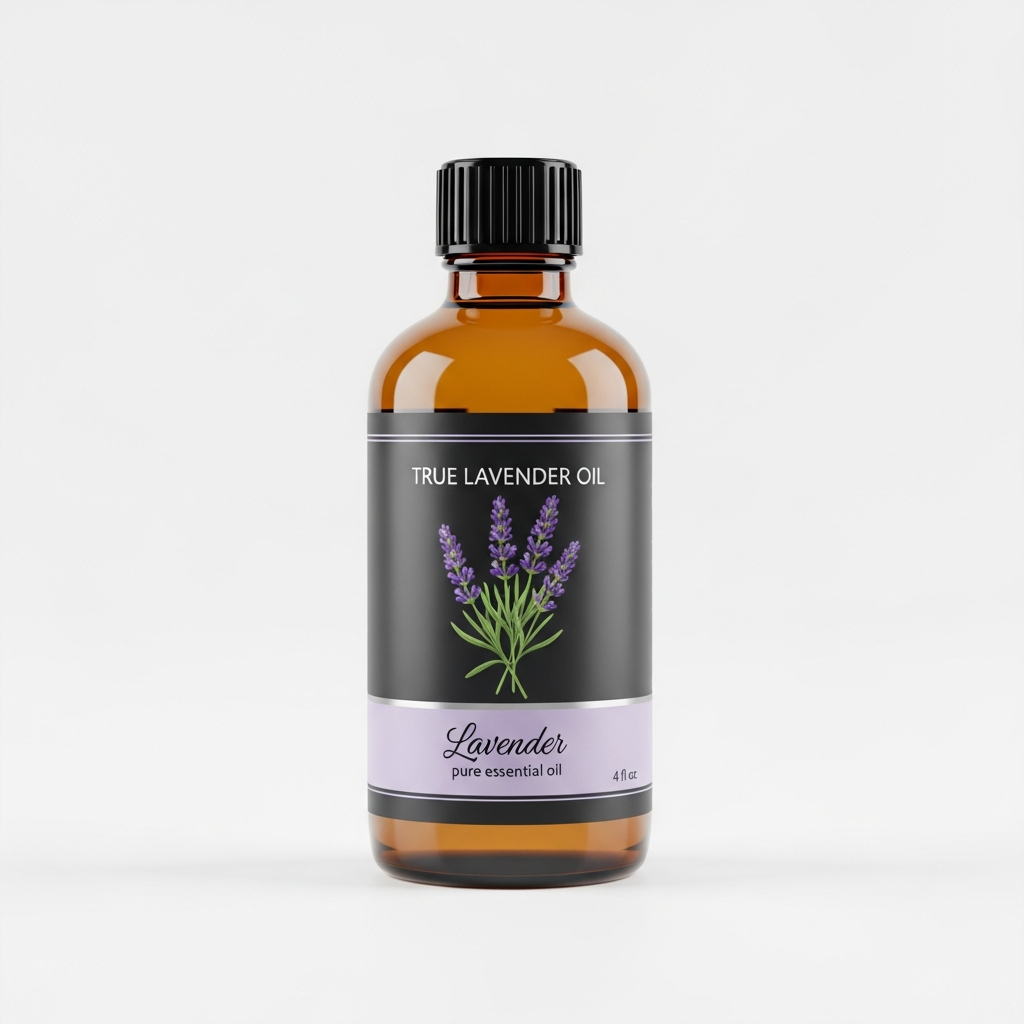
Lavender Essential Oil
Our own Lavender Essential Oil, in sizes from 0.5 oz to bulk.
From $12.99
Shop Now →Choose the plant by its name
Colorado State University Extension describes two lavenders that grow well in its climate. English lavender (Lavandula angustifolia) is hardy to Zone 5 and often blooms twice in a season. Lavandin, a hybrid of English and spike lavender, is generally a larger plant that blooms once, later in summer. Both are lavender to a garden centre label, so buy a plant that names its species and cultivar. If you want to dry flowers for sachets, that detail tells you what scent and size to expect.
The same difference shows up in the bottle. The oils we sell include true lavender (angustifolia), lavandin grosso and spike lavender, and they do not smell alike: our angustifolia oil is soft and floral, lavandin grosso carries a camphor-tinged lift, and spike lavender is sharper and more camphoraceous. Our guide to reading the label covers the four we sell.
Where to put it
Walk your garden on a sunny afternoon and look for the spot that dries out first: the foot of a south-facing wall, a gravelly corner, the top of a gentle slope. That is where lavender will be happiest. Avoid low spots where water collects after rain and corners that stay in shade most of the day. A plant in the right place needs far less help from you than one you keep rescuing from the wrong one.
Drainage first
All three extension sources we read agree on the main requirement. Penn State Extension says lavender does not tolerate heavy clay soils, benefits from six-inch raised beds that improve drainage, and prefers a pH of 6 to 8 in sandy-loam or calcareous soil. Colorado State says lavender prefers full sun and alkaline soil with very little organic matter, and warns that it can develop root rot if drainage is insufficient. The University of Maryland Extension says lavender grows best in rocky, dry, sunny places with abundant lime in the soil.
They disagree about one detail, and it is a useful one. Penn State suggests adding sand and compost to heavy soil, while Colorado State says sand or gravel in clay soils may create an even greater drainage problem and suggests quarter-inch bark mulch tilled into the top 6 to 8 inches instead. Our reading: if your soil is clay, the raised bed is the move both sources support, and amending in place is the part to check with your county extension office.
Water, then leave it alone
Colorado State says to keep a close eye on water and not let it stand around the plants. Penn State describes lavender as drought-tolerant, with irrigation usually unnecessary after the first year except in extreme drought. Planting a little wider than the minimum gives air room to move through the plants, which is our suggestion for humid summers rather than a sourced rule.
Pruning and cutting
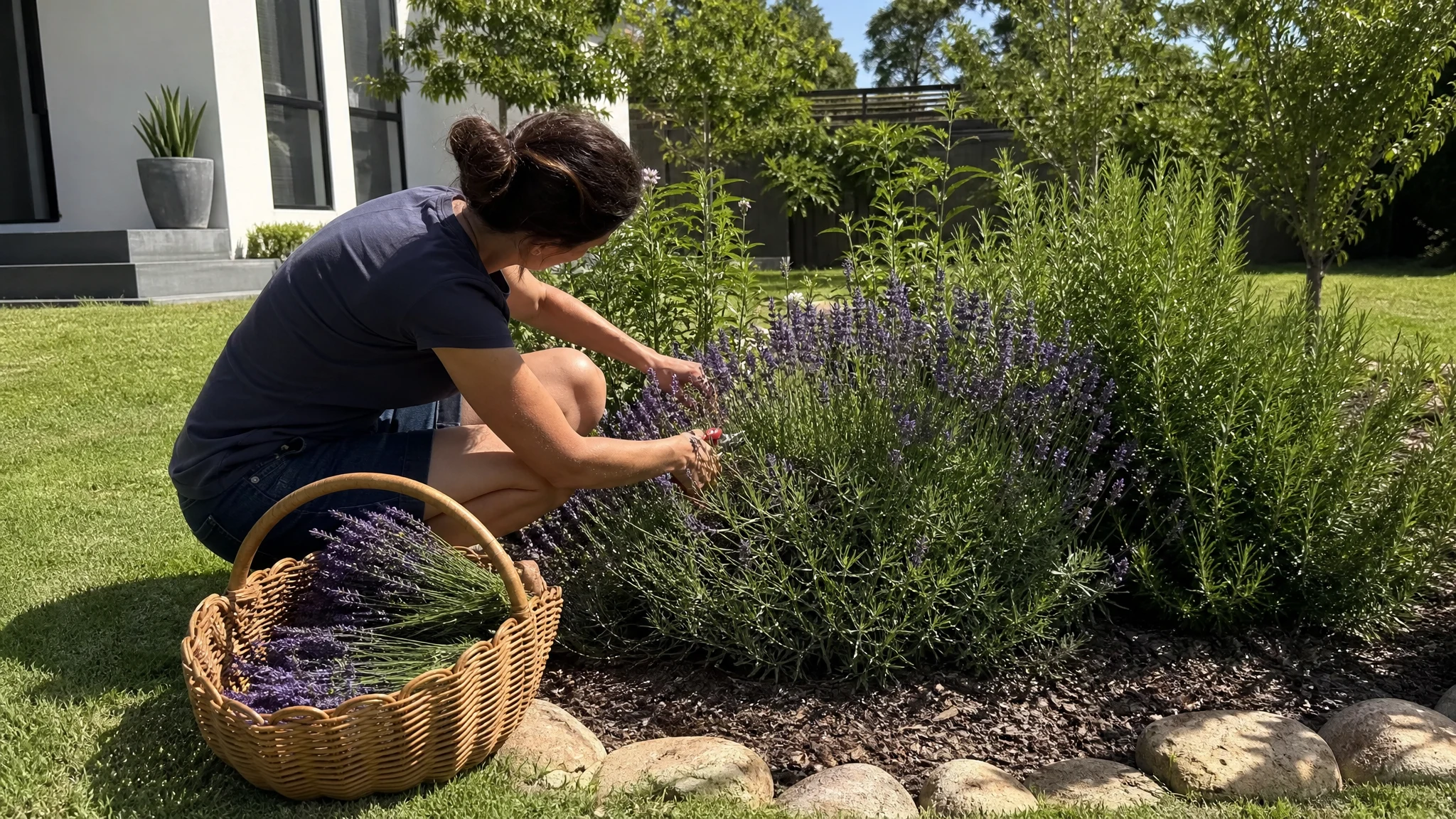
Pruning is where sources agree on direction and differ on timing. Colorado State says to prune every year in spring, as green leaves start to emerge from the base, taking off about one third of the top. Maryland warns against cutting severely, since that can kill the plant, and says not to prune after mid-August. Light cuts, early in the year, nothing late: that satisfies both.
For harvest, Colorado State says to cut in the morning when about 50 percent of the flower buds have opened, while Maryland says to cut whole spikes when the first flowers begin to open. A review of lavender production reports the same spread for oil growers, from 50% flowering to the end of flowering, so there is no single answer. For sachets, pick one stage, write the date on the bundle, and compare it with next year's cut. Both Colorado State and Maryland point to drying in a cool, dark place with good air circulation.
A garden is not a still
It is tempting to wonder whether a home bed could yield its own oil. Penn State puts an acre of English lavender at between 300 and 1,800 pounds of dried flowers, or about 2 gallons of essential oil. A handful of plants will give you flowers for the house and very little else. Our piece on how lavender oil is made shows why oil takes acreage and equipment.
The pleasure of a lavender bed
Brush your hand along a lavender plant on a warm afternoon and the whole border smells of it. The grey-green foliage looks good even in the off-season, which is why lavender so often lines a path, where you will brush past it on the way to the door. Plant it where you will walk by, and where you can sit nearby and enjoy it. A bed you pass every day gets noticed, watered sensibly and pruned on time.
Pets and children
The ASPCA lists lavender as toxic to dogs, cats and horses, naming linalool and linalyl acetate as the toxic principles, with nausea, vomiting (not in horses) and loss of appetite as signs. If a pet chews a plant or a sachet, call your veterinarian or a pet poison hotline. Our pages on dogs and cats cover the oil itself.
A lavender bed rewards the person who builds a dry, sunny spot first and prunes lightly. Do that, and the plants will take care of the rest.
Lavender Essential Oil
Lavender Essential Oil from our own shop, in sizes from 0.5 oz to bulk.
From $12.99
Shop Now →Sources & Further Reading
- Colorado State University Extension. Growing Lavender in Colorado.
- Penn State Extension. Agritourism Diversification: Lavender Production.
- University of Maryland Extension. Lavender.
- Crisan I et al., 2023. Current Trends for Lavender (Lavandula angustifolia Mill.) Crops and Products with Emphasis on Essential Oil Quality. Plants.
- ASPCA. Toxic and Non-toxic Plants: Lavender.