How to Store Lavender Oil: Four Habits for Freshness
Lavender oil does not spoil the way food does. It does not go cloudy or grow anything. It oxidises, slowly, every time air gets to it, and that is the whole story behind a good storage routine. The good news is that the routine is simple, and most of it costs nothing.
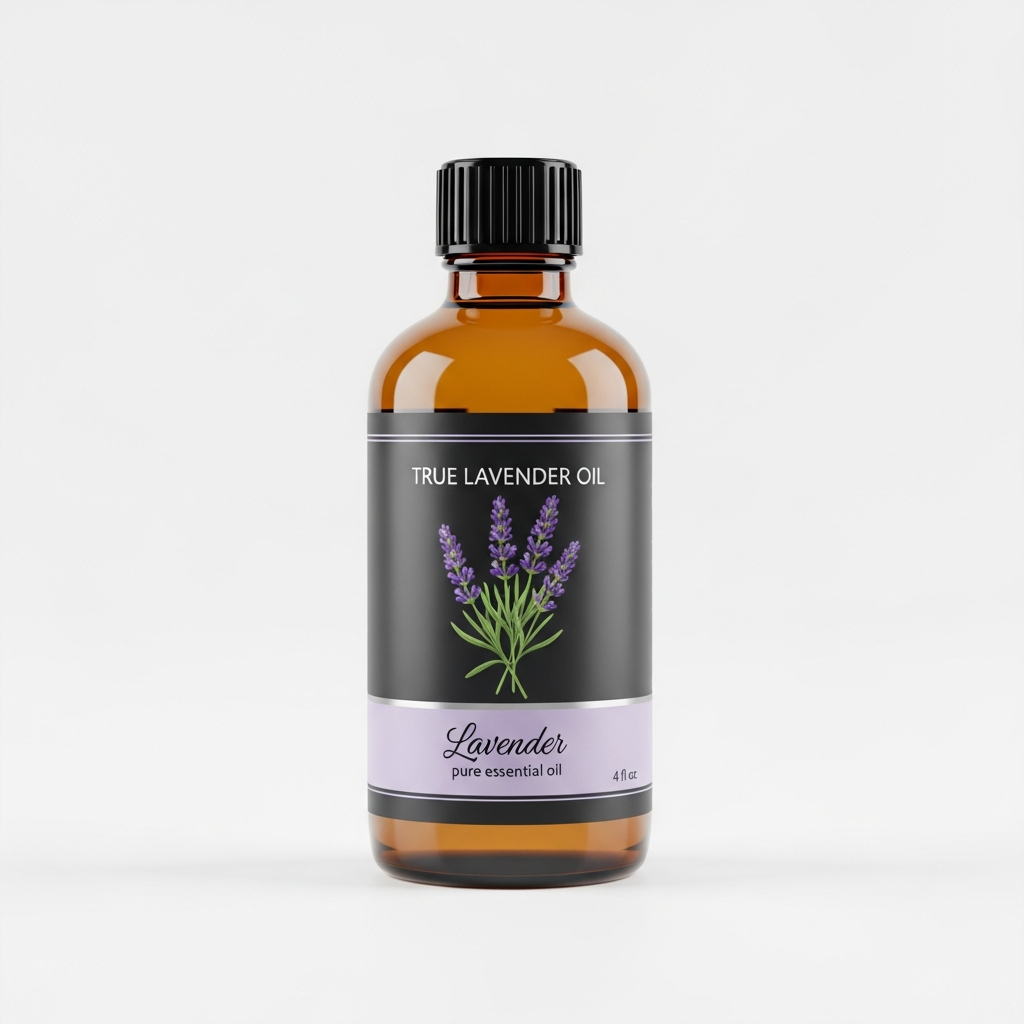
Lavender Essential Oil
Our own Lavender Essential Oil, in sizes from 0.5 oz to bulk.
From $12.99
Shop Now →What happens when air gets in
A 2008 study put lavender oil in air and followed the changes. The main terpenes in the oil oxidised at the same rates as the isolated compounds, producing the same products, and the oil's sensitising potency in mice rose accordingly. Patients who were already allergic to oxidised linalool reacted to the air-exposed oil in patch tests. The authors' title says it straight: lavender oil lacks natural protection against autoxidation.
A companion study looked at linalyl acetate, lavender's main ester. In high purity it was a weak sensitiser, with an EC3 of 25% in the mouse lymph node assay, and after 10 weeks of air exposure the oxidised sample had an EC3 of 3.6%. A lower EC3 means less is needed to trigger sensitisation, so that is roughly a sevenfold change (25 divided by 3.6, our arithmetic). These were laboratory samples tested in mice, not a bottle in a cabinet, and neither study gives a "good for N years" figure. A 2012 study of 2,900 dermatitis patients in six countries found 6.9% reacted to oxidised linalool, which shows the allergen is real among people with skin problems.
Four habits that help
Limit the air. Oxygen is what drives the change, so cap the bottle firmly every time, and remember that a mostly empty bottle holds proportionally more air. If you use oil slowly, we suggest decanting the amount you will use soon into a smaller airtight glass bottle and keeping the larger one closed. That is also how we advise handling our bulk sizes.
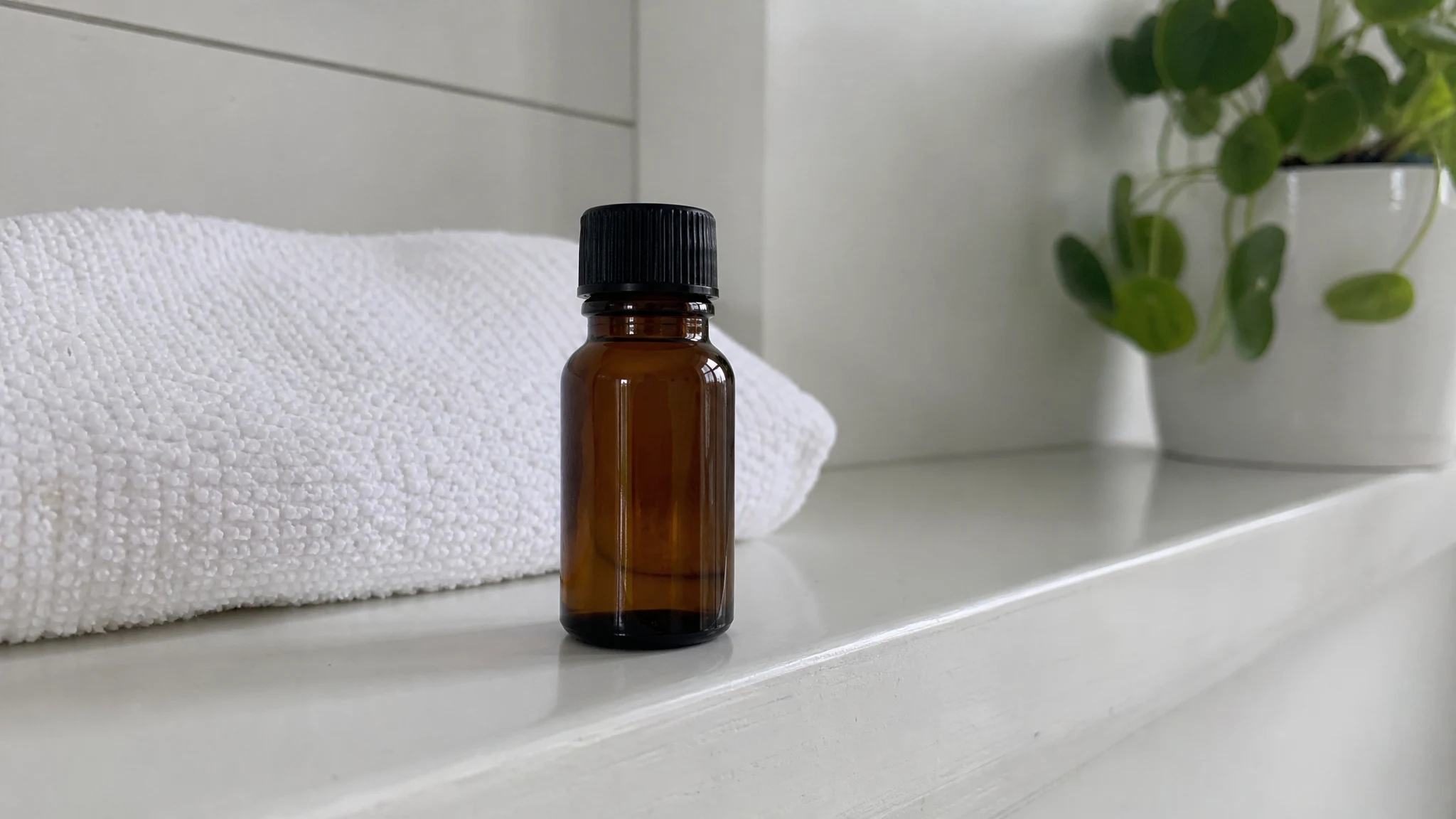
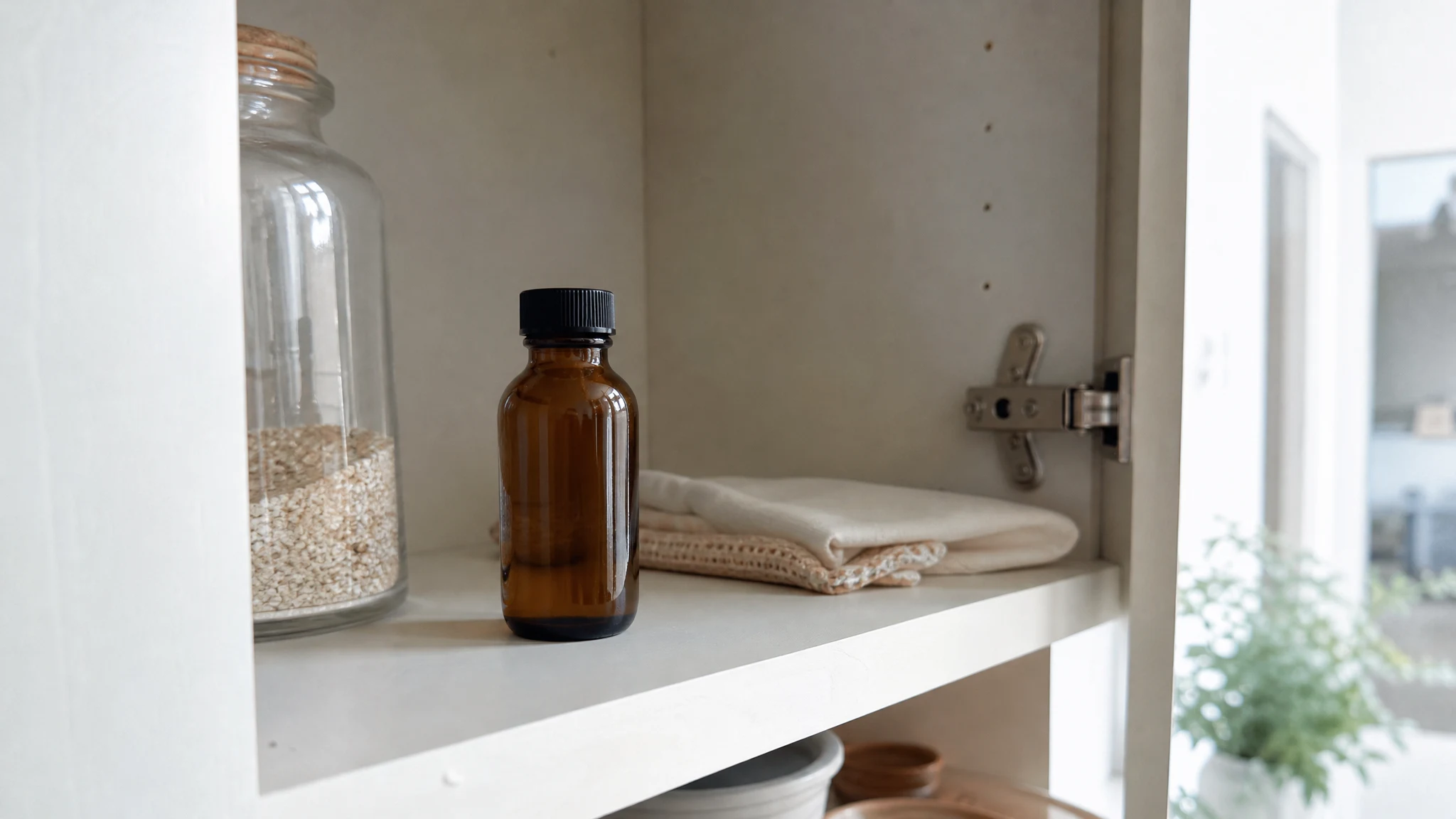
Keep it dark. Our retail bottles are amber glass with a black cap, and we recommend a cool, dark cabinet away from direct sunlight.
Keep it cool. A shelf away from the stove and the window is enough, and a parked car is not. This is reasoning from the chemistry, since we do not have measured figures for lavender at different temperatures.
Watch the calendar. We describe our oils as typically stable for 2 to 3 years unopened. We did not find a measured shelf life for lavender oil in the literature we searched, so treat that as our guidance rather than a laboratory figure. Writing the opening date on the bottle is a small habit that makes the rest easy.
Setting up a tidy shelf
A little organisation goes a long way. Pick one cabinet for your oils, ideally at about shoulder height and out of reach of small hands, and keep it for oils alone. Stand the bottles upright, with the labels facing out, and write the opening date on a small sticker on each one. Keep a smaller bottle for everyday use and top it up from the larger one now and then, so the big bottle stays closed most of the time.
When you pour, do it quickly, wipe the neck of the bottle, and cap it before you do anything else. It takes a few seconds, and it is the habit that matters most.
Judging an older bottle
Smell is not a reliable guide, because nothing we read links a change in smell to the formation of allergens, so an oil can smell perfectly pleasant and still have oxidised. Age and exposure are better guides: how long the bottle has been open, how much air it holds, and whether it has sat somewhere warm.
Here is how we would reason. A recently opened, tightly capped bottle kept cool and dark is the one to use on skin at your usual dilution. A bottle opened a year or more ago and mostly empty is better kept for scenting a room, and if it goes on skin, use the lowest strength. Anything left in sun or heat, or that smells sharp or off, is best kept away from skin altogether. If you have reacted to fragrance before, use fresh oil only and ask a dermatologist or allergist whether to use it at all. The arithmetic for a careful blend is in our dilution guide, and our allergy page explains how a reaction happens and how to run a spot test. A diluted blend deserves its own date too, since its carrier is also a plant oil, so make only what you will use soon.
Storage is a safety matter too
Poison Control says essential oils must be locked up, out of the sight and reach of children and pets. If a pet has swallowed oil, call a veterinarian or a pet poison hotline; our pages on cats and dogs cover what the sources say.
The simplest routine is to buy the size you will finish, write the opening date on it, keep it upright and capped in a cool cabinet, and pour small amounts into a daily bottle. If you buy for a business and need a stability statement for a product listing, ask us in writing through the contact page before ordering; the certificate we publish for one batch of our angustifolia oil covers appearance, smell, density and refractive index and does not include stability data. Our guide to buying lavender oil in bulk lists what else to check before a larger order.
Whichever habits you keep, the goal is the same: a bottle that smells the way it did the day you opened it.
Lavender Essential Oil
Lavender Essential Oil from our own shop, in sizes from 0.5 oz to bulk.
From $12.99
Shop Now →Sources & Further Reading
- Hagvall L et al., 2008. Lavender oil lacks natural protection against autoxidation, forming strong contact allergens on air exposure. Contact Dermatitis.
- Sköld M, Hagvall L, Karlberg AT, 2008. Autoxidation of linalyl acetate, the main component of lavender oil, creates potent contact allergens. Contact Dermatitis.
- Bråred Christensson J et al., 2012. Air-oxidized linalool: a frequent cause of fragrance contact allergy. Contact Dermatitis.
- Poison Control. Essential oils: Poisonous when misused.