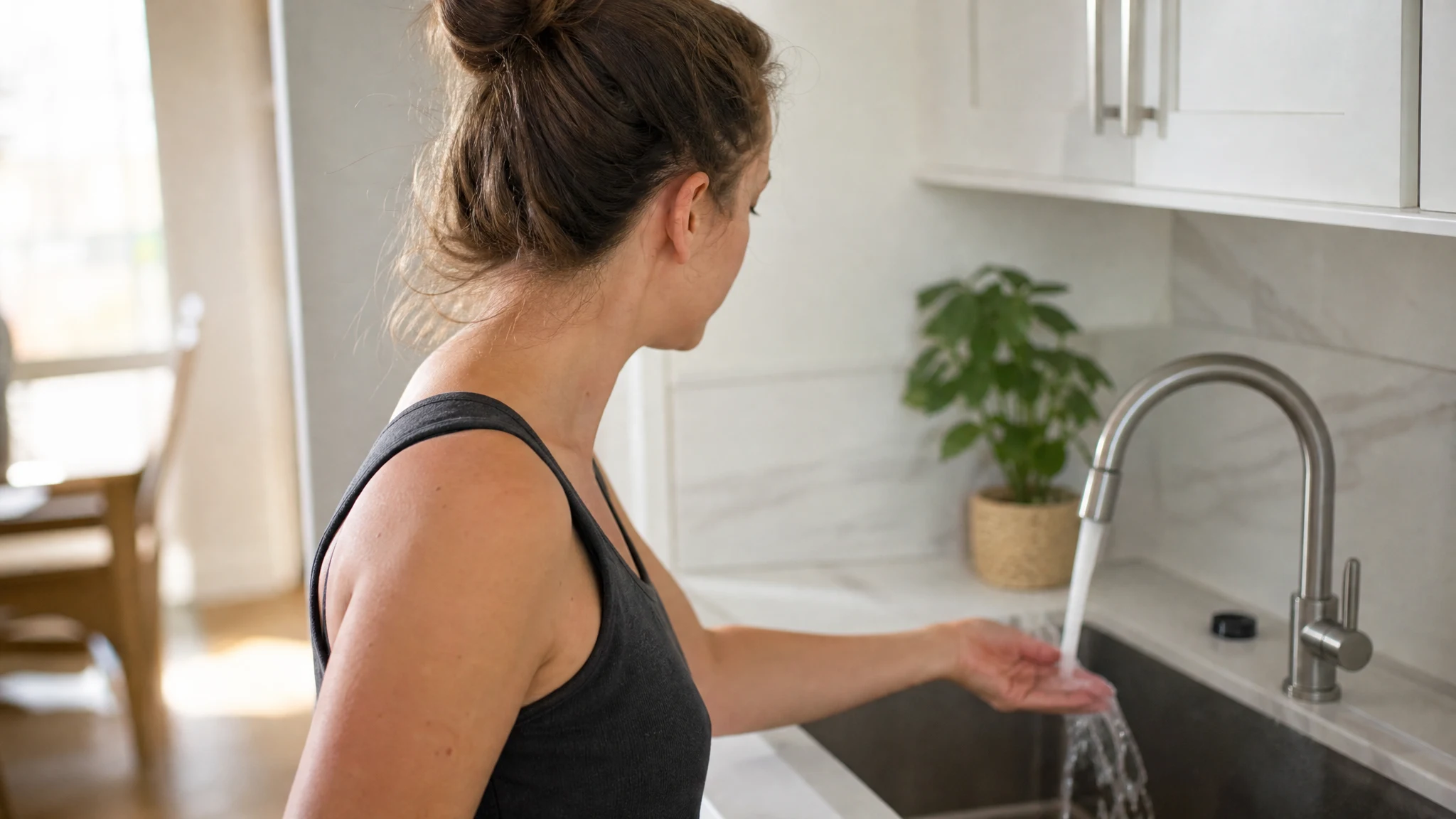
Lavender Oil on Burns? Cool Water Comes First
For a burn, the first move is cool running water, and nothing from a bottle. We love lavender oil as a fragrance, but no authority we read lists it as burn first aid, and the NHS and MedlinePlus both say to keep oils off a burn. So this page is short on lavender and long on what to do.
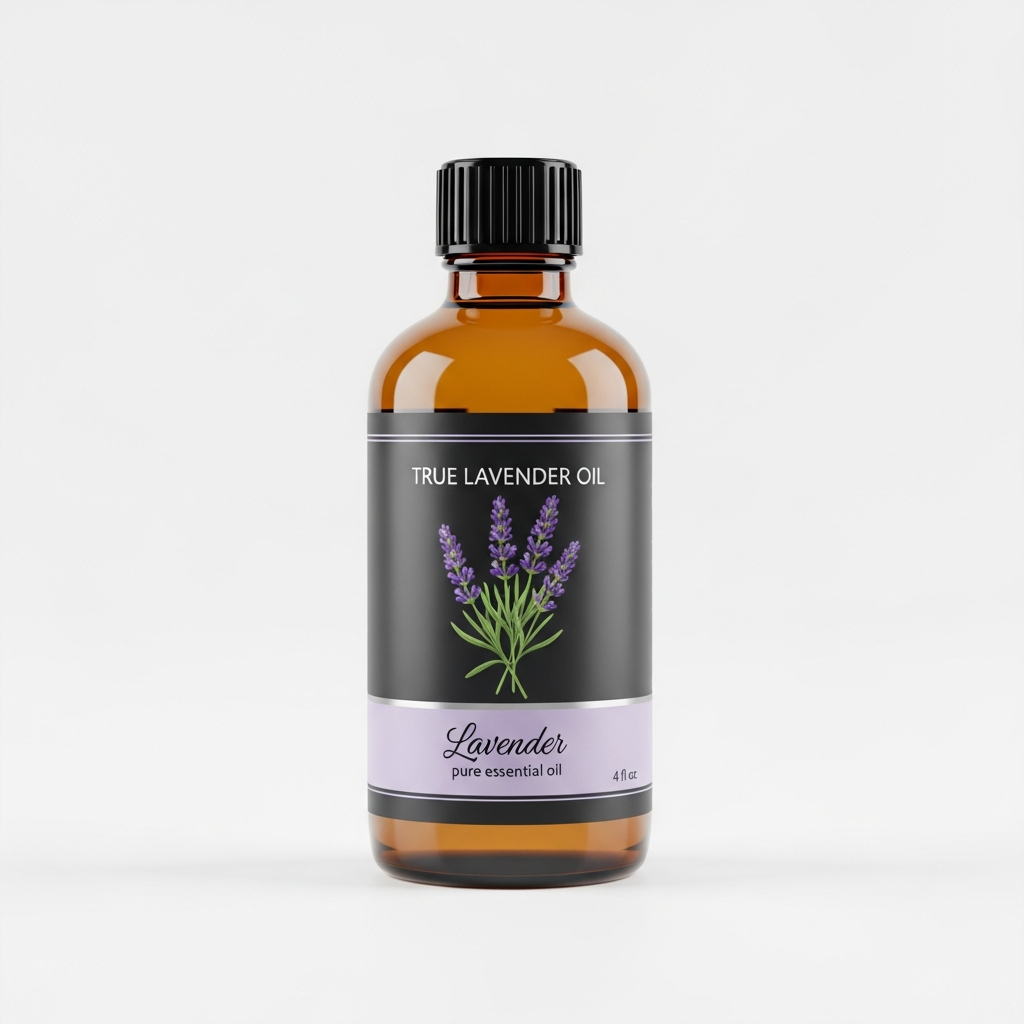
Lavender Essential Oil
Our own Lavender Essential Oil, in sizes from 0.5 oz to bulk.
From $12.99
Shop Now →Cool it first
The NHS says to deal with every burn and scald straight away: hold the burn under cool running water for 20 minutes, starting as soon as possible and within 3 hours. It says not to put creams, oils or butter on a burn, not to use plasters or sticky dressings, and not to burst blisters. Once the burn has cooled, it suggests laying cling film over it if you can, without wrapping it around. The American Academy of Dermatology describes cooling a minor burn with cool tap water or cold wet compresses for about 10 minutes or until the pain eases, then covering it with a nonstick, sterile bandage, and it too says not to apply ointments, toothpaste or butter. MedlinePlus says to run cool water over an unbroken minor burn or soak it in a cool bath, not ice water, for at least 5 to 30 minutes.
The minutes differ from one source to the next, and we will not pick a winner. The common thread is to start cooling early, with cool water and nothing else. If you are unsure what to do, the NHS suggests calling 111 for advice.
When a burn needs more than home care
The NHS says to call 999 or go to A&E if a burn or scald is very large or deep, is on the face, genitals or bottom, or was caused by an acid, a chemical or electricity. MedlinePlus adds that children under 5 and adults over 55 have a higher chance of complications from severe burns because their skin tends to be thinner, and that if you cannot tell how serious a burn is, you should treat it as a major one and call emergency services. We would hand any reader those thresholds. Anything chemical or electrical, or any burn on a baby, is a job for professionals from the first minute.
A word on sunburn
The AAD's sunburn advice is to get out of the sun, take frequent cool baths or showers, use a moisturizer with aloe vera or soy, drink extra water, and not pop any blisters. Essential oils do not appear on that list. If a sunburn blisters widely or affects a baby, a pharmacist or doctor is the right call, and we would check with one before putting any fragrance on skin that is already tender.
A plan worth making before you need it
Most kitchen accidents happen when someone is busy, tired or in a hurry, which is exactly when thinking clearly is hardest. It helps to decide in advance what you would do. Know where the cold tap is, keep a roll of clean non-fluffy dressing in a drawer you can find, and make sure everyone in the house knows the number to call for urgent advice where you live. A printed note inside a cupboard door costs nothing and gets used.
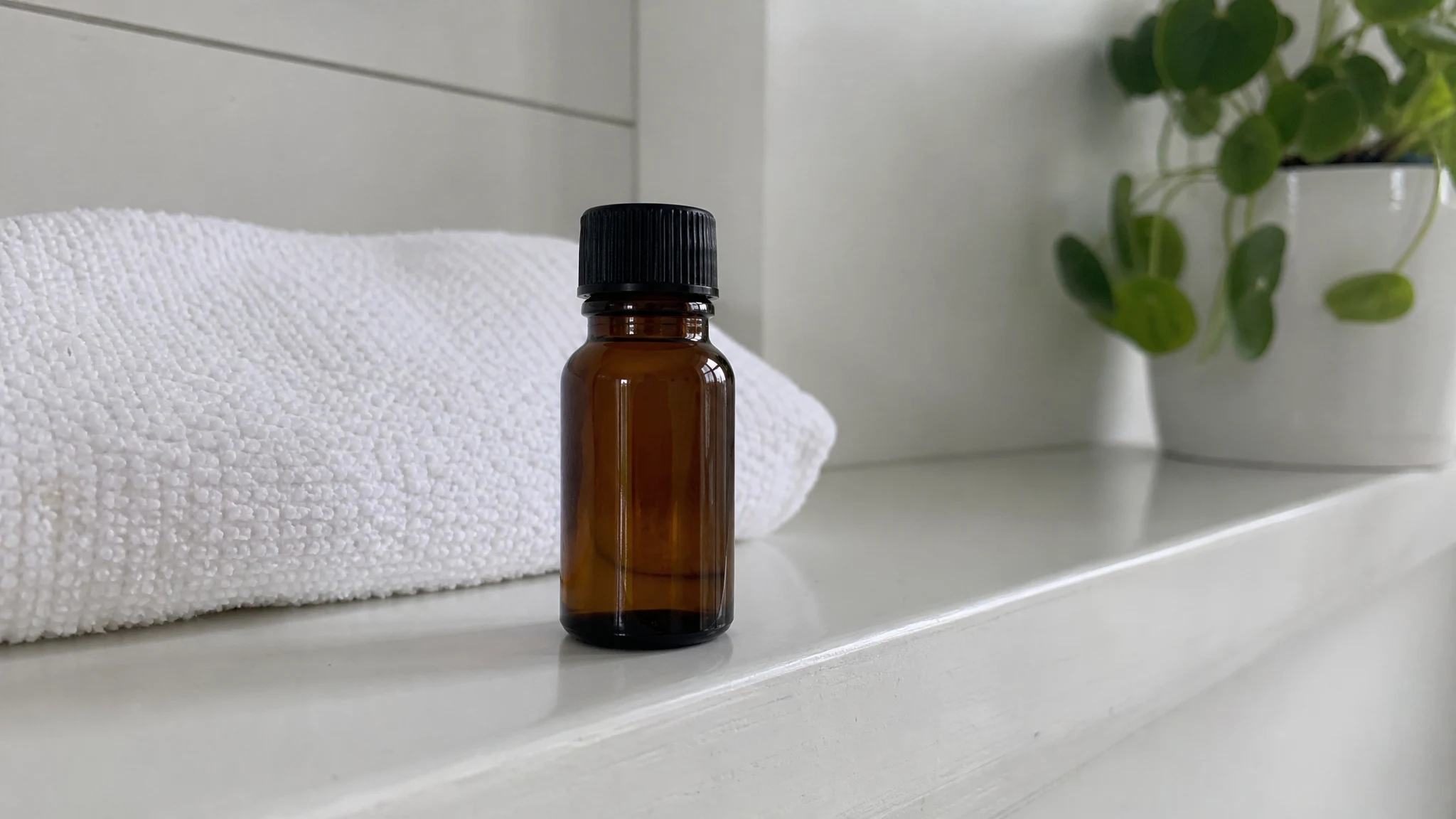
It also helps to keep bottles of any kind away from the stove and the oven. A scented oil does not belong on a cooking shelf, partly because heat is hard on the bottle and the oil inside, and partly because a bottle within reach is a bottle that gets grabbed in a panic. Our oils live in a cool, dark cabinet, away from heat and sunlight, and that habit doubles as a safety measure.
What to have in the house
It is worth looking at what you already keep for minor accidents. A clean cloth, a roll of sterile dressing and the phone number for urgent advice are better than anything on a scented shelf. If you are not sure what a good first aid kit holds, a pharmacist will happily talk you through one, and the cost of the whole thing is small.
Why we say no to lavender on a burn
A burn has lost some of the skin's protective barrier, so it is a poor surface for a fragrance oil. Lavender is also a known contact allergen in patch-test clinics: 2.2% of 2,178 patients tested with lavender reacted, and the authors still called it an uncommon cause of allergic contact dermatitis (Bingham et al., 2019). Our reasoning is that an allergic rash on a burn is hard to tell apart from the burn getting worse, and a burn that is getting worse is exactly what a clinician needs to see. So please do not use our oils on a burn, a scald or a sunburn.
Intact skin is another matter, and our skin guide and spot-test guide cover dilution and patch testing. For what dermatology advice looks like once a wound has closed, see our scars page, and our research map shows how the evidence on lavender is graded. We sell four lavender-family oils for fragrance and no burn products, dressings or aloe.
Lavender belongs on the other side of the kitchen, in a scented drawer or a cupboard smelling of clean linen.
Cool water, a clean dressing and a clinician when in doubt: that is a plan worth remembering long before you need it.
Lavender Essential Oil
Lavender Essential Oil from our own shop, in sizes from 0.5 oz to bulk.
From $12.99
Shop Now →Sources & Further Reading
- NHS. Burns and scalds. nhs.uk
- American Academy of Dermatology. How to treat a first-degree, minor burn. aad.org
- MedlinePlus. Burns: MedlinePlus Medical Encyclopedia. medlineplus.gov
- American Academy of Dermatology. How to treat sunburn. aad.org
- Bingham et al., 2019. Contact allergy and allergic contact dermatitis caused by lavender: A retrospective study from an Australian clinic. Contact Dermatitis, Europe PMC