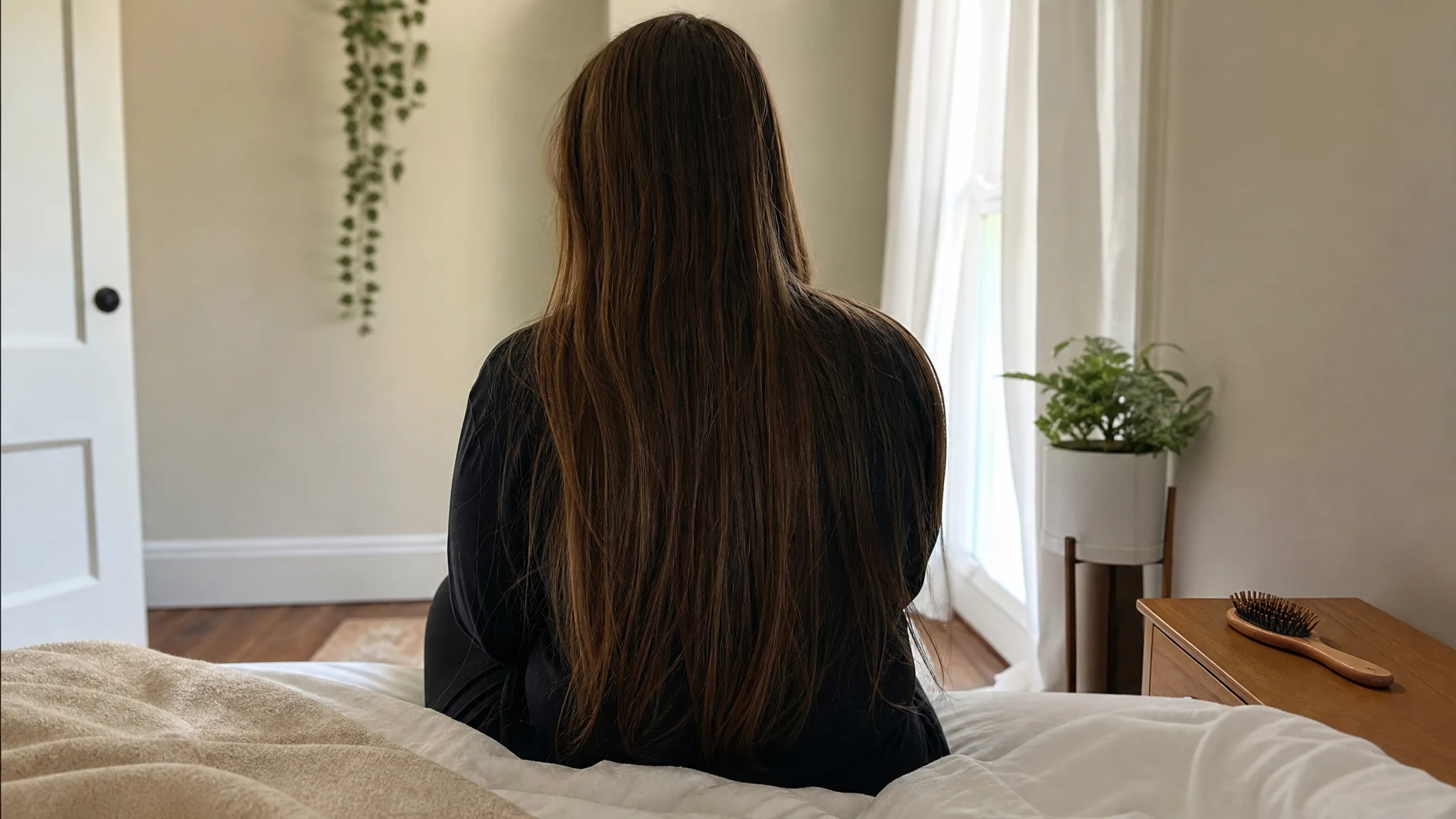
Lavender Oil for Hair: A Scented Scalp Massage Guide
A scalp massage with a little oil is a lovely way to spend ten minutes, and lavender is a natural fit for the scent. What the oil can't promise is a hair outcome. We sell lavender oils as fragrance, not as hair products, and we make no claims about hair, so this page is about the part we can speak to: how to dilute it sensibly, what the carrier does, and who should skip it.
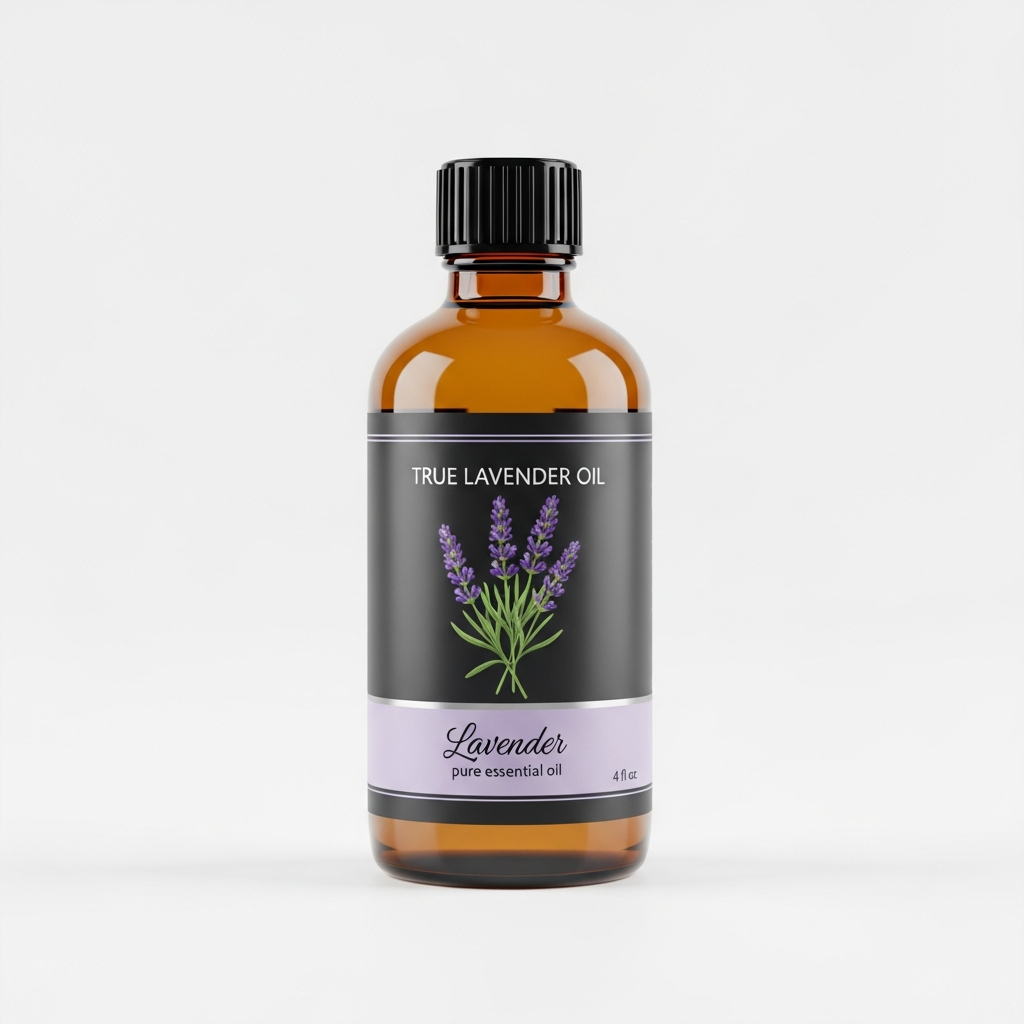
Lavender Essential Oil
Our own Lavender Essential Oil, in sizes from 0.5 oz to bulk.
From $12.99
Shop Now →The carrier does the heavy lifting
Any softness or sheen you notice after an oil massage most likely comes from the carrier oil coating the hair, not the few drops of essential oil in it. That is our reasoning, not a study result, but the arithmetic backs it up: at 1%, 99 parts of the blend are carrier. So choose the carrier for the feel you like on your hair, and think of lavender as the scent. We do not sell carriers, and you will find jojoba, sweet almond, grapeseed or fractionated coconut at a craft shop, pharmacy or grocery. Our carrier oil guide compares the options.
Choosing a strength
Our dilution guidance is 0.5% to 2% in a carrier, which comes to about 3 to 12 drops per ounce. For a leave-in scalp oil, we would start at the low end, about 0.5% to 1%. The scalp is skin, so it can react like skin anywhere else, and lavender oils vary by species, so we do not treat one figure as a ceiling. Here is the arithmetic, at a rough 20 drops per milliliter, and droppers vary:
| Strength | Per 1 oz (30 ml) of carrier | Per 10 ml bottle |
|---|---|---|
| 0.5% | about 3 drops | 1 drop |
| 1% | about 6 drops | about 2 drops |
| 2% | about 12 drops | about 4 drops |
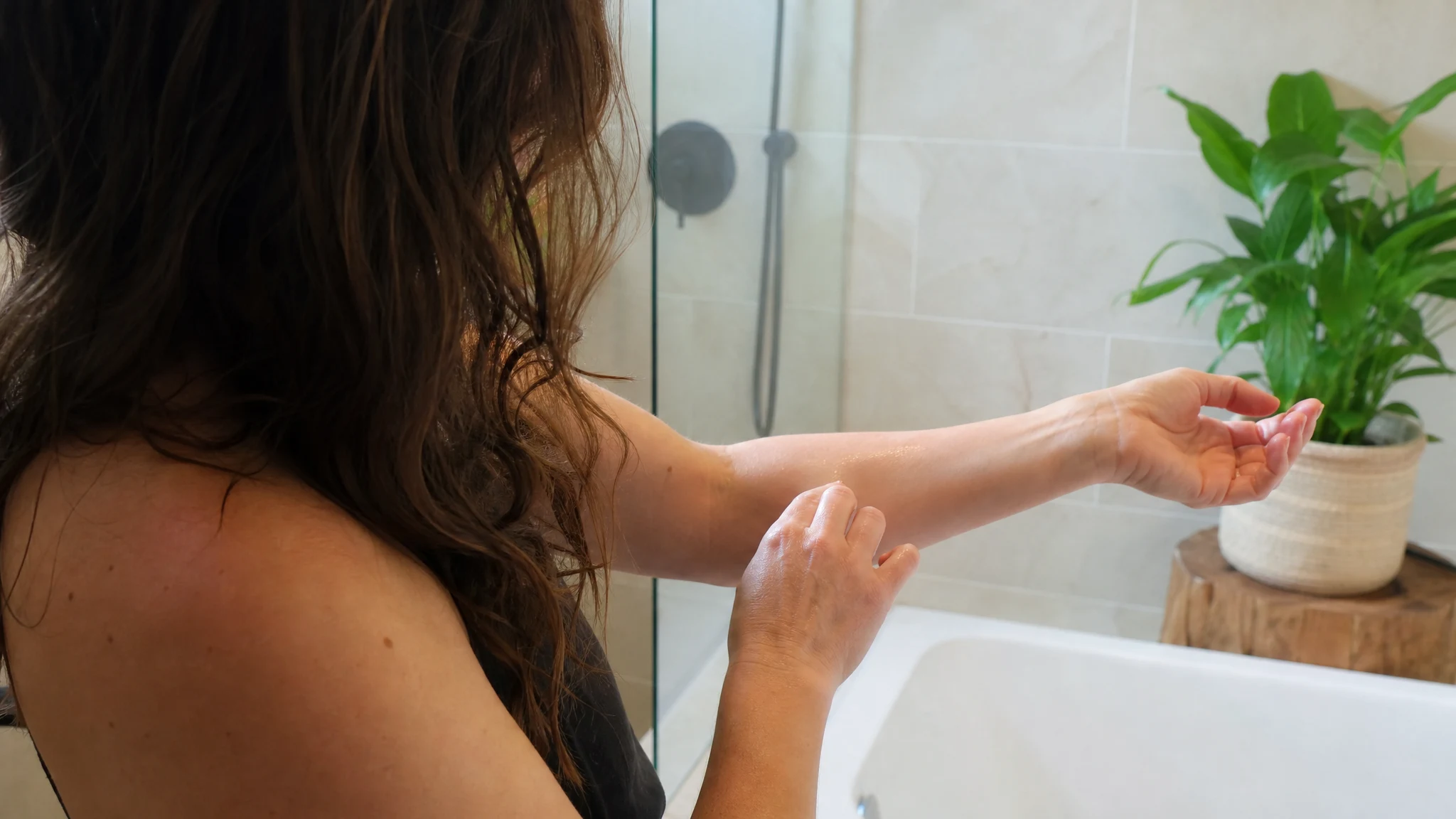
Our dilution guide has the full math. Patch test first, and treat a clear result as a good sign, not a guarantee. Poison Control notes that diluting in a carrier is the best way to avoid a bad reaction from direct skin contact and says not to use essential oils on damaged skin. NCCIH notes that topical lavender products may cause allergic skin reactions in some people, and in an Australian patch-test series 2.2% of 2,178 patients reacted to lavender (Bingham et al., 2019). Those patients had been referred for skin problems, so the figure runs higher than it would for most of us, but it is a fair reason to be careful.
Making it a small ritual
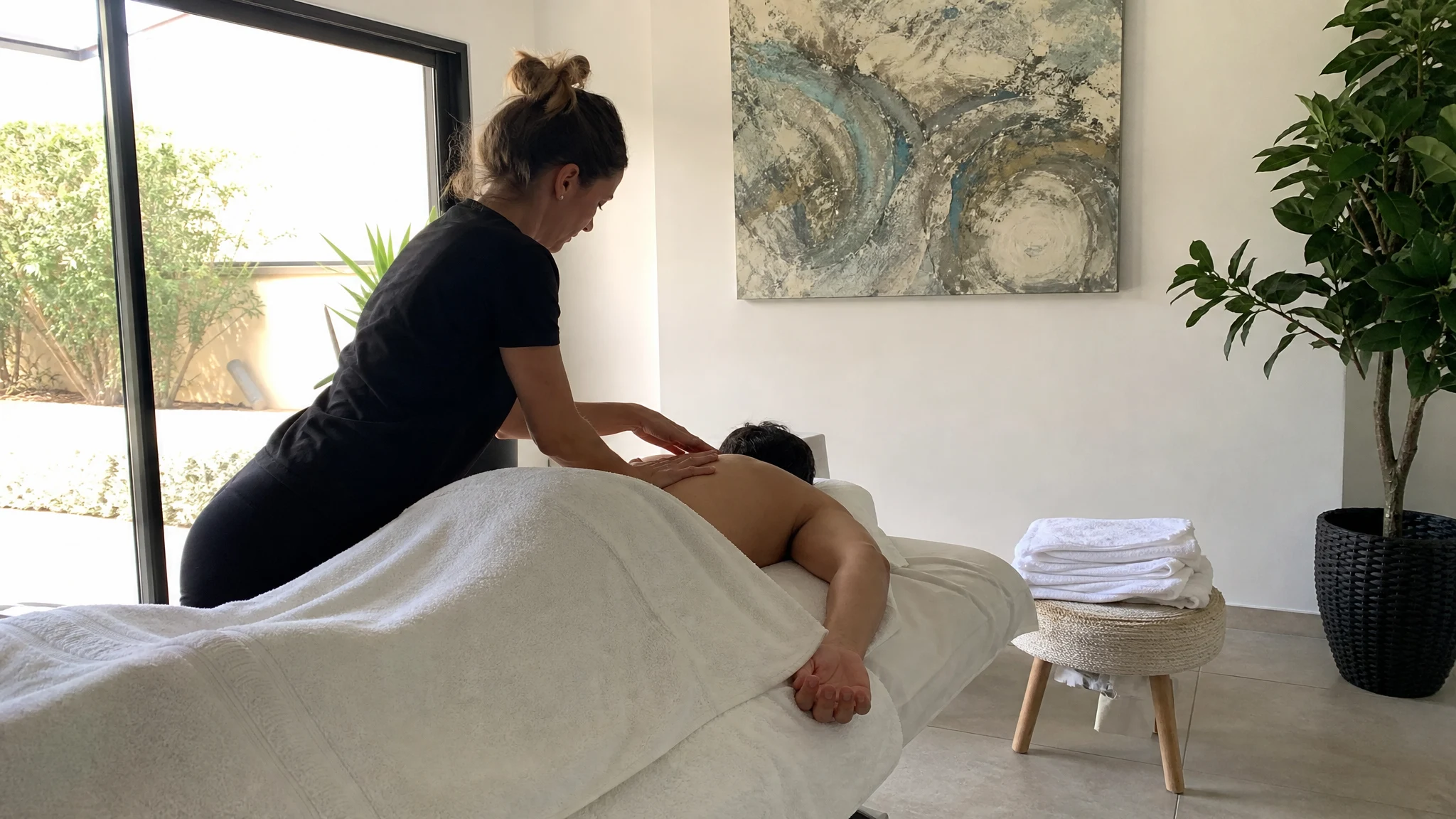
Part of the pleasure of an oil massage is the slowing down. Set aside ten unhurried minutes, lay an old towel across your shoulders, and use the pads of your fingers in slow circles. An old pillowcase or towel is a good idea afterward too, because oil can mark fabric and the scent lingers in it. There is no rush and no need to use a lot. A light hand with the blend is nicer to work with than a heavy one.
Which lavender suits a scalp massage
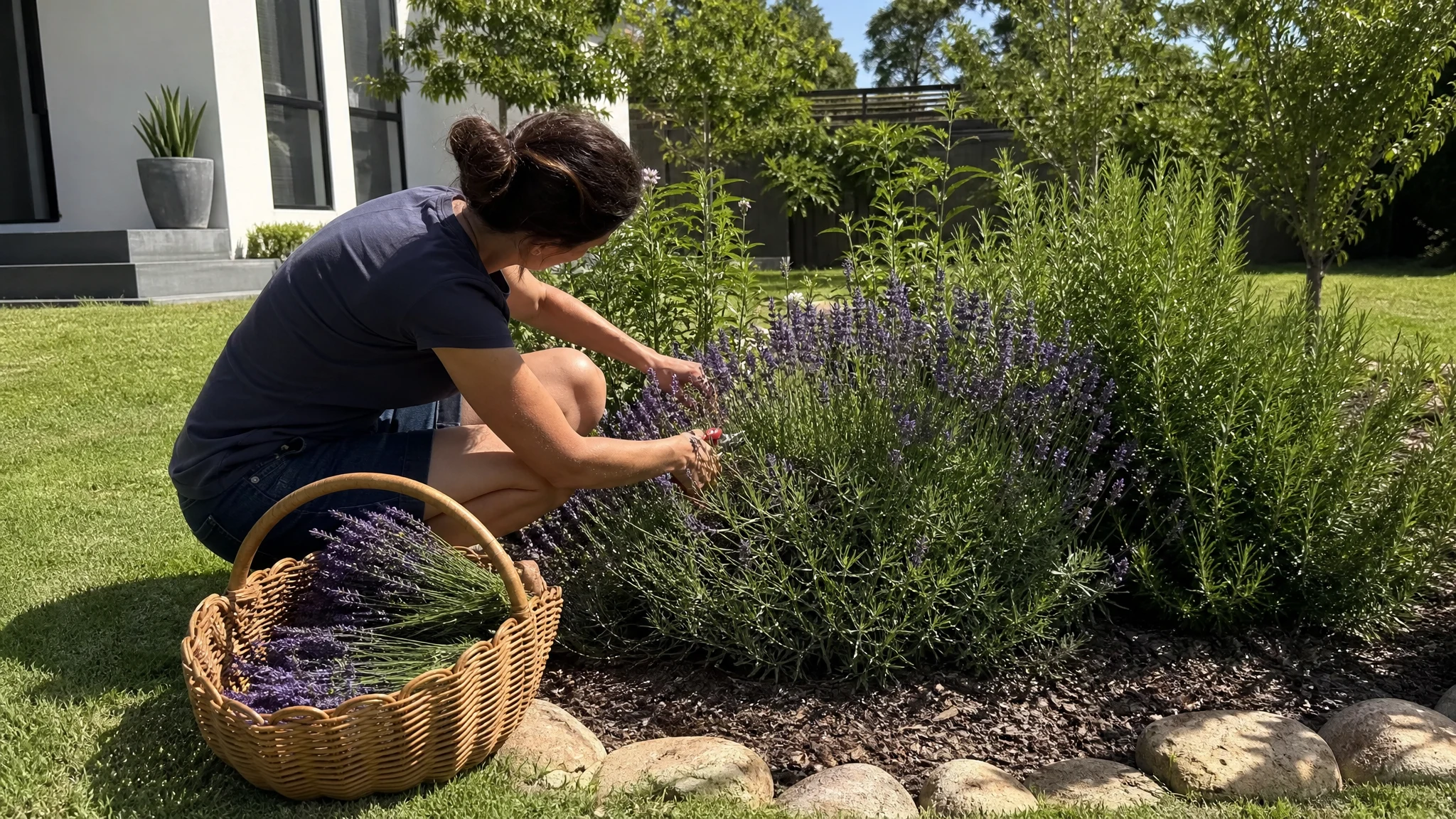
Since lavender here is about scent, the choice comes down to which one you enjoy living with for ten minutes. The angustifolia is soft, floral and gently herbaceous with a clean, sweet finish, which most people find easy company close to the face. The spike is sharp and camphor-like with a green edge, and the lavandin has a camphor-tinged lift, so those can feel brisk when your head is right above the bowl. Smell a little from the bottle first. If it does not make you happy in the first minute, it will not improve once it is warm.
Freshness matters for the scalp too
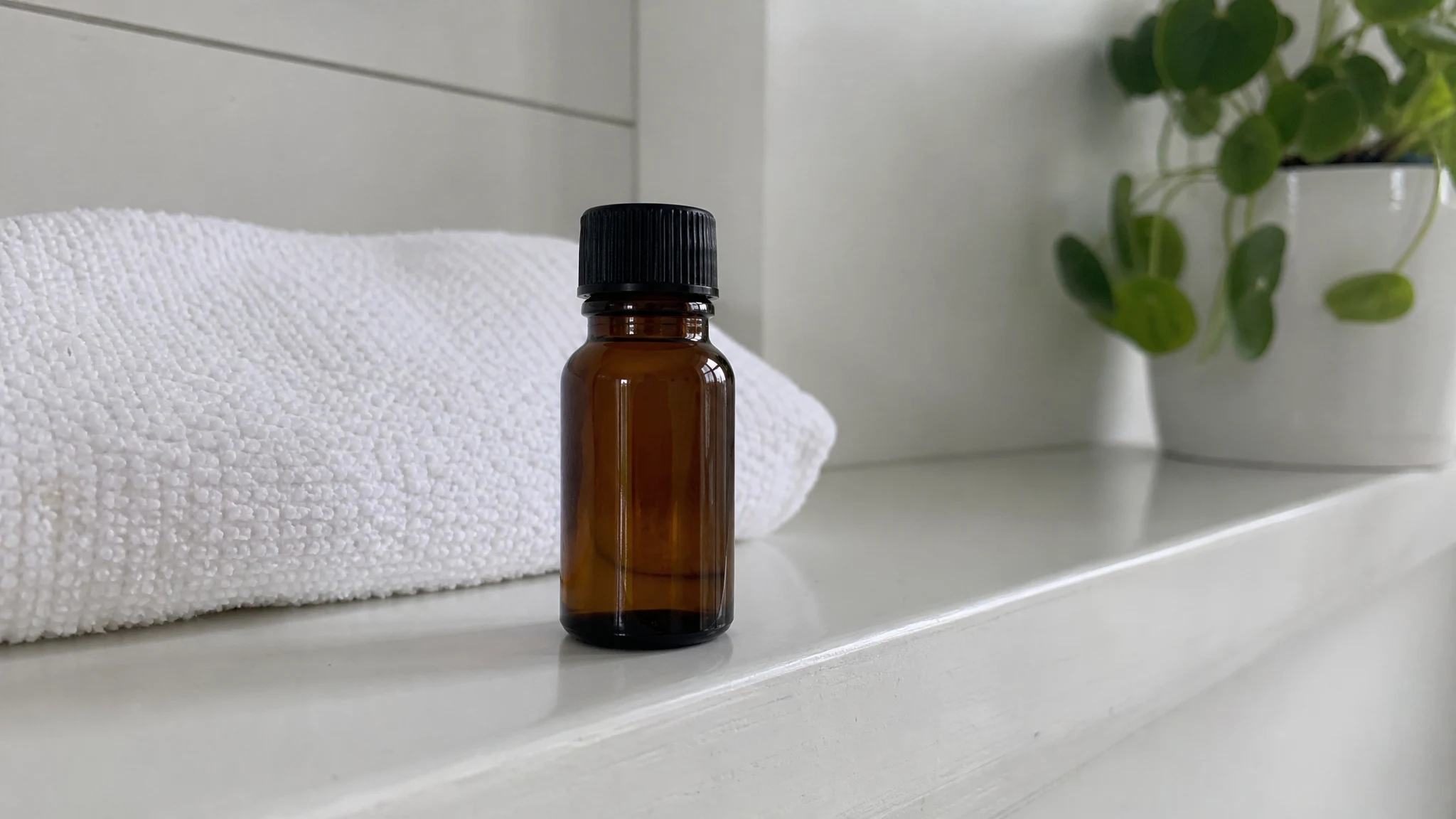
Air changes lavender oil. In the lab, exposure to air oxidised its main components at the same rate as the isolated compounds and produced allergenic hydroperoxides (Hagvall et al., 2008). A fresh, tightly capped bottle is the best choice for something you will rub into your scalp, and our storage guide explains how to look after one.
Keep the scent simple
You do not need to blend anything fancy. Lavender and a carrier you already enjoy are a perfectly good starting point, and a plain mix is easier to remember, easier to patch test and easier to put the cap back on afterwards. If you later want to add another scent, do it one oil at a time so you know which one you like.
Who should skip it
- Anyone with a sore, scaly or broken scalp. Damaged skin is where Poison Control says not to use essential oils, and a dermatologist is the right person for scalp trouble.
- Children. We give no dilution for children, so ask a pediatrician first. Our page on lavender oil around children explains why.
- Pregnant or breastfeeding people. NCCIH says little is known about lavender's safety here, so a midwife or obstetrician is the person to ask.
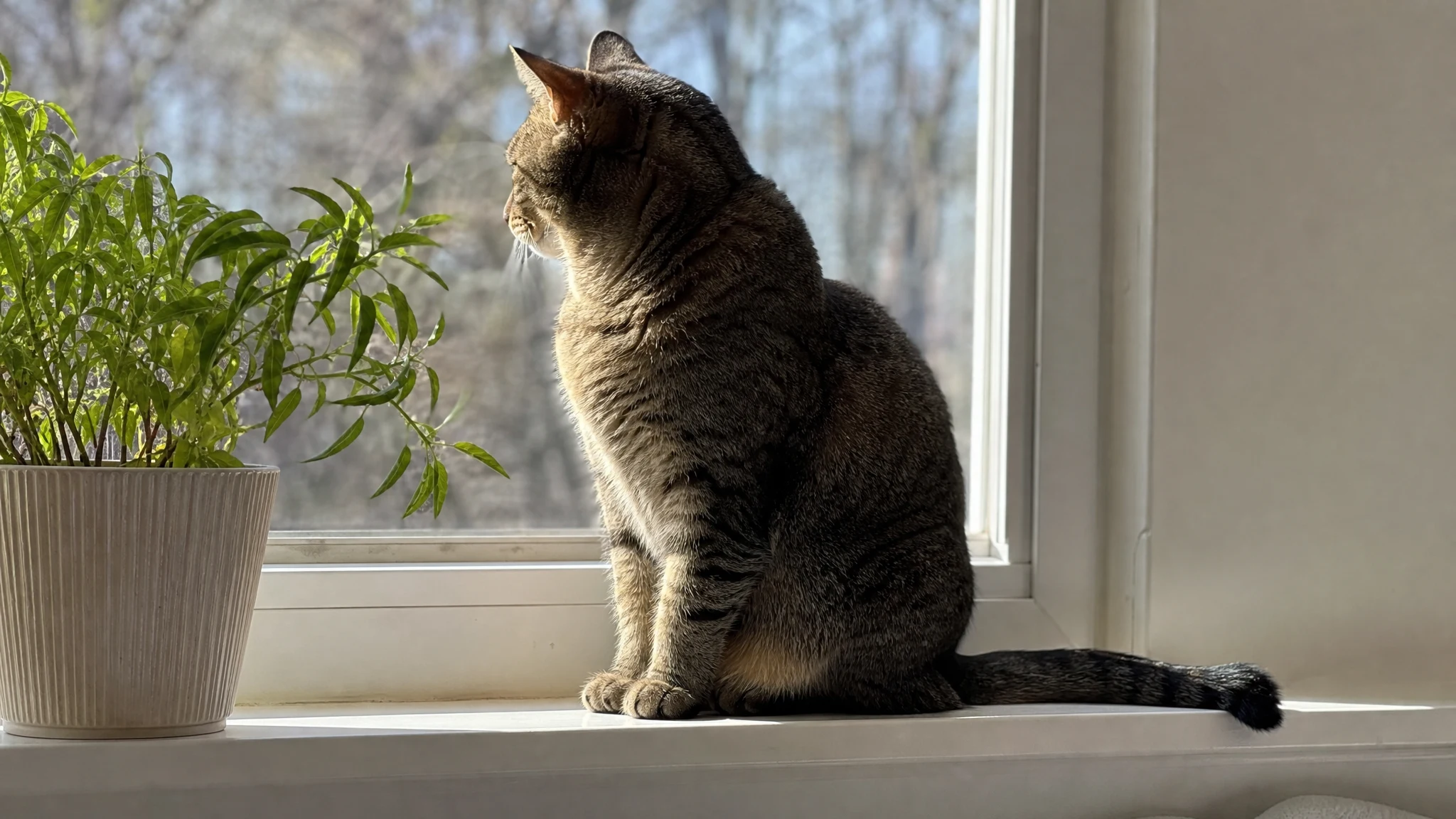
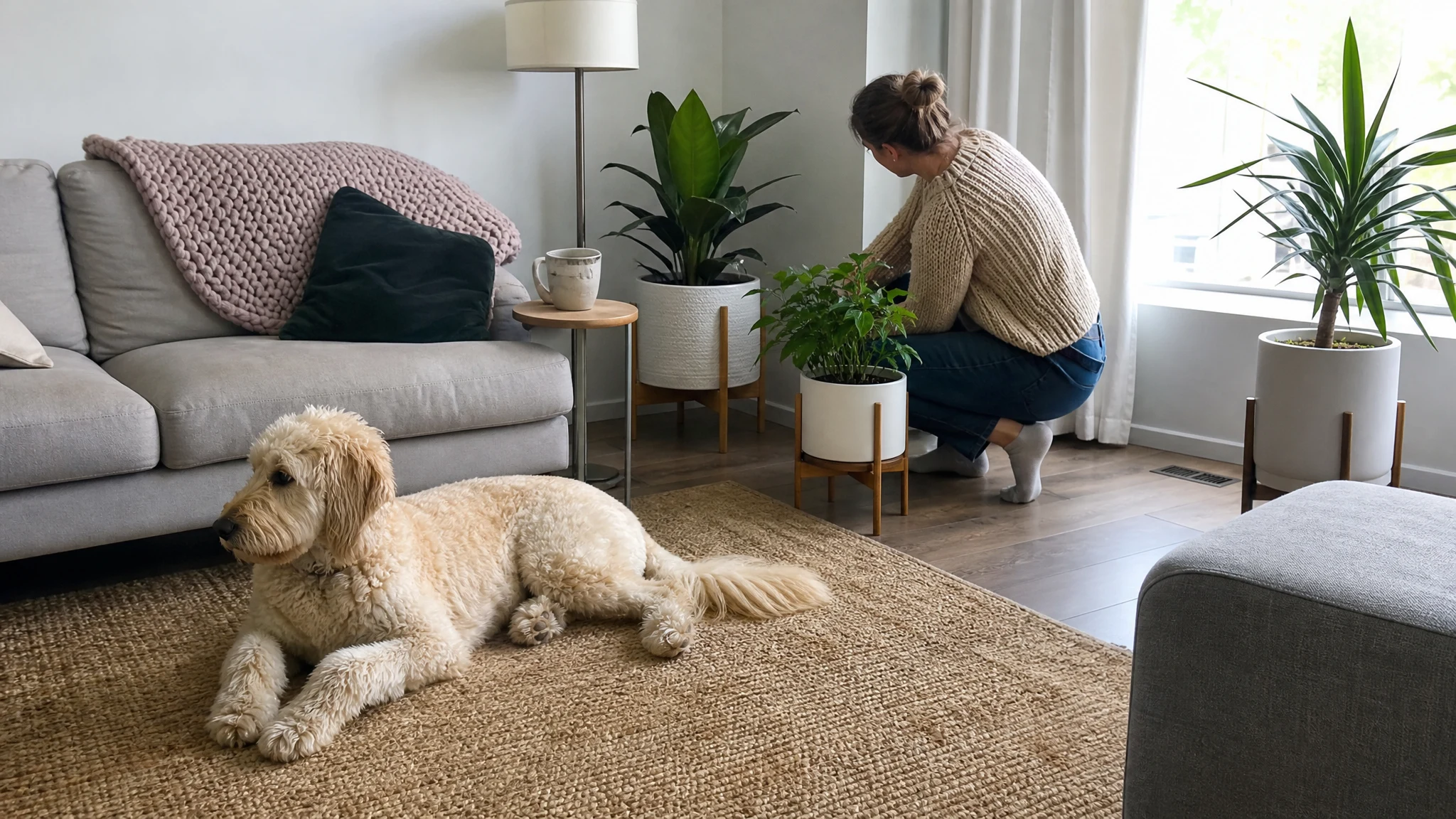
- Households with pets. The ASPCA lists lavender as toxic to dogs and cats, so a pet nuzzling an oiled pillow is worth thinking about. Ask your veterinarian.
If you notice thinning or patchy changes in your hair, that is a conversation for a dermatologist, and the FDA treats claims about changing the body's structure or function as drug claims, which is why we make none.
A fragrant ten-minute massage with a carrier you like, a light hand with the lavender and a clean towel underneath is a pretty good small luxury.
Lavender Essential Oil
Lavender Essential Oil from our own shop, in sizes from 0.5 oz to bulk.
From $12.99
Shop Now →Sources & Further Reading
- Poison Control. Essential oils: Poisonous when misused. poison.org
- NCCIH. Lavender. nccih.nih.gov
- Bingham et al., 2019. Contact allergy and allergic contact dermatitis caused by lavender: A retrospective study from an Australian clinic. Contact Dermatitis, Europe PMC
- Hagvall et al., 2008. Lavender oil lacks natural protection against autoxidation, forming strong contact allergens on air exposure. Contact Dermatitis, Europe PMC
- ASPCA. Toxic and Non-toxic Plants: Lavender. aspca.org
- FDA. Aromatherapy. fda.gov